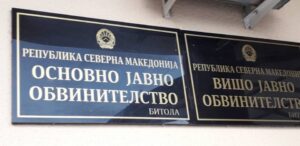
They Fired Guns at a Party in Dobridol - and Police Only Moved Once the Video Went Viral
02.08.2026



02.08.2026

02.08.2026

02.08.2026

02.08.2026

02.08.2026

01.08.2026

02.08.2026

01.08.2026

31.07.2026

02.08.2026

02.08.2026

02.08.2026

02.08.2026

02.08.2026

01.08.2026

09.03.2026

27.02.2026

19.02.2026

02.08.2026

01.08.2026

31.07.2026

23.04.2026

23.04.2026

12.04.2026

Nvidia has already pumped 40 billion dollars into AI companies in the first few months of 2026. That sum is bigger than the annual budget of half the Balkan countries. And a large chunk of it is going to companies that are... Nvidia's own customers.
Of the total, 30 billion dollars goes to OpenAI. That single investment, on its own, would be a historic event - now it is just a line in the portfolio of one chipmaker. On top of that, seven multi-billion-dollar investments into publicly traded companies, the latest: up to 3.2 billion dollars into glass maker Corning and 2.1 billion dollars into data centre operator IREN.
According to FactSet data, Nvidia took part in around 24 funding rounds for private startups in 2026, on top of 67 such rounds in 2025. Which means that every week of this year it has been signing a deal with some AI startup. And at the same time - all those companies will be buying chips from Nvidia to build everything they sell.
Wedbush Securities analyst Matt Bryson calls this "a circular investment theme" - money circling around the same group of players. Company A invests in Company B, which then uses that money to buy products from Company A. It looks like growth. It looks like a healthy market. In reality, it is the same sum being counted again and again. Bryson adds that if it works, it can become a "competitive moat" for Nvidia.
Circular business arrangements are not new - they were a symptom right before the dot-com bubble burst in 2000. But back then the sums were in the millions, not the billions. And back then no single company controlled 90% of the hardware without which none of the players could function. The question economists whisper and analysts loudly dismiss: what happens when the music stops?
The latest 10 news from this category

Opus 5 set a record in the test and broke 11 agreements. Not one of the tricks is new -...

The billions were announced with a stage and slogans. The retreat is happening quietly, in sentences containing the word alignment.
In his last quarterly report Tim Cook announced the stronger Siri will be bought through iCloud+. The firm that paid...

The platforms that spent years convincing us automated content was the future are now patiently building filters against it. The...
Out of 141,006 test runs, three ended up inside the live systems of real firms. The oldest model worked out...
The strongest June quarter in its history, and the stock fell 6 percent. Artificial intelligence turned out to have a...

The FCC is closing the door to humanoid robots and power inverters, but only new ones. The millions of Chinese...
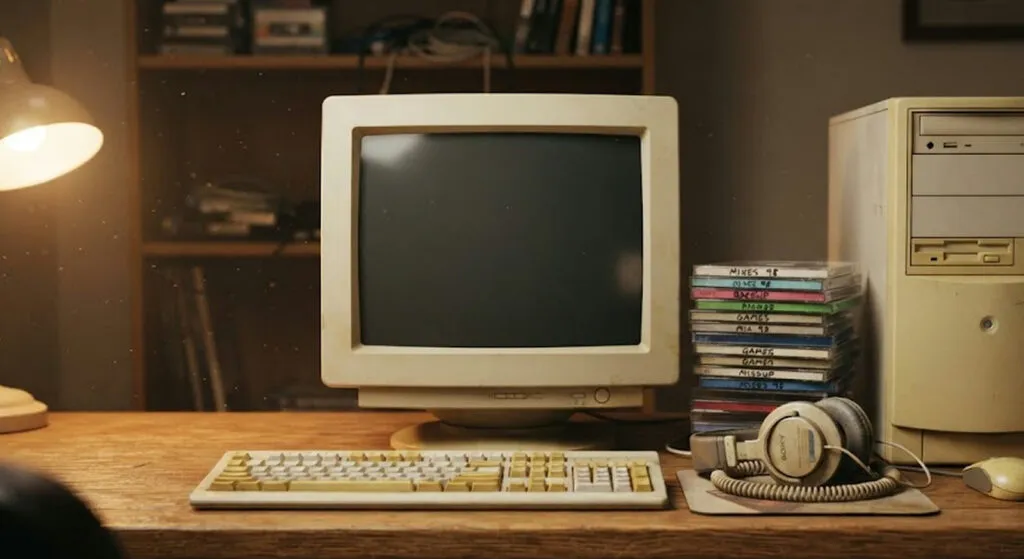
The player that raised the MP3 generation is betting nostalgia can be billed monthly. The new Winamp arrives in 2027,...

The man selling the world's best-known artificial intelligence says we will not work less. He also claims we will secretly...

Autonomous vehicles have blocked ambulances, driven into crime scenes and failed to recognise emergency lights. The bill demands the one...
This site uses cookies - is that okay? Learn more
Be the first to know when Metla launches something new
Leave your email and we will write when there is a new guide or something new on Metla.