
The "Lottery" Trial: 231 Pieces of Evidence, and So Far Not a Single Message Between Grubi and Bajrami
24.09.2026


24.09.2026

24.09.2026

24.09.2026

24.09.2026

24.09.2026

24.09.2026

24.09.2026

23.09.2026

22.09.2026

24.09.2026

24.09.2026

23.09.2026

24.09.2026

24.09.2026

24.09.2026
24.09.2026
23.09.2026

22.09.2026

24.09.2026

24.09.2026

24.09.2026

24.09.2026

23.09.2026

23.09.2026

09.03.2026

27.02.2026

19.02.2026

24.09.2026

23.09.2026

22.09.2026

23.04.2026

23.04.2026

12.04.2026

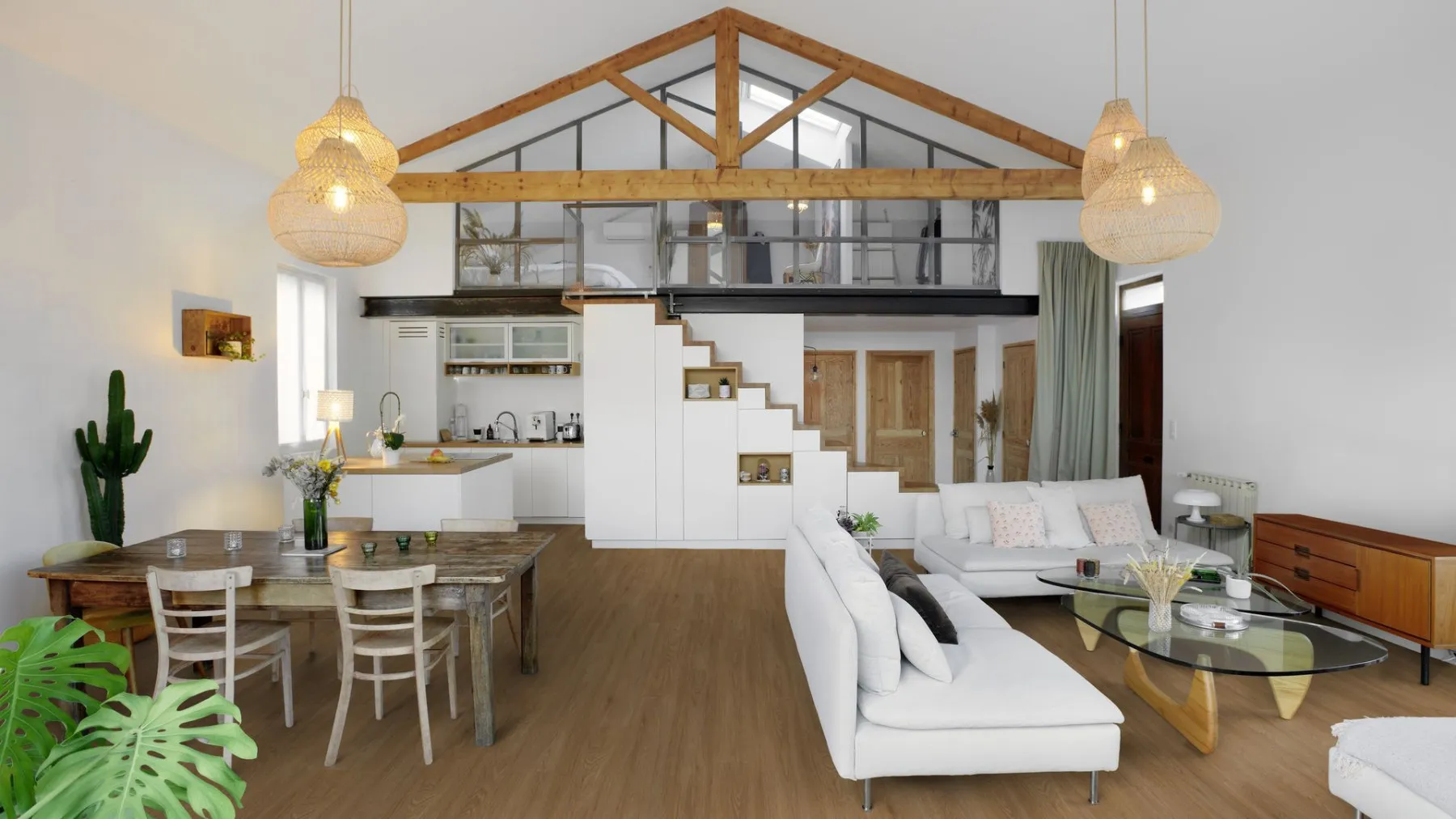
Vinyl floors, which until a few years ago carried the reputation in Macedonia of "a cheap substitute for parquet," became a serious player on the European market in 2026. Juan Segura, marketing director at France's Gerflor, explains why - and increasingly architects are recommending vinyl ahead of wood and ceramic: greater durability, faster installation, an acceptable price tag.
Vinyl comes in three types: LVT (Luxury Vinyl Tile) - flexible tiles or planks, focused on design and comfort. WPC - with a wood-fibre core, giving a warmer feel underfoot and a softer step. SPC - with a mineral core, more rigid and far more resistant to water and temperature changes. For households the expert recommends LVT - the most balanced between aesthetics, comfort and durability.
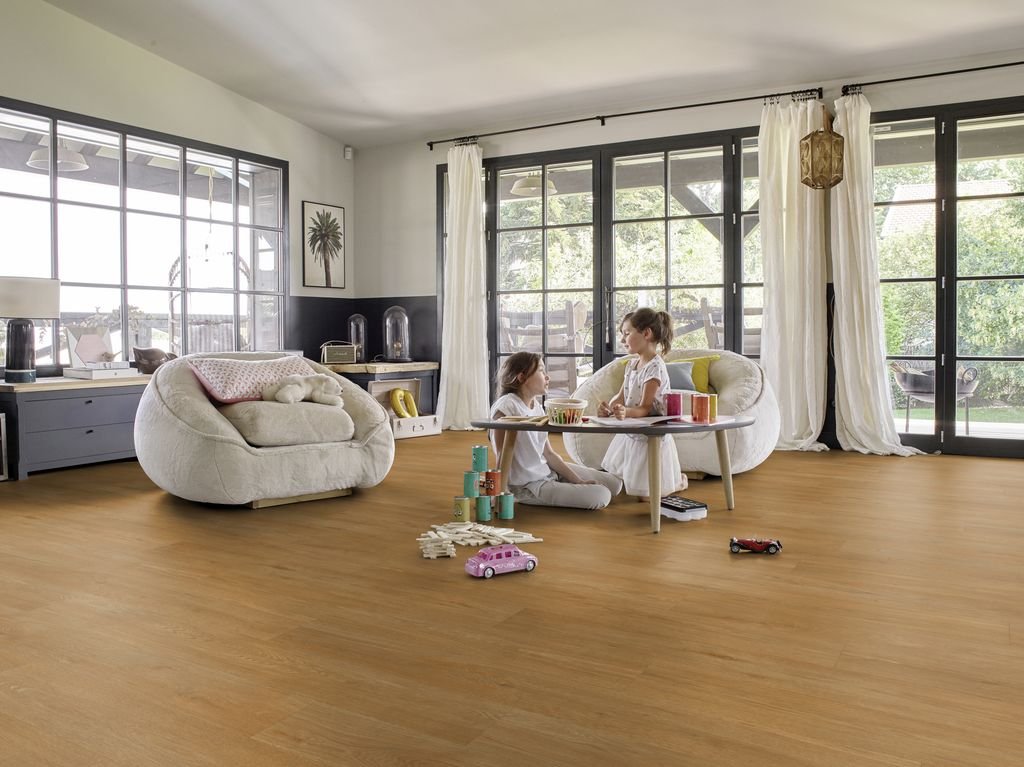
What makes a good vinyl floor good? Three characteristics: the thickness of the protective layer (determines how long the floor will look new), dimensional stability (so it does not warp in sunlight or with temperature changes), and comfort (both acoustic and underfoot). Without all three, you get cheap vinyl that wears out in five years and looks the part.
Where does it work? Almost everywhere in the home. In living rooms, bedrooms and hallways it gives visual continuity and openness. In kitchens and bathrooms it is almost perfect - 100% waterproof if you pick the right technology. Compared to ceramic, it is warmer underfoot and quieter when walked on. Compared to natural wood - more resistant to moisture and stains, no varnish or special care needed.
There are two installation options. A glued system is the most stable and longest-lasting, especially for large areas and zones with strong sun exposure. A click system is for fast renovations - no glue, and it can often be laid directly on top of an existing floor if that floor is in decent shape. The catch with click: any unevenness in the substrate transfers up to the surface and causes an unpleasant feeling when you walk. The substrate has to be level, clean, dry and stable.
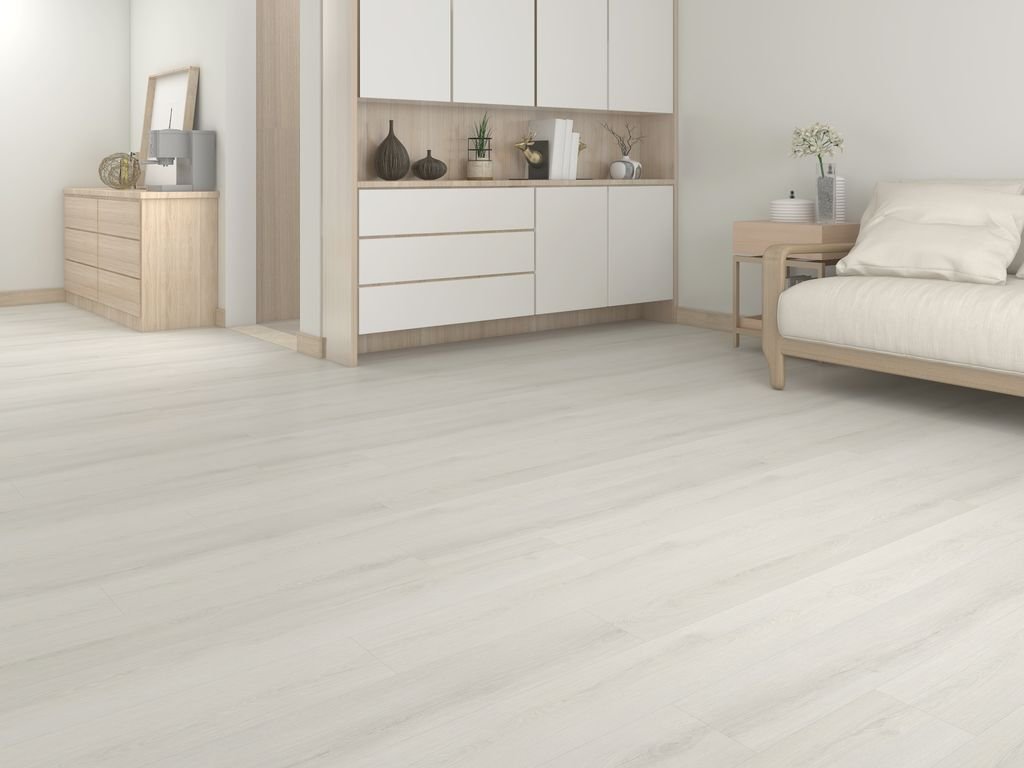
The realism of today's vinyl floors is a leap compared to ten years ago. Digitally printed high-resolution surfaces accurately imitate wood grain, knots, shading. EIR technology (synchronised embossing) makes sure what you see and what you feel under your fingers actually match. Ultra-matte finishes kill the artificial shine; large-format planks give an unbroken surface.
For maintenance - a vacuum and a lightly damp cloth do the job. No wax, no aggressive cleaners. For households with kids or pets, that is a huge advantage. And - modern vinyl floors are not "throwaway." They can be refreshed, get new finish coats, individual planks can be swapped without lifting everything. That is one of the things the Balkan buyer still does not expect, but which works in their favour.
The latest 10 news from this category
Luxury isn't about showing off, it's about detail, says the architect. That's why the best light in this flat went...
The exposed brick and ribbon windows stayed, and the entire palette came out of a single painting above the sideboard....

An Eames lounge chair from 1956, a Fratini shelving unit and a concave cobalt mirror that reflects the room curved....
Four bedrooms, four bathrooms and one rug that keeps the dining area separate without a wall. Three things in this...

She did not decorate a house - she built a world. And behind all that fantasy there is no inheritance,...

The stairwell has been turned into a gallery, and in the bedroom there is not a single attempt at an...

In the vast majority of flats the ceiling stays white because that is how it was found - not because...
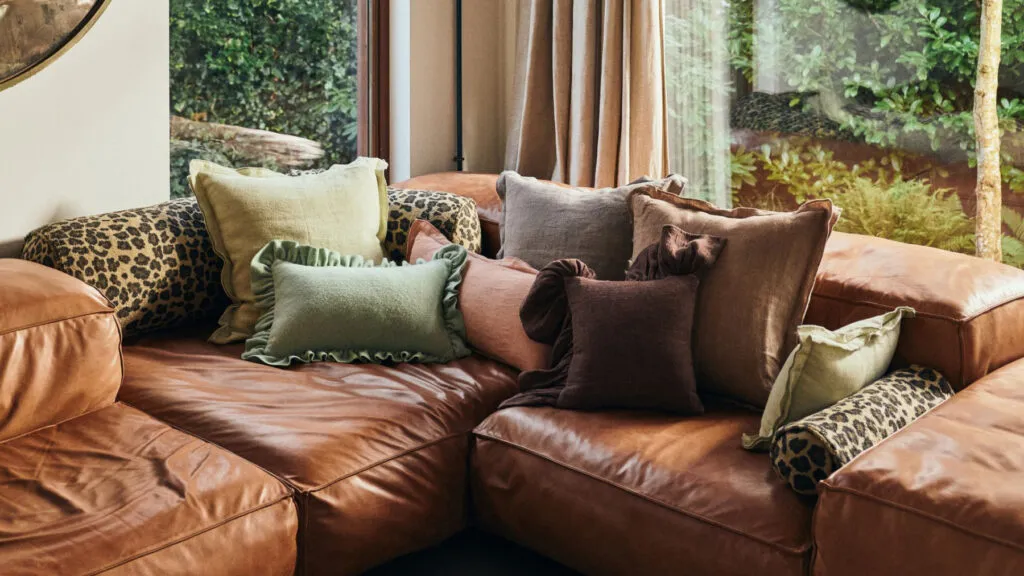
It is not hoarding and it is not maximalism. Ten things that used to be hidden when guests came and...
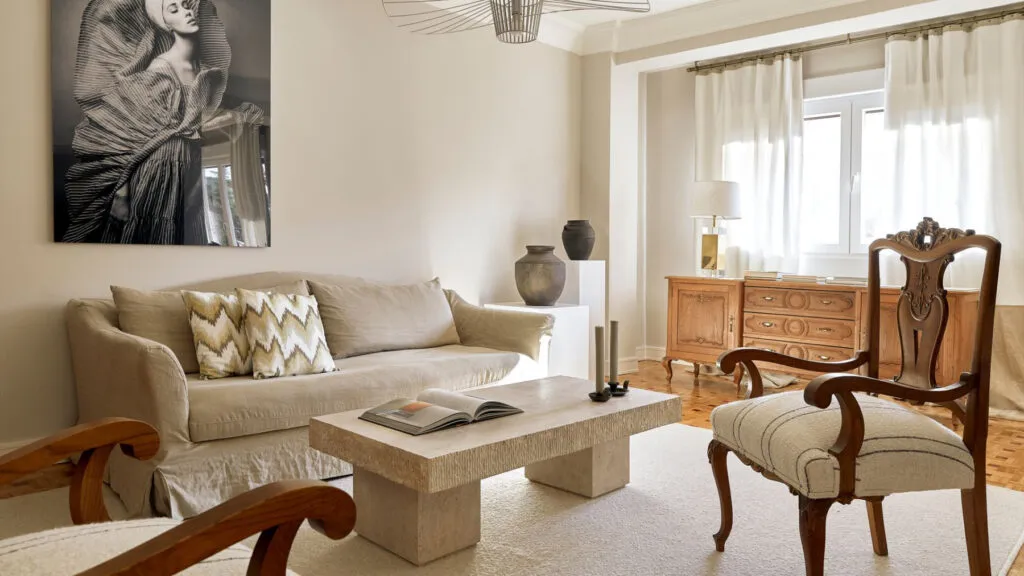
A bespoke console, reupholstered armchairs and wallpaper hung like art. The most expensive thing in the flat is the decision...
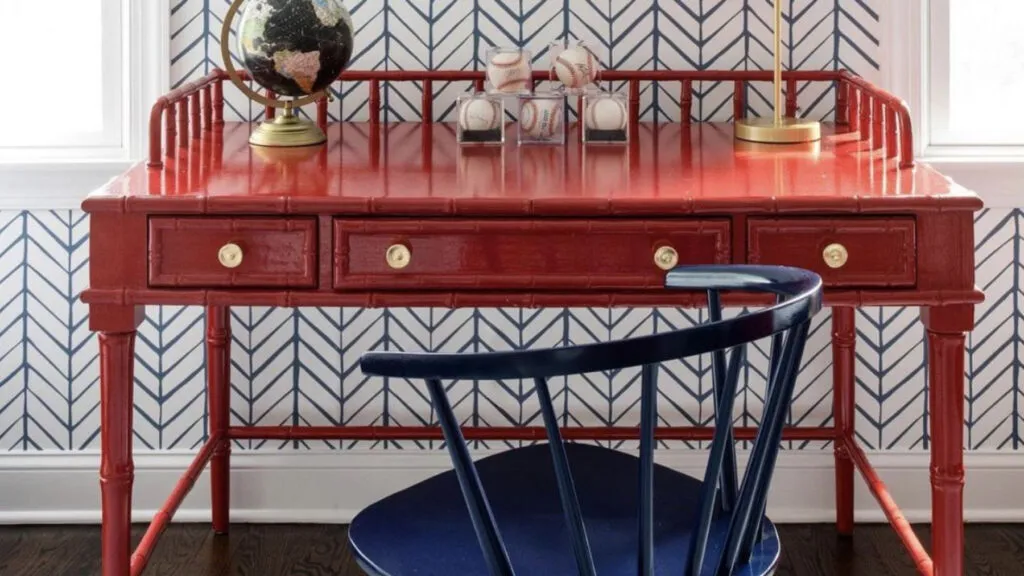
For years the rule was everything neutral and everything from the same collection. The result is a living room that...
This site uses cookies - is that okay? Learn more
Be the first to know when Metla launches something new
Leave your email and we will write when there is a new guide or something new on Metla.