
Пет жаришта во една ноќ кај Раец: градоначалникот алармира преку Фејсбук, превентивата пак остана тема за септември
03.08.2026


03.08.2026

03.08.2026

03.08.2026

03.08.2026

03.08.2026
03.08.2026

03.08.2026
02.08.2026

02.08.2026

03.08.2026

03.08.2026

02.08.2026

03.08.2026

03.08.2026

03.08.2026

03.08.2026

02.08.2026

01.08.2026

03.08.2026

03.08.2026

03.08.2026

03.08.2026

03.08.2026

03.08.2026

09.03.2026

27.02.2026

19.02.2026

02.08.2026

01.08.2026

31.07.2026

23.04.2026

23.04.2026

12.04.2026

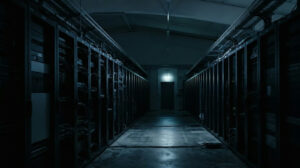
Polish intelligence services have confirmed what every security expert had been expecting for years - hackers broke into five water-treatment facilities, with the potential to interfere with the safety of the water supply. Poland made it official. And the question is simple: when were our own systems last actually checked?
Poland's Internal Security Agency (ABW) published a report covering two years of work. According to it, the agency stopped multiple acts of sabotage by Russian state spies and hackers, aimed at military sites, critical infrastructure (energy grids, water supply, transport) and civilian targets. The report doesn't spell out how the hackers in the five waterworks are linked to Russian services, but ABW had previously attributed to Russian state hackers an earlier unsuccessful attempt to bring down Poland's electric grid.
"The most serious challenge is sabotage activity against Poland, inspired and organised by Russian intelligence services. This threat was (and is) real and immediate. It demands full mobilisation," the report says.
The scenario isn't Polish, it is global. In 2021 a hacker breached a plant in Oldsmar, Florida, and tried to raise the sodium hydroxide level - an aggressive chemical - to dangerous levels. Last month, a joint advisory from CISA, the FBI, the NSA and other US agencies warned that Iranian hackers are actively targeting programmable logic controllers (PLCs) - the industrial computers that run water and energy plants. The same Iranian group, CyberAv3ngers, broke into several Pennsylvania facilities in 2023.
The Balkans are not outside this equation. Macedonian, Serbian, Bulgarian, Greek critical infrastructure runs on similar PLC controllers. Many of them are made by Siemens, Schneider Electric, Rover - the same manufacturers whose devices were hacked in the US and Poland. When was the last time it was publicly announced that any Macedonian agency had tested its systems against such an attack? When was such a thought publicly aired at all?
As Polish services conclude, these are not isolated incidents - it is a strategy. The same one Russia applies in war zones in Ukraine, and against countries it considers hostile. The Balkans aren't priority number one, but they are not off the list either. The question is not if, but when. And whether we work it out in time - or find out on the test.
The latest 10 news from this category
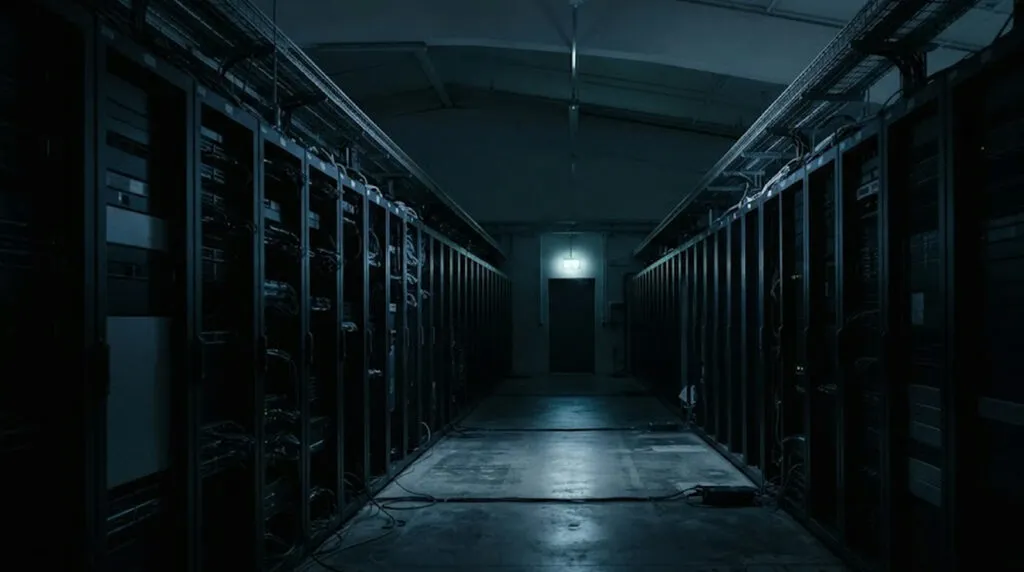
Операторот што покрива 67 милиони потрошувачи призна дека нема струја за сите и однапред одлучи кој ќе остане на темно....

Продажбата не паѓа затоа што луѓето осиромашија, туку затоа што старите телефони престанаа да се расипуваат навреме. Одговорот на индустријата...
Opus 5 set a record in the test and broke 11 agreements. Not one of the tricks is new -...

The billions were announced with a stage and slogans. The retreat is happening quietly, in sentences containing the word alignment.
In his last quarterly report Tim Cook announced the stronger Siri will be bought through iCloud+. The firm that paid...

The platforms that spent years convincing us automated content was the future are now patiently building filters against it. The...
Out of 141,006 test runs, three ended up inside the live systems of real firms. The oldest model worked out...
The strongest June quarter in its history, and the stock fell 6 percent. Artificial intelligence turned out to have a...

The FCC is closing the door to humanoid robots and power inverters, but only new ones. The millions of Chinese...

The player that raised the MP3 generation is betting nostalgia can be billed monthly. The new Winamp arrives in 2027,...
This site uses cookies - is that okay? Learn more
Be the first to know when Metla launches something new
Leave your email and we will write when there is a new guide or something new on Metla.