They Fired Guns at a Party in Dobridol - and Police Only Moved Once the Video Went Viral
02.08.2026



02.08.2026

02.08.2026

02.08.2026

02.08.2026

02.08.2026

01.08.2026

02.08.2026

01.08.2026

31.07.2026

02.08.2026

02.08.2026

02.08.2026

02.08.2026

02.08.2026

01.08.2026

09.03.2026

27.02.2026

19.02.2026

02.08.2026

01.08.2026

31.07.2026

23.04.2026

23.04.2026

12.04.2026
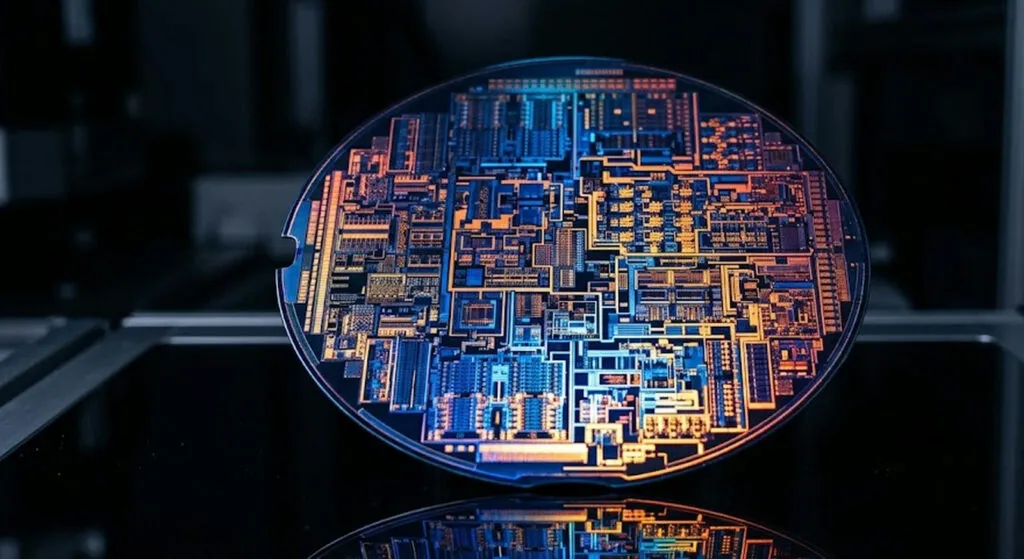
Intel, the Silicon Valley chip icon that was nearly written off two years ago, has lifted its share price by 490% in the last 12 months. Not Tesla. Not Nvidia. Intel - the company analysts were writing obituaries for in 2024. So who is the new boss, and what is really happening behind those numbers?
Lip-Bu Tan, who took over as CEO in March of last year, spent the bulk of his first year on the job doing something very different from what the analyses expected. Instead of painful restructurings, he busied himself locking in big political and business alliances. The result: the US government is now the third-largest shareholder in Intel, a strategic alliance has been struck with Elon Musk (via SpaceX, for a fab), and in recent weeks preliminary manufacturing deals with Apple and Tesla have been reported.
That is what Bloomberg's deep dive this week recounts - but the most striking part is the bit they themselves underplay: Intel's market capitalisation has risen 5.9 times. The stock market is already certain a turnaround has happened. The question is - whether it actually has.
The reality on the factory floor is less rosy. Yields on Intel's chips still trail meaningfully behind those of Taiwanese leader TSMC. Employees speaking anonymously to Bloomberg say Tan has imposed little concrete internal accountability, with some teams that, instead of catching up on slipped deadlines, simply move them. That tells you one thing: the stock is trading on strategic posters and the comeback rhetoric, while the actual production machine is still grinding.
Will Wall Street be proven right - or is this another story of inflated expectations tied to Tan's politicking? When the government sits on your board of directors, every investor reads it as insurance that the company won't fail. That cuts the risk, but it does not automatically build technological supremacy. The question stays - in this current dynamic, is it the chips that are carrying the story, or the politics?
The latest 10 news from this category

Opus 5 set a record in the test and broke 11 agreements. Not one of the tricks is new -...

The billions were announced with a stage and slogans. The retreat is happening quietly, in sentences containing the word alignment.
In his last quarterly report Tim Cook announced the stronger Siri will be bought through iCloud+. The firm that paid...

The platforms that spent years convincing us automated content was the future are now patiently building filters against it. The...
Out of 141,006 test runs, three ended up inside the live systems of real firms. The oldest model worked out...
The strongest June quarter in its history, and the stock fell 6 percent. Artificial intelligence turned out to have a...

The FCC is closing the door to humanoid robots and power inverters, but only new ones. The millions of Chinese...
The player that raised the MP3 generation is betting nostalgia can be billed monthly. The new Winamp arrives in 2027,...
The man selling the world's best-known artificial intelligence says we will not work less. He also claims we will secretly...

Autonomous vehicles have blocked ambulances, driven into crime scenes and failed to recognise emergency lights. The bill demands the one...
This site uses cookies - is that okay? Learn more
Be the first to know when Metla launches something new
Leave your email and we will write when there is a new guide or something new on Metla.