

VREDI Goes From Coalition to Party: 850 Delegates, Kurti on Stage, Medžiti-Kasami Co-Chairmanship
10.05.2026


10.05.2026

10.05.2026

10.05.2026

10.05.2026

10.05.2026

10.05.2026

09.05.2026

08.05.2026

07.05.2026

10.05.2026
10.05.2026
09.05.2026
10.05.2026

10.05.2026

10.05.2026

10.05.2026

09.05.2026

08.05.2026

10.05.2026

10.05.2026

10.05.2026

10.05.2026

10.05.2026

09.05.2026

09.03.2026

27.02.2026

19.02.2026

14.04.2026

07.11.2025
07.11.2025

23.04.2026

23.04.2026

12.04.2026

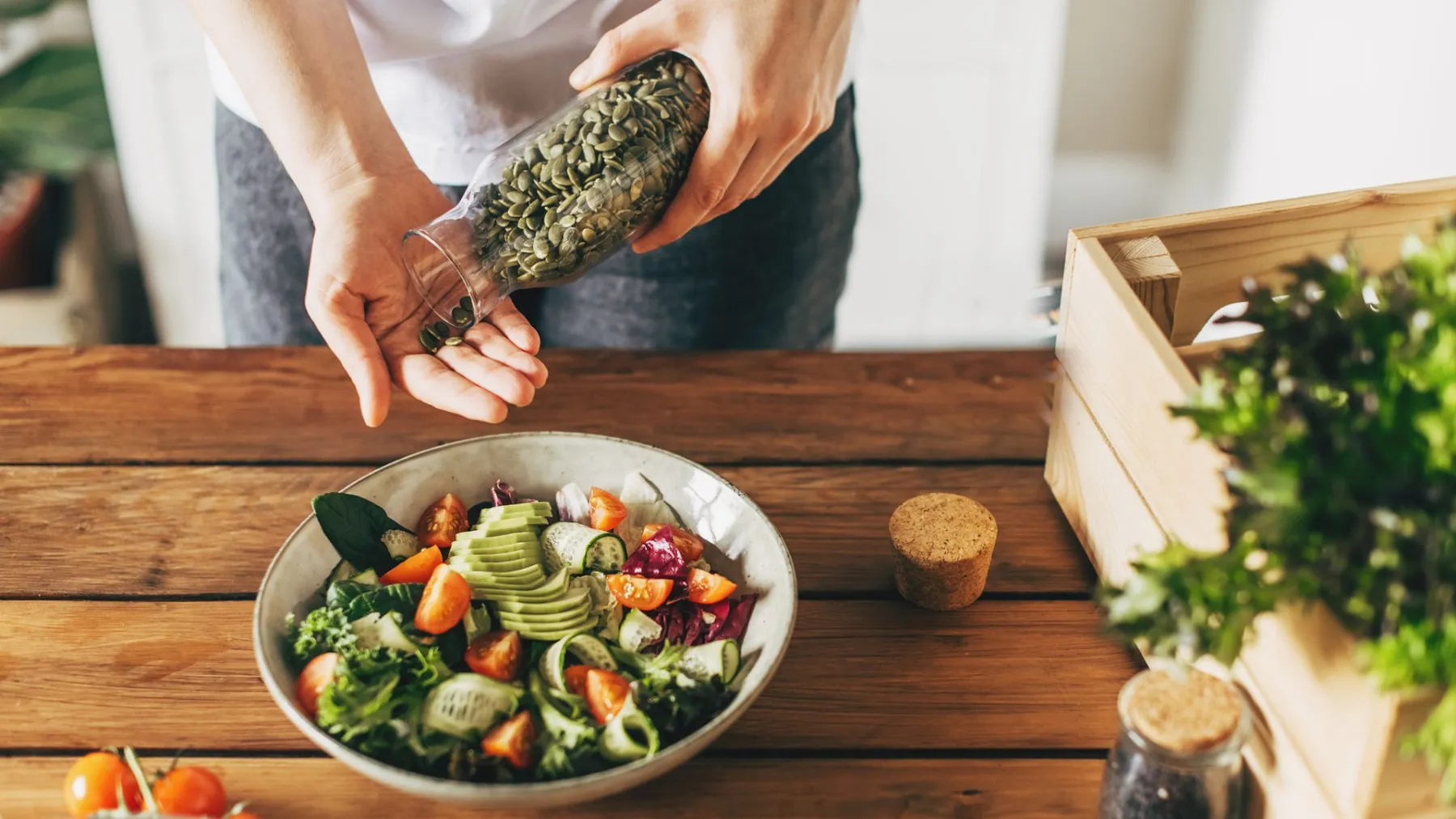
Pumpkin seeds arrived on the Instagram trend list bundled with a "fix your sleep with this miracle" pitch. The reality is more modest, but more accurate: according to nutritionists, they really do concentrate the very things the brain and nervous system burn through - but they are not a miracle.
Dr. Crispin Alonso of the Menorca Clinic gives the numbers. They contain 25-30 grams of protein per 100 grams - a high value for a plant source, but the realistic daily portion is only around 20-30 grams (one handful). That means the "natural replacement for an egg" story is marketing, not nutrition. The comparison is misleading because the portions are not the same.
Where they really do have value: in the tryptophan-magnesium-zinc triplet, which the body uses to regulate sleep. Tryptophan is the amino acid the brain converts into serotonin (mood) and melatonin (sleep). Magnesium relaxes the muscles and calms the nervous system. Zinc supports those processes.
That is why specialists recommend eating them in the afternoon or evening - not as a 10am snack. They can be eaten raw or lightly toasted, without salt. They go into yogurt, kefir, salads or vegetable creams. That is all.
For stress - they are not a cure, they are extra support. Magnesium does in fact modulate the stress response and can ease irritability, but no one resolves anxiety with a handful of seeds. "They are a support inside a broader strategy," the nutritionist explains. The Balkan reader knows: when something is sold as a miracle, the actual product behind it is usually hiding.
The latest 10 news from this category
Quick proteins at the start, red meat and lentils for the end - the old logic of our grandmothers with...
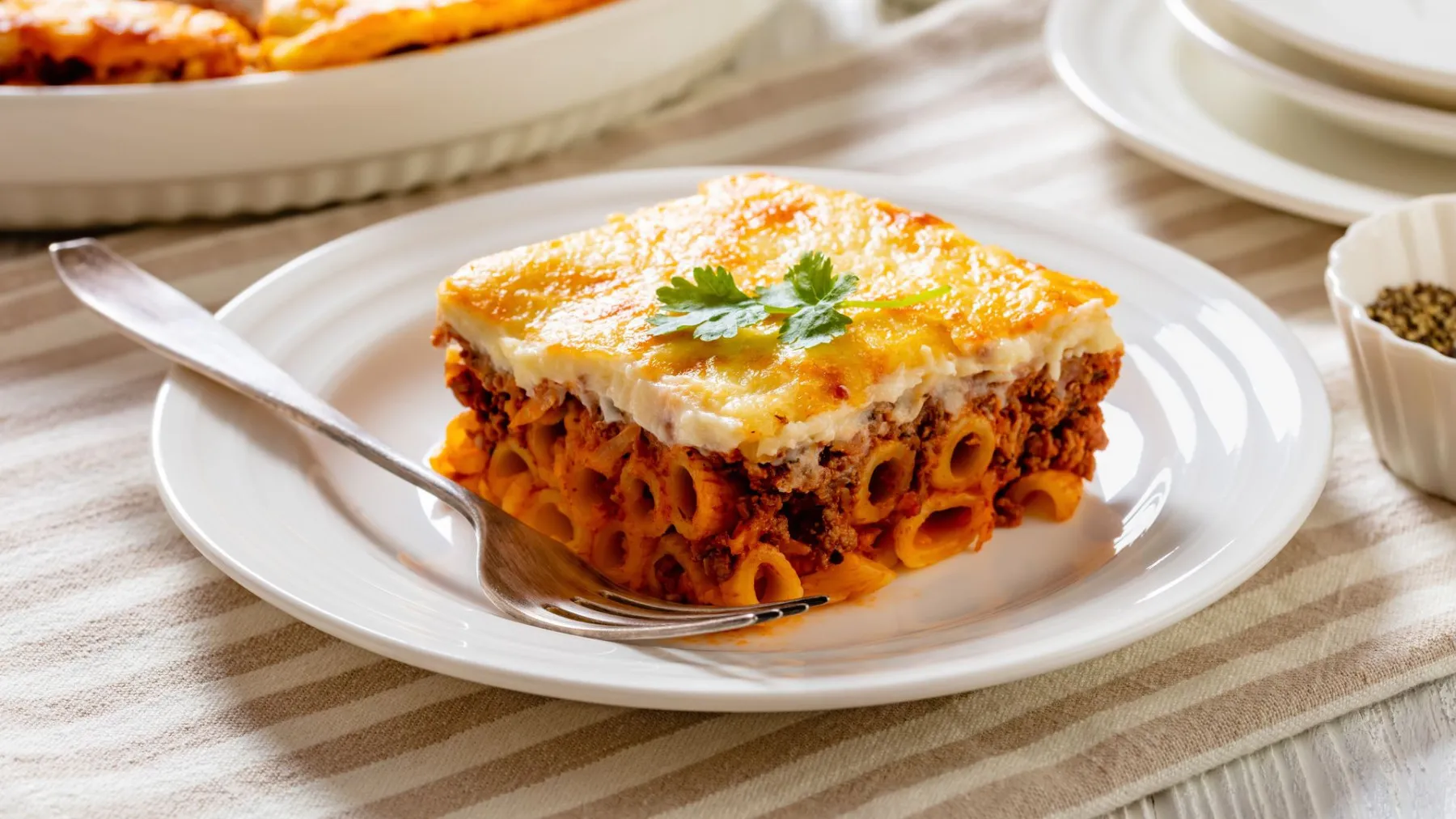
400g of pasta, 500g of mince, cinnamon, nutmeg and clove - plus a thick layer of béchamel that arrived in...

The Spanish actress combines ballet with resistance training; experts from three fitness centres analyse the details. For a woman past...
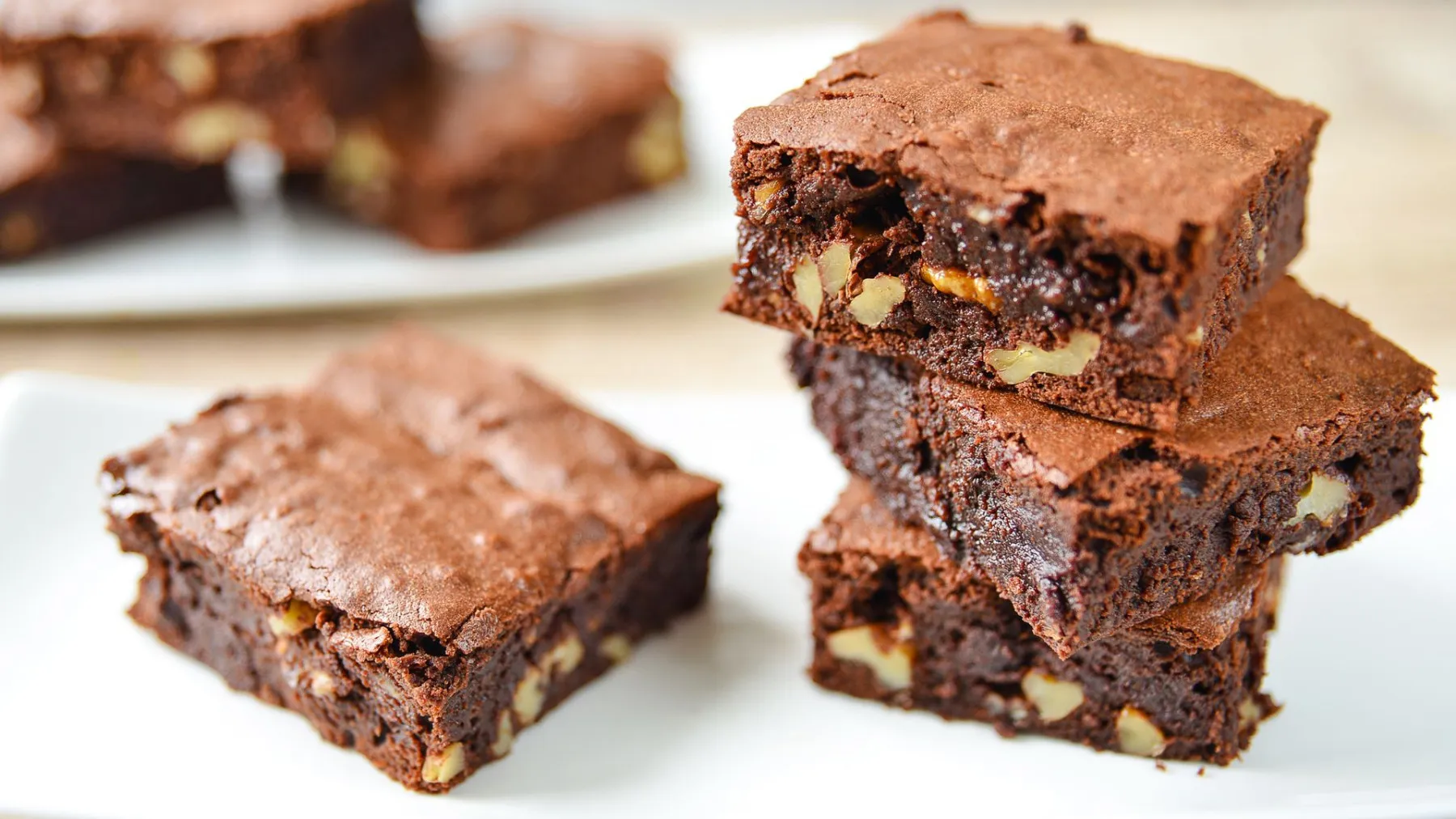
You don't need to sacrifice flavour to cut fats and sugars - the classic can be made differently, at around...

Activating the cervical zone by pressing the big toe of the foot - a principle that's not alternative medicine but...
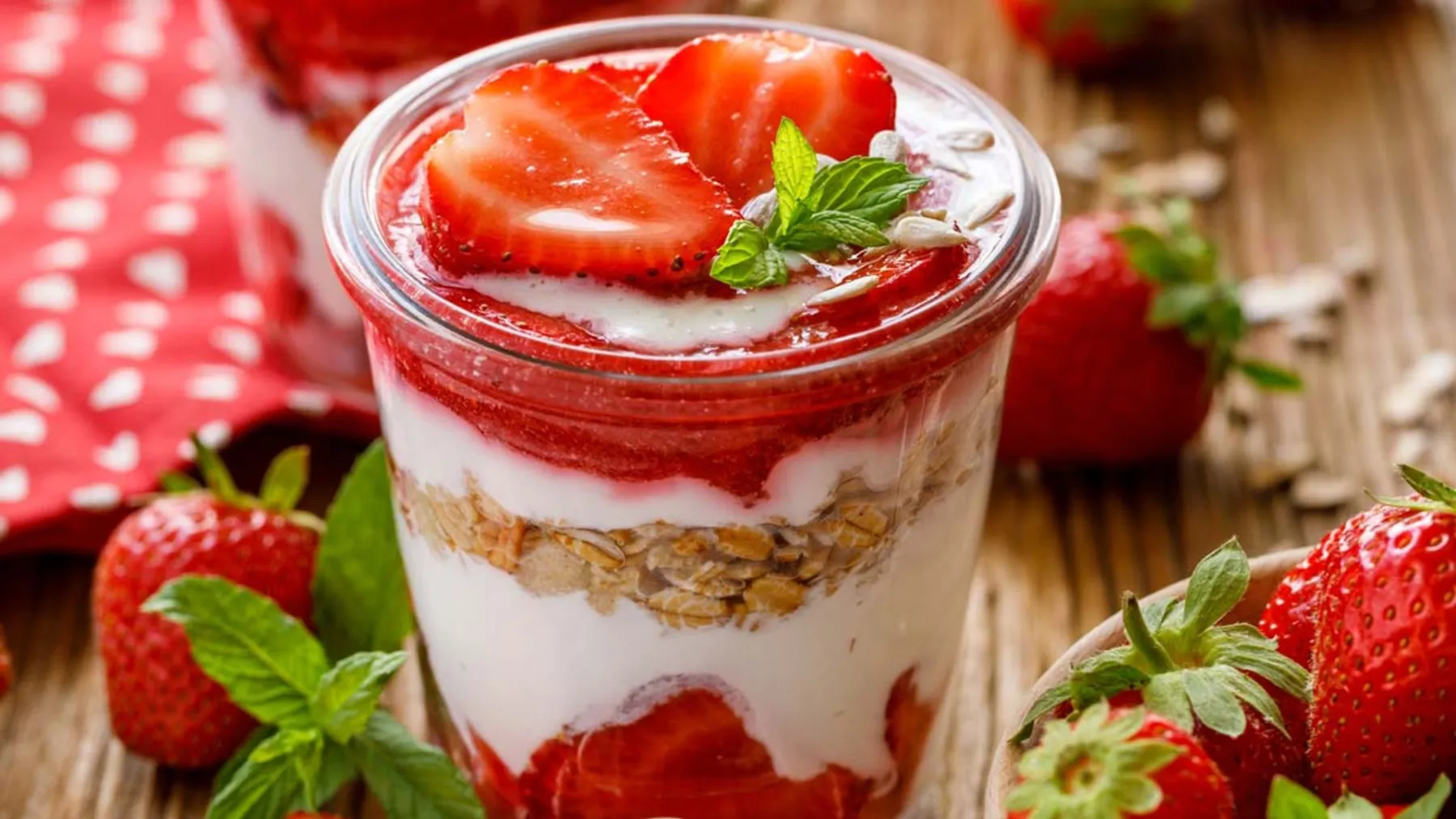
Cream with 35 per cent fat, ice-cold from the freezer. Greek yogurt without sugar. Nothing more is needed - and...

Perimenopause lasts 4 to 10 years and is not only a hormonal change - it's a global reorganisation of the...

Sliced, not crushed garlic. Extra-virgin olive oil, not sunflower. The flour many people skip - that is the difference between...
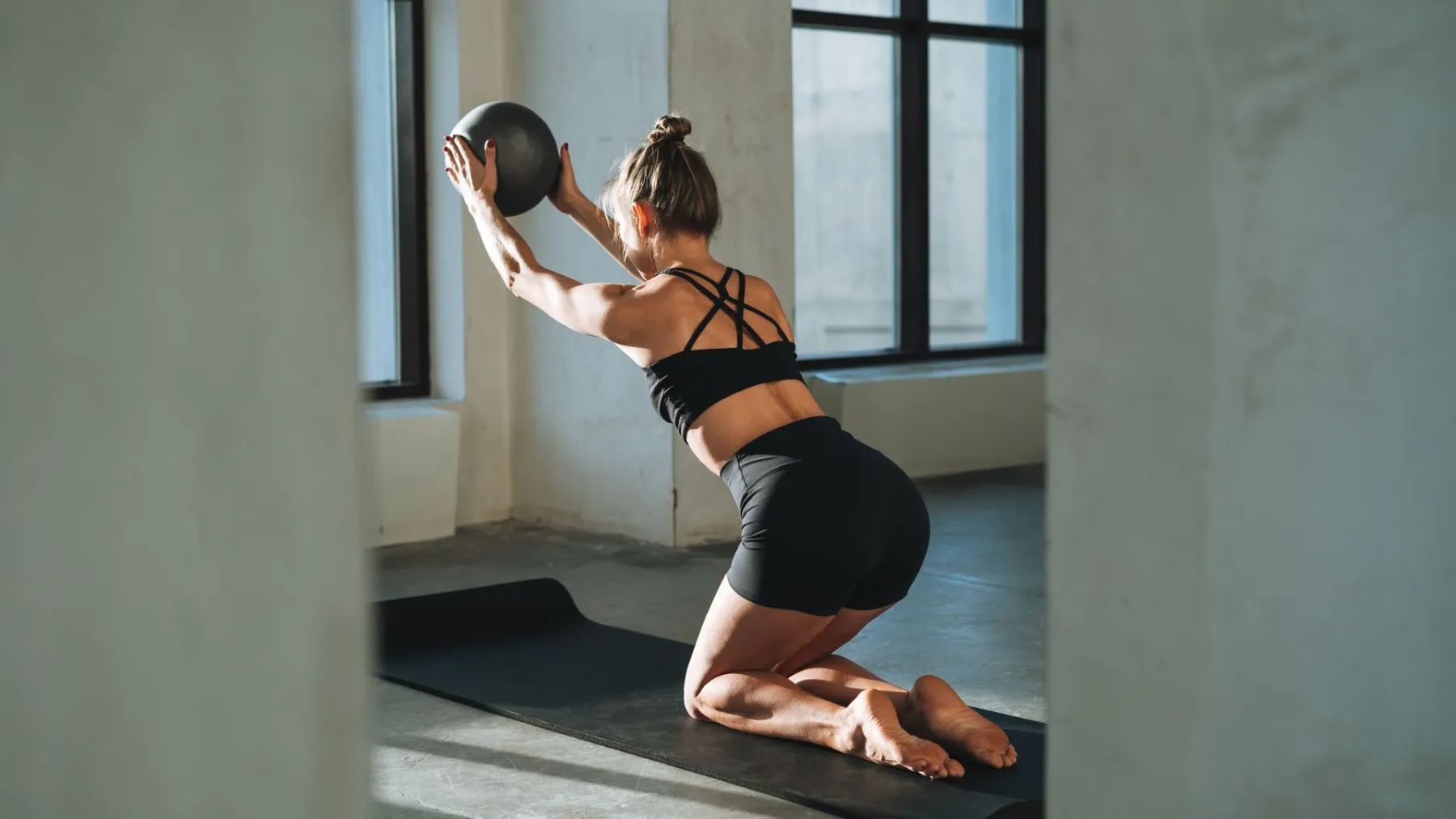
The pelvic floor weakens with the drop in estrogen - in all women, not just those who've had children. The...
Four ingredients, one inspiration from Nobu Matsuhisa, a ritual for spring 2026. Green asparagus at the market, white miso paste...