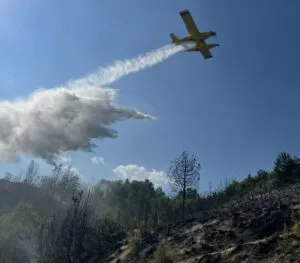
15 Wildfires in One Day, 23 in 24 Hours: And Once Again It Is the Landfills That Are Burning
12.08.2026


12.08.2026
12.08.2026

12.08.2026
12.08.2026
11.08.2026
10.08.2026

12.08.2026

12.08.2026

11.08.2026

12.08.2026

12.08.2026

12.08.2026

12.08.2026

11.08.2026

10.08.2026

12.08.2026

12.08.2026

12.08.2026

12.08.2026

12.08.2026

12.08.2026

09.03.2026

27.02.2026

19.02.2026
12.08.2026
11.08.2026
10.08.2026

23.04.2026

23.04.2026

12.04.2026
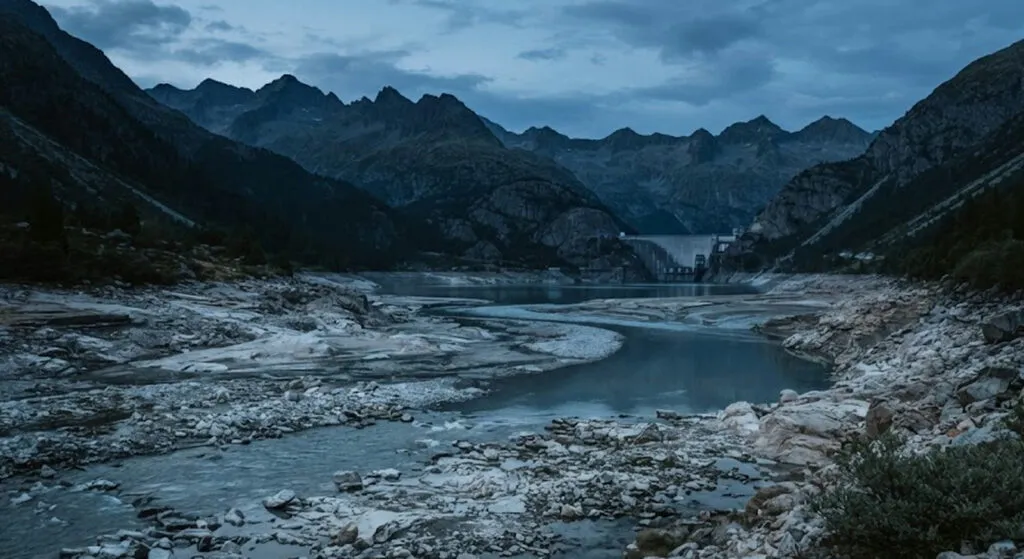
Vucic said Serbia is considering the possibility of diverting the Ibar. The reason: the demolition of Serbian houses and holiday homes around Gazivode, in northern Kosovo. The reply from Brussels was not slow in coming, and it was as cold as expected - statements about altering river courses, it said, do not contribute to normalising relations between Belgrade and Pristina.
The wording is diplomatic. The meaning is not. When a state publicly starts weighing water as an instrument of pressure, the river stops being geography and becomes a lever.
What is actually on the table
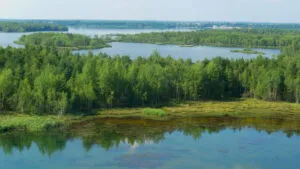
The Ibar runs for around 270 kilometres. It rises in Montenegro, passes through Serbia, enters Kosovo where it fills Lake Gazivode - two thirds of the lake sits on Kosovo territory - and then flows back into Serbia. That is the whole story in one sentence: the water belongs to nobody entirely, and everybody needs it.
Seven municipalities depend on that lake for water supply and irrigation. So does the cooling system of the thermal plants in Obilic, which produce most of Kosovo's electricity. So this is not a symbolic move. Diverting the Ibar would mean pressure on drinking water, on farming and on the lights, all at once.
Experts assess the undertaking as technically feasible but extremely expensive. And that is where the second question starts - why say out loud something nobody is going to pay for?
The law exists, the question is who reads it
Such a move would collide with the principles of international law on transboundary waters and with the 1997 UN Convention on the Non-Navigational Uses of International Watercourses - a document Serbia signed itself. That is an inconvenient detail for anyone wanting to open the subject.
Brussels is holding the other end at the same time. It earlier expressed concern over the demolitions near Gazivode, which it judged legally questionable, and recalled that any coercive measure with irreversible consequences must follow prescribed procedure. Owners, the EU says, must be given legal protection and interim judicial protection before the excavator arrives.
So we have demolitions carried out without waiting for judicial protection on one side, and a threat against the river on the other. Both sides use the same vocabulary - law, procedure, legitimacy - and both use it only when it suits them.
The Balkans know this scene by heart
Nobody here is inventing a new tactic. When political conversation gets too tight, somebody reaches for whatever can physically be closed - a border crossing, a gas pipeline, a power line, and now a riverbed. It is a language every citizen in the region understands without translation, because the consequences are paid by them, not by whoever said the sentence.
And here is the ugliest part: normalisation between Pristina and Belgrade is a condition for both sides' progress towards the EU. So Brussels says dialogue is mandatory, and both sides find a new reason to postpone it every month. How many times does the same scene have to repeat before somebody responds with more than a press statement?
The Ibar will most likely not be diverted. But the sentence saying it could be - that has already been sent, read and remembered. And that was the whole point.
The latest 10 news from this category
He was met by the energy minister, not the president. Serbia gets confirmation on Kosovo, Ukraine gets ammunition - and...
For four years the flag stood in central Pristina as a sign of solidarity. Zelensky confirmed Ukraine does not recognise...
Russia called the cooperation between Albania, Croatia and Kosovo a threat to regional security. Macedonia appears nowhere in the statement...

Belgrade's argument is not new, but the context is. Territorial integrity suddenly became the West's highest value - after Russia...
Zelensky's first official visit to Belgrade, and one sentence carried the whole logic of the meeting. Two presidents, the same...
The Ukrainian president came for infrastructure and jobs and left with a memorandum on food safety. His host announced a...
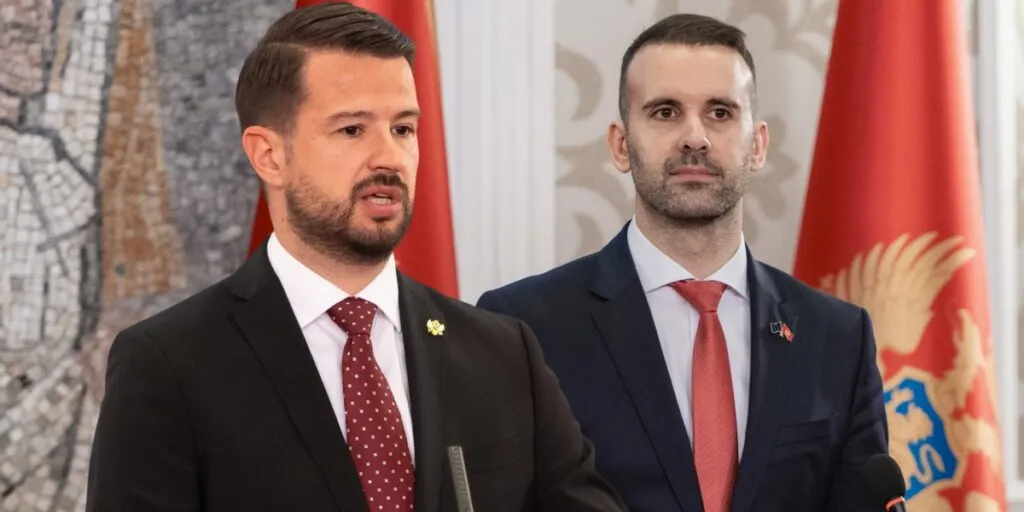
The declaration on military cooperation is real and public. Podgorica joining it has been confirmed by nobody. The difference between...

Smiling, no tie, a grilled kebab in front of him. Except the man wandering the festival lost power in April...

Zelensky's first bilateral visit to Serbia, the country that has not imposed a single sanction on Moscow. The German press...
No law requires the resignation - Vučić is offering it himself. Except the office is what gets vacated, while the...
This site uses cookies - is that okay? Learn more
Be the first to know when Metla launches something new
Leave your email and we will write when there is a new guide or something new on Metla.