

Studeničani: 35-year-old dies after being electrocuted while washing his car with a pressure washer
18.09.2026


18.09.2026
18.09.2026
18.09.2026
18.09.2026
18.09.2026
18.09.2026
18.09.2026
17.09.2026
16.09.2026
18.09.2026
18.09.2026

17.09.2026

18.09.2026

18.09.2026

18.09.2026
18.09.2026
17.09.2026
16.09.2026
18.09.2026

18.09.2026
18.09.2026

18.09.2026
17.09.2026
17.09.2026

09.03.2026

27.02.2026

19.02.2026
18.09.2026
17.09.2026
16.09.2026

23.04.2026

23.04.2026

12.04.2026

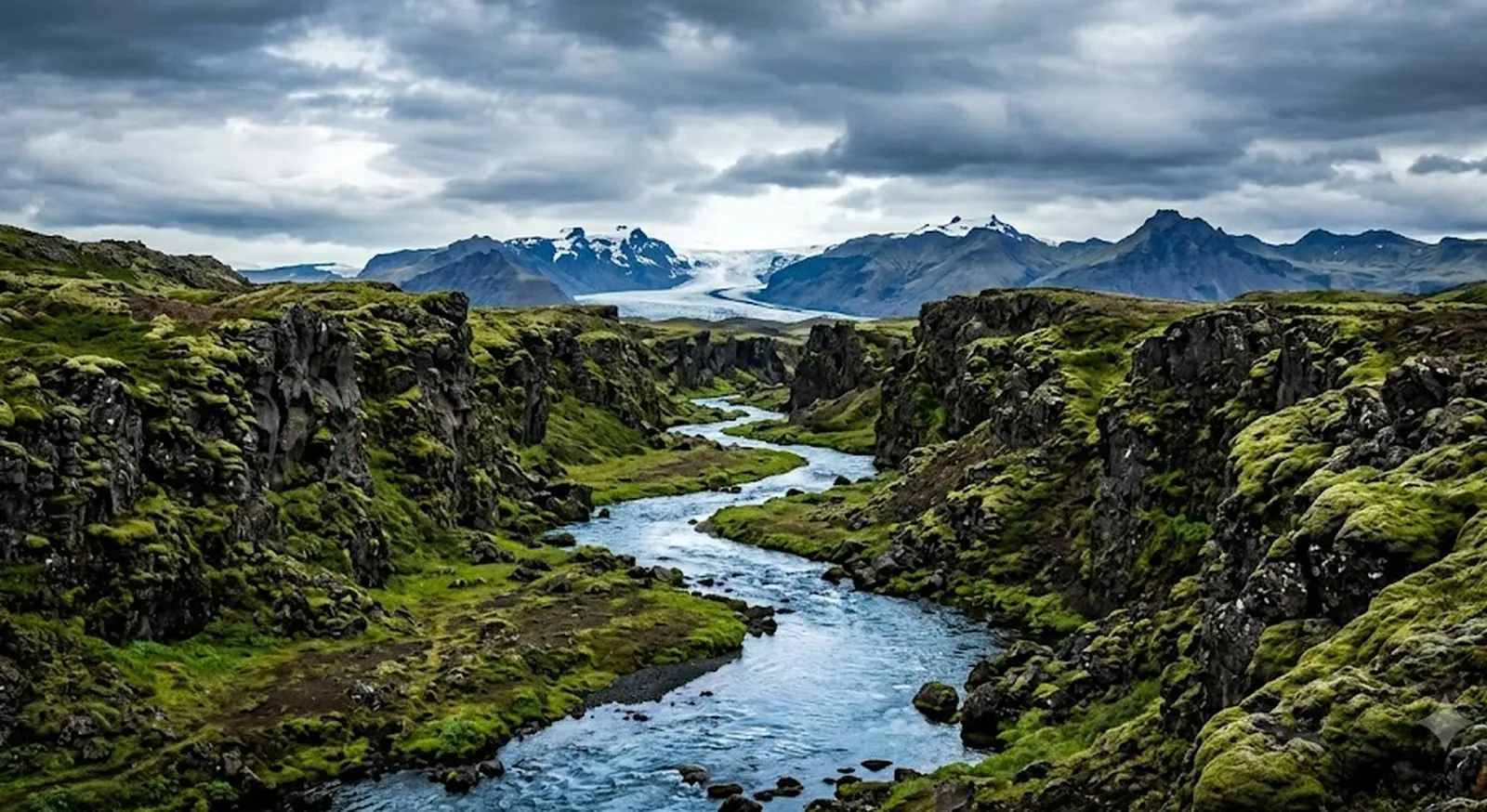
There are places that look as if nature still hasn't finished creating them. Iceland is exactly that - an island where the earth literally cracks apart, ice and volcanoes share the same landscape, and new pieces of land rise from the ocean before our eyes. Three of its treasures have been declared World Heritage by UNESCO, and each tells a completely different story.
The first is Þingvellir national park. Here, in the year 930, the Althing was founded - one of the oldest parliaments in the world. But the park matters not only for history: it sits right at the meeting point of two tectonic plates, the North American and the Eurasian, so the visitor literally walks between two continents through visible fissures. About 45 kilometers from Reykjavik, it's part of the famous Golden Circle route, with the crystal-clear Silfra fissure where you dive between two worlds.
The second is Vatnajökull, the country's largest national park, covering about 14 percent of Iceland's territory and becoming World Heritage in 2019. Its magic is in the contrast - giant ice on one side, active volcanoes on the other. Subglacial volcanic activity constantly reshapes the landscape, and visitors come for the blue ice caves, the Svartifoss waterfall ringed by basalt columns, and the Jökulsárlón glacial lagoon with its floating chunks of ice.
The third is the most unusual - the island of Surtsey, which didn't exist before 1963. It rose from the ocean after a volcanic eruption that lasted for years. Today it's closed to the public and accessible only to scientists, because it's a living experiment: how life conquers virgin land from scratch, from bacteria and plants to birds and insects, with no human hand interfering.
For a Balkan traveler used to crowded beaches and the same destinations, Iceland is a reminder that there are places where nature still calls the shots and the human only watches. It's not cheap and it's not close - but some landscapes aren't measured in the price of a plane ticket, but in how long they stay in your head after you return.
The latest 10 news from this category
The royal couple walked yesterday into a pub the village bought back for itself. How many buildings like that sit...

Of twenty-five new inscriptions, five are natural - and only one is in Europe. For the richest of them, the...
Fifty beaches, more than 120 villages and a trail France voted its favourite. Monet came for a few days and...
Restored carriages, a locomotive they call the Japanese Woman and a 28.95 euro return ticket. What it sells is not...
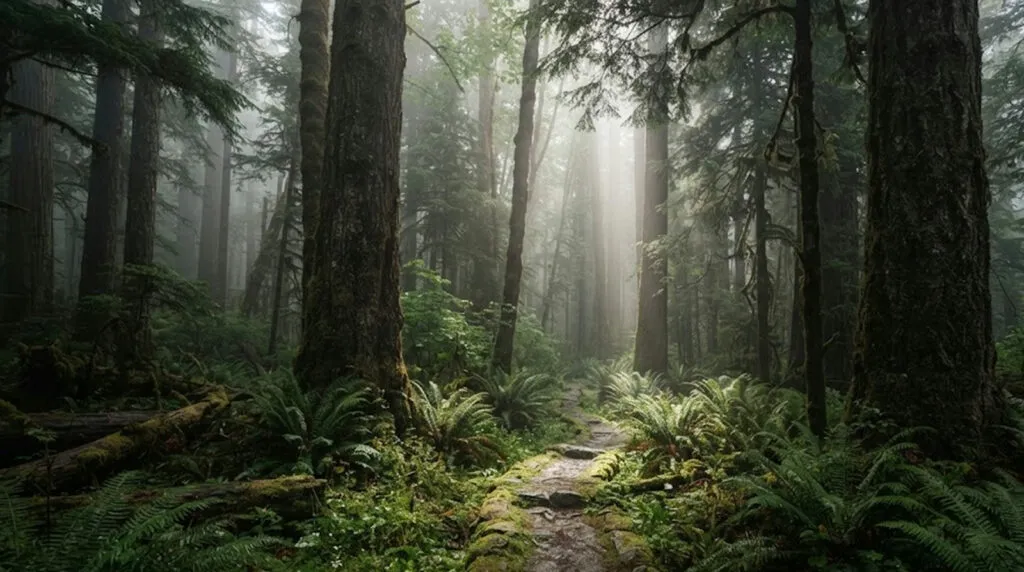
Two hundred and fifty tree species from every corner of the world, a monastery from 1628 and a palace that...
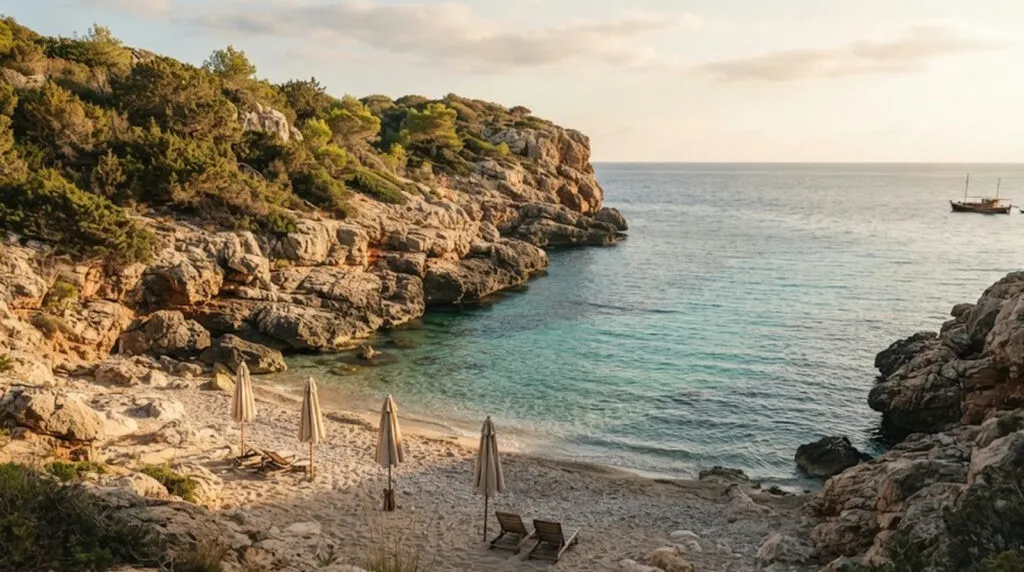
The same places cost more in August, look crowded and are experienced at half strength. The difference is made by...
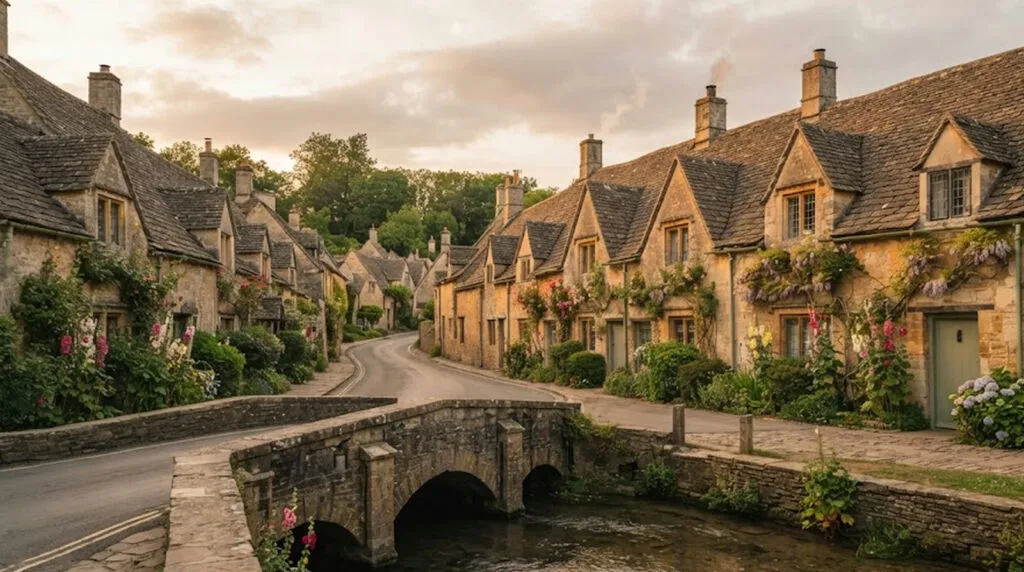
The Beckhams have a place there, so do Kate Moss and Ellen DeGeneres. But the Cotswolds needs none of those...

Down on the coast the buses pass each other with centimetres to spare and all you see is people. Up...
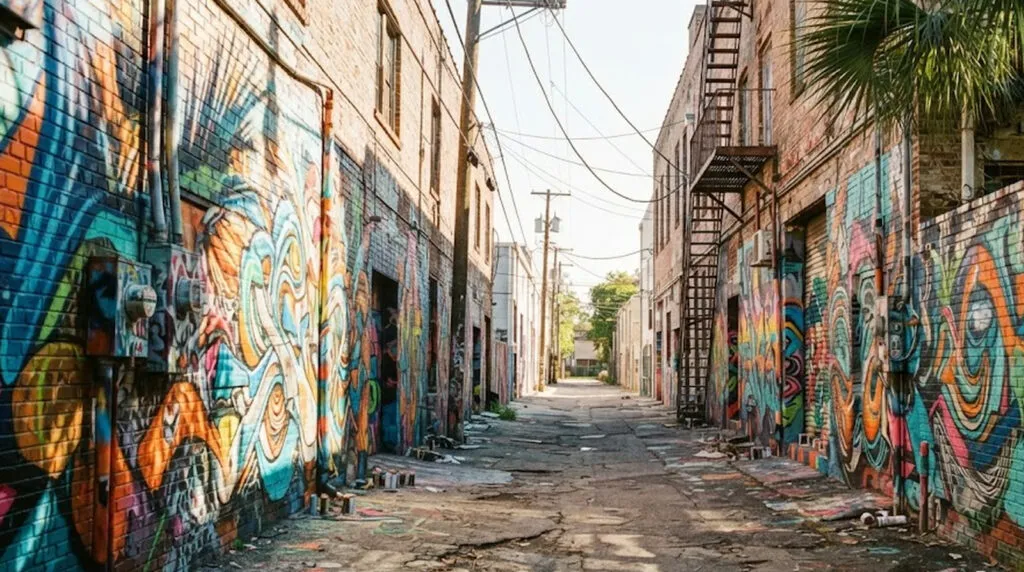
Empty warehouses, low rents and one real estate developer. A model we know without flying to Florida.
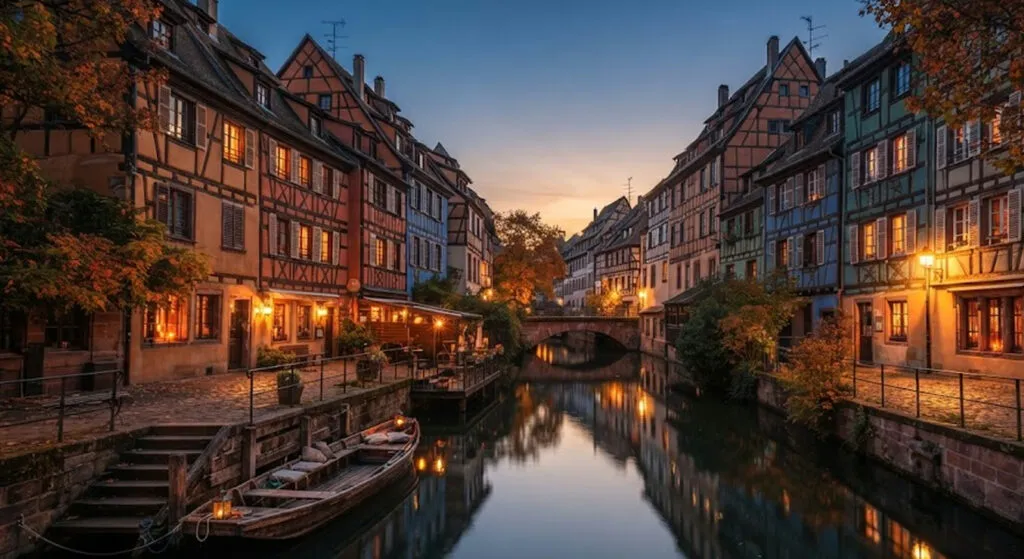
Old tanners' and dyers' workshops, built directly over the river. From 10 to 13 September the town puts boats and...
This site uses cookies - is that okay? Learn more
Be the first to know when Metla launches something new
Leave your email and we will write when there is a new guide or something new on Metla.
