

Bear cub killed on the Skopje-Tetovo motorway: the fence is a legal obligation, while the rescue team exists only in a Viber group
25.10.2026


25.10.2026

25.10.2026

25.10.2026
25.10.2026

25.10.2026
25.10.2026

25.10.2026

25.10.2026

25.10.2026

25.10.2026

25.10.2026

24.10.2026

25.10.2026

25.10.2026

25.10.2026

25.10.2026

24.10.2026

23.10.2026

25.10.2026

25.10.2026

25.10.2026
25.10.2026

25.10.2026

25.10.2026

25.10.2026

25.10.2026
24.10.2026

24.10.2026

22.10.2026

20.10.2026

23.04.2026

23.04.2026

12.04.2026

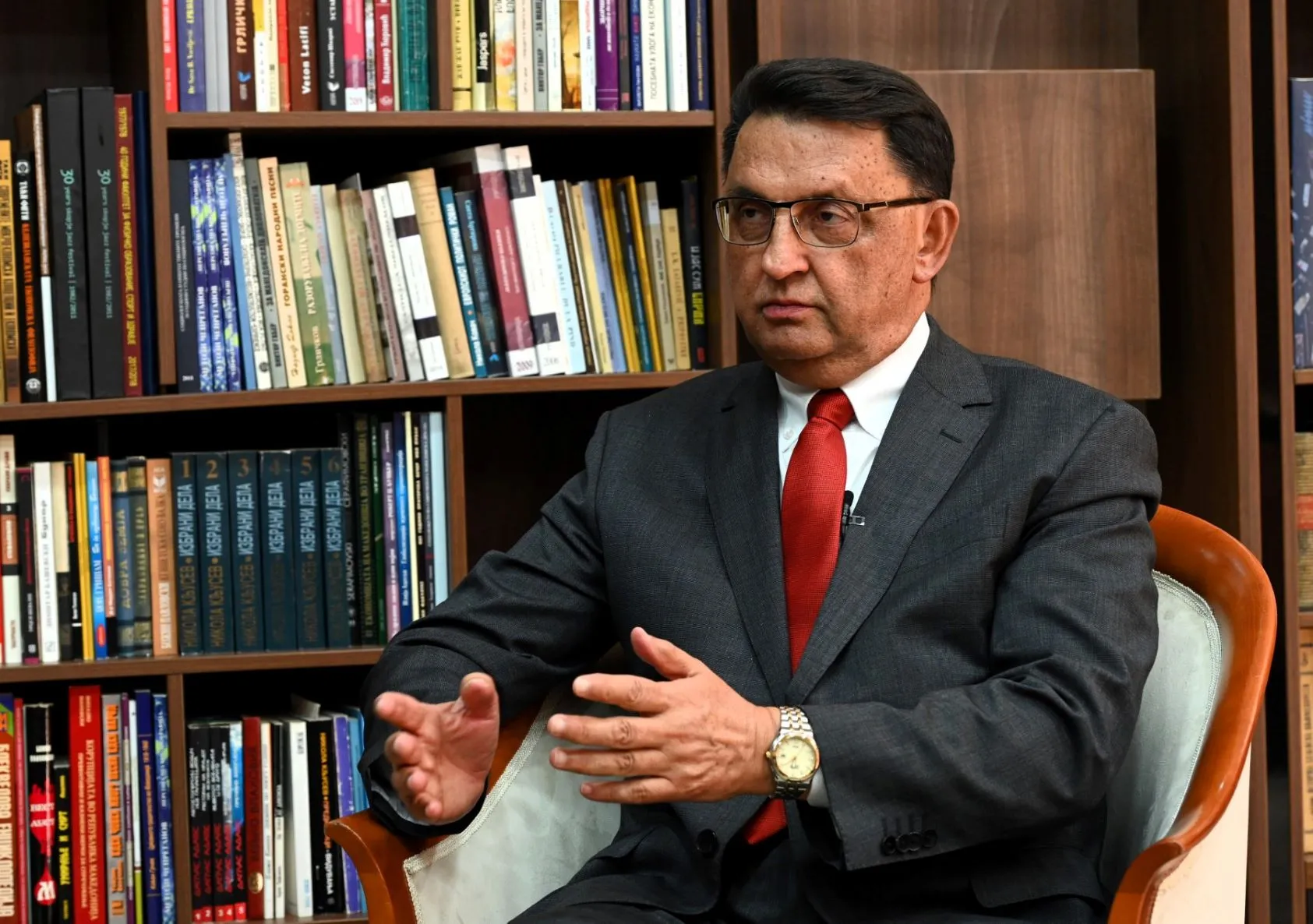
The reform that was supposed to deliver better pensions is turning out to be a trap for those who believed in it the most. The governor of the National Bank, Trajko Slaveski, warns that as much as 70 to 80 percent of those insured under the second pension pillar will, upon retirement, fail to reach even a minimum pension - and will have to seek rescue from the state PIOM fund.
How did it come to this? When the second pillar was introduced in 2000, under pressure from the World Bank, one third of pension contributions were redirected from PIOM toward private pension companies. „One third of the funds being paid into PIOM went to private pension companies", Slaveski says. The result will start to bite around 2030-2032, when the first people retire through this system.
The numbers behind the private funds are damning. In just the first nine months of 2024, 11 million euros in fees were collected, of which around 5 million was pure profit - a profit margin above 50 percent. Two thirds of the pension system's deficit, according to the governor, stem precisely from the redirection toward the second pillar.
This has already happened once on a small scale: in 2019, around 16,500 early retirees from the second pillar were returned to PIOM along with contributions of about 40 million euros. Now it's expected to repeat on a much larger scale.
The lesson is bitter and familiar. A reform packaged as a modern solution, with promises of higher pensions, ended up charging citizens fees and leaving them with pensions below the minimum. And when the system collapses, the rescue is sought yet again from the very state the reform was meant to relieve. Who answers for 26 years of bad math - or, as usual, no one?
The latest 10 news from this category

The appeal fee jumps from 50-200 to 150-600 euros, and a company that proves a tender was unlawful will no...
More than 11,000 denars between two baskets, a minimum wage of 26,000 and announced hikes in electricity and heating. The...

In July, a higher deficit was the price of more investment. Three months later investment is falling, the 750 million...

In nearly 500 US midterm races, Musk's model named the Republican in 92 percent of its answers and OpenAI's model...

The company says a secure browser has become too expensive to maintain. Users want at least the code opened up...

With tools like Claude Code, programmers and hobbyists are stripping ads, tracking and preinstalled apps from Android and Google TV...

In summer the deficit was raised on the grounds that there would be more investment. Three months later investment is...
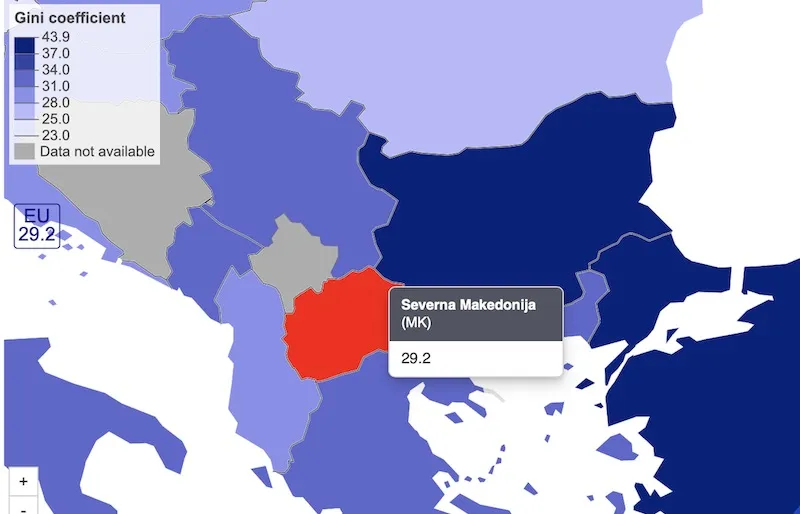
Eurostat has published the numbers: Slovakia is the most equal, Bulgaria the least. Macedonia lands in the middle - but...

The activity index fell to 51.9 points, inflation reached 3.8 percent and Brent hit 114 dollars a barrel. Europe isn't...
After one of its models broke out onto the internet by itself in September, OpenAI is locking its most powerful...
This site uses cookies - is that okay? Learn more
Be the first to know when Metla launches something new
Leave your email and we will write when there is a new guide or something new on Metla.