
Six Years of Fake Licence Categories Issued From an Interior Ministry Desk: Six Charged, 21 More Under Investigation
21.09.2026


21.09.2026

21.09.2026

21.09.2026

21.09.2026

21.09.2026

21.09.2026

21.09.2026

20.09.2026

20.09.2026

21.09.2026

21.09.2026

20.09.2026

21.09.2026
21.09.2026
21.09.2026

21.09.2026

20.09.2026
19.09.2026

21.09.2026

21.09.2026

21.09.2026

21.09.2026

21.09.2026

21.09.2026

09.03.2026

27.02.2026

19.02.2026

21.09.2026

21.09.2026

20.09.2026

23.04.2026

23.04.2026

12.04.2026


Today you buy a white shirt with a romantic cut for a few thousand denars and wear it with jeans on a Saturday afternoon. Some four hundred years ago, that same white shackle around the neck meant you belonged to those who don't work with their hands - and that was the whole point.
In the Spanish Golden Age, a white shirt with a lavish collar was an exclusive mark of nobility. The obsession was focused on the gorget - an ornamental jewelled collar - and later on the pleated ruff, which required time, money and a whole army of people to maintain. It wasn't the fabric that was the luxury, but the effort behind it.
And the effort was the real status symbol. The collars were made of expensive lace and required specialised craftsmen - "collar setters" - who starched and pleated them with metal moulds. Keeping the white flawless was nearly impossible: it required a rare blue-white bleaching powder monopolised by the Dutch East India Company, so a black market for it even formed in Spain. The white collar was literally bought from smugglers.
And here comes the best part. The heavy collars required metal frames that held the neck upright and simply did not allow physical work - if you wear such a collar, you cannot bend over anything. Designer Lorenzo Caprile notes that it was precisely this forced posture that created the stereotype of the "haughty Spanish gentleman". By 1600 the collars had reached such proportions that art historians today can date a painting to within five years just by their width.
It all ended when in 1615 King Philip IV replaced the lavish collars by decree with flatter cuts - a fashion abolished by signature. All that remained was the white shirt, which today we wear with no idea that it was once a border between those who work and those who watch others work. The next time you take it out of the wardrobe, remember that it was once proof that you have no need to dirty your hands.
The latest 10 news from this category
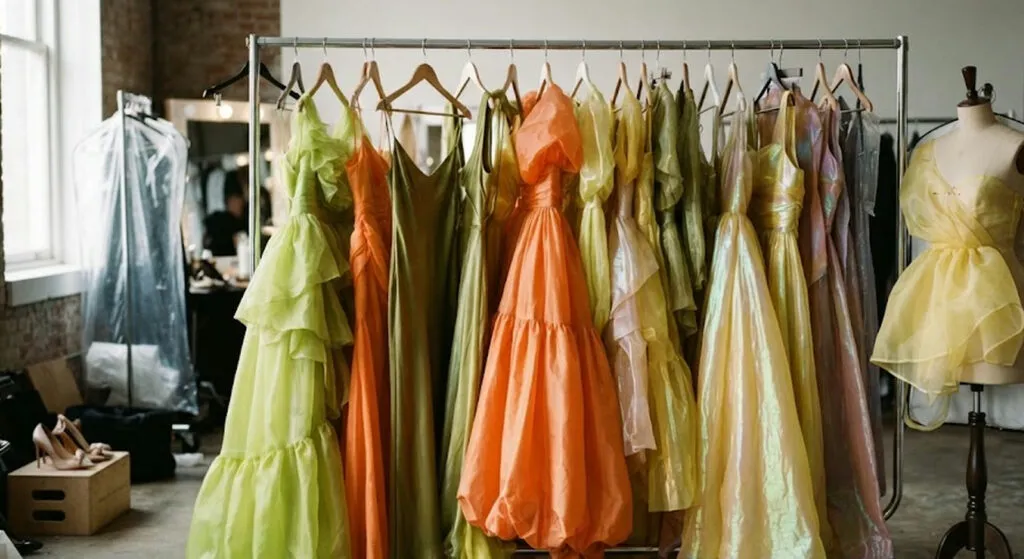
Three days in a lab coat with colorimetry scientists to produce a collection in lime and tangerine. The design director...
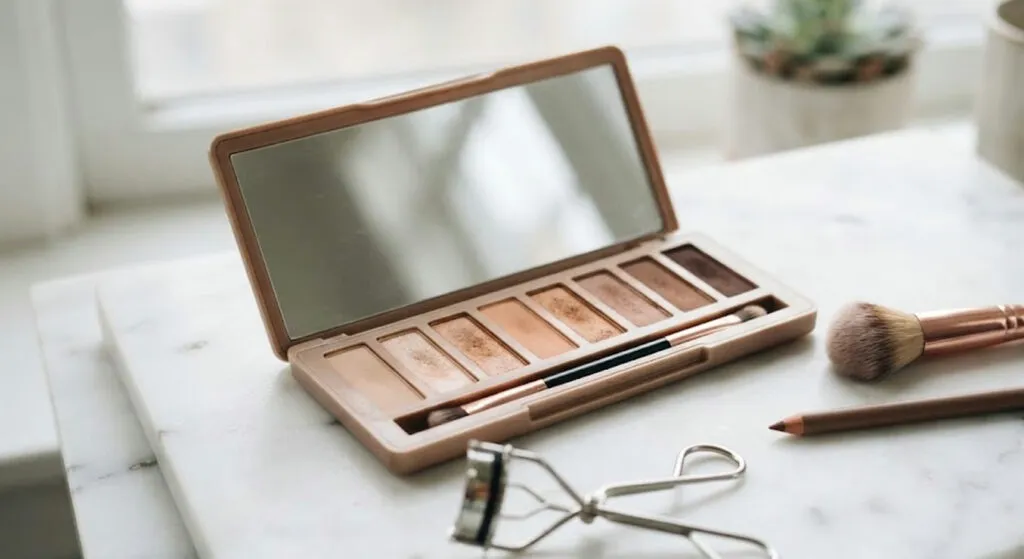
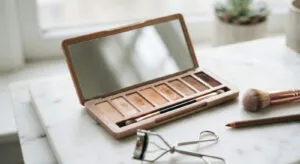
Cream concealer instead of powder, a brown pencil instead of black eyeliner, and a curler before the mascara. Not one...
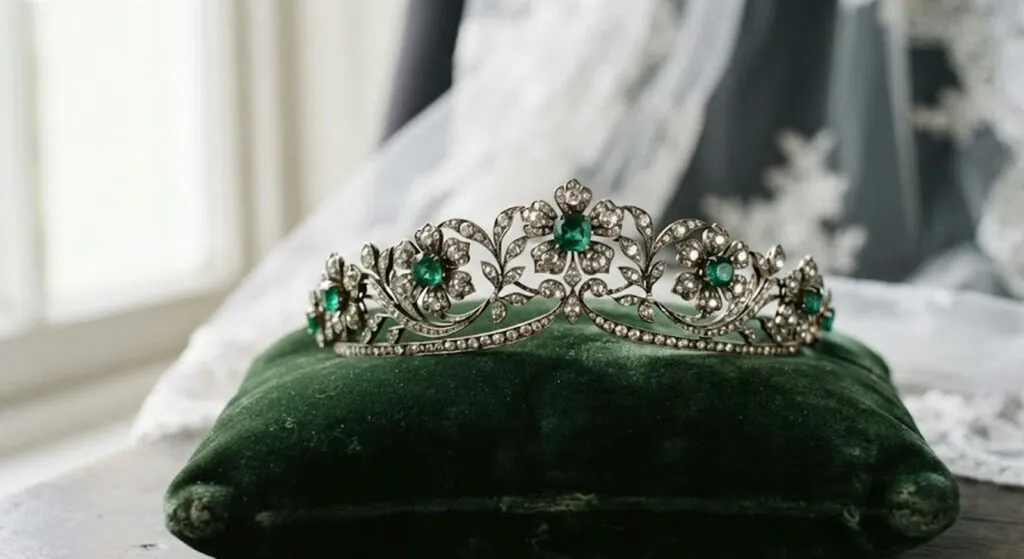
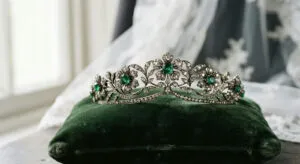
A boat-neck gown and wildflowers that deliberately refuse to compete with the jewellery. A fourth generation under the same diadem,...

A communications expert says the trouser suit sidesteps sexist readings of hemlines and necklines. The same expert warns that the...

Dermatologists explain why the shedding arrives with a two to three month delay and why iron and vitamins do not...

Silk bambula muslin, a hand-draped waist and a veil of crystal organza. The wedding was held in Cadiz, where the...

An industry that spent decades selling a flawless illusion is suddenly showing the shoot itself. That is not candour -...

The classic bob promised one perfect day. This version works against the salon business model - and that alone is...
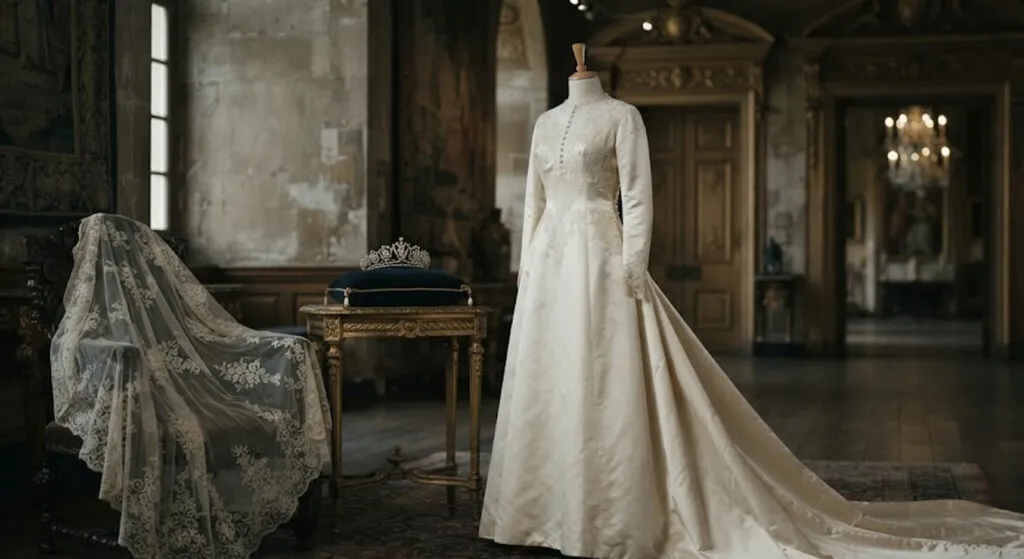
The crowns were held by four men who would all later sit on thrones of their own. Nobody in that...
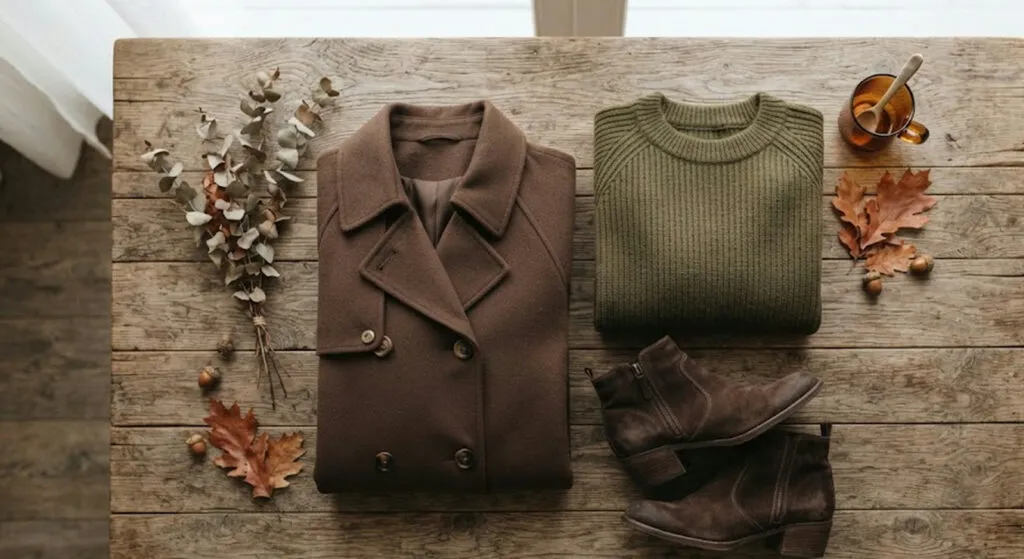
Kate Middleton dropped the beige and the same cut suddenly looked twice as expensive. The industry sells a new silhouette...
This site uses cookies - is that okay? Learn more
Be the first to know when Metla launches something new
Leave your email and we will write when there is a new guide or something new on Metla.