Two Schoolyard Assaults Reported in a Single Day: the Police Promised Measures, the Education System Said Nothing
19.09.2026


19.09.2026

19.09.2026
19.09.2026

19.09.2026

19.09.2026
19.09.2026
19.09.2026
18.09.2026

17.09.2026

19.09.2026

19.09.2026

18.09.2026

19.09.2026
19.09.2026
19.09.2026
19.09.2026
18.09.2026
17.09.2026

19.09.2026

19.09.2026

19.09.2026
19.09.2026

19.09.2026
18.09.2026

09.03.2026

27.02.2026

19.02.2026
19.09.2026

18.09.2026
17.09.2026

23.04.2026

23.04.2026

12.04.2026

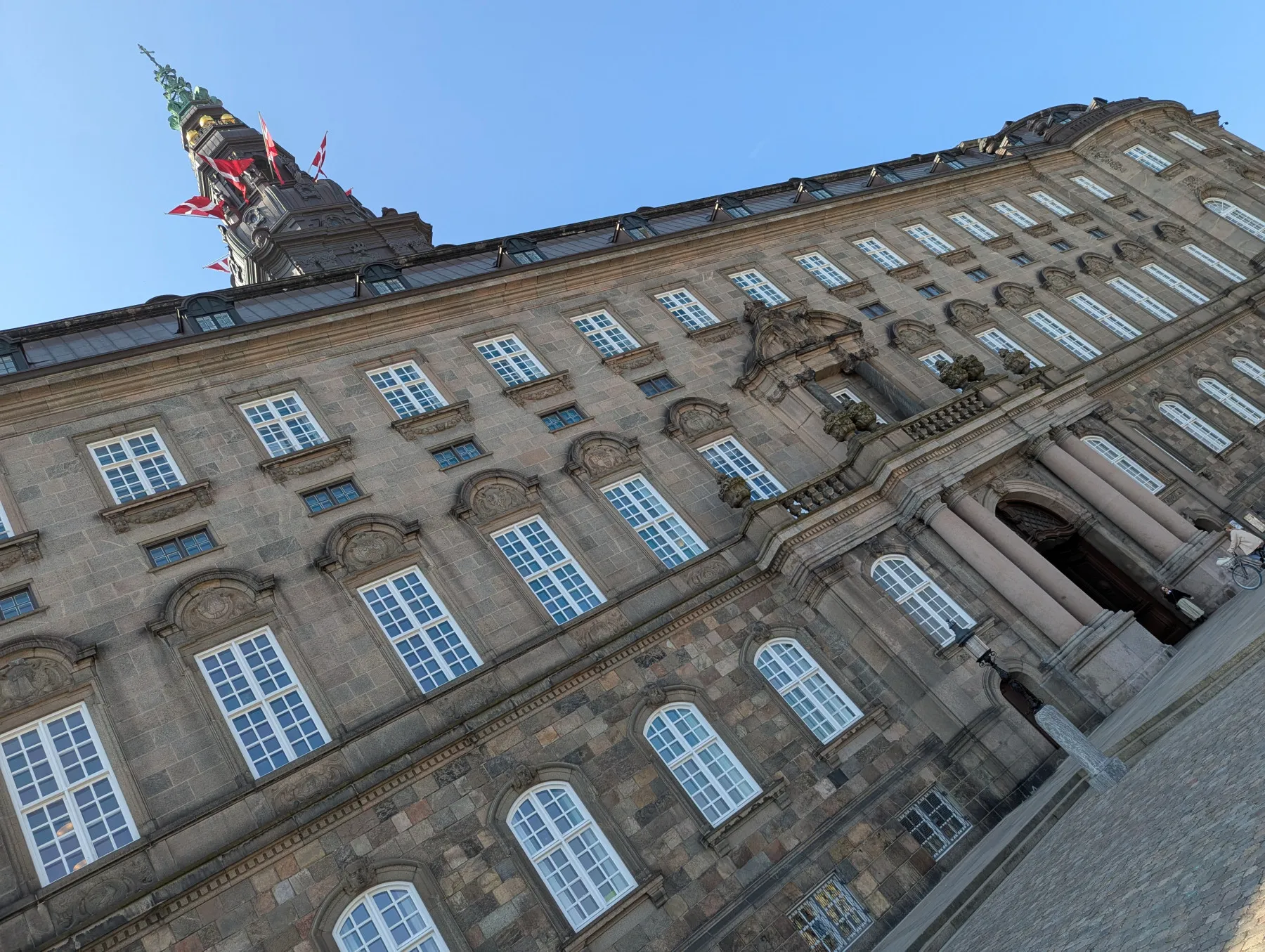
There are palaces built for the crown, and palaces built for the state. Christiansborg in Copenhagen is the rare case that is both - under one roof sit the Danish parliament, the prime minister's cabinet and the Supreme Court, and in the same halls the king holds state ceremonies. When one building holds both the law and the crown, a walk through it is history and politics in a single ticket.
The story begins long ago - in 1167, when bishop Absalon raised a fortress on the little island of Slotsholmen. Since then, castles and palaces changed on the same spot until the most lavish in the kingdom was built. A great fire in 1794 drove the kings to the neighbouring Amalienborg, but Christiansborg remained the heart of state events. It was right here, recently, that Queen Margrethe II abdicated and Frederik X was proclaimed king - a generational handover carried out within these walls.
For the visitor, there's more inside than a single day can manage to see. The Throne Hall and the Velvet Room, the Great Hall with Bjørn Nørgaard's tapestries that tell a thousand years of Danish history, the royal kitchens, the medieval ruins beneath the palace, the royal stables. At the top - the tower with the highest view over Copenhagen, from which you see Rundetårn, Nyhavn and Tivoli laid out as if on a palm.
In practical terms, the palace is 15 minutes from the colourful harbour quarter of Nyhavn, the nearest metro is Gammel Strand. Entry costs around 29 euros, guided tours around 33, and if you're planning more - the three-day Royal Palace Pass of around 46 euros also covers Amalienborg and Rosenborg.
The Balkan traveller, used to seeing fortresses as ruins on a hill, gets something different here - a living building where history isn't finished, but is still being written every time parliament sits. Not a museum where the past is under glass, but a place where the past and the present share an address.
The latest 10 news from this category
Every airport on the planet copies that model, and almost nobody knows where it started. Around it - cliffs 214...
The royal couple walked yesterday into a pub the village bought back for itself. How many buildings like that sit...

Of twenty-five new inscriptions, five are natural - and only one is in Europe. For the richest of them, the...
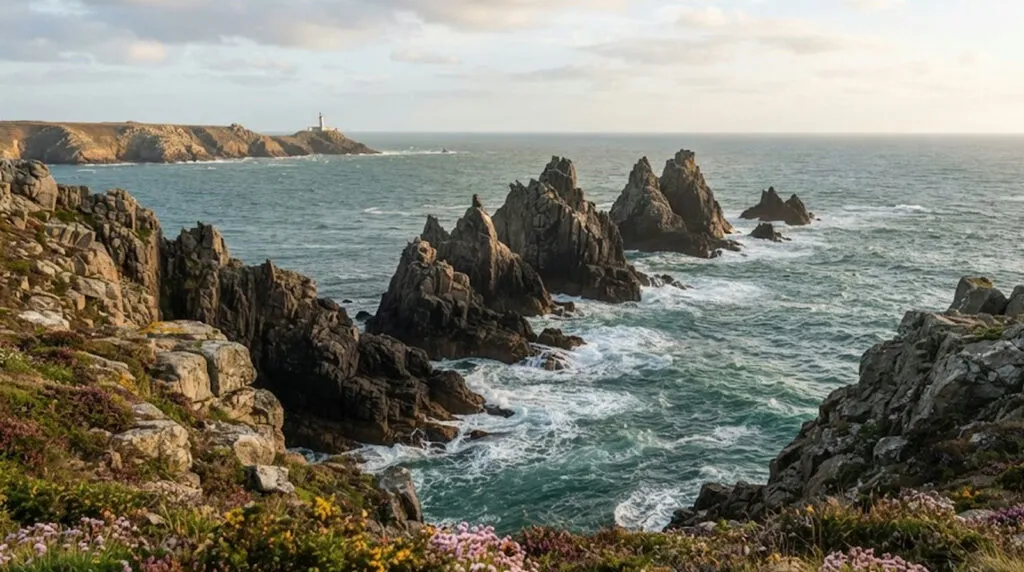
Fifty beaches, more than 120 villages and a trail France voted its favourite. Monet came for a few days and...
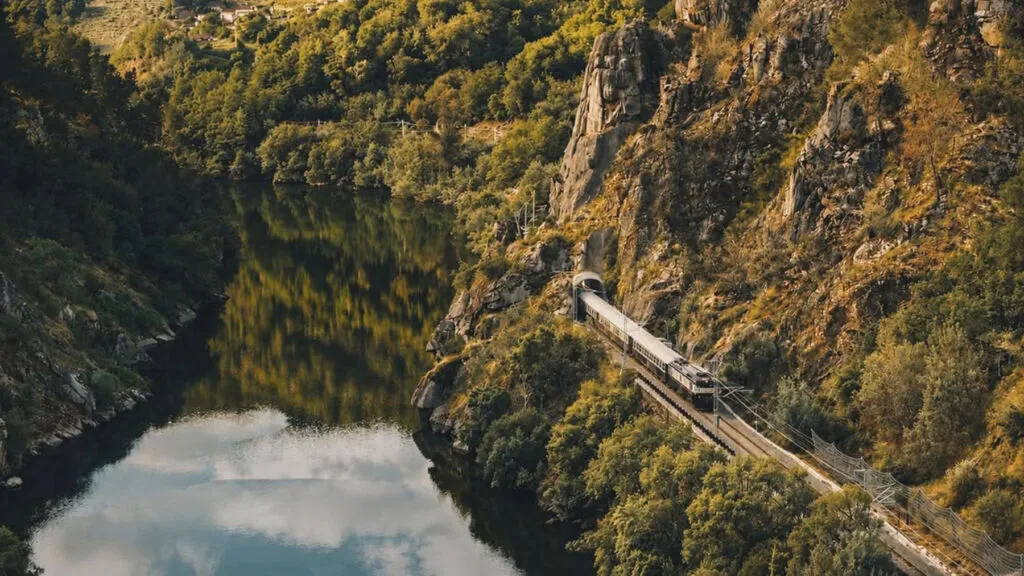
Restored carriages, a locomotive they call the Japanese Woman and a 28.95 euro return ticket. What it sells is not...
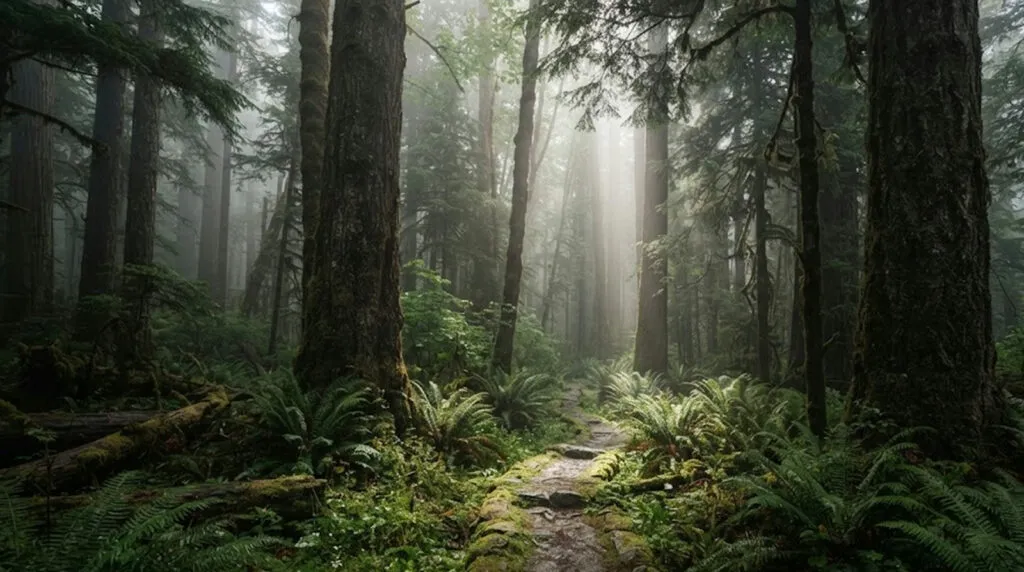
Two hundred and fifty tree species from every corner of the world, a monastery from 1628 and a palace that...
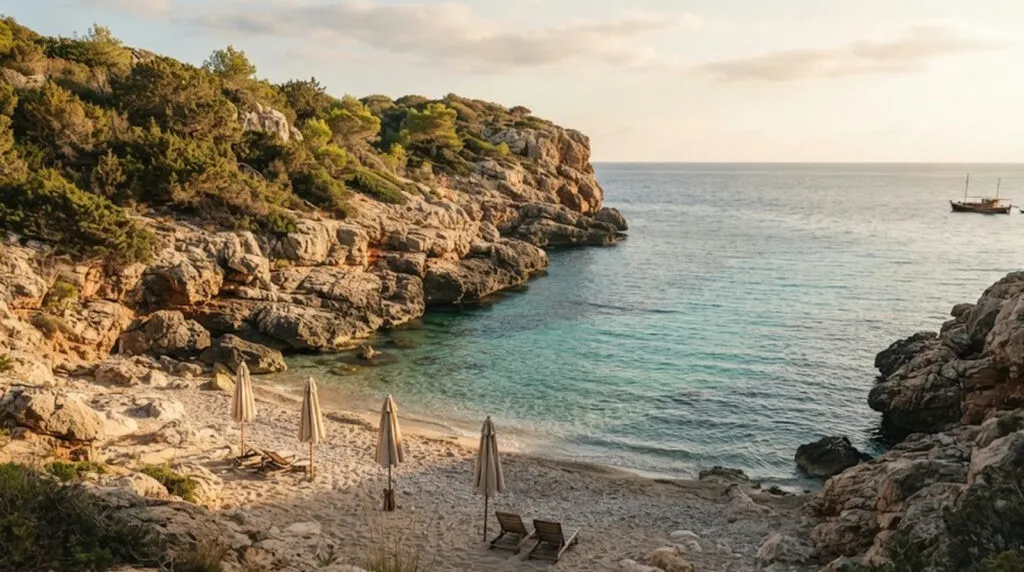
The same places cost more in August, look crowded and are experienced at half strength. The difference is made by...
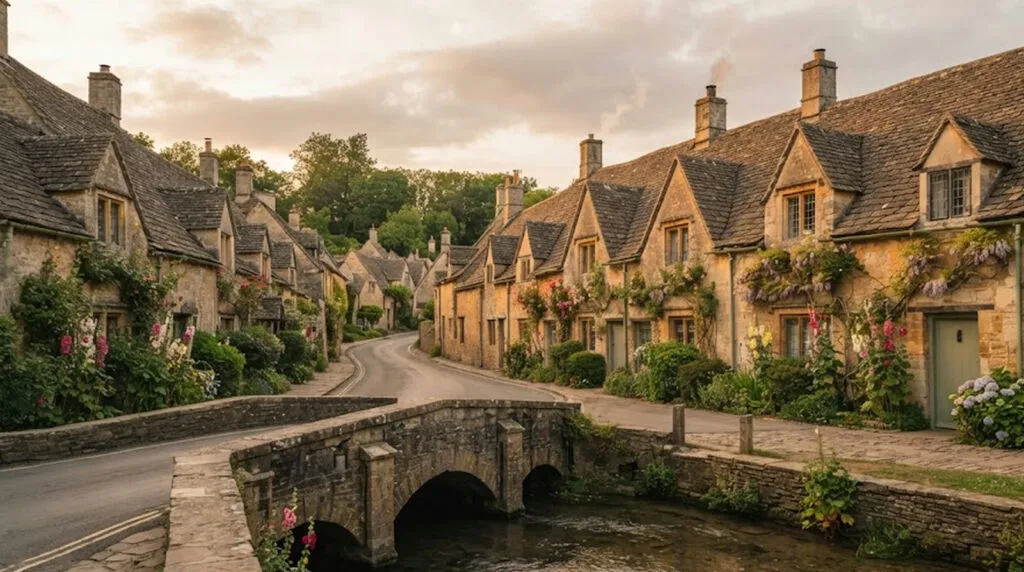
The Beckhams have a place there, so do Kate Moss and Ellen DeGeneres. But the Cotswolds needs none of those...

Down on the coast the buses pass each other with centimetres to spare and all you see is people. Up...
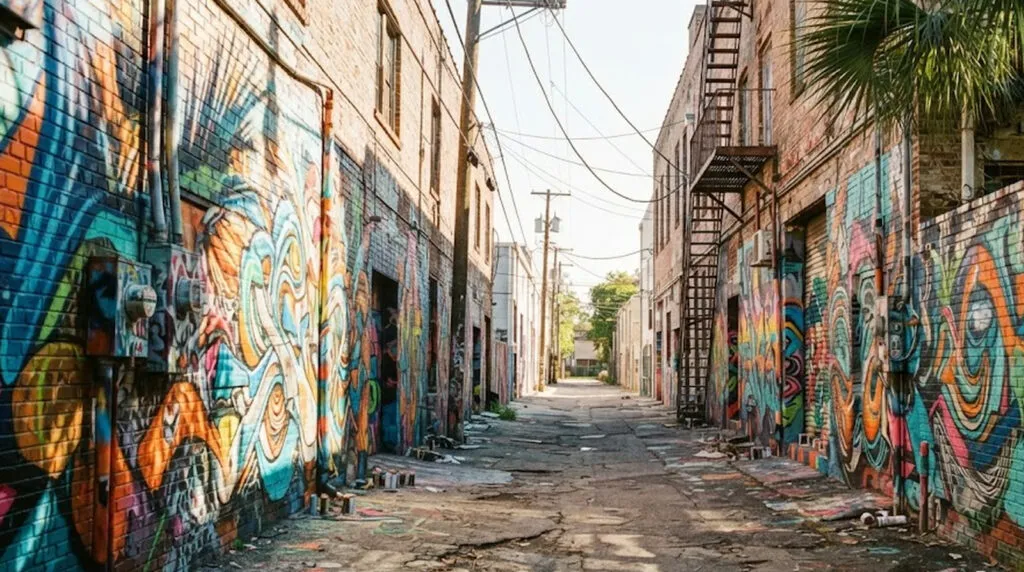
Empty warehouses, low rents and one real estate developer. A model we know without flying to Florida.
This site uses cookies - is that okay? Learn more
Be the first to know when Metla launches something new
Leave your email and we will write when there is a new guide or something new on Metla.