VMRO-DPMNE Brands Filipche a Radev "Agent": While the Labels Fly, the Constitution Debate Goes Nowhere
08.06.2026


08.06.2026
08.06.2026

08.06.2026

08.06.2026

08.06.2026

08.06.2026

07.06.2026

06.06.2026

05.06.2026

08.06.2026

07.06.2026

06.06.2026

08.06.2026

07.06.2026

07.06.2026

09.03.2026

27.02.2026

19.02.2026

14.04.2026

07.11.2025
07.11.2025

23.04.2026

23.04.2026

12.04.2026

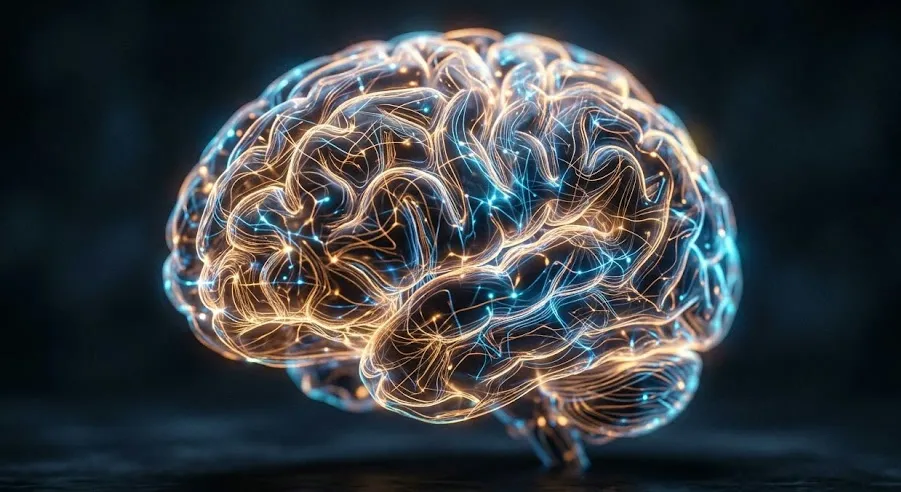
Good memory is the most recognizable sign of a healthy brain - but it's far from the only one. Neuroscience today sees the brain not as a hard drive for remembering, but as a living, changeable system that adapts to every experience. And it's in that capacity to adapt that most of what we call a "healthy mind" is hidden.
Experts list six traits a healthy brain shares, and what's interesting is that not one of them is "remembering everything." The first is adaptability - the ability to find a solution when things don't go as you imagined, instead of getting stuck. The second is curiosity that doesn't fade: learning a new language or skill builds what's called cognitive reserve, a protective layer the brain draws on later in life.
The third trait is managing emotions - not suppressing them, but the ability to feel them without being overwhelmed. The fourth is enjoying relationships with people; social bonds activate more processes in the brain at once and directly protect cognitive health. It's no cliché - loneliness harms the brain measurably.
The fifth is executive functioning: the ability to plan, to juggle multiple tasks, and to make decisions even when you don't know all the facts. The sixth, which many would overlook, is physical agility - balance, coordination, fast reaction. These depend on complex brain circuits, and when the body slows down, it's often the brain that gives the first signal.
As researcher Mara Dierssen explains, the brain is "a dynamic and plastic system that constantly changes with experience." Psychiatrist Marina Díaz Marsá adds that the brain is essential for consciousness, adaptation and interaction with the environment. The translation for the ordinary reader is encouraging: a large part of brain health isn't inherited - it's built, every day, by the choices you make.
The latest 10 news from this category

The secret isn't in the technique, it's in the fish. The less you add, the more the cod itself comes...
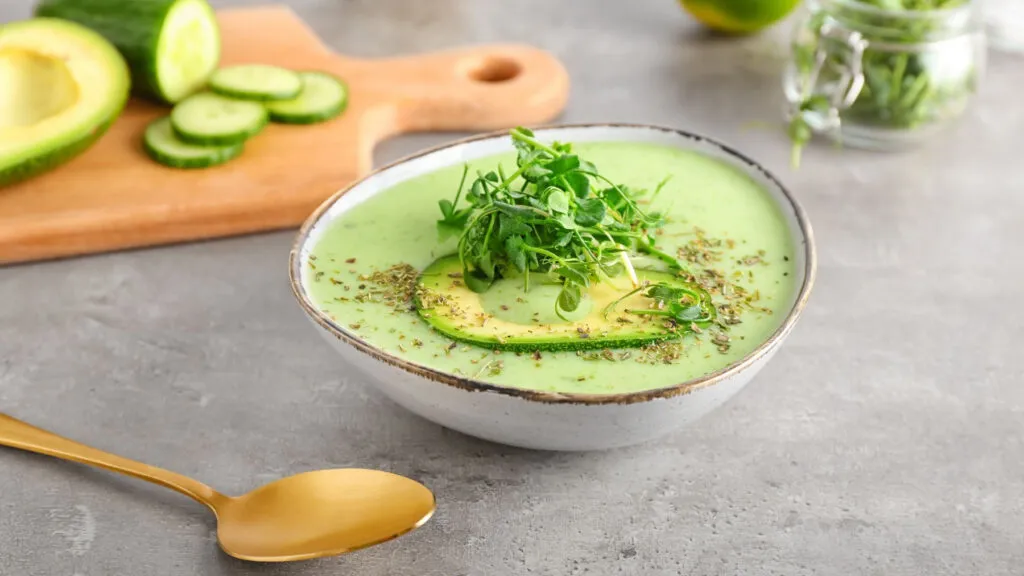
When the hot days arrive, nobody looks at the stove. This gazpacho changes the rule - instead of red from...

A psychologist argues that cheerfulness is trained like a muscle, with four concrete exercises and about 66 days of consistency....

You can spend eight hours in bed and your brain still won't recover, without you having any idea. The question...

Crispy chicken, soft bread, one secret most people skip. No exotic ingredients - just don't rush at the wrong moments.

There's no medical diagnosis, but loss can throw off the immune system, the heart, the whole body. The question matters...
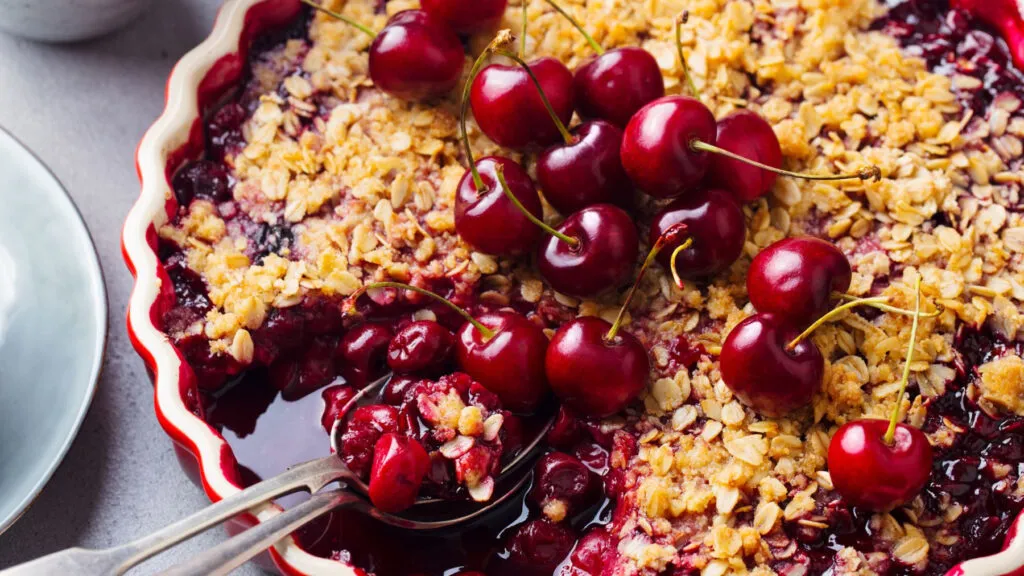
When cherries are in season, this is the easiest dessert you practically can't get wrong. Juicy fruit below, a crisp...

The internet has repeated one rule for years. A neurophysiologist explains why it's unnecessary for most - and what really...
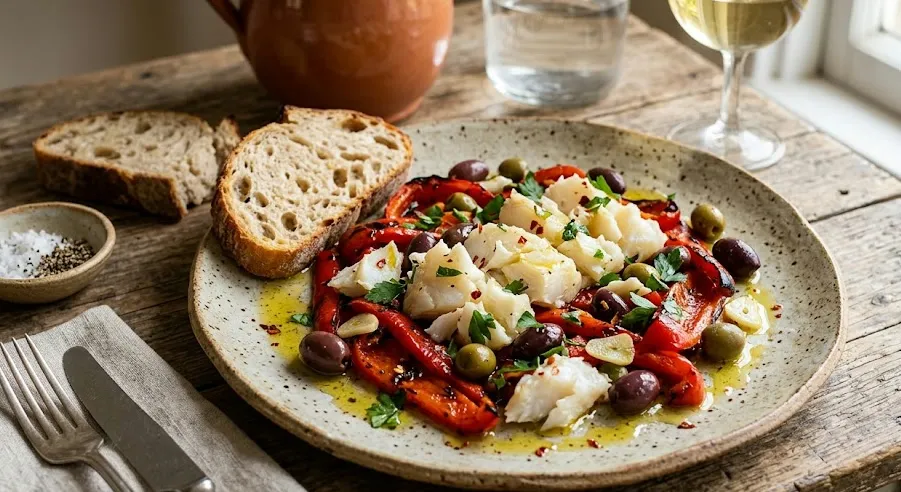
Esgarraet has neither fire nor rush - just a few ingredients and time. Roast, wait, and wait a little more....
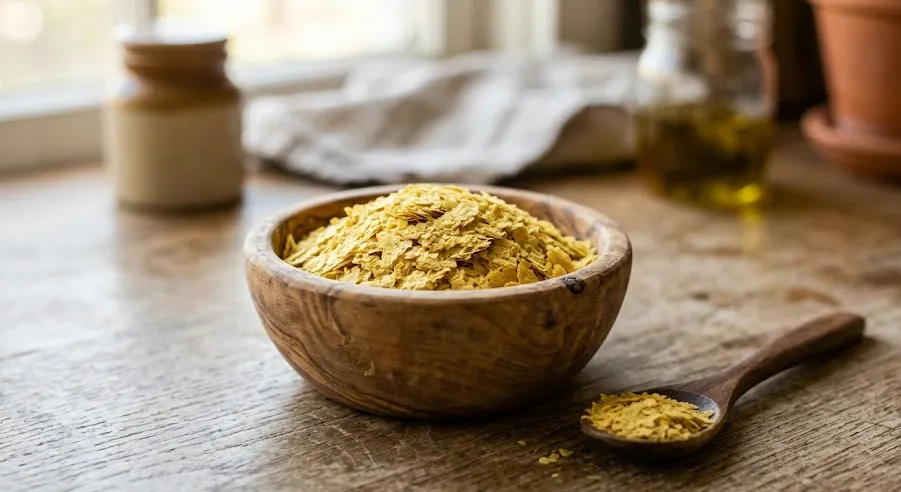
Nutritional yeast is over a third protein, full of B vitamins and without a drop of milk. A nutritionist: this...