

Two Schoolyard Assaults Reported in a Single Day: the Police Promised Measures, the Education System Said Nothing
19.09.2026


19.09.2026
19.09.2026
19.09.2026

19.09.2026
19.09.2026
19.09.2026
19.09.2026
18.09.2026
17.09.2026
19.09.2026
19.09.2026
18.09.2026
19.09.2026
19.09.2026
19.09.2026
19.09.2026
18.09.2026
17.09.2026
19.09.2026

19.09.2026
19.09.2026
19.09.2026

19.09.2026
18.09.2026

09.03.2026

27.02.2026

19.02.2026
19.09.2026
18.09.2026
17.09.2026

23.04.2026

23.04.2026

12.04.2026

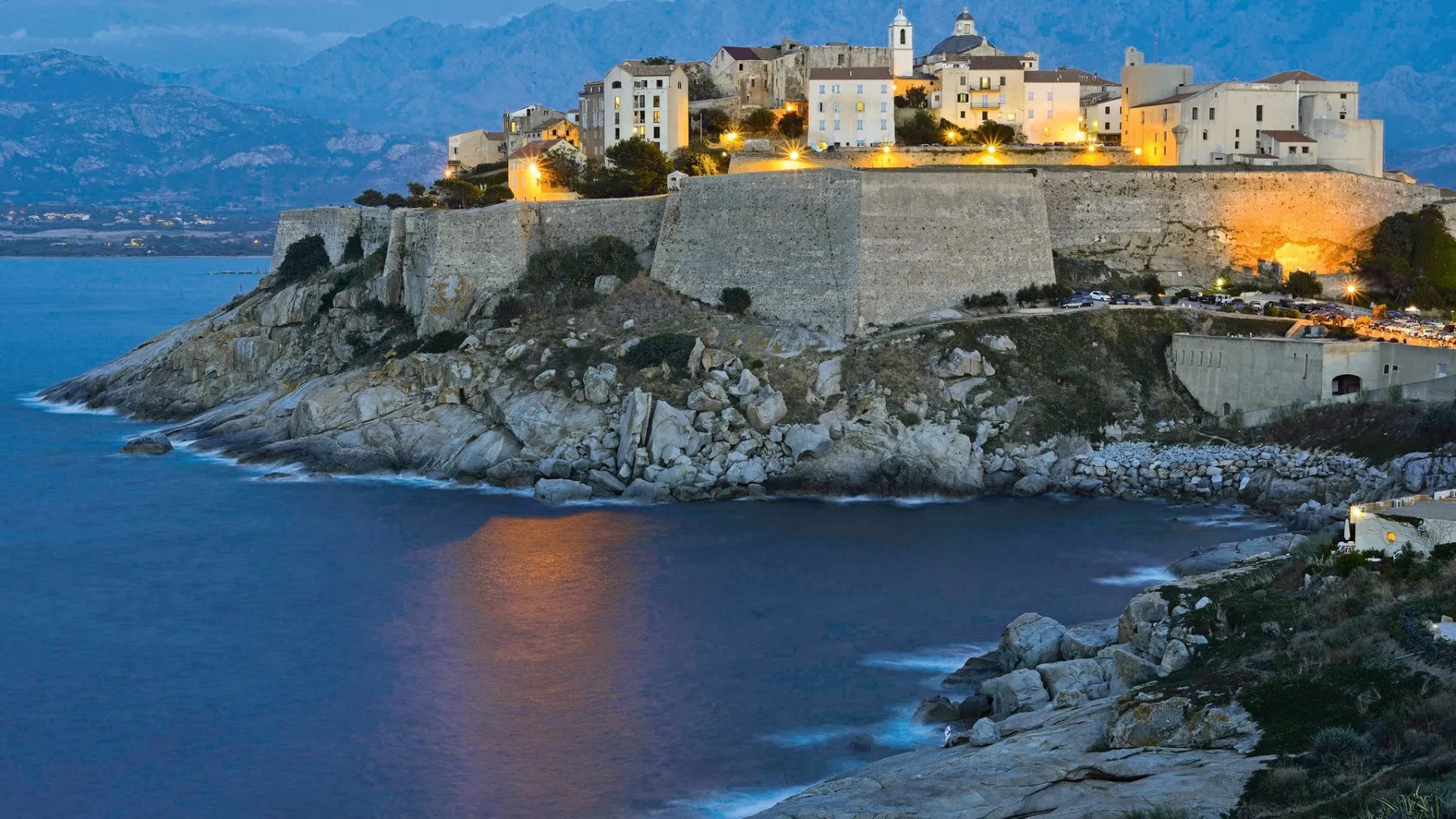
There's an island in the Mediterranean where the road signs are in French and the air smells Italian. Corsica - Napoleon's birthplace - looks like no postcard of a French holiday. It's an island of impossible roads, hidden coves and mountains that fall straight into the sea, and that's exactly why it's worth crossing by car rather than flying over.
The journey usually starts in Bastia, with its old harbor ringed by worn facades and fishing-town charm. From there, Cap Corse opens to the north - a dramatic peninsula of sharp rocks, clear coves and watchtowers that for centuries waited for raiders from the sea. Along the way come Saint-Florent with its 15th-century medieval core and L'Île-Rousse, a small port with a market under Roman colonnades, ideal for local produce.
The island's interior is another story. In the village of Pigna, artisans still make traditional instruments and ceramics - here we spoke with a craftsman who makes the "cetera," an old Corsican instrument, and with a potter who says Pigna has slowly become the island's "art laboratory." Further on, in Lévie, a knife-making workshop with a 40-year tradition makes knives by a process in which goat horn sits for 24 hours in olive oil before becoming a handle.
But the crown jewel of the south is called Bonifacio. A fortified town founded in the year 828, clinging to white cliffs 70 meters above the sea, with walls from which even distant Sardinia is visible. The waves crash into the ancient ramparts, and the paths along the rock offer the kind of views you remember. Nearby, the bay of Santa Giulia is a perfect preview of the exclusive atmosphere of Porto-Vecchio.
The final stretch of the road reveals the island's wild soul - green valleys, hidden waterfalls, beech and pine forests, villages wrapped in mist. The Restonica valley, with a road glued to the rock above a powerful river, is a finale that a journey rarely offers. Corsica isn't a destination for those who want everything smoothed out and predictable; it's for those who understand that the most beautiful places are rarely the easiest to reach. And in the Balkans, we know that well.
The latest 10 news from this category
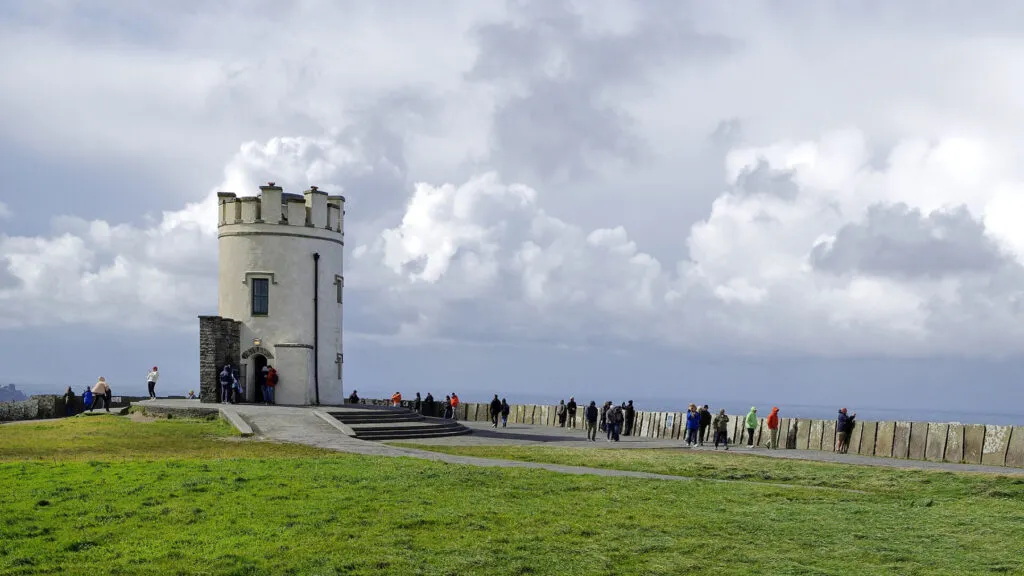
Every airport on the planet copies that model, and almost nobody knows where it started. Around it - cliffs 214...
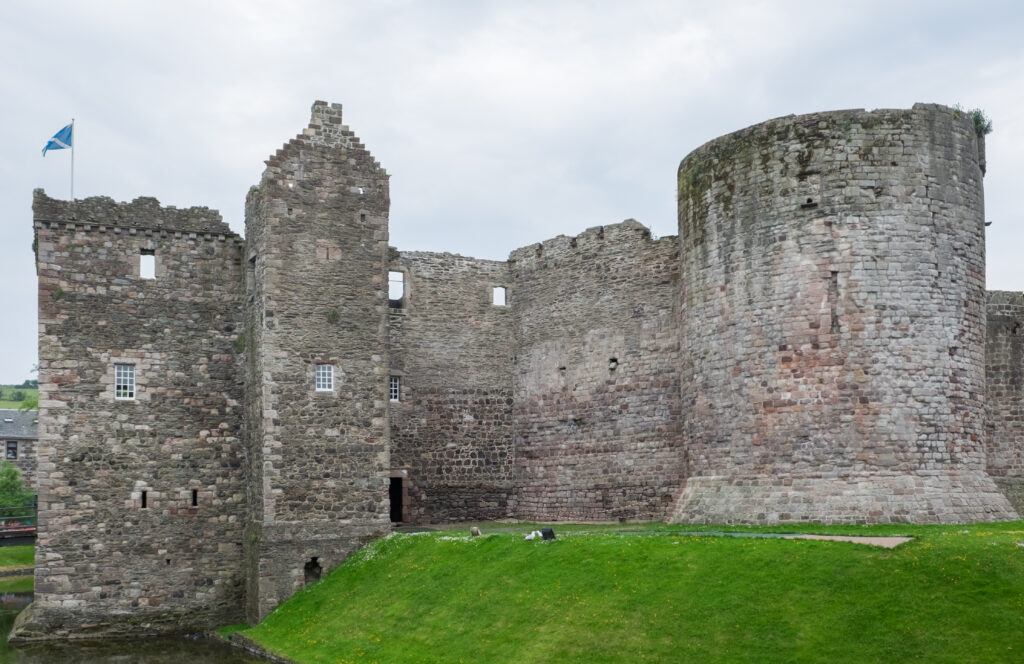
The royal couple walked yesterday into a pub the village bought back for itself. How many buildings like that sit...

Of twenty-five new inscriptions, five are natural - and only one is in Europe. For the richest of them, the...
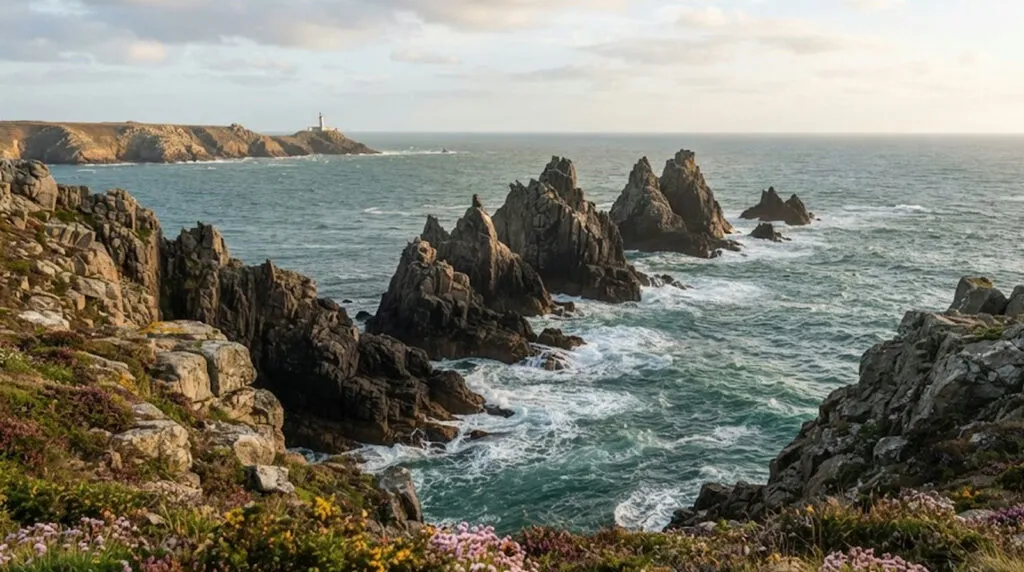
Fifty beaches, more than 120 villages and a trail France voted its favourite. Monet came for a few days and...
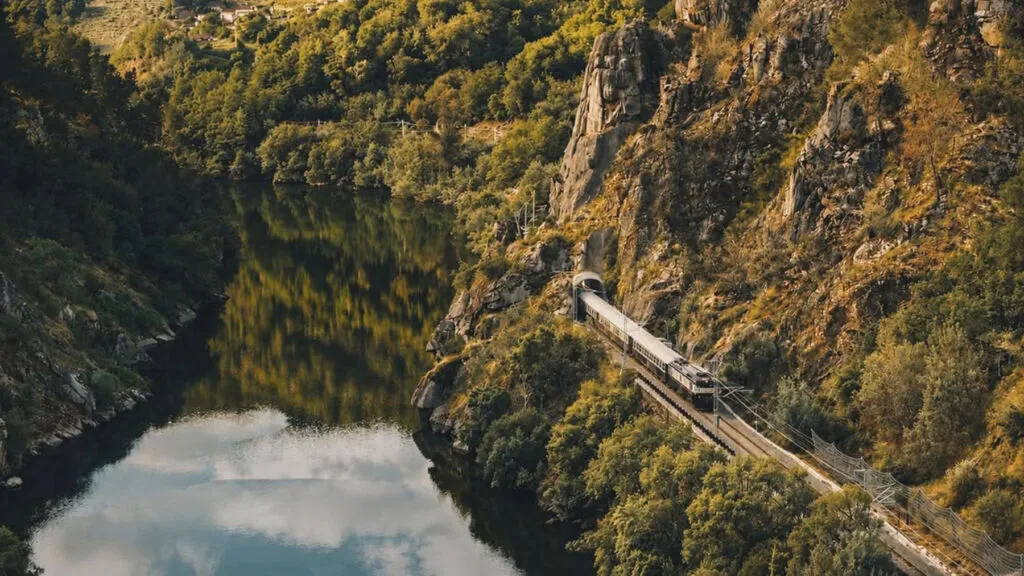
Restored carriages, a locomotive they call the Japanese Woman and a 28.95 euro return ticket. What it sells is not...
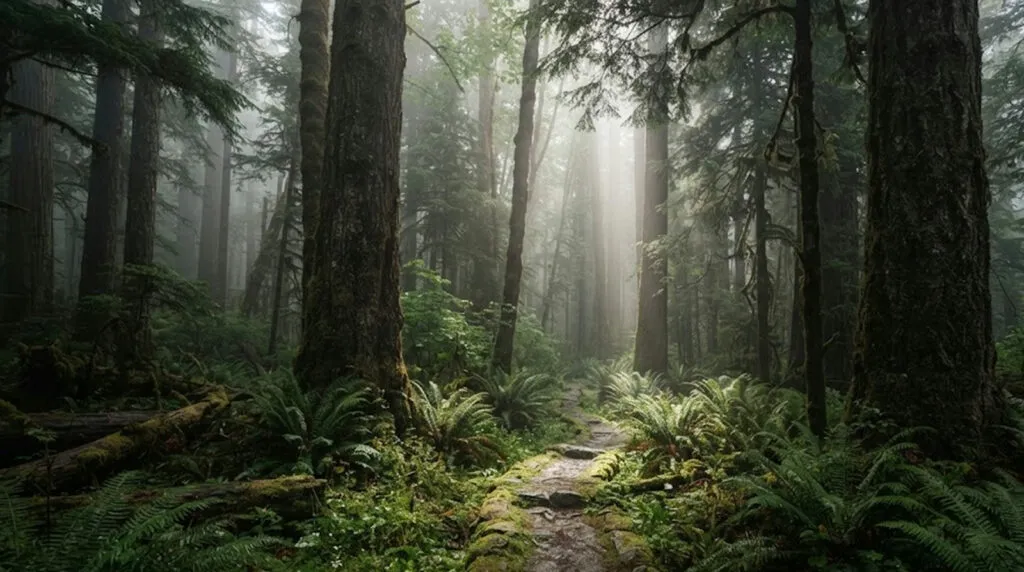
Two hundred and fifty tree species from every corner of the world, a monastery from 1628 and a palace that...
The same places cost more in August, look crowded and are experienced at half strength. The difference is made by...
The Beckhams have a place there, so do Kate Moss and Ellen DeGeneres. But the Cotswolds needs none of those...

Down on the coast the buses pass each other with centimetres to spare and all you see is people. Up...
Empty warehouses, low rents and one real estate developer. A model we know without flying to Florida.
This site uses cookies - is that okay? Learn more
Be the first to know when Metla launches something new
Leave your email and we will write when there is a new guide or something new on Metla.
