Released After 3.23 Per Mille, Back Behind the Wheel 29 Hours Later With 3.50: Only Then Did the Bitola Man End Up in Custody
11.11.2026


11.11.2026

11.11.2026

11.11.2026

11.11.2026

11.11.2026

11.11.2026

11.11.2026

06.11.2026

05.11.2026

11.11.2026
11.11.2026

06.11.2026

11.11.2026

11.11.2026
11.11.2026

11.11.2026

06.11.2026

05.11.2026

11.11.2026

11.11.2026

11.11.2026

11.11.2026

11.11.2026

11.11.2026

23.04.2026

23.04.2026

12.04.2026


In Northern Ireland they call them potato farls - flat triangular potato breads, crisp and toasted on the outside, soft and dense on the inside. Their origin is simple: cheap ingredients everyone has at home, often the potatoes left over from lunch. The potato reached Ireland in the 17th century and quickly became a staple, especially for poorer families.
They are best eaten warm, with a little butter, and they are a must in the Ulster Fry, the hearty Northern Irish breakfast usually saved for the weekend: bacon, sausages, fried eggs, tomatoes, mushrooms, soda bread and boxty, another potato dish. You still find them today in homes, cafés and restaurants serving a traditional Irish breakfast.
Ingredients (serves 4)
Method
The secrets. Floury potatoes, so the mash is dry and the dough is easy to work. No milk at all, because it adds too much moisture. The flour goes in gradually, since the amount depends on the variety and on how much water the potatoes soaked up. Don't knead the dough for too long, so the gluten doesn't develop. Medium heat, so the farls colour evenly and heat through to the middle. Bacon fat gives a more traditional flavour than butter or oil. And the potato-to-flour ratio? Every household has its own - just as every Balkan grandmother has her own measure for pita.
The latest 10 news from this category

Bittor Arginzoniz is self-taught and cooks over embers, with a different wood for every ingredient. In an age of tweezers...
"This is the dish I repeat most during the week," says the Spanish designer. The recipe is simple, and the...
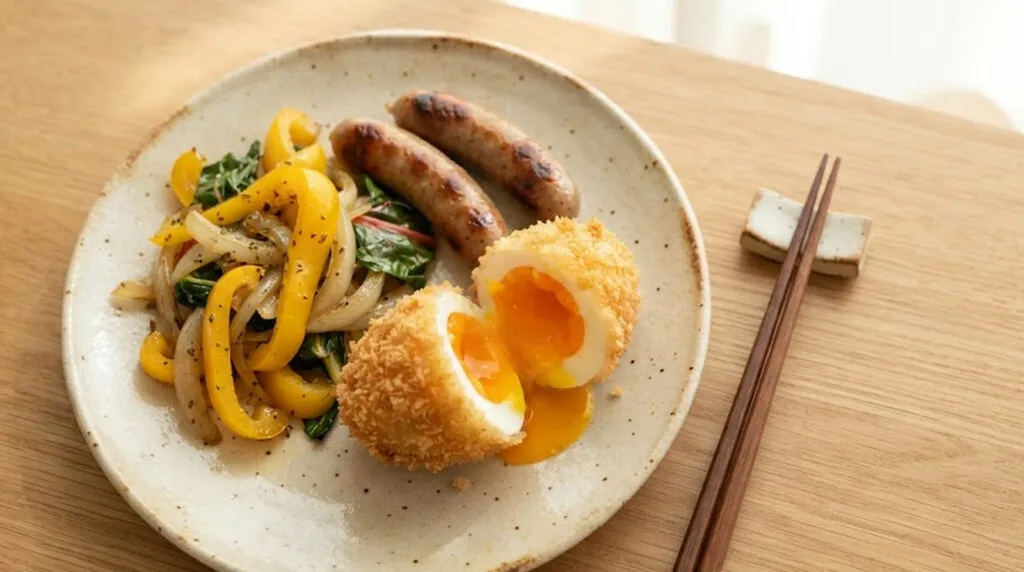
The latest viral breakfast from Gwyneth Paltrow's kitchen is an egg, panko and a frying pan. The trick is in...
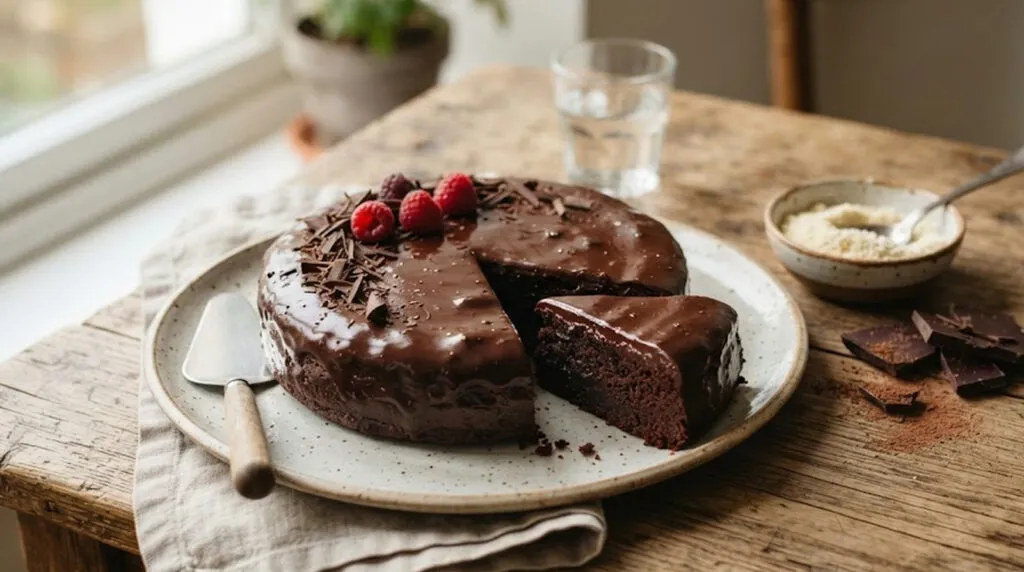
Almond flour instead of wheat, chocolate melted over steam and a glaze you spread the moment the cake comes out...
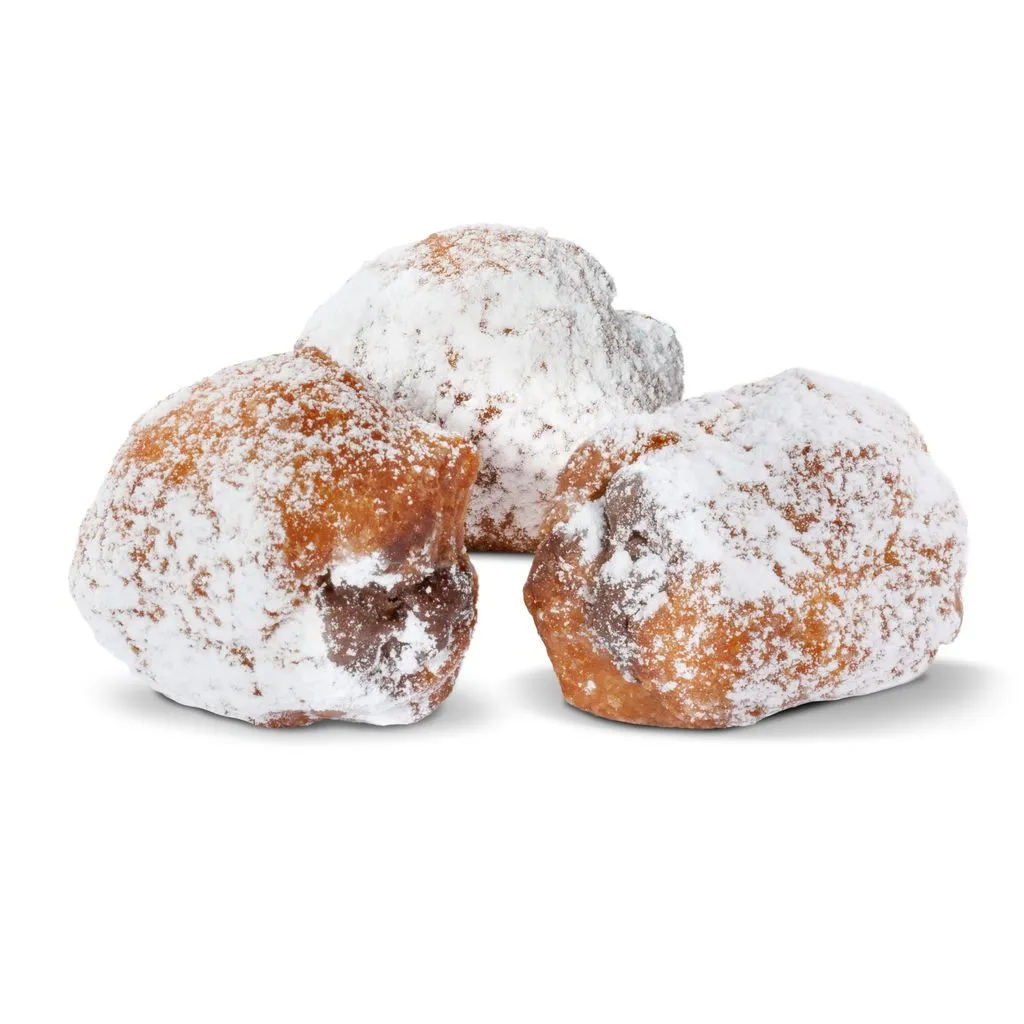
Legend has it the first ones were hurled red-hot from the walls of besieged Almogía. Today they're filled with cream,...
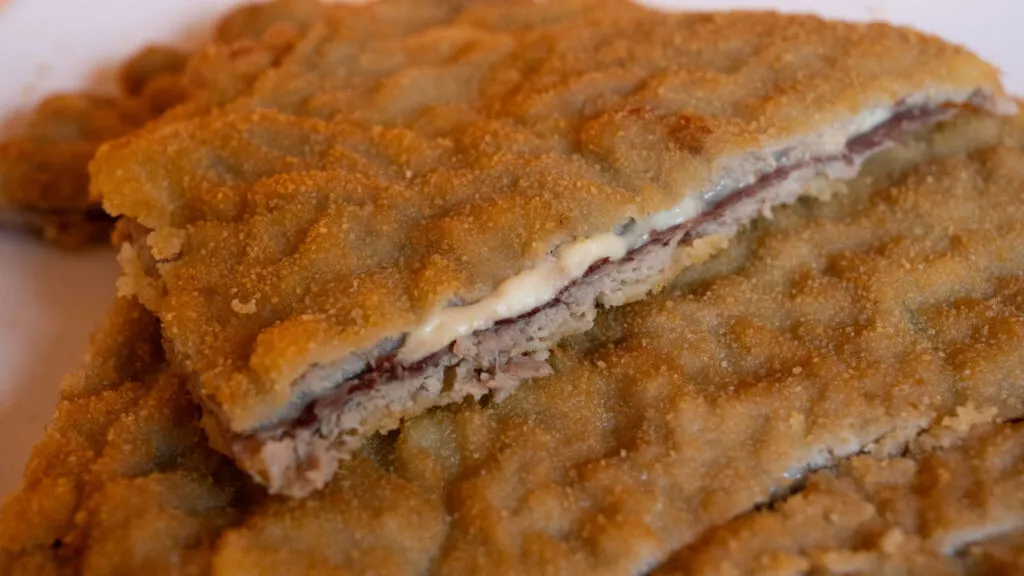
Two fillets, ham, cheese and breading from the finest crumbs. The biggest mistake is adding everything you've got in the...
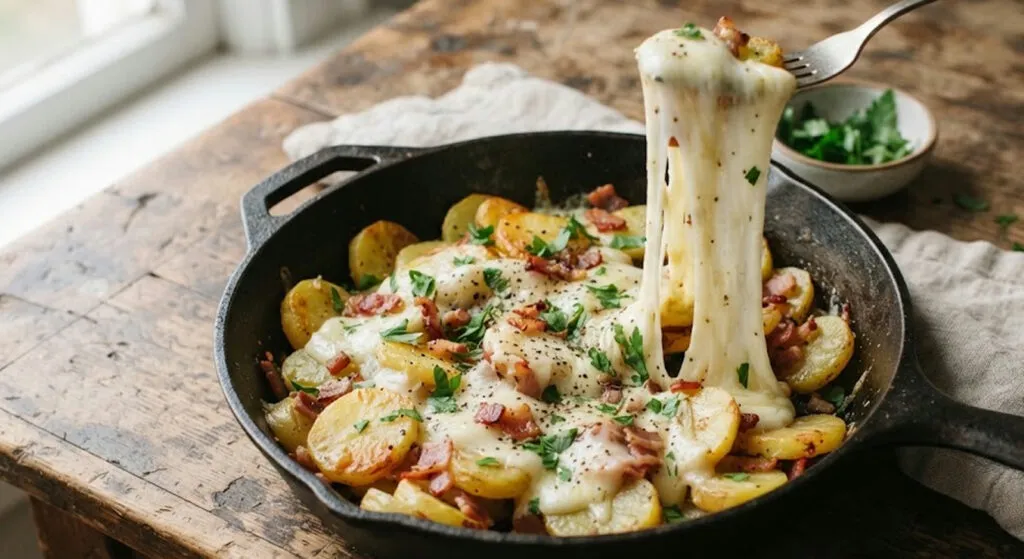
The name sounds expensive, but the dish is mountain food from Auvergne: potatoes, bacon and cheese that stretches into long...

Before "trick or treat" there were soul cakes: spiced biscuits with raisins, baked for 15 to 20 minutes at 180...

The best way to rescue apples that have started going soft. It works for breakfast, in a cake and -...
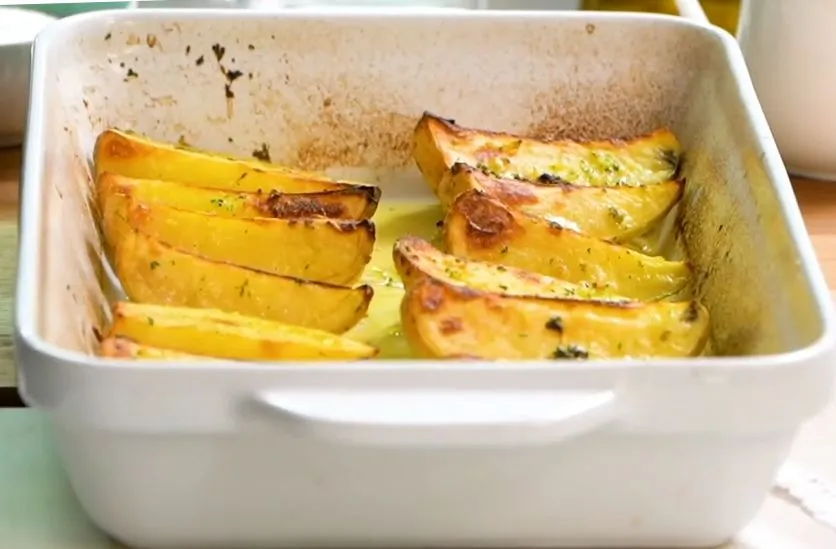
One of the cheapest side dishes usually gets ruined in the most banal way: crammed into the tray, the potatoes...
This site uses cookies - is that okay? Learn more
Be the first to know when Metla launches something new
Leave your email and we'll write to you when there's a new guide or something new on Metla.