

Slaveski Tells Filipče to Delete His "Shameful Post": Alta Banka's Customers Got a Duel on X Instead of a Deadline
02.11.2026


02.11.2026

02.11.2026

02.11.2026

02.11.2026
02.11.2026
02.11.2026

02.11.2026

01.11.2026

01.11.2026

02.11.2026

02.11.2026
01.11.2026

02.11.2026

02.11.2026

02.11.2026

02.11.2026

01.11.2026

31.10.2026

02.11.2026

02.11.2026

02.11.2026

02.11.2026

01.11.2026
01.11.2026

02.11.2026

01.11.2026

01.11.2026

23.04.2026

23.04.2026

12.04.2026

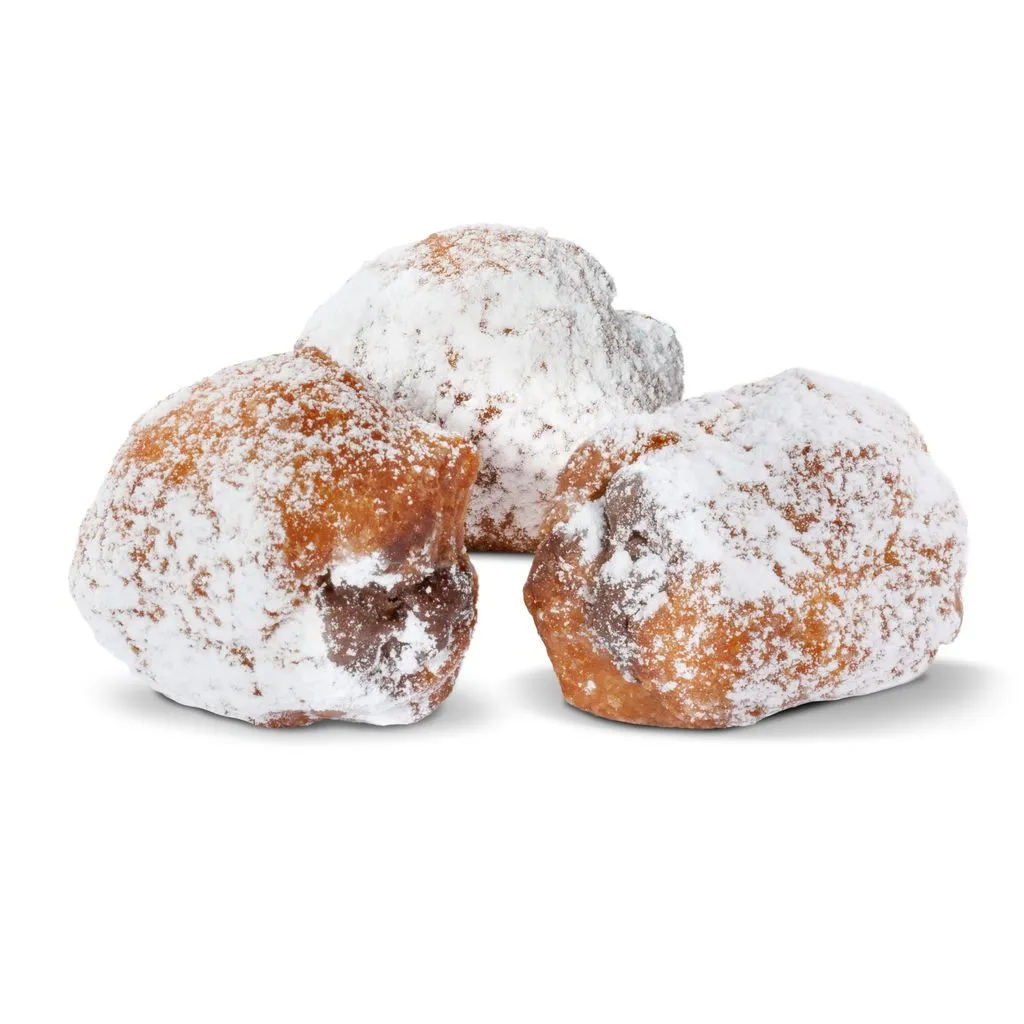
Legend has it that around the year 1090 the small town of Almogía near Málaga was under siege, hunger was tightening its grip, and the court cook came up with a weapon made of dough: balls fried in cauldrons of hot oil on the walls, to be hurled at the enemy. Whether that's how it went, nobody knows. What's certain is that what legend calls ammunition now gets laid out on a tray on All Saints' Day and filled with cream.
Buñuelos de viento have a history older than the legend, too. The first mentions come from second-century Rome, in a recipe called "globes" because of their look. The recipe passed to the Sephardim and the Arabs, and the Arabs brought it to the Iberian Peninsula. In the Middle Ages nuns made them and sold them for All Saints' Day. They are said to represent souls rising from purgatory, and every ball eaten is said to free one soul. Anyone who has carried boiled wheat to the cemetery on Zadušnica, the Balkan day of the dead, won't be surprised that here too food and the departed sit at the same table.
"Viento" means wind in Spanish, and that's the whole secret: the dough puffs up in the oil and stays hollow and light. That's why they can be eaten empty or filled with pastry cream, whipped cream or chocolate.
Ingredients: 180 grams of cake flour, 4 eggs, 5 grams of baking powder, 250 grams of water or milk, 50 grams of butter, 4 spoons of sugar (one for the dough, the rest for sprinkling), a little salt, and oil for frying, mild olive or sunflower.
Method: Put the water, butter, one spoon of sugar and the salt in a pot and wait for it to boil. Add the sifted flour with the baking powder and stir with a wooden spoon until the dough starts pulling away from the sides. Take it off the heat and leave it to cool for a few minutes. Add the eggs one at a time, stirring after each, until you have a foamy cream. Let the dough rest for about 30 minutes.
Heat plenty of oil in a large, deep pan. Drop spoonfuls of dough into the well-heated oil and fry until they puff up and turn golden. Lift them onto kitchen paper, let them cool a little, then fill them or sprinkle them with the remaining sugar. Don't skip the cooling before the eggs or the rest before frying.
The latest 10 news from this category
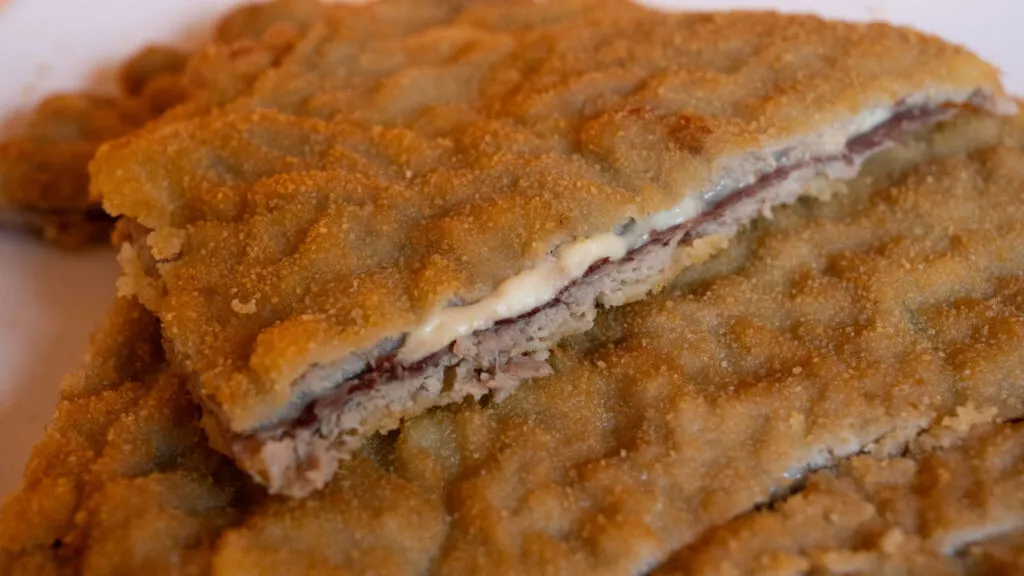
Two fillets, ham, cheese and breading from the finest crumbs. The biggest mistake is adding everything you've got in the...
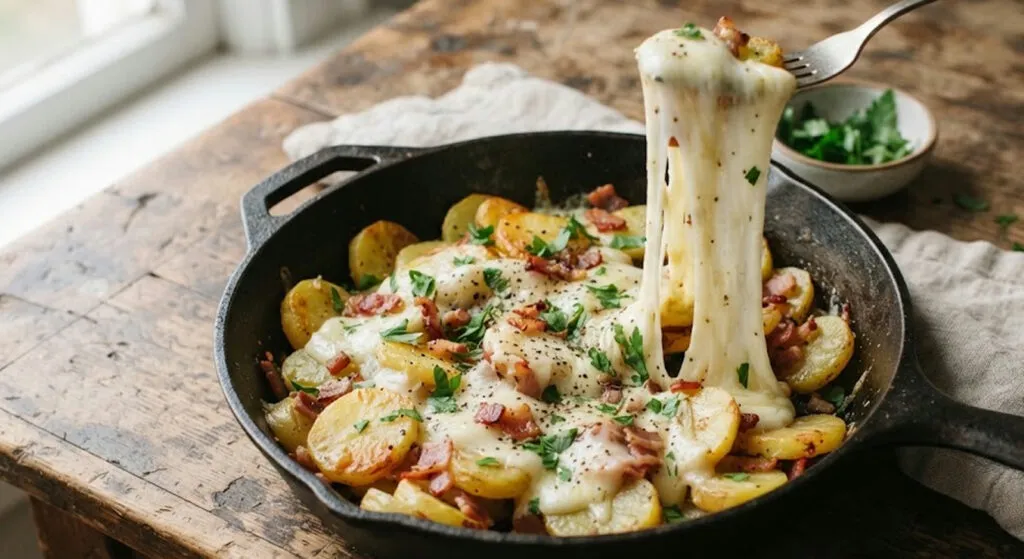
The name sounds expensive, but the dish is mountain food from Auvergne: potatoes, bacon and cheese that stretches into long...

Before "trick or treat" there were soul cakes: spiced biscuits with raisins, baked for 15 to 20 minutes at 180...

The best way to rescue apples that have started going soft. It works for breakfast, in a cake and -...
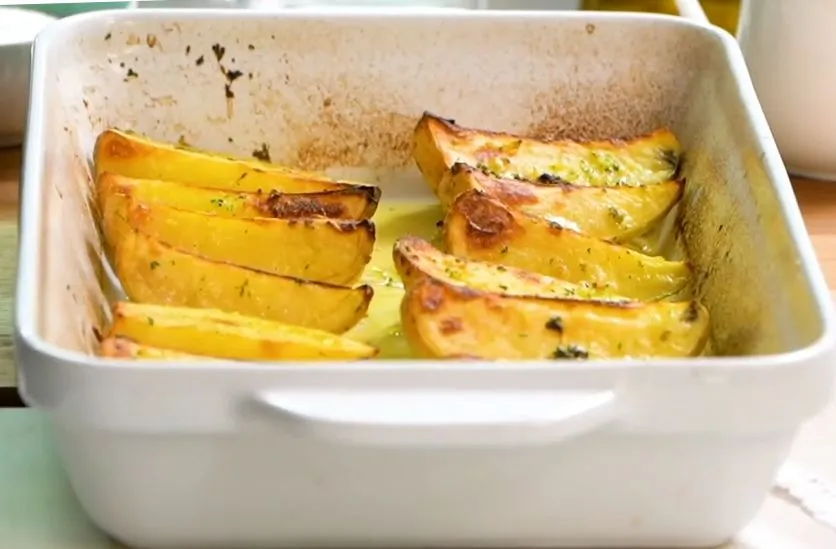
One of the cheapest side dishes usually gets ruined in the most banal way: crammed into the tray, the potatoes...
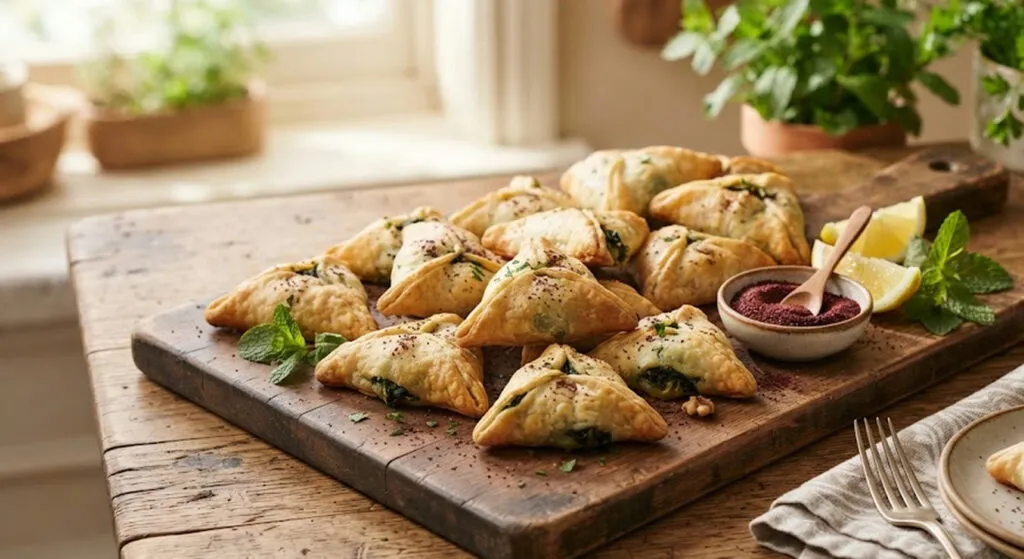
Not kebab, not falafel: a Lebanese spinach-and-sumac pie that anyone who grew up on burek will recognise from the first...

Crispy outside, soft inside - and the secret is to pull them out of the oven while they still look...

The actress who played Daenerys in "Game of Thrones" remembers one home-cooked dish above all. Here's the recipe, with exact...
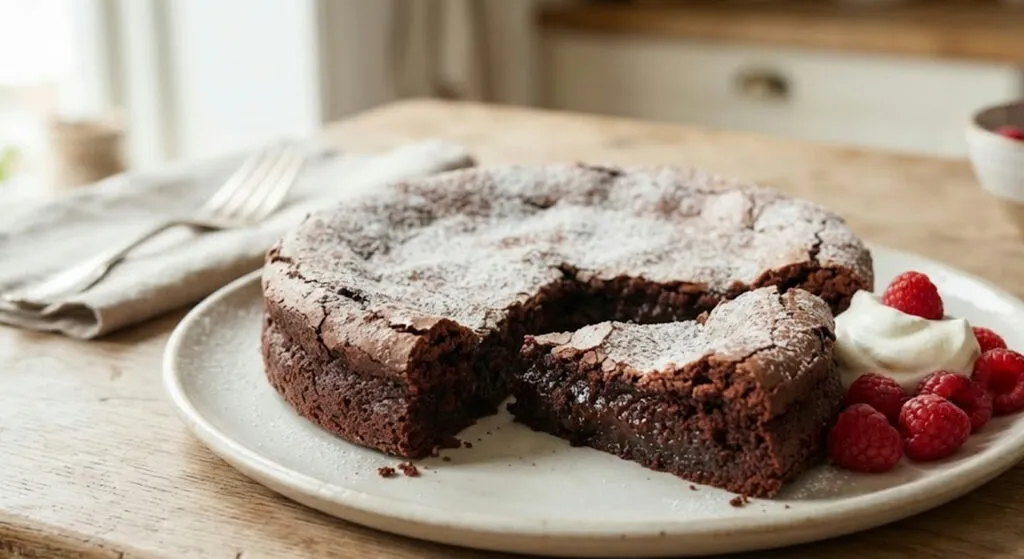
The Swedes have their own brownie, just humbler: two eggs, 250 grams of sugar and the nerve to take it...

Jesús Sánchez defends squid against every add-on that supposedly improves it - egg, milk, and even lemon.
This site uses cookies - is that okay? Learn more
Be the first to know when Metla launches something new
Leave your email and we'll write to you when there's a new guide or something new on Metla.