
A Loan-Shark Gang in Kumanovo Ran for Five Years - and Only Fell When One Citizen Found the Courage to Report It
06.11.2026


06.11.2026

06.11.2026

06.11.2026

06.11.2026

06.11.2026

06.11.2026

06.11.2026
05.11.2026

05.11.2026

06.11.2026

06.11.2026

05.11.2026

06.11.2026
06.11.2026

06.11.2026

06.11.2026
05.11.2026

04.11.2026

06.11.2026

06.11.2026

06.11.2026

06.11.2026

05.11.2026
05.11.2026

06.11.2026

05.11.2026

04.11.2026

23.04.2026

23.04.2026

12.04.2026


The way we furnish a home is changing. More and more people want furniture that can adapt, without every change in life meaning a new suite. Spanish interior designer Manuel Espejo has a clear answer: the key is knowing which pieces are worth buying in modules and which should stay in one piece.
The living room doesn't always have to look the same
The living room gains the most from flexible furniture. Espejo advises not seeing the seating area as a closed composition: seats can be split up for a conversation corner, pulled closer when guests arrive or turned the other way. "Not everything has to be moved around constantly. The point is to have an alternative when the occasion calls for it," he says. Instead of bulky furniture that separates the living room from the dining area, it's better for the two spaces to flow into each other visually. How many times a year does our living room turn into a guest hall?
The modular sofa, one of the best investments
The sofa is the piece most worth buying in elements, because it defines almost the entire space. Modules let you change the length, add a chaise, move it to the other side or take one seat into another corner. But pay attention to the joins and proportions. "Furniture has to work and look good in the layout we'll actually use," Espejo warns.
Shelves that divide space
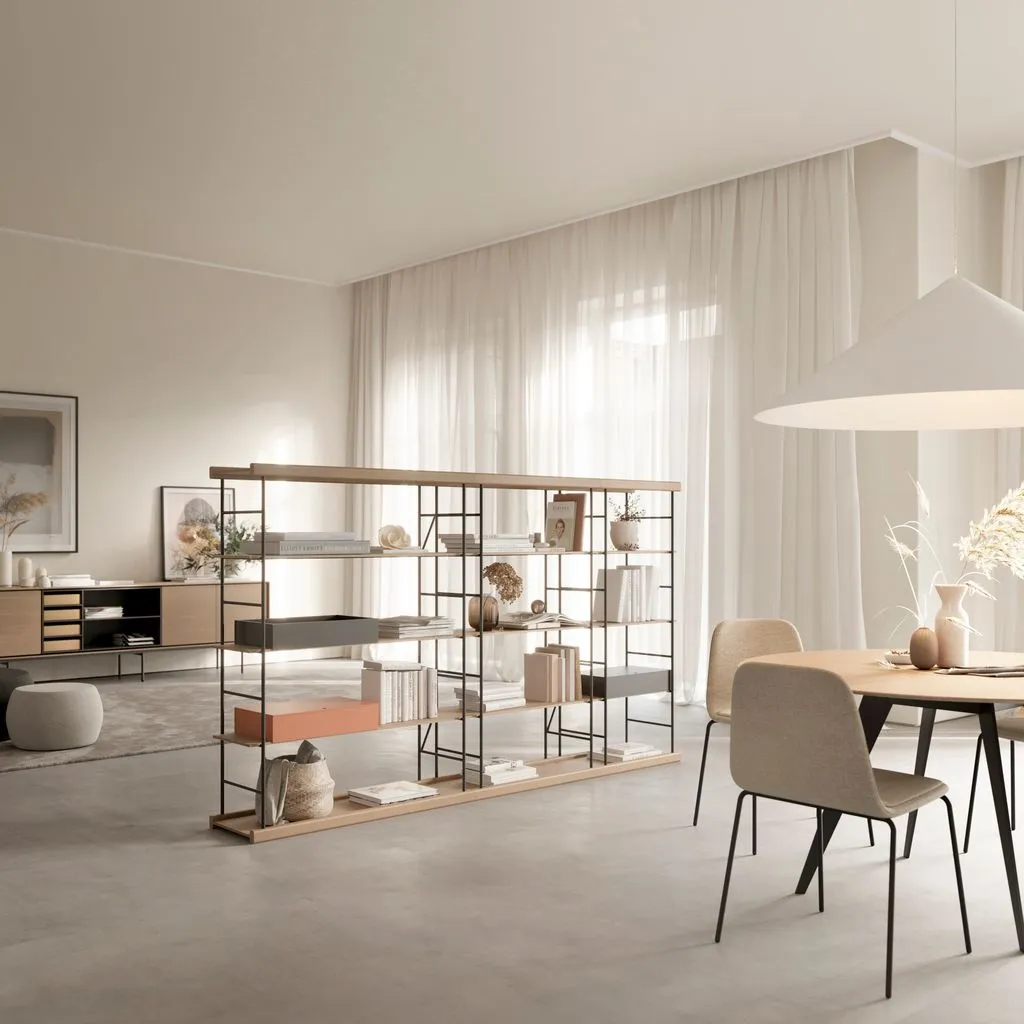
Modular shelving can separate zones without walls while also serving as storage. Espejo advises starting with a small structure and adding shelves or closed sections later as needed, mixing open and closed modules and paying attention to height. If the shelving serves as a partition, always check its stability and anchoring.
Which furniture to buy in one piece
The dining table usually stays in one place and is often oversized. If it's matched to the number of people who actually sit at it every day, useful metres are freed up. Extendable tables are practical, but Espejo prefers dining tables, armchairs and chests of drawers to be single pieces, with a clear silhouette and a presence of their own.
A modular kitchen
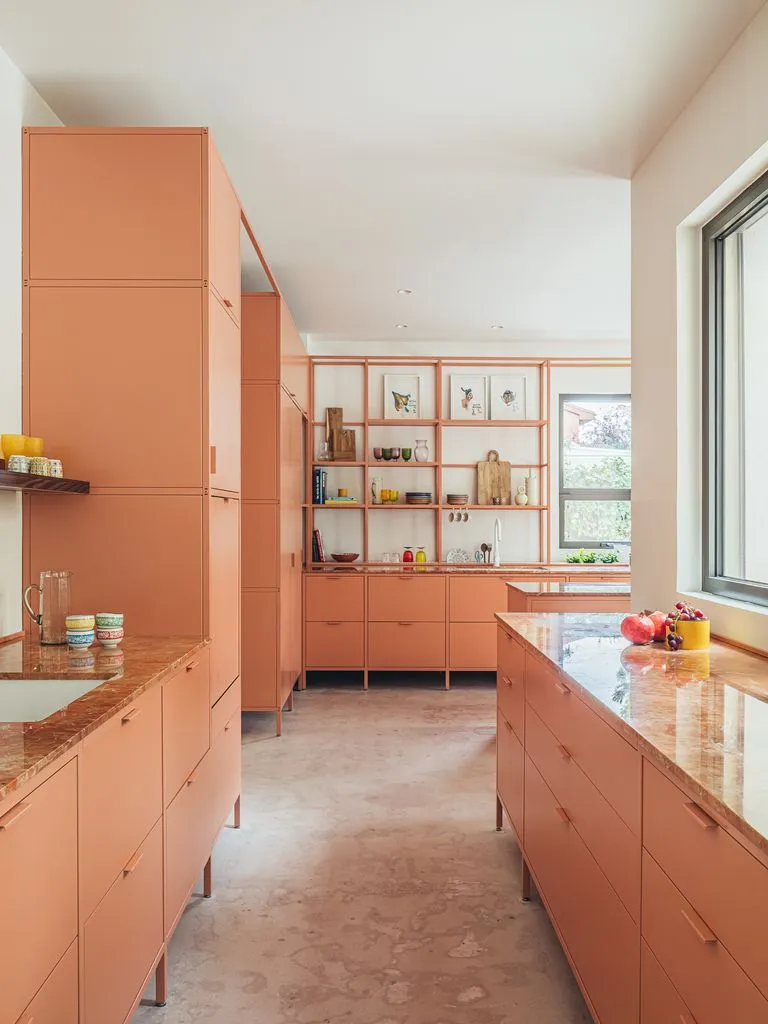
The kitchen is traditionally the most rigid part of a home, and renovating it is expensive. That's why it's worth choosing elements that can be rearranged or replaced separately. One example is "Kitchen for Life" by architect Paula Rosales: a lacquered tubular steel structure on which drawers, shelves, doors and appliances are hung, with a natural stone worktop.
One room, several uses
A family's needs change: a child's room becomes a teenager's, a study can double as a guest room. Instead of changing everything, Espejo suggests adaptable solutions - pull-out beds, fold-down desks, extendable tables - and planning ahead for the changes you can see coming, rather than filling rooms with furniture that will quickly stop making sense.
Furniture that moves with you
A good piece survives a move too. Choose furniture of moderate size, good material and open purpose: a chest of drawers that can go from the bedroom to the living room, a console that can be a desk, side tables or Alvar Aalto's classic Stool 60 for Artek. And check whether it can be taken apart and reassembled without damage, especially shelving. How much of the furniture you own would survive one move?
Pieces with character
"Not all furniture has to be modular or multifunctional," says Espejo. Some pieces are bought because we like them, like a white upholstered armchair or Charles and Ray Eames's "Time Life" stool for Vitra, in solid walnut. What matters is the balance between an adaptable home and furniture with character.
Before you buy, draw it
Advice that costs nothing: draw a plan of the room, measure it, mark the doors and windows and try out several layouts, with enough room to move around. Furniture should be easy to move, otherwise you'll never move it. "If changing the living room takes too much effort, in the end we'll never do it," says Espejo. Examples are IKEA's JÄTTEBO modular sofa and EKET shelves, light and arranged at different heights.
Buying in modules spreads the investment
Element systems let you start with just the essentials and expand the composition later, as with Schmidt's Zurich shelving. That may be the most Balkan advice in the whole piece: buy what you can today, add more when you can. For Espejo, the best home is one that "fits the way we live today" - not the catalogue, and not the way we lived ten years ago.
The latest 10 news from this category

Pink walls, mouldings and doors, a leopard-print carpet, dolls on the shelves and a bathroom where Elvis looks down from...
You don't need a fireplace or a villa for a room you'll want to stay in. Ten projects from Spanish...
Adopted in Barcelona, she left for the Netherlands at 19, and today lives in a building that was meant to...
Industrial steel, a Zen living room and inherited vinyl on a shelf. The most important object in the house wasn't...
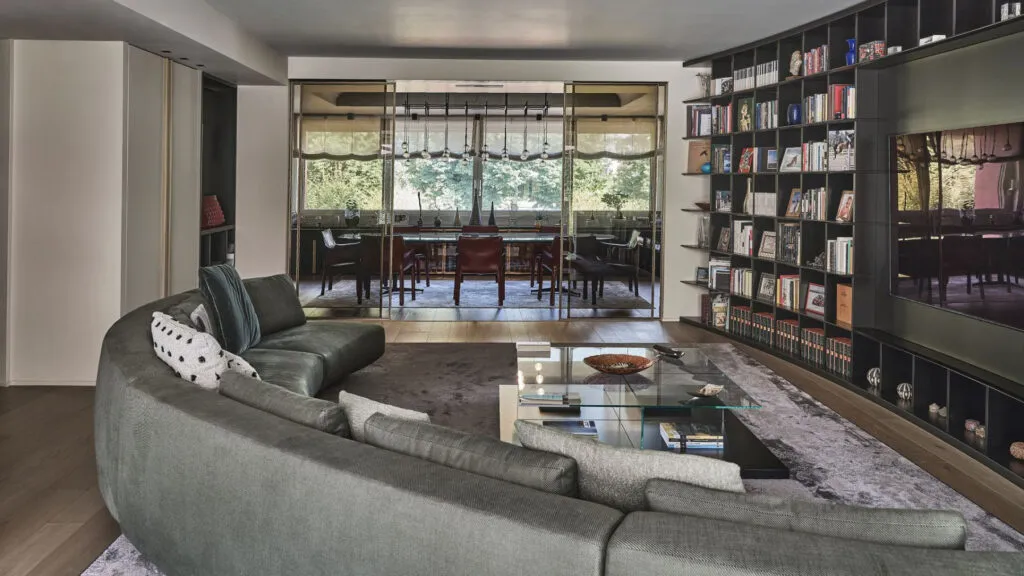
Most of us will never live like this, but three of the solutions from the Paolo Frello & Partners studio...

Before the builders tear everything out, check what your flat is hiding. Floors, ceiling mouldings and old joinery often can't...

The former tennis player bought Cromlix in 2013, at the peak of his career. Ten rooms, five suites, a chapel,...
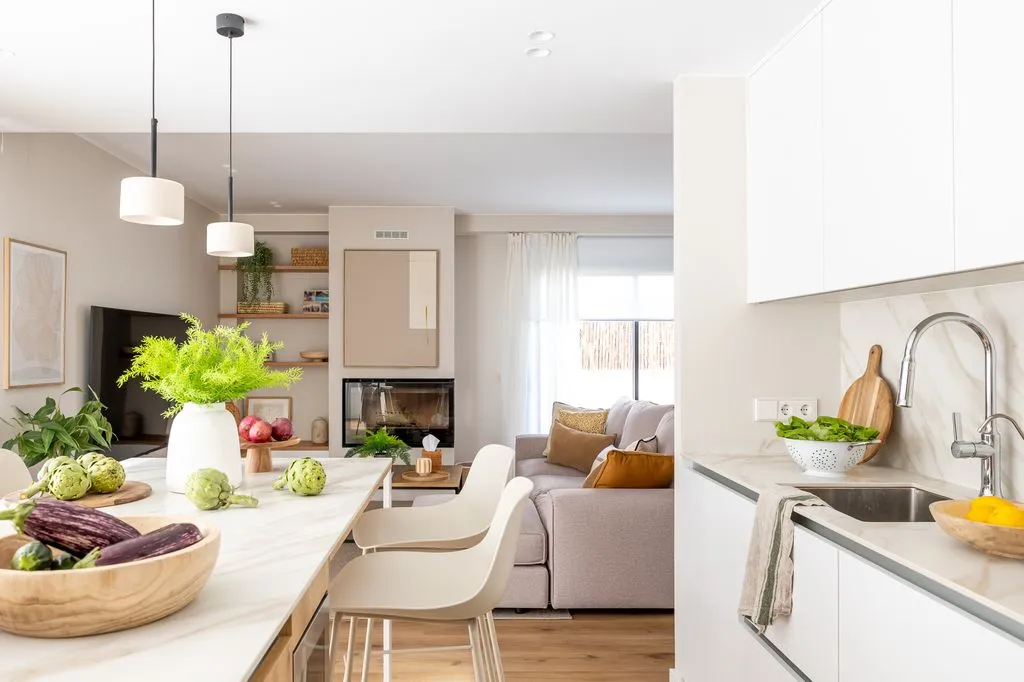
Oak, a minimalist kitchen, a spa-style bathroom and sandy tones. The Spanish designer explains why new builds look like a...
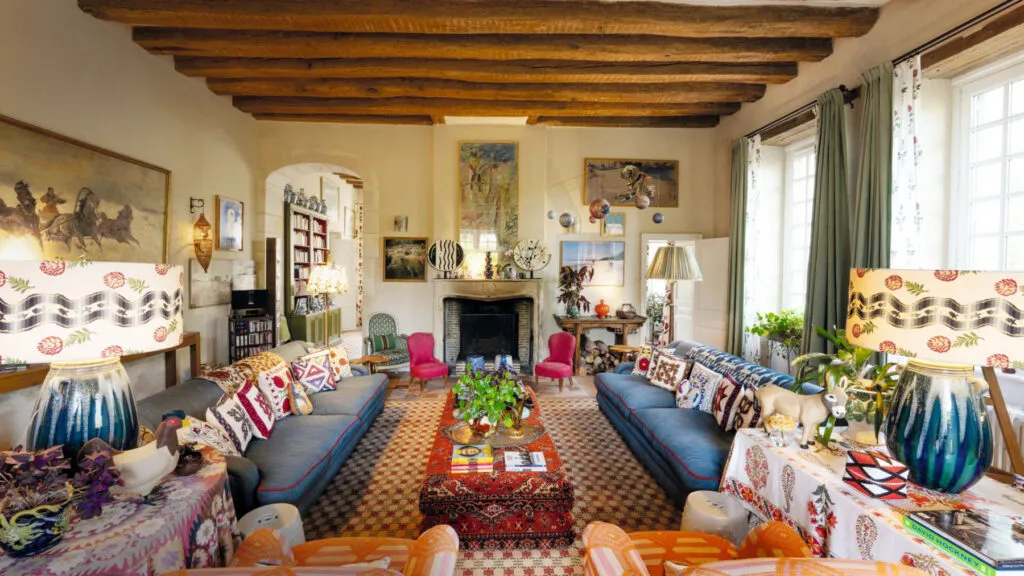
Descended from the Radziwiłłs, she grew up under communism and learned to remake everything. An 18th-century house with no minimalism...
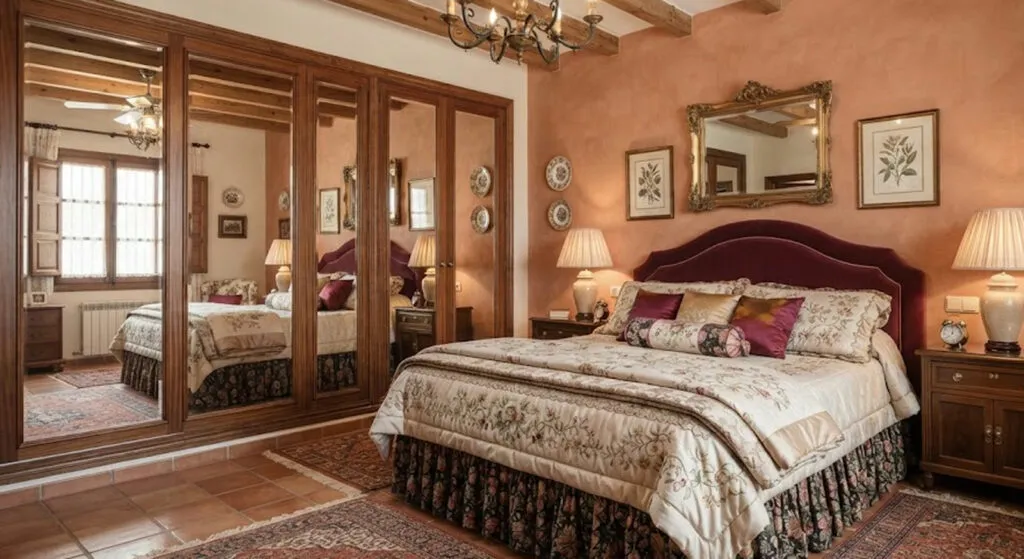
Five bedrooms, five bathrooms, a pool in Sierra Helada and not a single minimalist corner. The Spanish legend's home is...
This site uses cookies - is that okay? Learn more
Be the first to know when Metla launches something new
Leave your email and we'll write to you when there's a new guide or something new on Metla.