
Double Billing for Eye Surgery: Court Takes Nine Suspects' Passports, While Up to 4,000 Patients Still Don't Know Who Pays Them Back
31.10.2026


31.10.2026

31.10.2026

31.10.2026

31.10.2026

31.10.2026

31.10.2026

31.10.2026

31.10.2026

30.10.2026

31.10.2026

31.10.2026
30.10.2026

31.10.2026

31.10.2026

31.10.2026

31.10.2026

30.10.2026

29.10.2026

31.10.2026

31.10.2026

31.10.2026

31.10.2026

31.10.2026

31.10.2026

23.04.2026

23.04.2026

12.04.2026


In Macedonia, on Zadušnica - the days for remembering the dead - people bring boiled wheat to the cemetery and hand out food "for the soul". The English of the Middle Ages had their own version of the same idea, just in the shape of a cake. They were called soul cakes and were made for All Saints' Day. People went from door to door asking for them, and in return prayed for the souls of the dead from the household that gave them. Sometimes they sang traditional songs while they were at it.
The custom, known as souling, faded over time, but in some parts of England it survived for centuries. Because of the door-to-door rounds, it's considered one of the historical forerunners of today's Halloween "trick or treat". These days soul cakes are rarely found in English bakeries: they're made at home, in autumn, at cultural events and re-enactments of old customs.
In shape they're somewhere between a thick biscuit and a sweet bun, with a recognisable spiced flavour. There's no single recipe, but most versions have raisins or currants and a cross cut into the top. For 20 to 24 pieces you'll need: 300 grams of flour, 125 grams of cold unsalted butter cut into cubes, 90 grams of white sugar, one egg yolk, 50-60 grams of raisins, a teaspoon of ground cinnamon, a quarter teaspoon each of nutmeg and ginger, a pinch of ground cloves, a tablespoon of rolled oats, two to four tablespoons of milk, a teaspoon of apple cider vinegar if you like, and a pinch of salt.
Heat the oven to 180 degrees, top and bottom heat, and line a tray with baking paper. In a bowl, mix the flour with the spices and salt, then add the butter and rub it in with your fingertips until the mixture looks like fine crumbs. That's the whole technique: don't overdo it, because overworked dough makes hard biscuits. Then stir in the sugar, oats and raisins with a spoon.
Lightly whisk the yolk with two tablespoons of milk and the vinegar, then pour it over the dry ingredients. If the dough crumbles, add milk a spoonful at a time until it's compact, soft and easy to work, but not sticky. Roll it out on a floured surface to about half a centimetre and cut circles of 6 to 7 centimetres with a cutter or the rim of a glass. Gather the scraps and roll them out again.
Lay them on the tray with a little space between them and use the tip of a knife to lightly score a cross on each one, without cutting all the way through. Bake for 15 to 20 minutes, depending on thickness - take them out when the edges turn golden and the tops are still pale. Leave them on the tray for a few minutes, because they're fragile while warm, then move them to a rack to cool. With tea or coffee. As for the prayer, by tradition, that's up to the host.
The latest 10 news from this category

The name sounds expensive, but the dish is mountain food from Auvergne: potatoes, bacon and cheese that stretches into long...

The best way to rescue apples that have started going soft. It works for breakfast, in a cake and -...
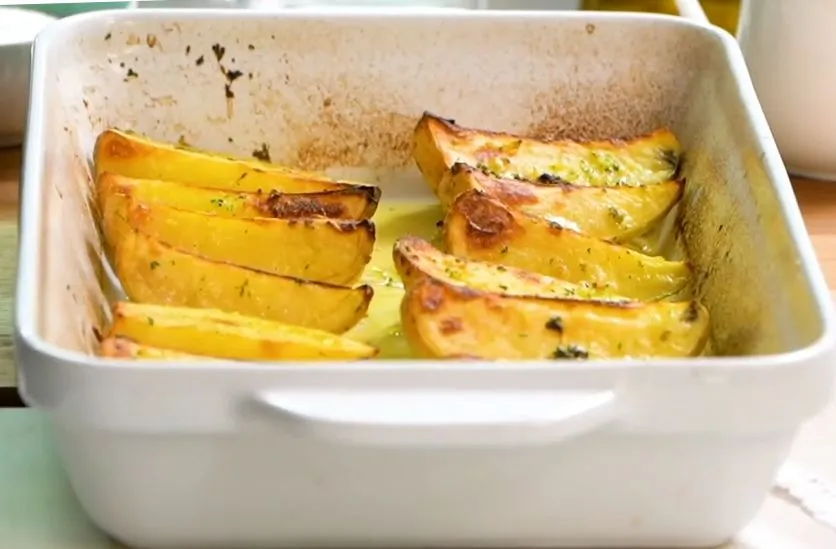
One of the cheapest side dishes usually gets ruined in the most banal way: crammed into the tray, the potatoes...

Not kebab, not falafel: a Lebanese spinach-and-sumac pie that anyone who grew up on burek will recognise from the first...

Crispy outside, soft inside - and the secret is to pull them out of the oven while they still look...

The actress who played Daenerys in "Game of Thrones" remembers one home-cooked dish above all. Here's the recipe, with exact...
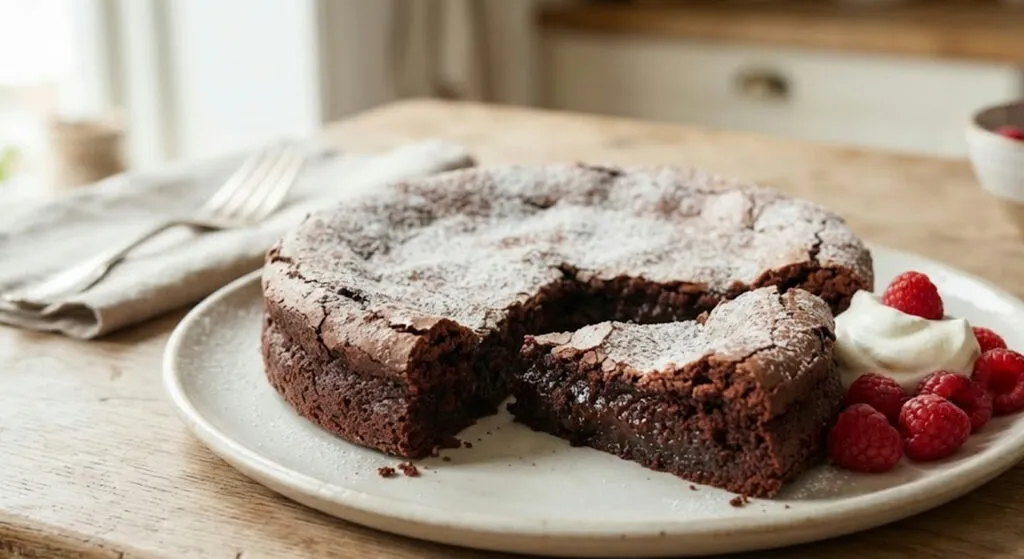
The Swedes have their own brownie, just humbler: two eggs, 250 grams of sugar and the nerve to take it...

Jesús Sánchez defends squid against every add-on that supposedly improves it - egg, milk, and even lemon.
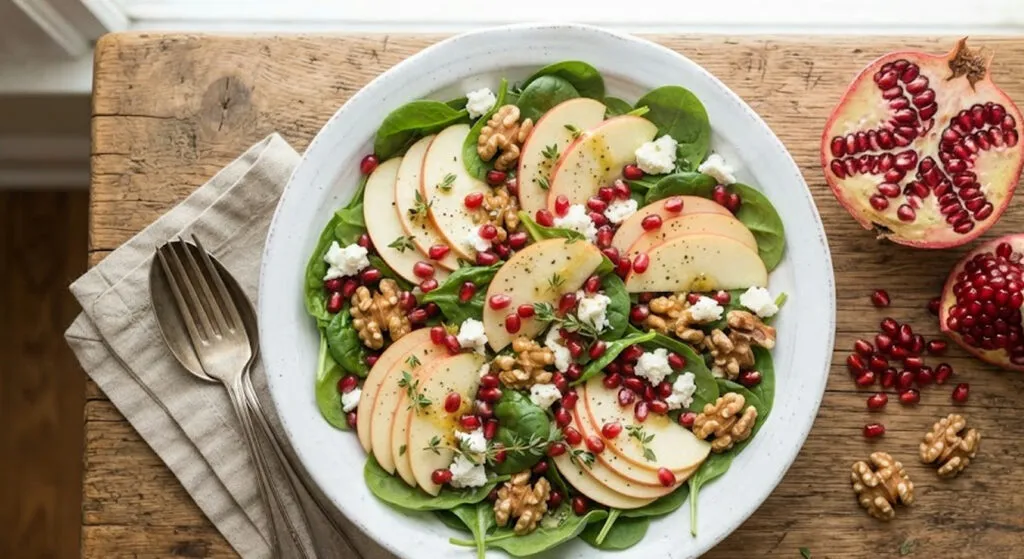
The seeds burst between your teeth, the sweet-sour taste tames the salty, and the juice is a ready-made dressing. In...
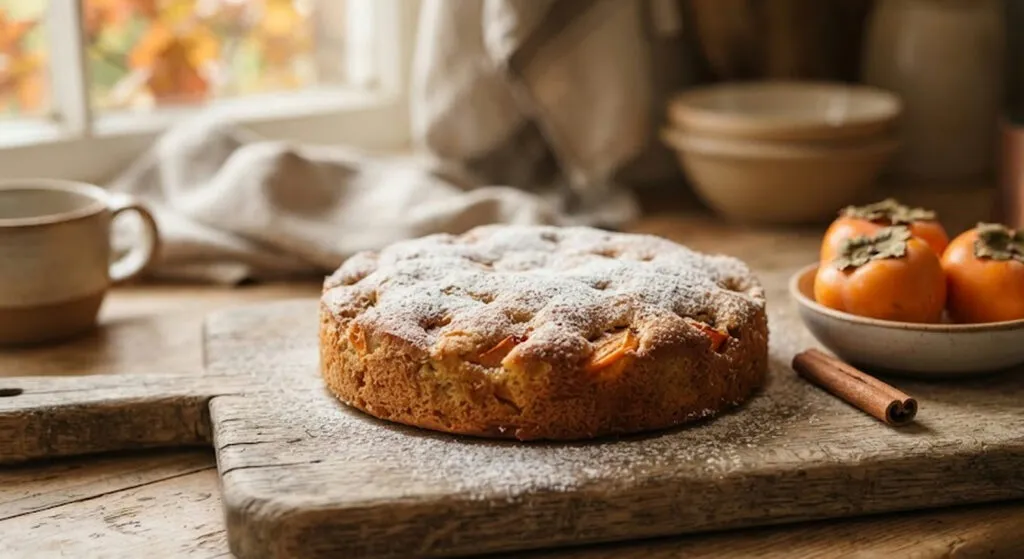
The persimmons that have gone too soft to eat are exactly the ones you need. A recipe for a 22-centimetre...
This site uses cookies - is that okay? Learn more
Be the first to know when Metla launches something new
Leave your email and we will write when there is a new guide or something new on Metla.