Wolf Captured in the Middle of Kozle, Skopje: Kept on a Chain Like a Pet, Now Heading to the Zoo
13.05.2026


13.05.2026

13.05.2026
13.05.2026

13.05.2026

13.05.2026

13.05.2026

13.05.2026

12.05.2026

12.05.2026
13.05.2026
13.05.2026

12.05.2026

13.05.2026

13.05.2026

13.05.2026
13.05.2026

12.05.2026

11.05.2026
13.05.2026
13.05.2026
13.05.2026

13.05.2026

13.05.2026
12.05.2026

09.03.2026

27.02.2026

19.02.2026

14.04.2026

07.11.2025
07.11.2025

23.04.2026

23.04.2026

12.04.2026

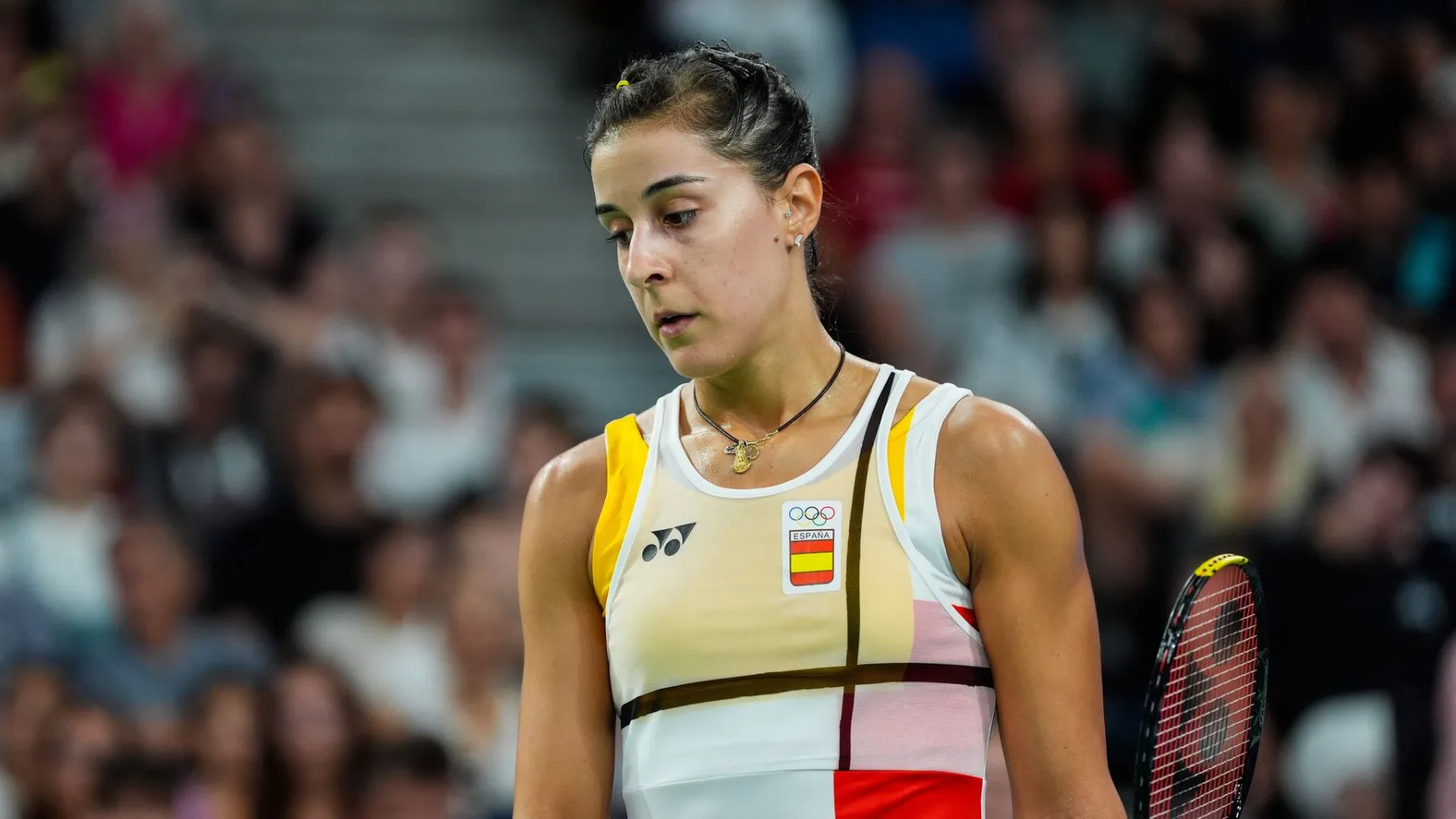
Carolina Marin, the Olympic badminton champion from Rio 2016, announced her retirement on 26 March on the Spanish show „El Hormiguero". Behind that decision lies a history used in sports medicine as a textbook case - three tears of the anterior cruciate ligament (ACL), two on the right knee and one on the left. The third occurred at the Paris 2024 Olympics, with additional meniscal damage.
Víctor Jiménez Aransáy, a physiotherapist at the CEMTRO clinic where Marin was treated, sums up the problem in a single sentence: the ACL is „one of the main structures that stabilises the knee". When it tears, the knee doesn't respond to turns, braking and changes of direction. As if you've stepped on a floor that no longer holds you.
Badminton, like tennis, basketball and handball, is among the sports with the highest risk for the knee. Quick changes of direction, explosive lateral jumps, constant acceleration and braking - no ligament is designed to endure that in unlimited quantity. Women athletes are in a special risk category: a wider pelvis and a larger „valgus" angle theoretically increase the risk of ACL tears.
Symptoms every recreational player should recognise: a sharp, immediate pain, a sensation of „popping", rapid swelling, the feeling that the knee „gives way", difficulty walking. This is not something to wait out - it's a job for an urgent scan and urgent examination.
Treatment classically involves surgical reconstruction of the ligament using a tendon, repair of the meniscus if possible, and long-term physiotherapy. The problem arises in a damaged joint - cartilage has very little capacity to regenerate. That's why specific damage stays with the patient for life.
Marin said something every athlete with more than one operation understands intimately: „I will probably never be able to kneel again". Loss of flexibility after multiple operations is real, and kneeling - with all the pressure it puts on the menisci and cartilage - often becomes a sport-ending move.
Behind her retirement decision isn't only badminton. It's quality of life for the next 40-50 years. That's a lesson also for the recreational players in the Balkans, who chew up their ACLs every weekend in amateur tournaments - by delaying treatment „until it hurts less". Pain doesn't mean victory. Sometimes it means the knee is already giving up.
The latest 10 news from this category
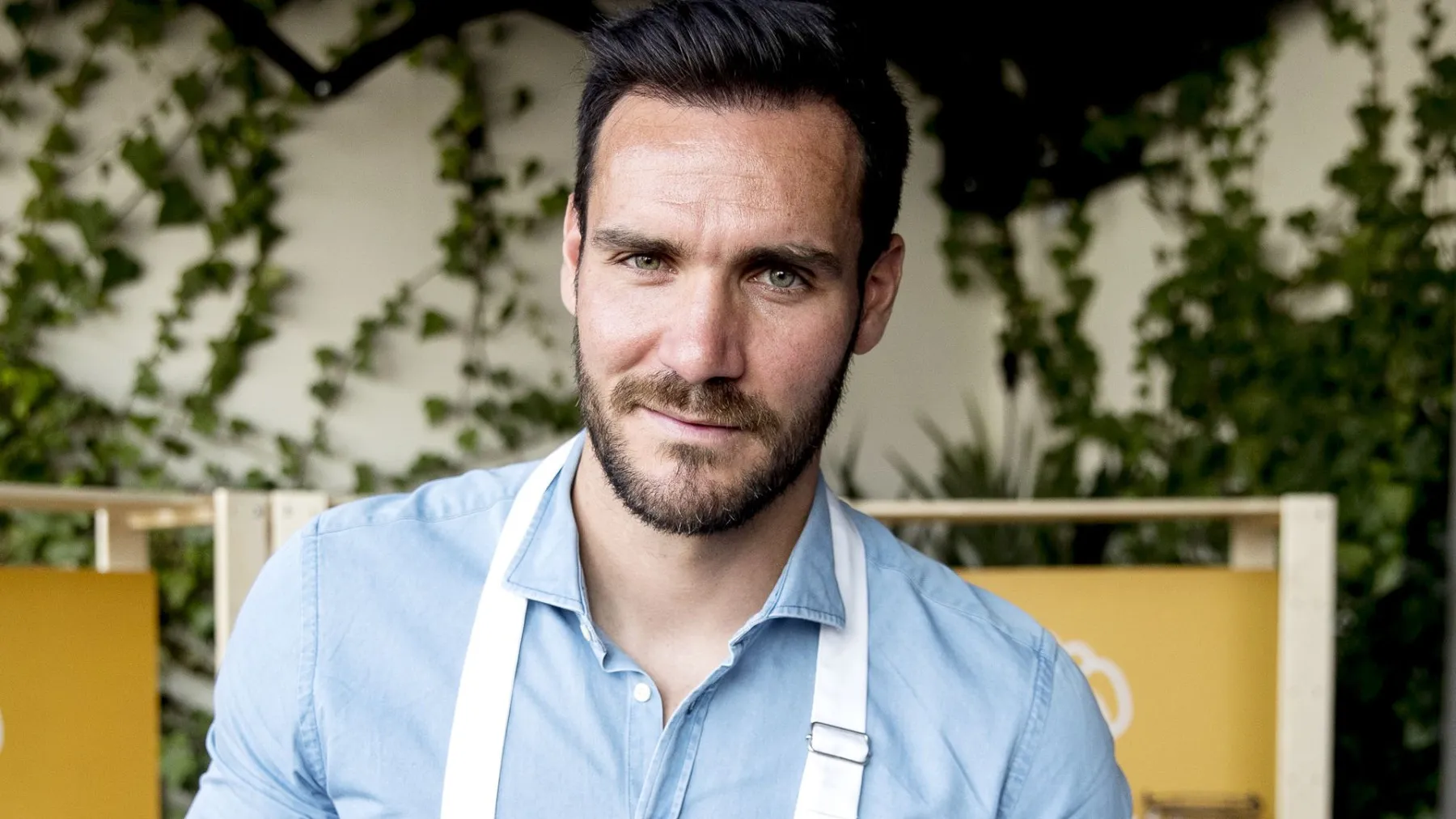
Saul Craviotto shows how with three ingredients and a waffle maker you can put together brunch for four - no...
Macedonian mixes them up. The Spanish do not. Chocolate needs peppermint, tabbouleh needs spearmint - and every real cook knows...

TikTok is full of clips of people running five kilometres on the spot. The trainer's message - your joints will...

Poached eggs and hollandaise sauce - more maths than magic. Ramsay, Garcia and Blumenthal agree on one thing.

Doesn't dismiss, doesn't praise - explains. And reveals something useful about the wellness industry that lives off panic.
Quick proteins at the start, red meat and lentils for the end - the old logic of our grandmothers with...

Tryptophan, magnesium and zinc - useful, yes, but the dose has to be treated the same as any other so-called...

400g of pasta, 500g of mince, cinnamon, nutmeg and clove - plus a thick layer of béchamel that arrived in...

The Spanish actress combines ballet with resistance training; experts from three fitness centres analyse the details. For a woman past...

You don't need to sacrifice flavour to cut fats and sugars - the classic can be made differently, at around...