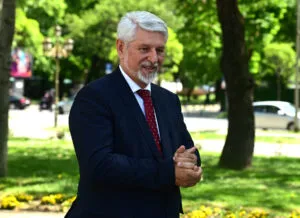
A New Criminal Complaint Against Jakimovski: A Building Permit Based on a Plan Struck Down Back in 2018
16.09.2026


16.09.2026

16.09.2026

16.09.2026
16.09.2026
16.09.2026

16.09.2026
16.09.2026
15.09.2026
14.09.2026

16.09.2026

16.09.2026

15.09.2026

16.09.2026

15.09.2026

14.09.2026

16.09.2026

16.09.2026

16.09.2026

16.09.2026

15.09.2026
15.09.2026

09.03.2026

27.02.2026

19.02.2026
16.09.2026

15.09.2026
14.09.2026

23.04.2026

23.04.2026

12.04.2026

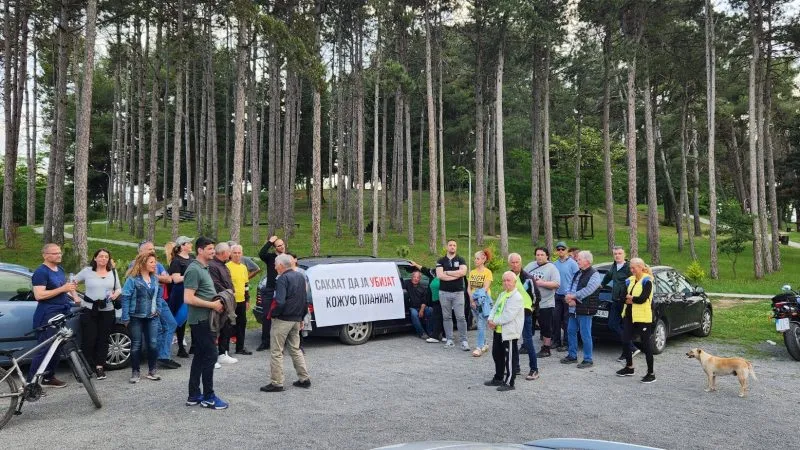
The diggers are returning to Kozhuf mountain. The concession holder for the construction of a small hydropower plant on the Doshnitsa river has received an extended permit, and the activists who camped on the road for months last year - are returning to the barricades. The Doshnitsa is one of the last untouched mountain waters in the country, and with the construction of a small hydropower plant, it risks being put into a pipe.
Last year, after 72 days of blockade and a strong public reaction (including support from Greta Thunberg), the machinery was withdrawn. The activists thought that was a victory. They are learning now that in Macedonia „victory" means „pause" - the concession holder comes back as soon as the political pressure eases.
This time there are new elements. According to activists, the concession holder is also bringing in private security - to fight off the inevitable blockades. In other words: this phase of the conflict will be harsher than the previous one. Citizen activists from Gevgelija, Kavadarci and nearby towns are already organising new protests.
„We know they're preparing to bring in machinery with security, but the Doshnitsa is ours and no force will make us stay silent while one of the last clean rivers and natural treasures is being destroyed. We will stand in front of the diggers, in front of the machinery and in front of every attempt to put the Doshnitsa into a pipe", said the activist organisation Changemakers.
The question that remains unanswered is - why build small hydropower plants in areas that are natural treasures, when their energy contribution is minimal? Small hydropower plants don't solve any energy crisis. They generate modest electricity - while destroying ecosystems that cannot regenerate. The economics don't even add up.
Concession holders get those permits because there are legal frameworks that let them. Local authorities often back them - because that's easier than fighting them. And then, when local citizens block the road, politicians show up with statements of „support" - and disappear once the machinery returns. It's a pattern Shar Mountain, Mavrovo and Pelister have already seen.
For the Balkans, Doshnitsa is a symbol. Not only for the river. But for the model: how much a small mining asset is worth against one piece of clean nature. The activists believe the answer is obvious. The concession holders and their political partners take the opposite view. And this year, Kozhuf will once again be the arena for that argument.
The latest 10 news from this category

The World Bank dropped out over misalignment with EU requirements. Construction will take two and a half years, and the...
Of 9,500 square metres of greenery, 268 remain. Terrain with an 80-metre height difference, no erosion study and no opinion...
Gjorgjievski says the system should be ready by the middle of next year. The BRT tender is announced for the...
The second operation at the same site within a year. Gerasimovski himself is appealing to the Labour Ministry - because...
A prosumer scheme, a solar oven and electricity generated by bicycle on Magnolija square. The city that has paid the...
Stefanija Dimovska won two medals at IESO 2026, working in mixed international teams. Before that she was also national champion...
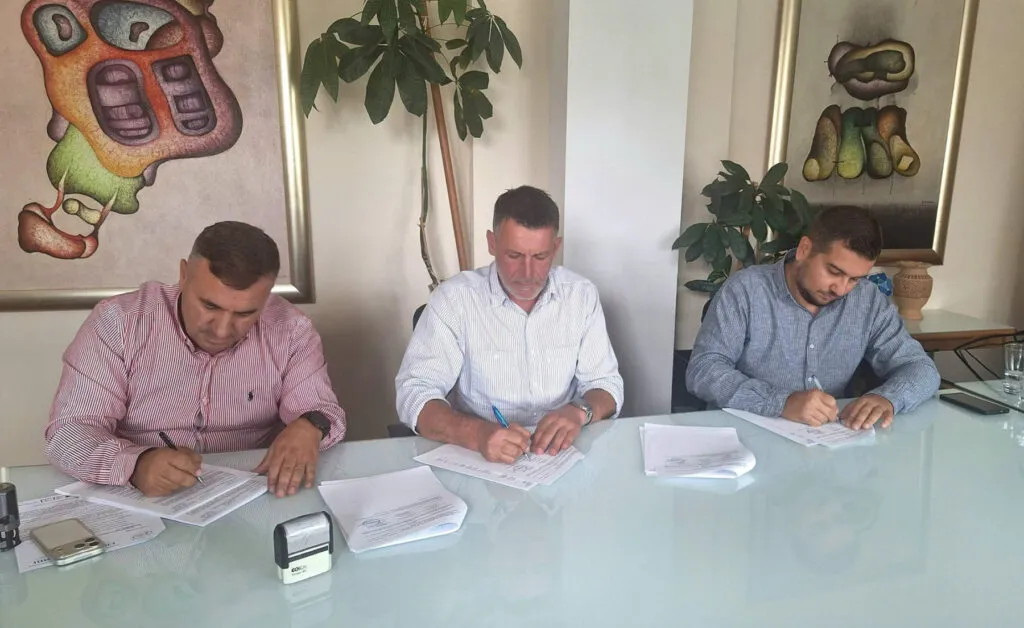
Out of nearly 4.7 million denars, the municipality is putting in around 180,000. The rest comes through the Bureau for...

Ten years working inside the health system - and she still had to pull strings to be admitted. The clinic...
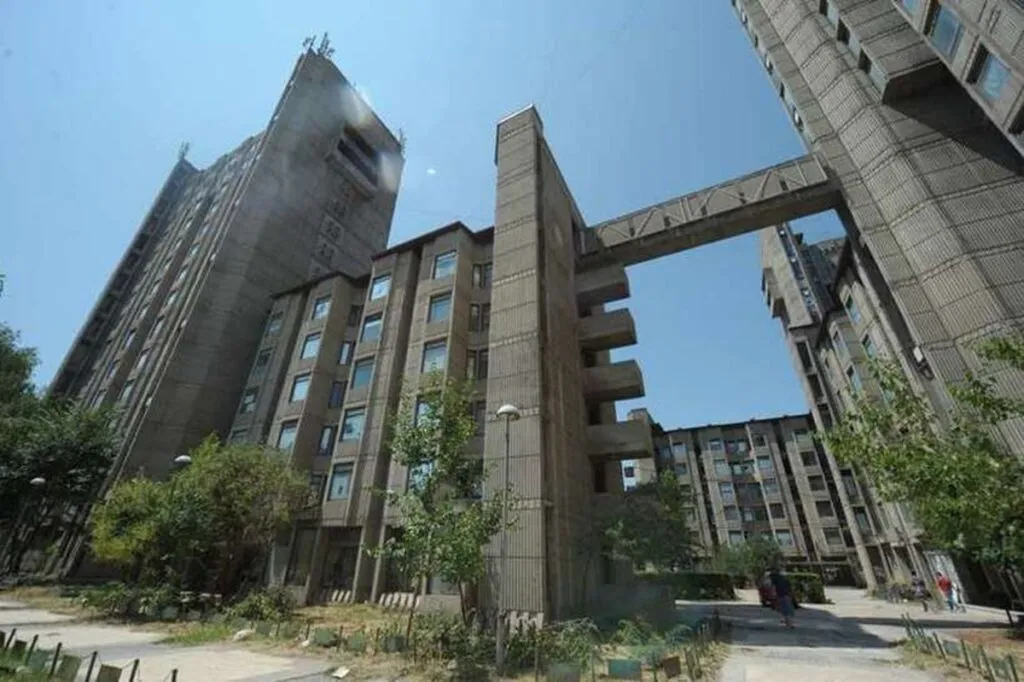
Appeals run from 15 to 25 September. There is not enough space at Goce Delčev, so students go to Stiv...
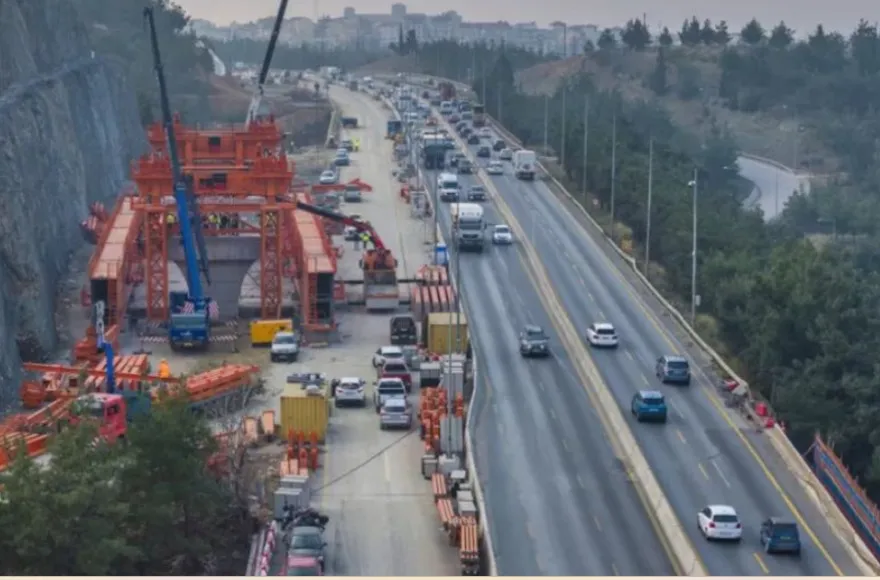
From 23:00 to 05:00 there is no getting through towards Evzoni. Towards Halkidiki - business as usual. Those heading on...
This site uses cookies - is that okay? Learn more
Be the first to know when Metla launches something new
Leave your email and we will write when there is a new guide or something new on Metla.