
The "Lottery" Trial: 231 Pieces of Evidence, and So Far Not a Single Message Between Grubi and Bajrami
24.09.2026


24.09.2026

24.09.2026

24.09.2026

24.09.2026

24.09.2026

24.09.2026

24.09.2026

23.09.2026

22.09.2026

24.09.2026

24.09.2026
23.09.2026

24.09.2026

24.09.2026

24.09.2026
24.09.2026
23.09.2026

22.09.2026

24.09.2026

24.09.2026

24.09.2026

24.09.2026

23.09.2026

23.09.2026

09.03.2026

27.02.2026

19.02.2026

24.09.2026
23.09.2026

22.09.2026

23.04.2026

23.04.2026

12.04.2026


One of the most common fantasies of older-flat owners is „let's just take down that wall between the kitchen and the living room". The result - more light, more space, the „European look". The reality - two and a half months of horror, unexpected bills, and sometimes disappointment. Spanish architect Paloma Ibara lists ten questions every owner needs to answer for themselves before calling the builder.
First and most important - define the goal. Do you want more light? Better flow? More room to host? Or just „the Instagram European look"? Different goals require different solutions. Without a clear goal, the project sets off without a compass.
Second - load-bearing. The same wall could be a partition (light) or load-bearing (the whole upper floor is on it). Ibara puts it in one sentence: „If in doubt, you have to make a sounding and bring in an expert". Striking a load-bearing wall is not a DIY job. It's a job for a structural engineer.
Third - functionality. A fully open space looks great in a photo. But in everyday life, the „open concept" means every sound from the kitchen (blender, dishwasher, pan splattering) carries through the whole flat. Sometimes a half-partition is the better choice than a full opening.
Fourth - alternative solutions. It doesn't have to be „wall or nothing". Glass partition. Partial opening. A low wall. A wooden screen. All these offer a visual link, but with control over sound, temperature and smells. Parisians have been doing this for decades - and they rarely think of knocking the whole wall out.
Fifth - hidden installations. Electricity, plumbing, heating - all can be in that wall. Moving them costs additional time and money. Sometimes it's precisely this that escalates a project from 5,000 to 15,000 euros.
Sixth - schedule. For a full renovation of a 100 m² flat, the realistic span is 4-5 months - with demolition, installations and finishing. Not two months, as most people think. And you have to live somewhere during all that time, which is another bill for rent.
Seventh - surfaces. On the floor, ceiling and side walls there will be traces of the wall. Edges that need patching, possible discontinuity in tiles, a line on the ceiling. Finishing those spots is a job for a good craftsman - not for the first one who answers an ad.
Eighth - budget. A load-bearing wall with all the surrounding hassle (engineer, support, new beam) costs much more than just punching through a partition. Reserve 5% for unexpected costs - and that's optimistic. Reality is often 10-15%.
Ninth - habit changes. When a flat opens up, all your daily paths through it change too. When you work from home and the kitchen is five metres from your office, you will no longer be able to concentrate. Think about how you'll live in the new layout before you make it.
Tenth - comfort. Open spaces lose acoustics and thermal control. Design „climate zones" inside the open space. A rug to dampen echo. Curtains for thermal insulation. Greenery as a natural barrier. Without those elements, the open space can be beautiful - and unliveable.
For the Balkans, where most flats have recognisable 30-40 year-old partitions, this list is especially important. „Open concept" is no magic cure. When you do it without a plan, you end up with 100 square metres where everyone bumps into each other in the kitchen. And then you dream of the wall you took down.
The latest 10 news from this category
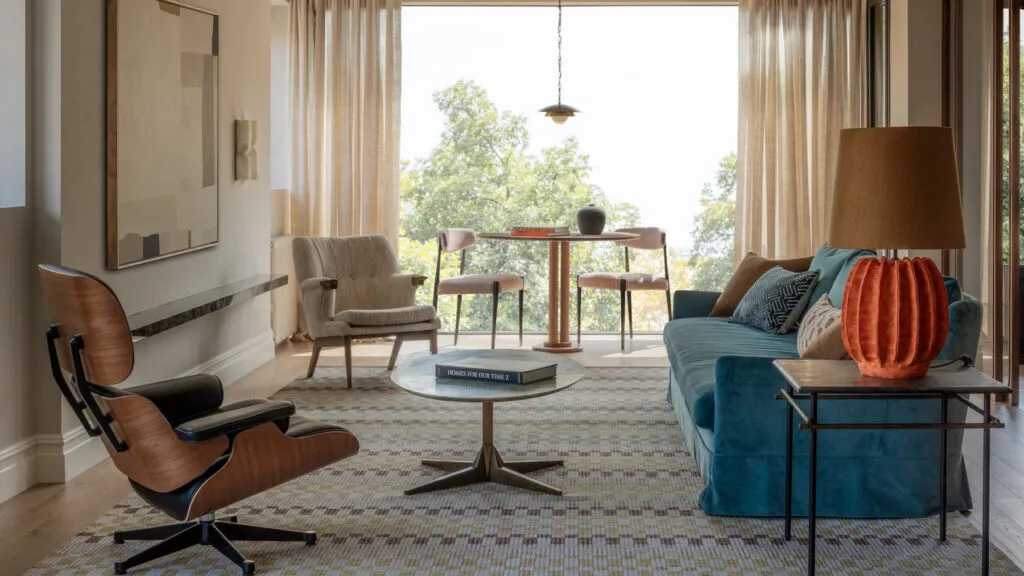
Luxury isn't about showing off, it's about detail, says the architect. That's why the best light in this flat went...
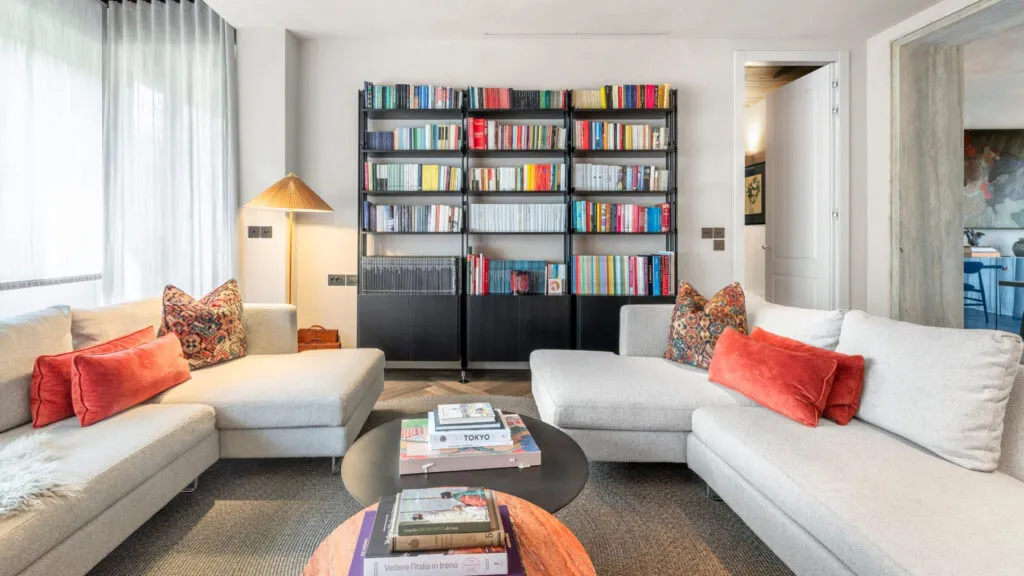
The exposed brick and ribbon windows stayed, and the entire palette came out of a single painting above the sideboard....

An Eames lounge chair from 1956, a Fratini shelving unit and a concave cobalt mirror that reflects the room curved....
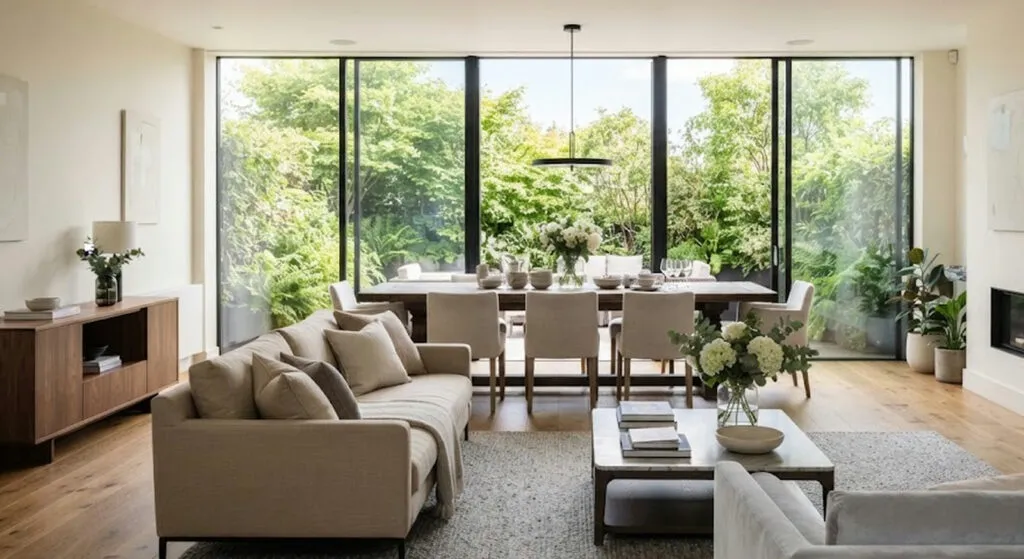
Four bedrooms, four bathrooms and one rug that keeps the dining area separate without a wall. Three things in this...

She did not decorate a house - she built a world. And behind all that fantasy there is no inheritance,...
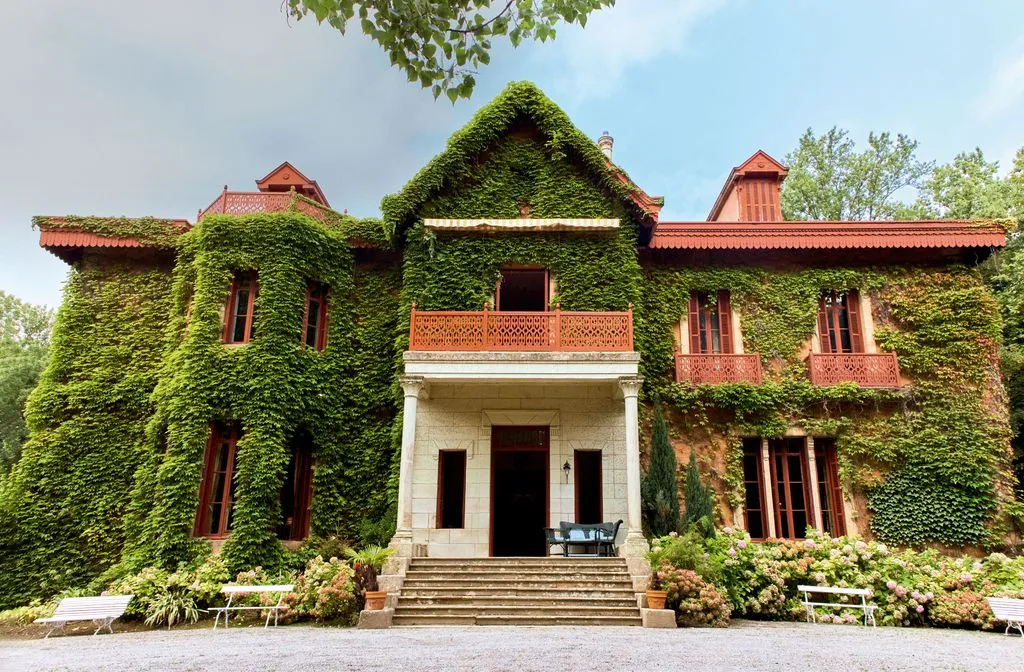
The stairwell has been turned into a gallery, and in the bedroom there is not a single attempt at an...

In the vast majority of flats the ceiling stays white because that is how it was found - not because...
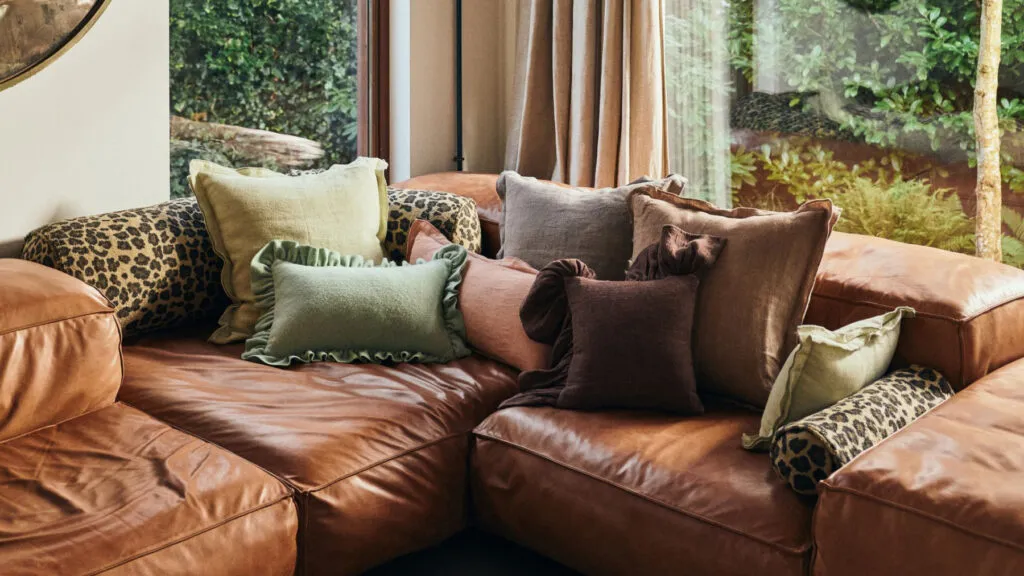
It is not hoarding and it is not maximalism. Ten things that used to be hidden when guests came and...
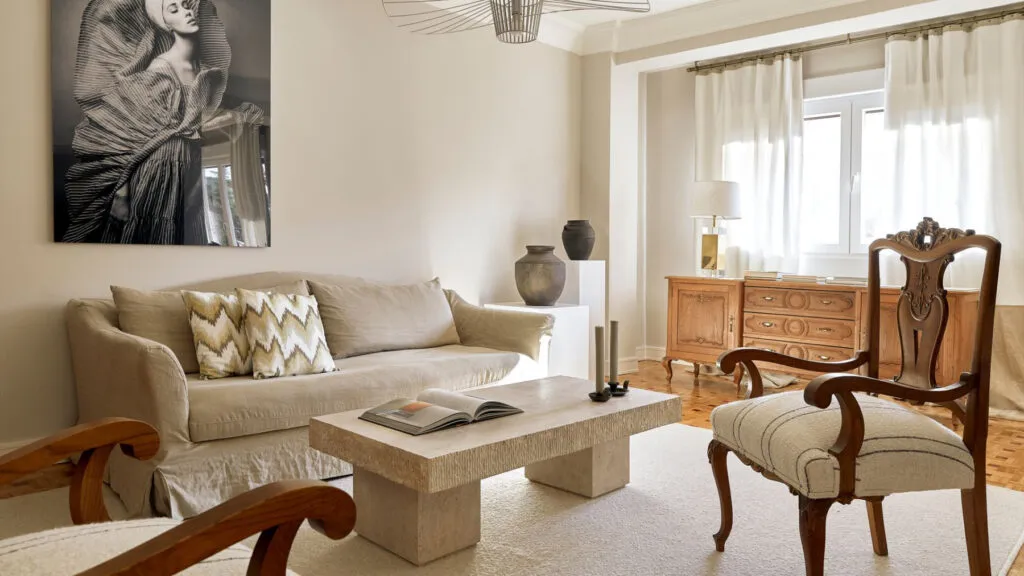
A bespoke console, reupholstered armchairs and wallpaper hung like art. The most expensive thing in the flat is the decision...
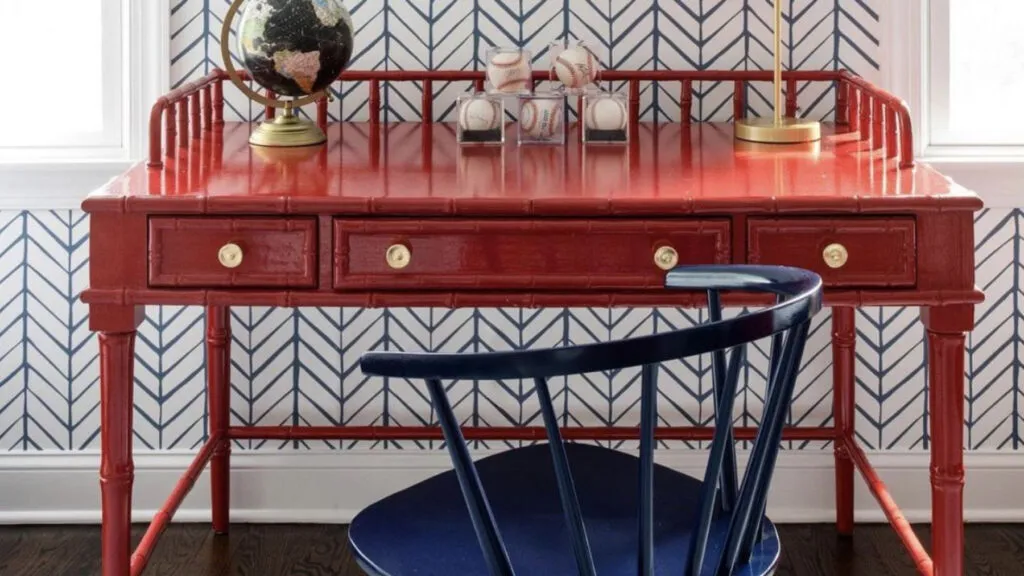
For years the rule was everything neutral and everything from the same collection. The result is a living room that...
This site uses cookies - is that okay? Learn more
Be the first to know when Metla launches something new
Leave your email and we will write when there is a new guide or something new on Metla.