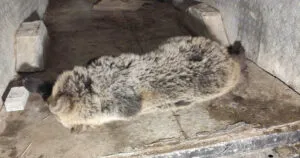
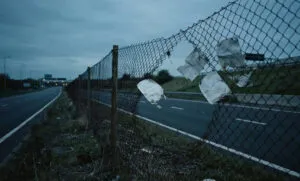
Bear cub killed on the Skopje-Tetovo motorway: the fence is a legal obligation, while the rescue team exists only in a Viber group
25.10.2026


25.10.2026
25.10.2026

25.10.2026
25.10.2026

25.10.2026
25.10.2026

25.10.2026

25.10.2026

25.10.2026

25.10.2026

25.10.2026

24.10.2026

25.10.2026

25.10.2026

25.10.2026
25.10.2026

24.10.2026

23.10.2026

25.10.2026

25.10.2026

25.10.2026

25.10.2026
25.10.2026

25.10.2026

25.10.2026
25.10.2026
24.10.2026
24.10.2026
22.10.2026
20.10.2026

23.04.2026

23.04.2026

12.04.2026

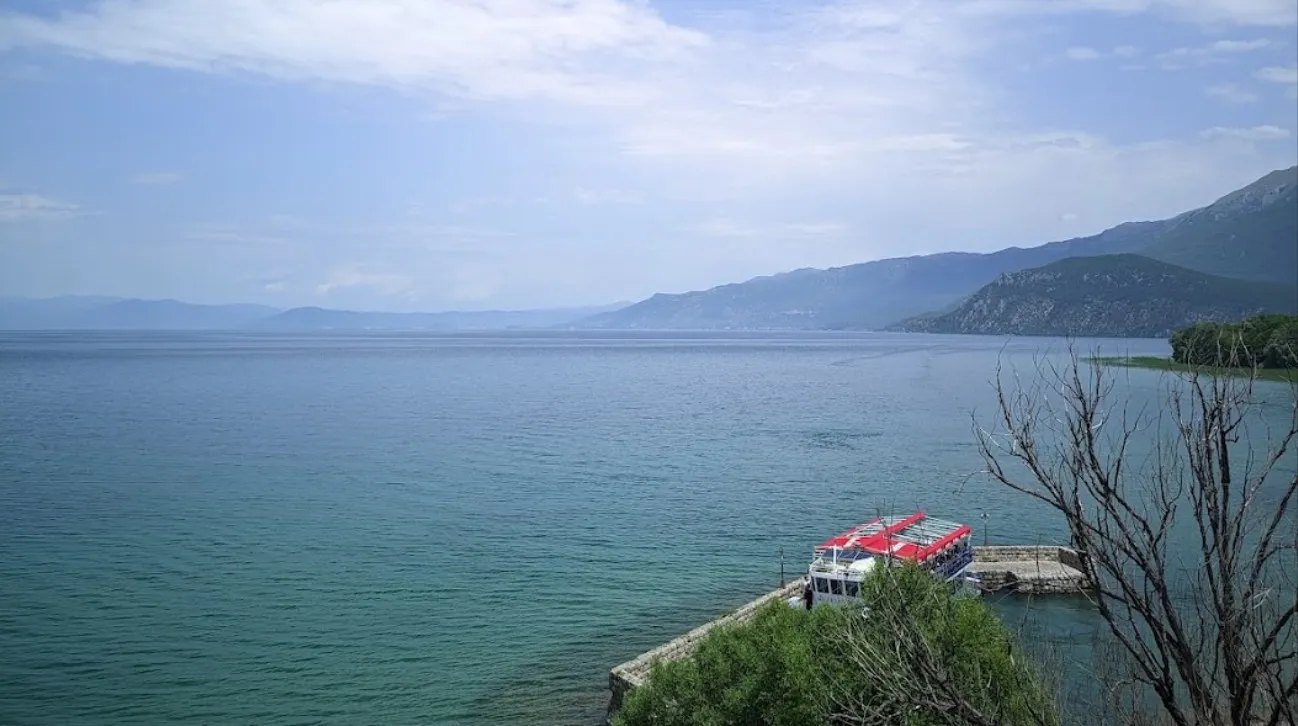
The Institute of Public Health has published its annual report assessing the quality and safety of surface bathing waters. The conclusion comes in two chapters that refuse to look each other in the eye.
Chapter one: the water of Lake Ohrid is safe for swimming. Lab analyses of samples taken between 20 May and 24 June place it in the first class, and most beaches are rated „excellent”.
Chapter two: into that very same lake, in certain places, raw sewage flows directly.
The list the Institute wrote down in black and white
To protect the lake, a collector system was built to gather waste water from Ohrid and Struga and carry it to the treatment plant in the village of Vranishta. The system exists. The problem is who is not connected to it.
According to the report, the hotels, restaurants and tourist settlements along the entire shoreline remain unconnected - from the „Desaret” hotel down to Sveti Naum, and from Struga to the village of Radozhda. Along that whole stretch, the single connected property is the „Makpetrol” hotel. One. The remaining private houses along the shore, along with the villages of Trpejca, Ljubanishta and Radozhda, use septic pits.
And on Radozhda the report is mercilessly precise: the septic pits from the houses either empty straight into the lake, or - being right on the beach itself - seep into it. Not „a risk of”. Not „potentially”. Direct polluters, the document says.
Sveti Naum: a 2013 system that doesn't work
The most glaring case is Sveti Naum. The sewer system there was built back in 2013. Thirteen years on, it does not provide full treatment: all that works is a grinder for the sewage, with no filters and no chlorination before it is discharged into the lake.
A grinder. Meaning the contents get chopped up and go into the lake. That is the entirety of the „treatment” at one of the most visited sites in the country.
Also polluting: the bars set up directly on the beaches, the swimming pools attached to the restaurants, and the storm-water outflow pipes into which - as the Institute writes - sewage discharges have been connected, deliberately or otherwise.
Where the water no longer passes the test
The results are not the same everywhere. At the Grashnica measuring point, where a storm-water outflow sits, the quality is rated third class and fails the microbiological criteria. At the „Royal” hotel, at Labino and at the Studenchishta canal the water rates „good” instead of „excellent”.
These are not random dots on a map. They are precisely the places where the report had already listed an outflow, a bar or an unconnected property. The result follows the cause like thread through a needle.
The message everyone reads wrong
The Institute recommends urgently fixing the defects in the existing collector system and connecting the properties still not tied in. That is a recommendation, not a solution - recommendations get written every single year.
The headline the public will remember is „safe for swimming”. That is accurate, and it's good that it's accurate. But „safe for swimming today” and „the lake is clean” are not the same sentence, and the gap between them is called thirteen years of a grinder with no filter.
Lake Ohrid is UNESCO-protected and is the greatest natural asset this country owns. It isn't being poisoned out of malice - it's being poisoned by a connection nobody made and a project nobody finished. How many more years of „safe for swimming” do we need before we stop reading that phrase as permission to do nothing?
The latest 10 news from this category
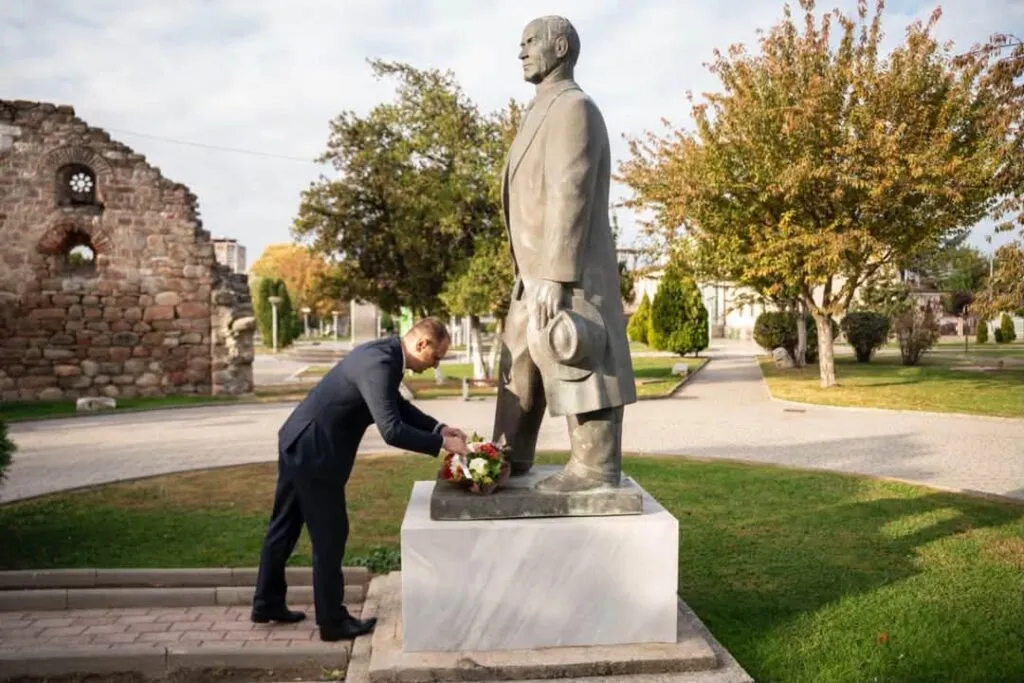
Wreaths, delegations and a message about building together. Chento, Gjorche Petrov and Pere Toshev left deeds, not speeches - the...
VMRO-DPMNE says Centar is waving through construction with no parking and no greenery, the mayor says investors are blocking the...
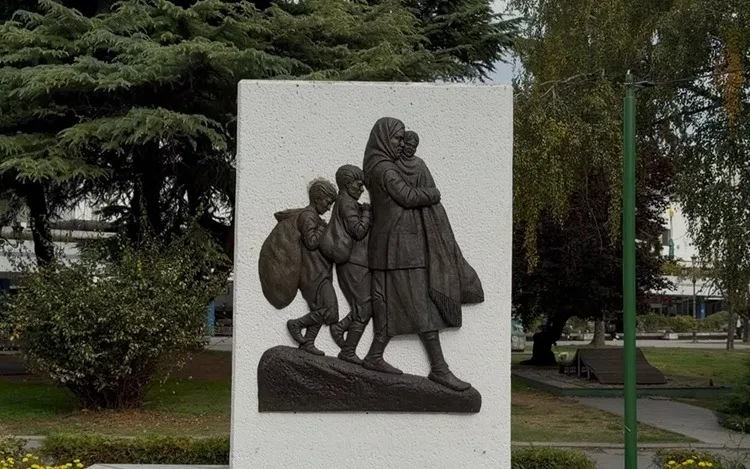
A mother fleeing with three children, the symbol of some 28,000 children driven out of Aegean Macedonia. Skopje restored the...
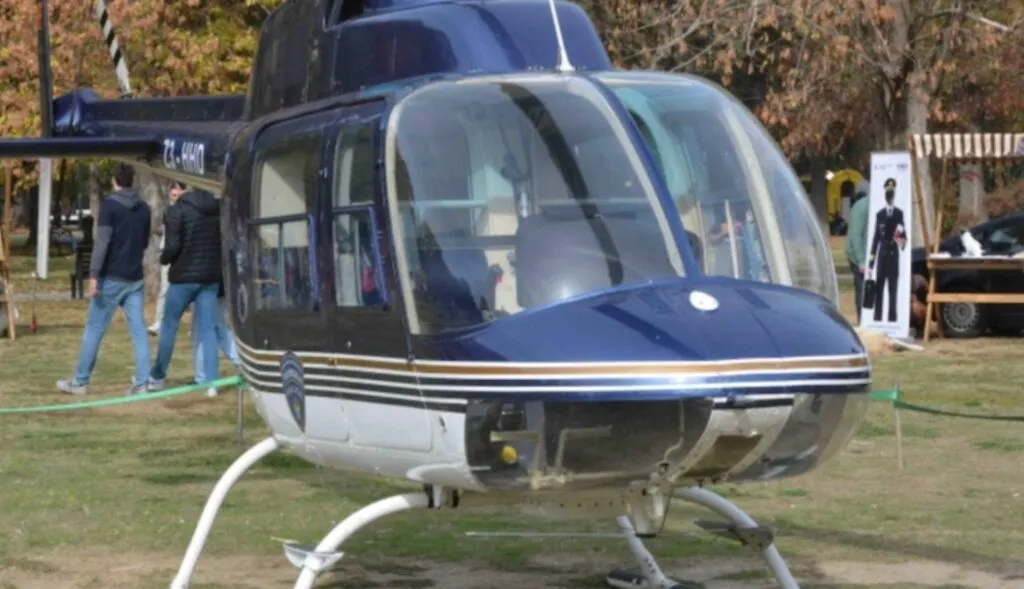
The police helicopter, airlines and academies from across the region in one place. Strong turnout - but how many of...
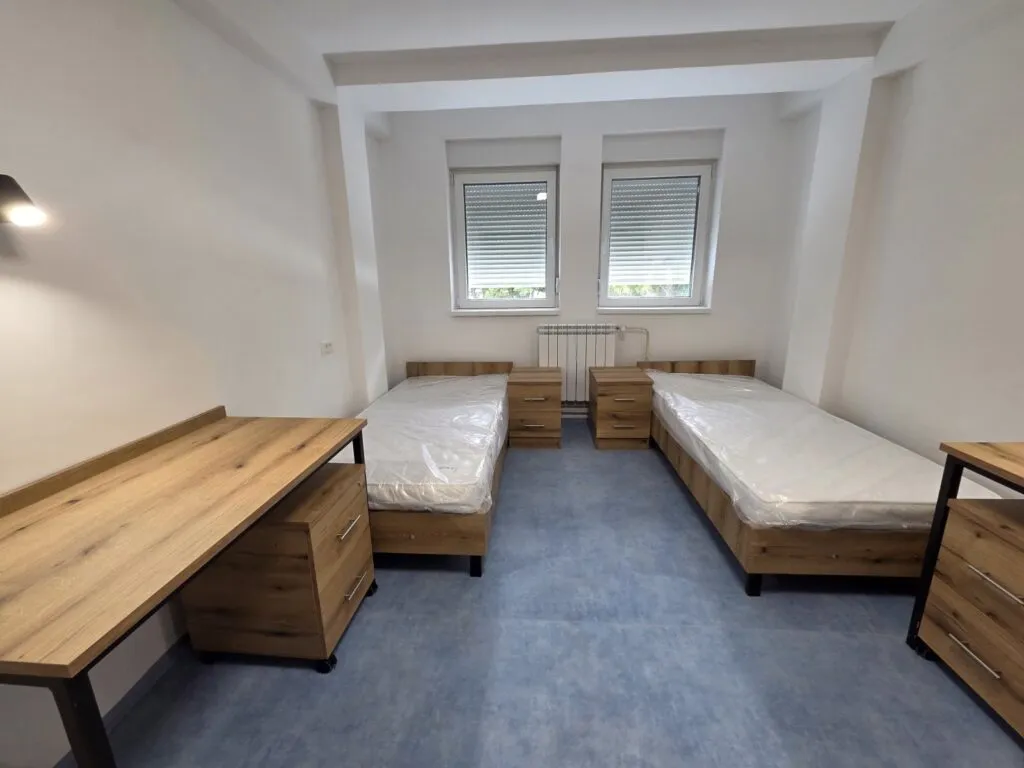
Students pay almost twice as much for "European standards" and got damp and cold radiators. The ministry responds with a...
Of 341 buses, 185 are roadworthy, and the city is once again debating BRT, light metro and a city train....

One day off was enough for queues towards Serbia, Kosovo, Bulgaria and Greece. And on the motorway to Bogorodica, one...

Older people come every year; the high-risk groups doctors worry about most rarely do. The first 30,000 doses are here,...

From 700 entrants in 2007 to 15,040 runners from 63 countries. In the region, only Ljubljana ran bigger.
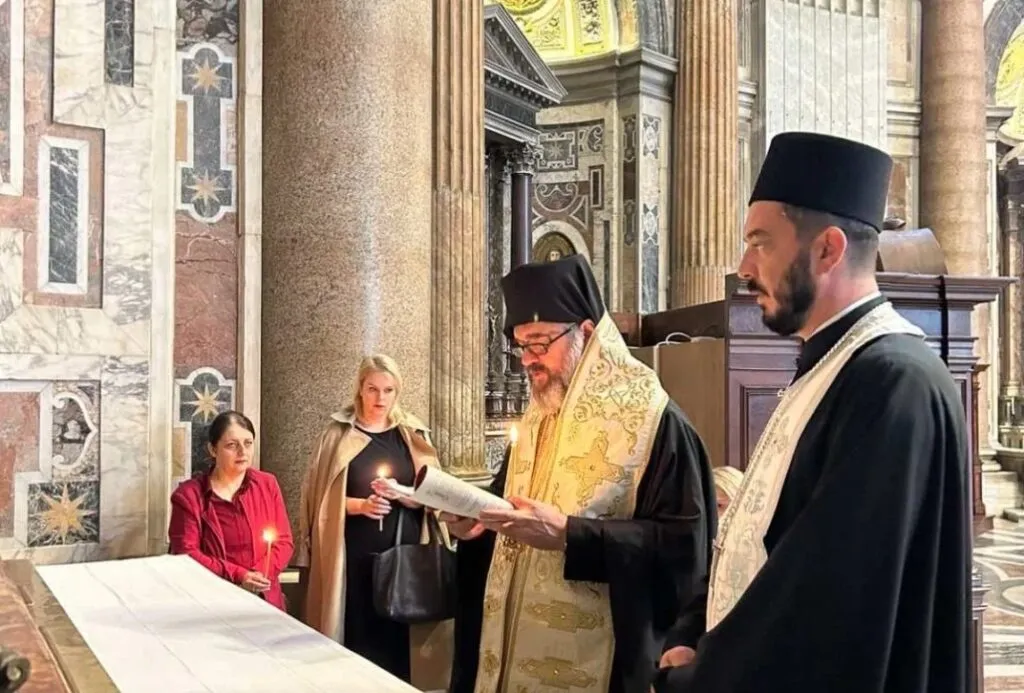
Metropolitan Georgij in Rome: at the altar of the Ohrid saint, then face to face with the patriarch who holds...
This site uses cookies - is that okay? Learn more
Be the first to know when Metla launches something new
Leave your email and we will write when there is a new guide or something new on Metla.