A New Criminal Complaint Against Jakimovski: A Building Permit Based on a Plan Struck Down Back in 2018
16.09.2026


16.09.2026
16.09.2026
16.09.2026
16.09.2026
16.09.2026
16.09.2026
16.09.2026
15.09.2026
14.09.2026
16.09.2026

16.09.2026

15.09.2026

16.09.2026
15.09.2026
14.09.2026

16.09.2026

16.09.2026

16.09.2026

16.09.2026

15.09.2026
15.09.2026

09.03.2026

27.02.2026

19.02.2026
16.09.2026
15.09.2026
14.09.2026

23.04.2026

23.04.2026

12.04.2026

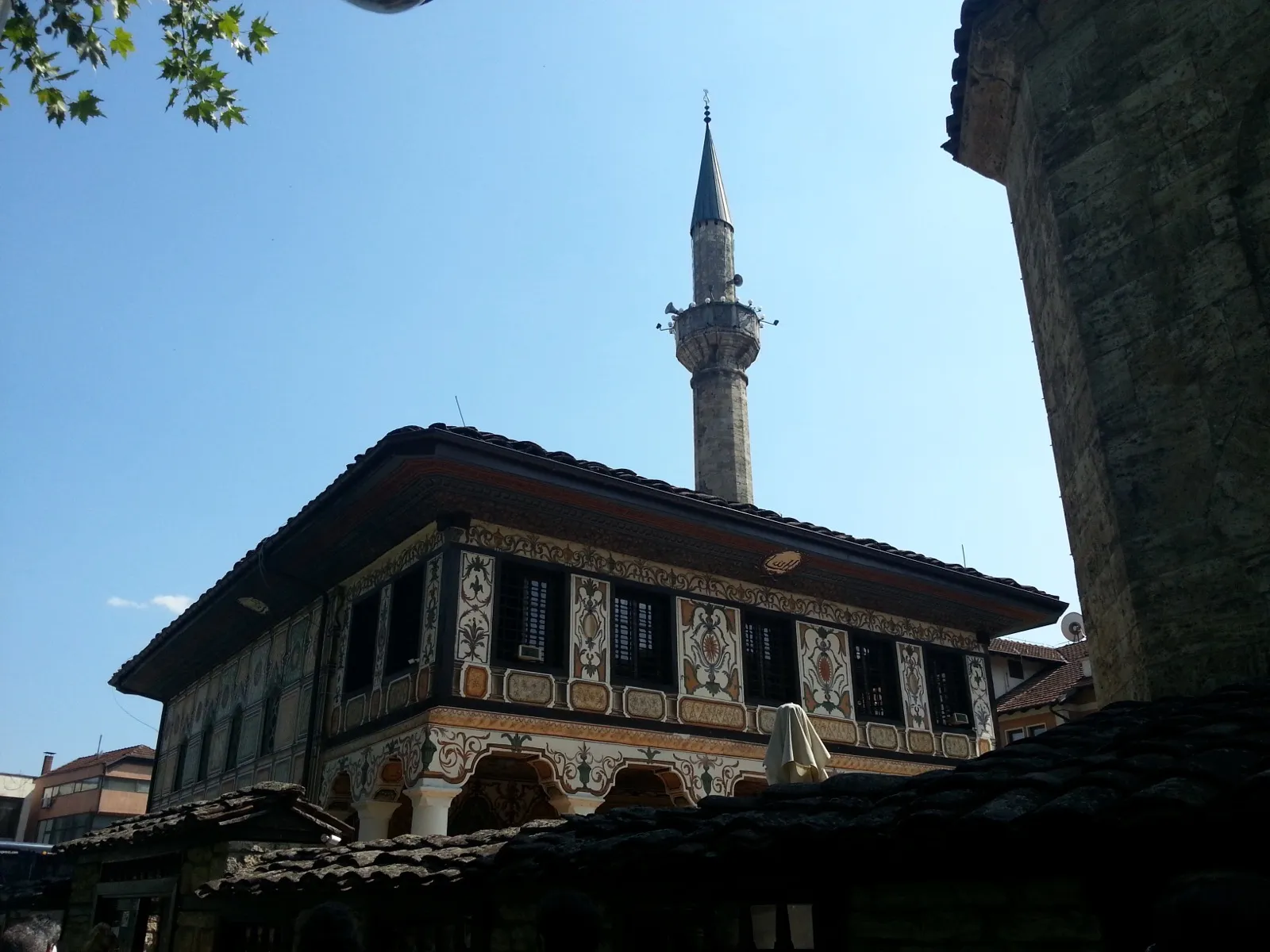
Twenty years. That is how long Tetovo waited for the restoration of its clock tower to begin. Now they are finally digging - with a donation of 200,000 euros from the Turkish city of Konya.
The foundations are exposed, the footprint has been set, and now they are waiting for the underground infrastructure network running beneath the site to be relocated so the works can start. Tetovo mayor Bilal Kasami says that once the Conservation Centre prepares the main design, the full financial structure will be known, along with how much will need to be co-financed together with the Ministry of Culture and Tourism.
Twenty lost years have a date
The chronology is worth reading slowly. The building's foundation sections were first uncovered in December 2005. In March 2006 the archaeological research continued. A restoration project was drawn up - and back then it was judged to be a plagiarism of the clock tower in Gostivar.
„That is roughly where all activity ends," says Aleksandar Jordanovski, director of the National Conservation Centre.
Roughly where. Twenty years fit into „roughly where" in a single sentence. One badly executed project, and the site stayed a hole in the ground for two decades - not because of a war, not because of an earthquake, but because nobody came back to finish the job.
What did it look like? Nobody knows exactly
The strangest detail in the whole story: artificial intelligence was used to produce the design, because there is no accurate record of what the tower looked like - there are only two or three photographs from the last century showing it half-ruined.
Jordanovski requested additional historical research and brought in Branislav Svetozarević, a historian from the State Archive of Macedonia, through whom new information about its appearance was found. Then, using artificial intelligence, they generated an image based on the data they had.
So what will be built is a reconstruction based on a reconstruction. That is not a scandal - with two or three photographs it may be the only honest approach available. But it is worth naming what it means: had this started in 2006, the memory was closer, the sources more numerous, and the witnesses still alive.
Who paid, and who did not
Kasami says the reconstruction brings back an important piece of cultural heritage and that Tetovo will prove it knows how to preserve its history, tradition and culture. The new Minister of Culture and Tourism, Sedat Sulejmani, also attended the presentation.
A fine sentence. But the money behind it came from Konya. Two hundred thousand euros for the symbol of a Macedonian town was provided by a Turkish municipality, while the rest of the financial structure is yet to be worked out.
This is not a complaint against Konya - a donation is a donation, and let it stand. The question is a different one: if the symbol really is worth as much as the presentations claim, why did it take somebody else's budget to dig it out of the ground? Twenty years was enough time for someone not to wait on a gift.
The latest 10 news from this category
The World Bank dropped out over misalignment with EU requirements. Construction will take two and a half years, and the...
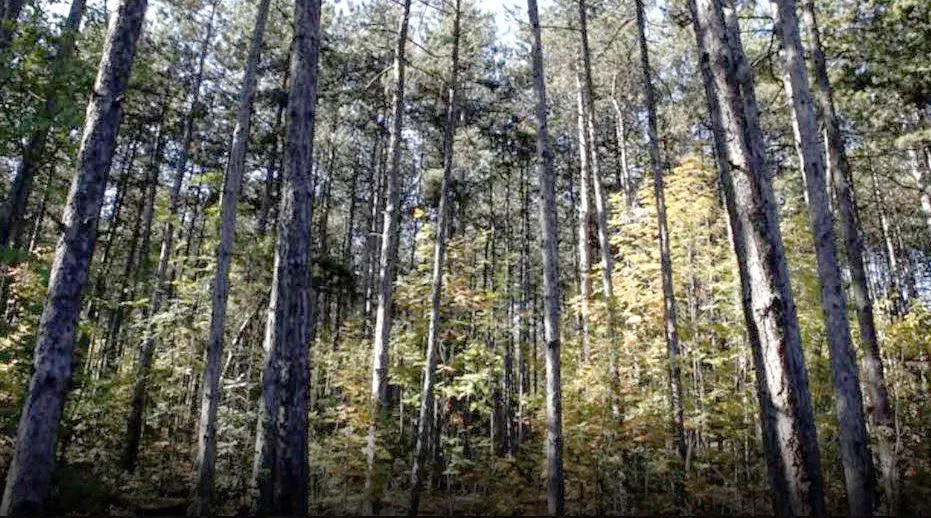
Of 9,500 square metres of greenery, 268 remain. Terrain with an 80-metre height difference, no erosion study and no opinion...
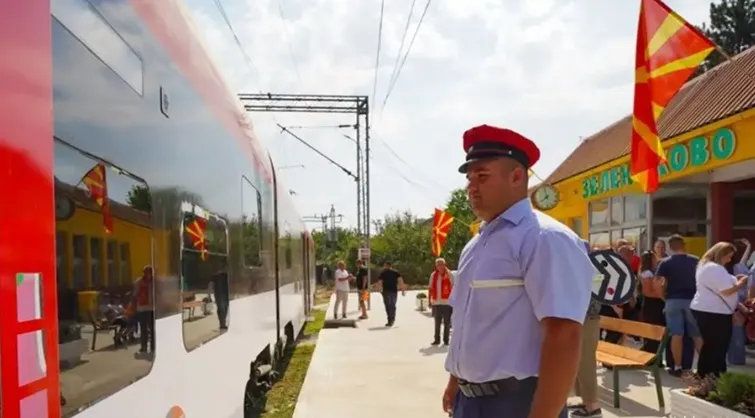
Gjorgjievski says the system should be ready by the middle of next year. The BRT tender is announced for the...
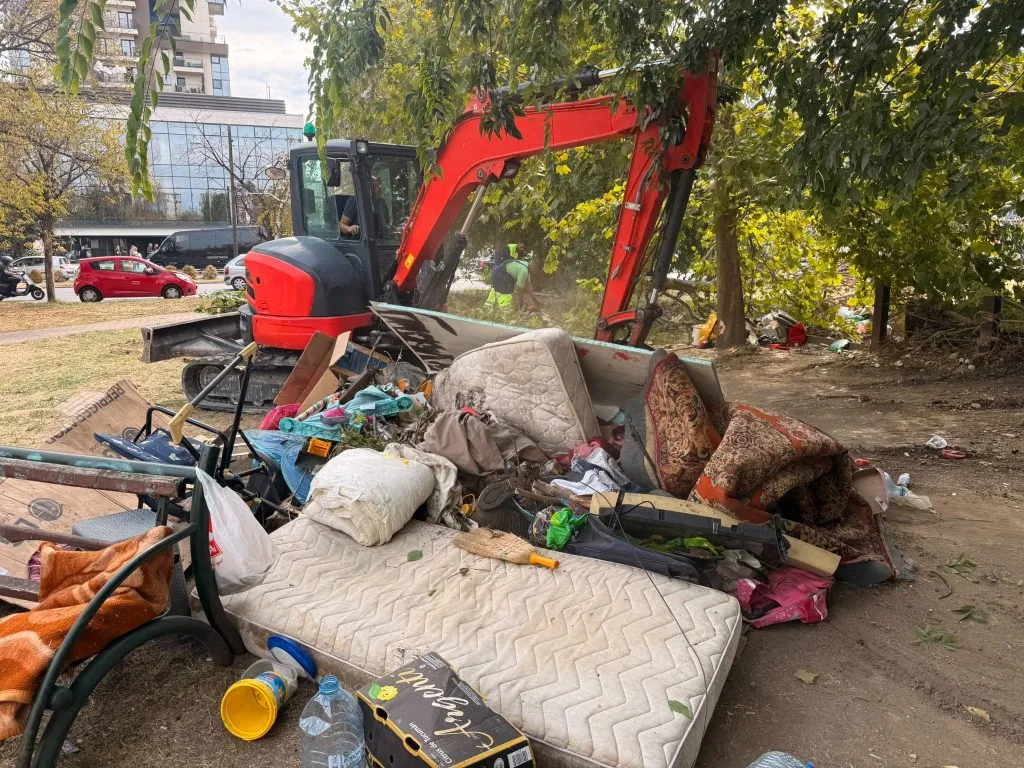
The second operation at the same site within a year. Gerasimovski himself is appealing to the Labour Ministry - because...
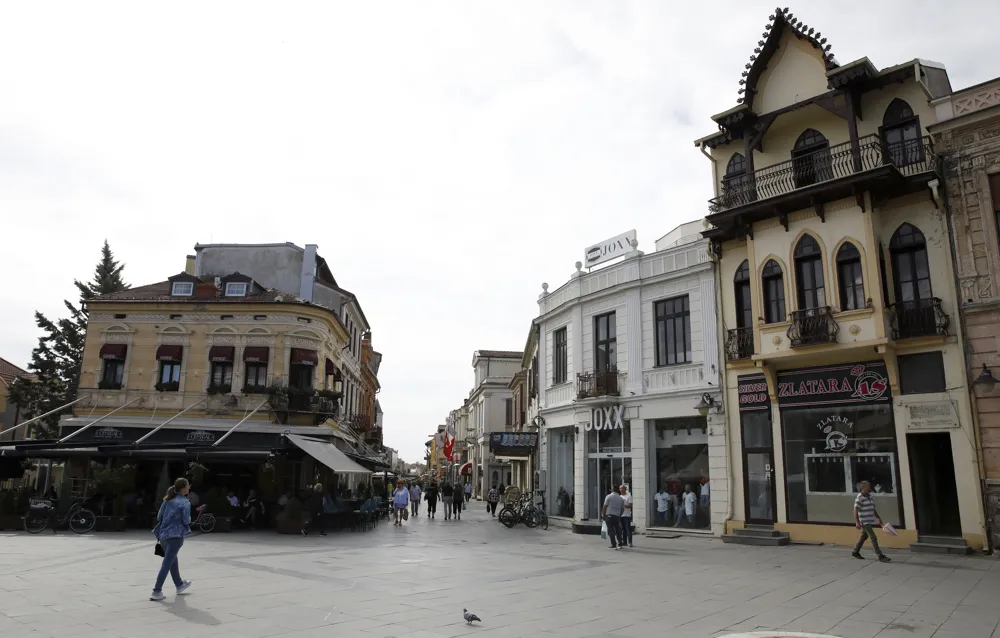
A prosumer scheme, a solar oven and electricity generated by bicycle on Magnolija square. The city that has paid the...
Stefanija Dimovska won two medals at IESO 2026, working in mixed international teams. Before that she was also national champion...
Out of nearly 4.7 million denars, the municipality is putting in around 180,000. The rest comes through the Bureau for...
Ten years working inside the health system - and she still had to pull strings to be admitted. The clinic...
Appeals run from 15 to 25 September. There is not enough space at Goce Delčev, so students go to Stiv...
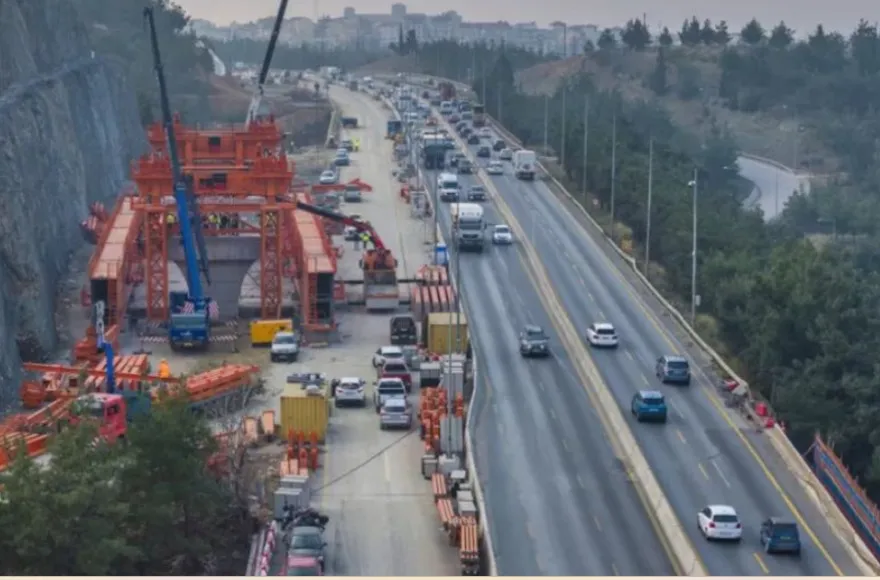
From 23:00 to 05:00 there is no getting through towards Evzoni. Towards Halkidiki - business as usual. Those heading on...
This site uses cookies - is that okay? Learn more
Be the first to know when Metla launches something new
Leave your email and we will write when there is a new guide or something new on Metla.