
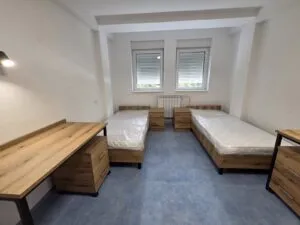
Stiv Naumov dorm renovated for around 10 million euros: a month later water runs through the walls and the ministry counts wet wipes
24.10.2026


24.10.2026
24.10.2026
24.10.2026

24.10.2026
24.10.2026

24.10.2026

24.10.2026

23.10.2026

22.10.2026

24.10.2026

24.10.2026

23.10.2026

24.10.2026

24.10.2026

24.10.2026

24.10.2026

23.10.2026

22.10.2026

24.10.2026

24.10.2026

24.10.2026

24.10.2026

23.10.2026
23.10.2026
24.10.2026

23.10.2026

23.10.2026
24.10.2026
22.10.2026
20.10.2026

23.04.2026

23.04.2026

12.04.2026

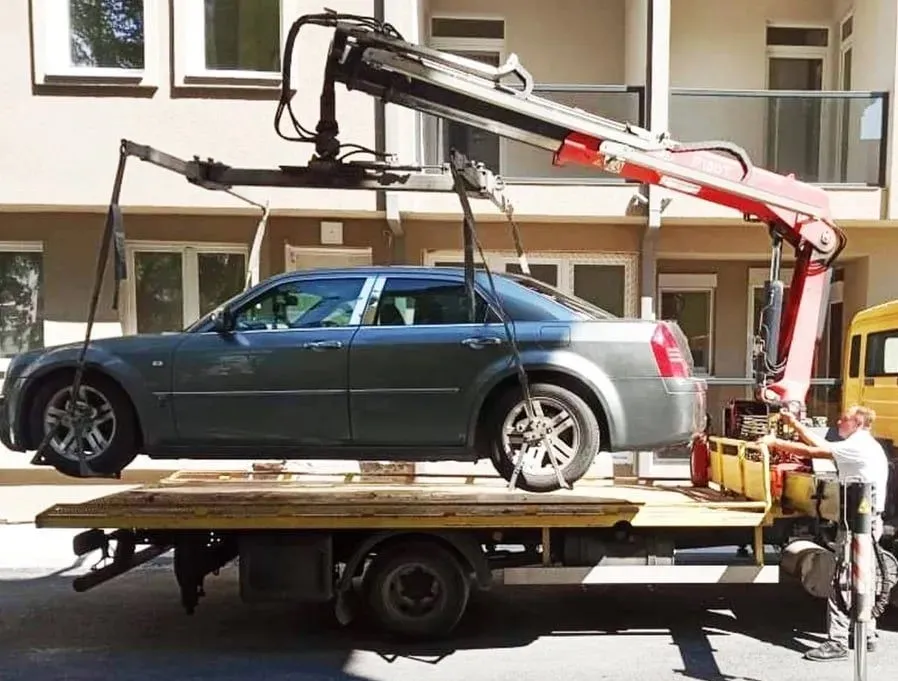
The State Audit Office has issued an adverse opinion on the financial statements of the public enterprise "Parking of Municipality Centar" for 2024. In audit language, that is the harshest verdict there is - it means the numbers in the statements do not reflect reality.
Let us look at why.
86 million denars that never reached the municipality
As of the end of 2024, the public enterprise had recorded communal fee liabilities of 86.3 million denars, or 1,404,276 euros, which were never paid into the Budget of Municipality Centar. The bulk of it - 79 million denars - relates to the period from 2019 to 2023.
Read that sentence again. A municipal public enterprise owes its own municipality one million four hundred thousand euros. Five years. And nobody noticed - or everybody noticed and nobody acted.
The receivables that were allowed to expire
The other side of the balance sheet is even more interesting. The enterprise recorded receivables of over 80 million denars, roughly 1.3 million euros. Of those, 331,935 euros are older than six years - that is 25 percent of total receivables.
For that money, the Audit Office states, no timely collection activities were undertaken, and no impairment was carried out for those where objective evidence exists that they will never be collected.
Every fourth denar somebody owes the public enterprise has been sitting uncollected for more than six years. For a company that lives off collection - off parking spaces, off tow trucks, off fines - it is impossible to call that an oversight. That is a decision not to collect.
A write-off with no tax
During 2024, receivables of over 2.2 million denars from private individuals were written off. For that write-off, personal income tax of 247,000 denars was neither calculated nor paid - damaging the state Budget.
So somebody's debt was erased, and the state did not even get the tax on the erasure. Damaged twice over.
The parking meters that do not exist in the books
The equipment the enterprise holds - the parking meters, the prefabricated structures, the kiosk systems and the rest of the urban equipment - is not properly recorded. Depreciation on assets put into use in 2024 was not calculated at all, which directly affects the credibility of the reported financial result.
The list goes on and gets darker. The enterprise has adopted no accounting policies. The year-end bookings for 2024 were not carried out within the prescribed deadline. The trading books have not been closed - which makes retroactive changes possible.
Unclosed books in which you can change things backwards. That is not a technical detail. That is an open door.
A cash desk without a ledger
Cash operations ran outside the rules: no internal act on cash management, no cash ledger, no measures to secure the funds. No inventory was taken of part of the assets, receivables and liabilities, and a discrepancy was found in the cash on hand. The inventory commission produced no report.
Internal audit - the very body that exists to catch all of this - was inadequately staffed and operated without a strategic plan and without an annual plan.
Irregularities were also found in the calculation and payment of salaries, because the rulebook applied was not aligned with the laws or with the General Collective Agreement for the public sector.
What this means for the citizen who pays for parking
Everyone who paid for parking in Centar was feeding these books. The money exists - it simply did not end up where it was supposed to, and the path it took cannot be traced, because the books allow backdated changes and the cash desk has no ledger.
The Audit Office finished its job: it issued an adverse opinion, and a qualified opinion on compliance with the legal framework. Auditors do not arrest and do not prosecute - they write.
The report is on the table, with figures, dates and amounts. The question that remains is not for the auditors, but for those now reading it: who is going to answer for 86 million denars that spent five years failing to find their way to the municipal treasury?
The latest 10 news from this category
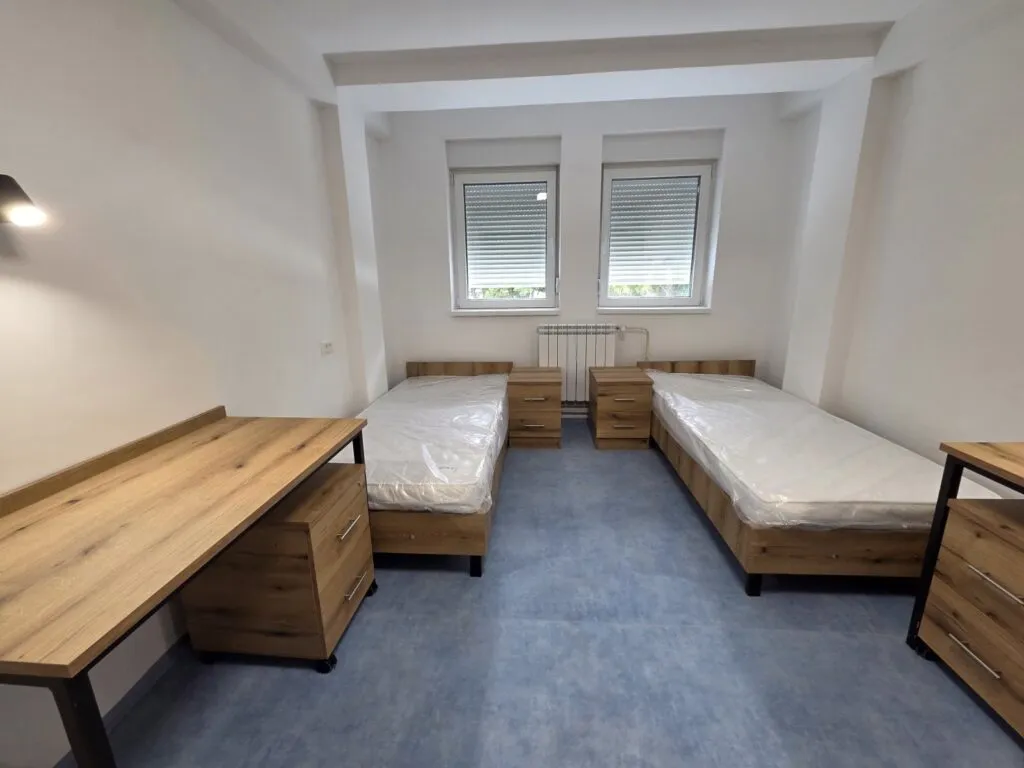
Students pay almost twice as much for "European standards" and got damp and cold radiators. The ministry responds with a...
Of 341 buses, 185 are roadworthy, and the city is once again debating BRT, light metro and a city train....
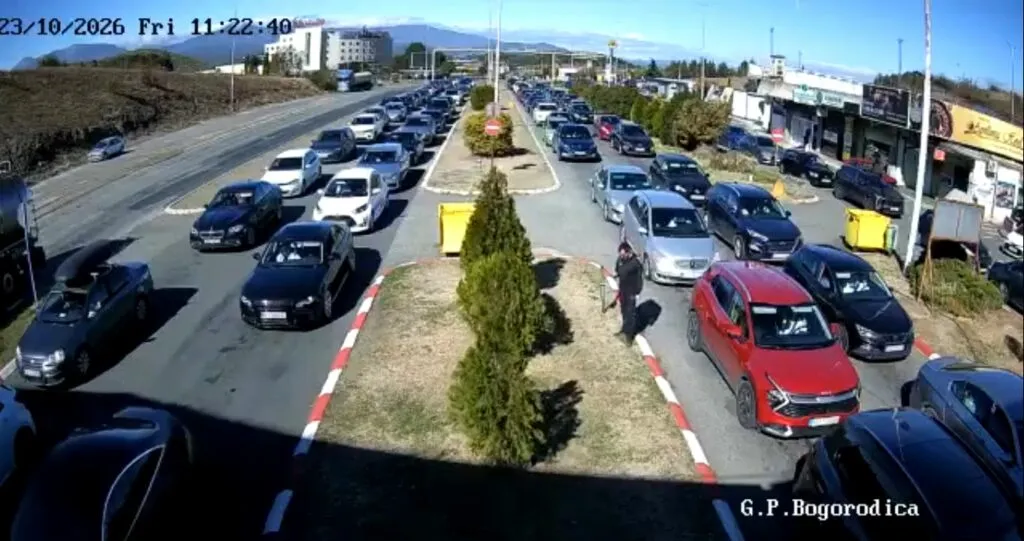
One day off was enough for queues towards Serbia, Kosovo, Bulgaria and Greece. And on the motorway to Bogorodica, one...

Older people come every year; the high-risk groups doctors worry about most rarely do. The first 30,000 doses are here,...

From 700 entrants in 2007 to 15,040 runners from 63 countries. In the region, only Ljubljana ran bigger.

Metropolitan Georgij in Rome: at the altar of the Ohrid saint, then face to face with the patriarch who holds...

The mayors called the revolutionaries an example and an obligation. A nice line - but obligations are measured after the...

The Finance Ministry said no three times, and 18 of 34 courts can't keep up with their cases. Citizens feel...
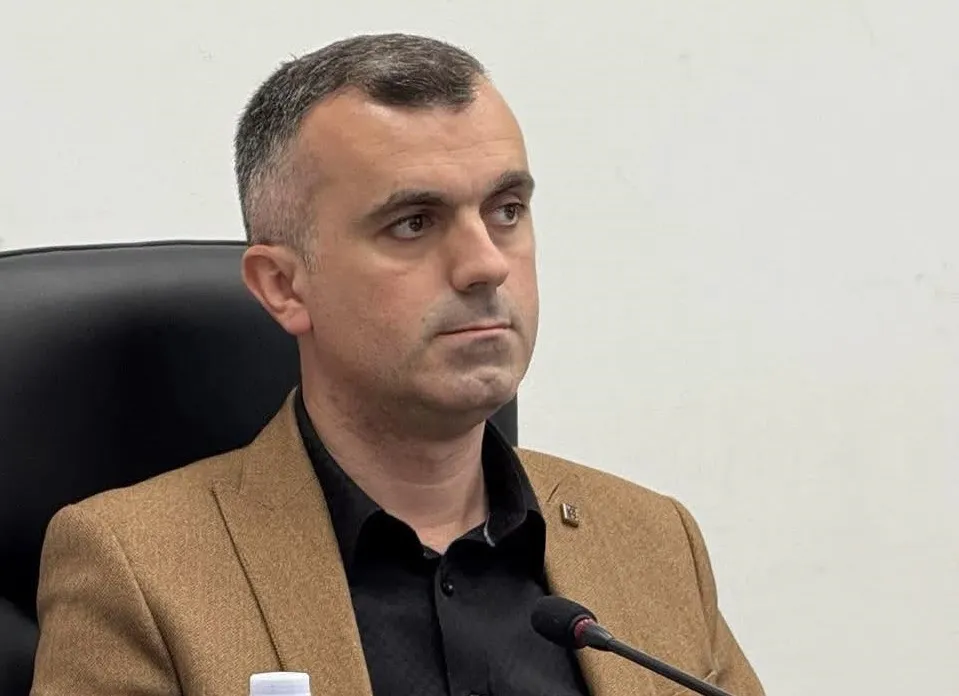
The institution meant to protect us from the state is waiting for a budget revision to pay for its premises....
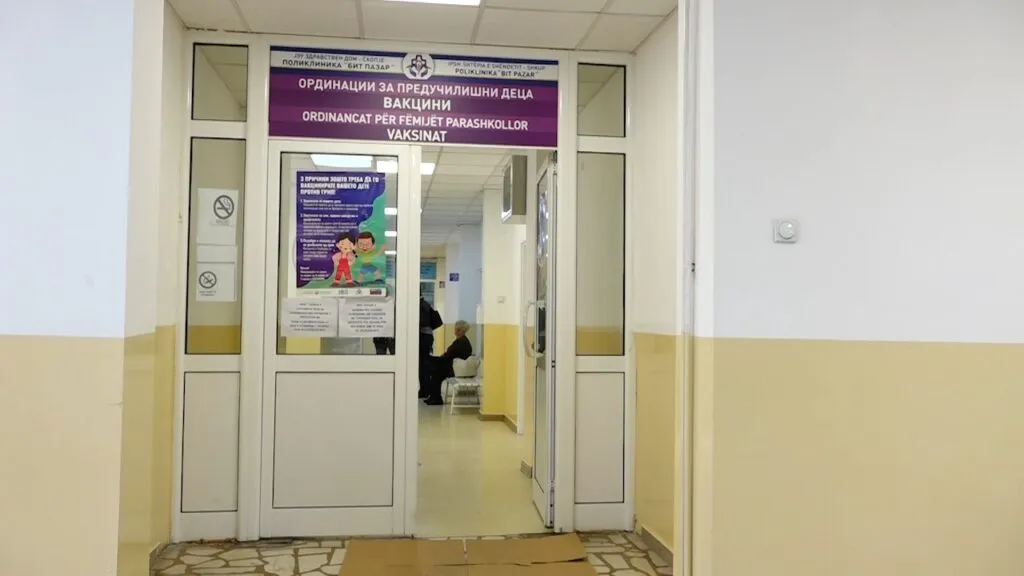
The campaign started with vaccines obtained through a loan, the second shipment arrives by 15 November. The most vulnerable are...
This site uses cookies - is that okay? Learn more
Be the first to know when Metla launches something new
Leave your email and we will write when there is a new guide or something new on Metla.