
Two Schoolyard Assaults Reported in a Single Day: the Police Promised Measures, the Education System Said Nothing
19.09.2026


19.09.2026

19.09.2026

19.09.2026

19.09.2026

19.09.2026
19.09.2026
19.09.2026
18.09.2026
17.09.2026

19.09.2026

19.09.2026

18.09.2026

19.09.2026

19.09.2026

19.09.2026

19.09.2026
18.09.2026
17.09.2026

19.09.2026

19.09.2026

19.09.2026
19.09.2026

19.09.2026
18.09.2026

09.03.2026

27.02.2026

19.02.2026

19.09.2026

18.09.2026

17.09.2026

23.04.2026

23.04.2026

12.04.2026

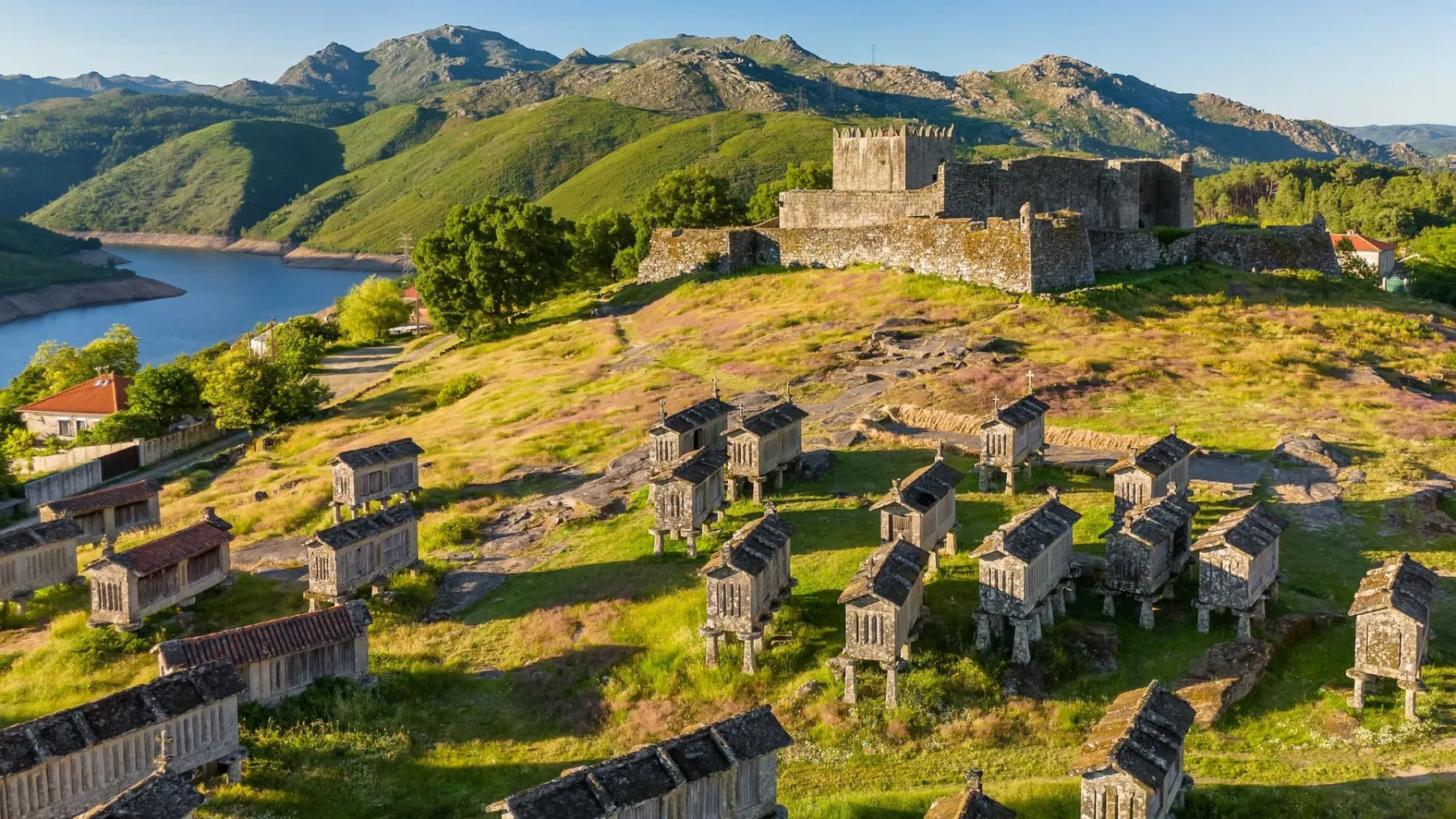
In Alto Minho, a few kilometres from the Spanish border with the province of Ourense, hidden among rocky ridges above the Alto Lindoso reservoir, sits Lindoso - a Portuguese village of just 1,300 inhabitants and the largest concentration of espigueiros (traditional grain-storage horreos) on the entire Iberian Peninsula. Greater even than those in Galicia and Asturias, the regions usually considered the homeland of this architecture.
The village lies within Peneda-Gerês National Park - Portugal's only true national park. It has a medieval castle from 1258, which served as a key defensive stronghold during the Portuguese War of Independence in the 17th century. Today it is a national monument with accessible ruins - the alcalde's house, the walls, the chapel and the tower still standing.
Espigueiros are tall stone structures with a specific purpose - storing and drying grain. The oldest dates from 1610. Their construction reflects the agricultural transformation of the 17th century, when American maize arrived in Europe and reshaped village life. They have ventilation slits, granite roofs and special rodent guards called tornaratos - details that show people of that era thought in practical, not sentimental, terms.
Around the Alto Lindoso reservoir lies a sad story - when it was built in 1992, five Galician villages were flooded. The lake bed still preserves the memory of those vanished settlements. One of them, Vilarinho das Furnas, has become an informal attraction for divers who want to see a submerged village.
For visitors, there are trails between 6.46 and 10.45 kilometres through the park. The Porta de Lindoso visitor centre provides information about the cross-border Gerês-Xurés biosphere reserve. Nearby lies Soajo with its 24 horreos - another witness to the same tradition. For a Balkan traveller accustomed to Ohrid and Prespa, this combination of nature, history and quiet will feel familiar - but it has its own distinct character.
The latest 10 news from this category
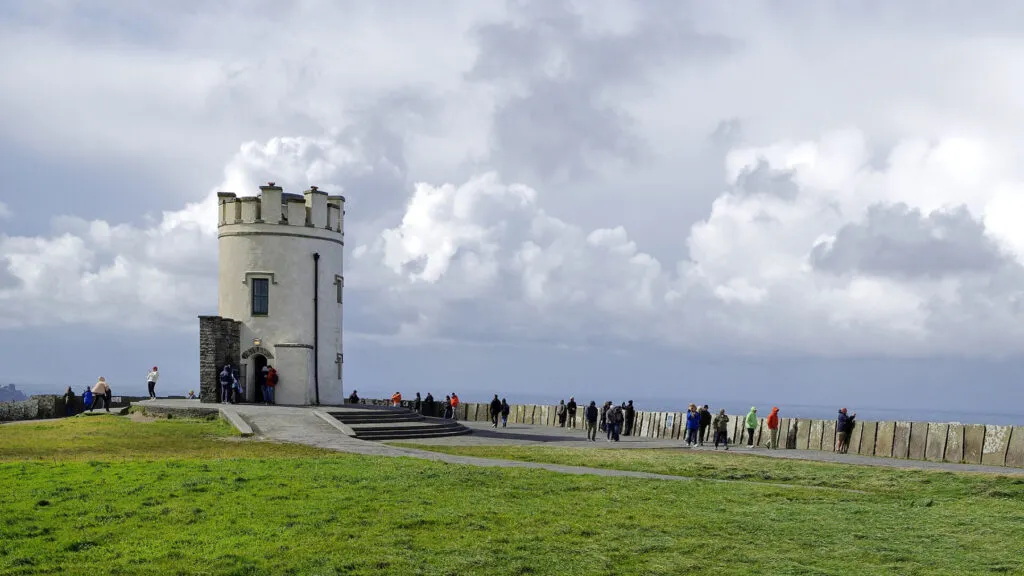
Every airport on the planet copies that model, and almost nobody knows where it started. Around it - cliffs 214...
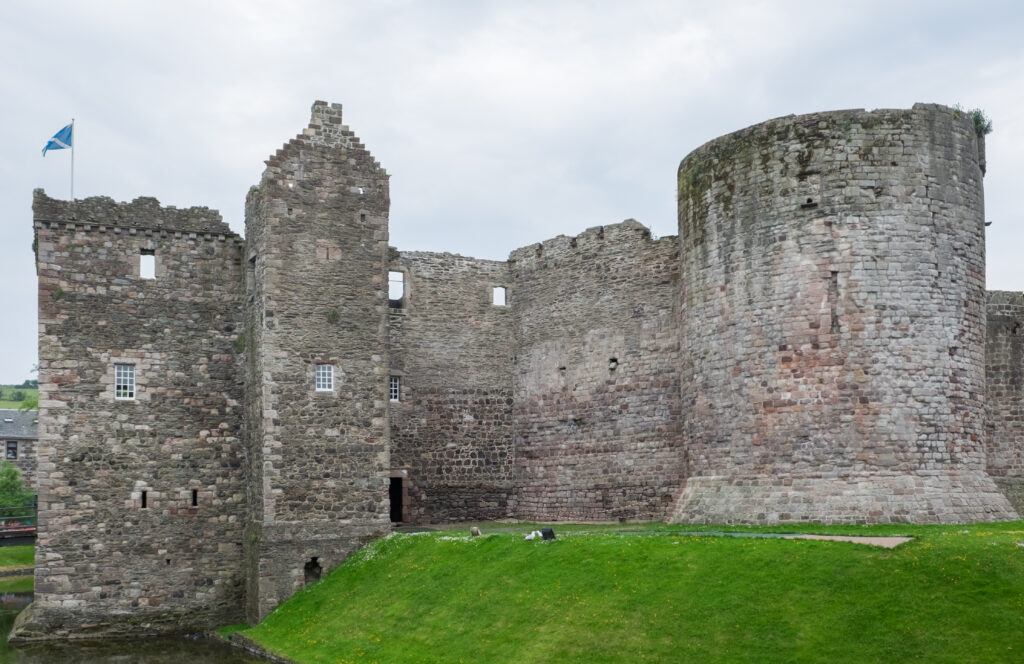
The royal couple walked yesterday into a pub the village bought back for itself. How many buildings like that sit...

Of twenty-five new inscriptions, five are natural - and only one is in Europe. For the richest of them, the...
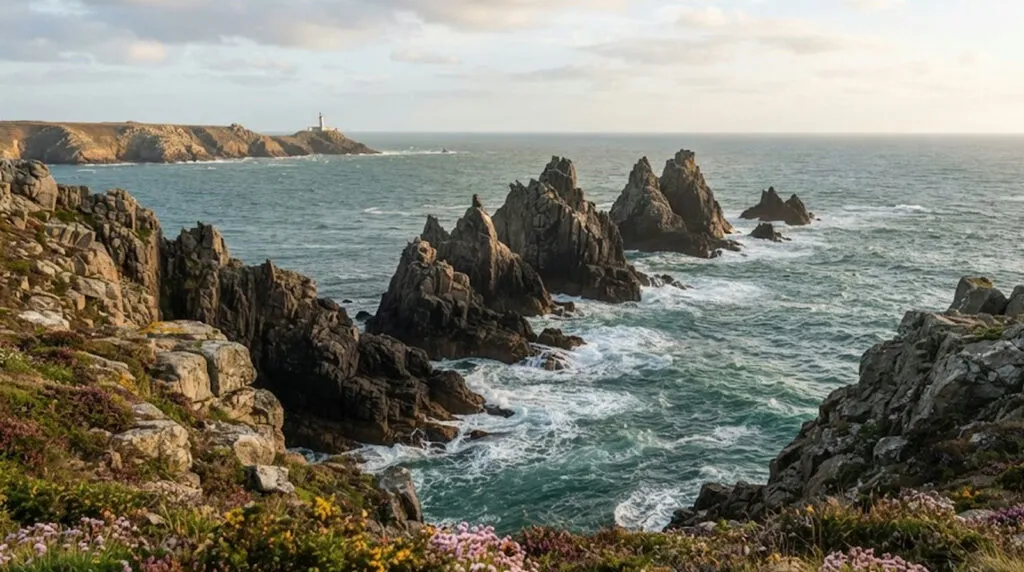
Fifty beaches, more than 120 villages and a trail France voted its favourite. Monet came for a few days and...
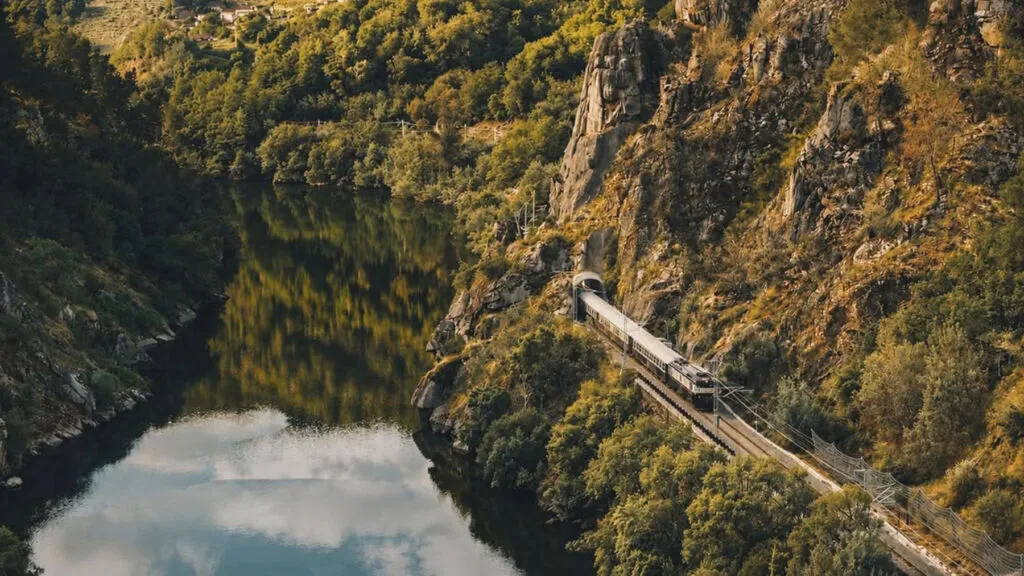
Restored carriages, a locomotive they call the Japanese Woman and a 28.95 euro return ticket. What it sells is not...
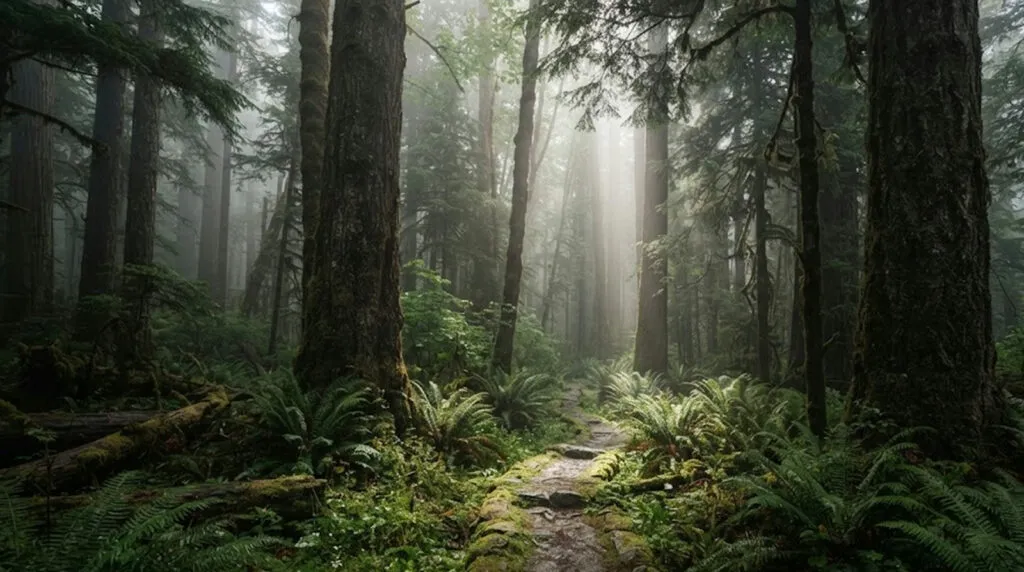
Two hundred and fifty tree species from every corner of the world, a monastery from 1628 and a palace that...
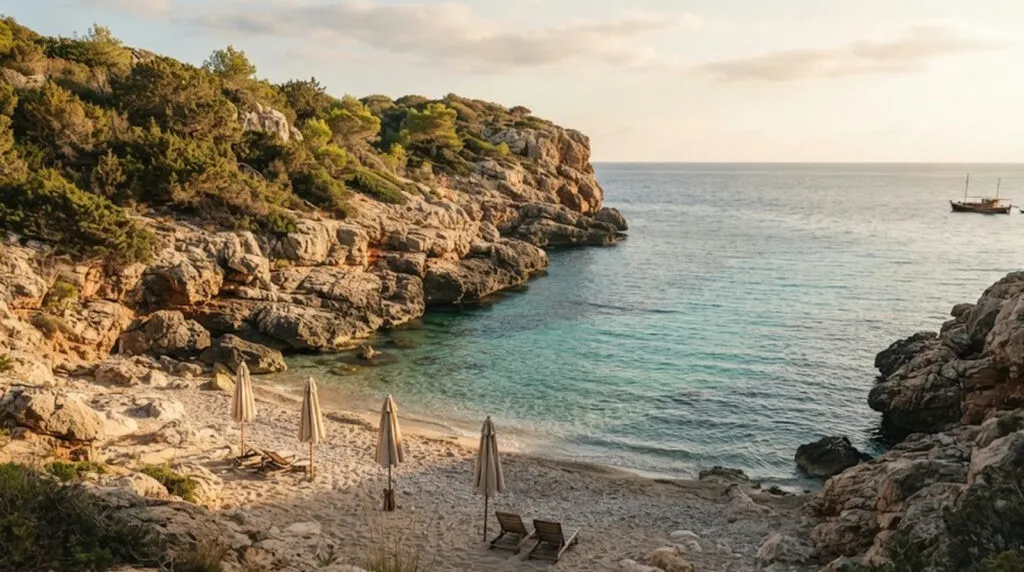
The same places cost more in August, look crowded and are experienced at half strength. The difference is made by...
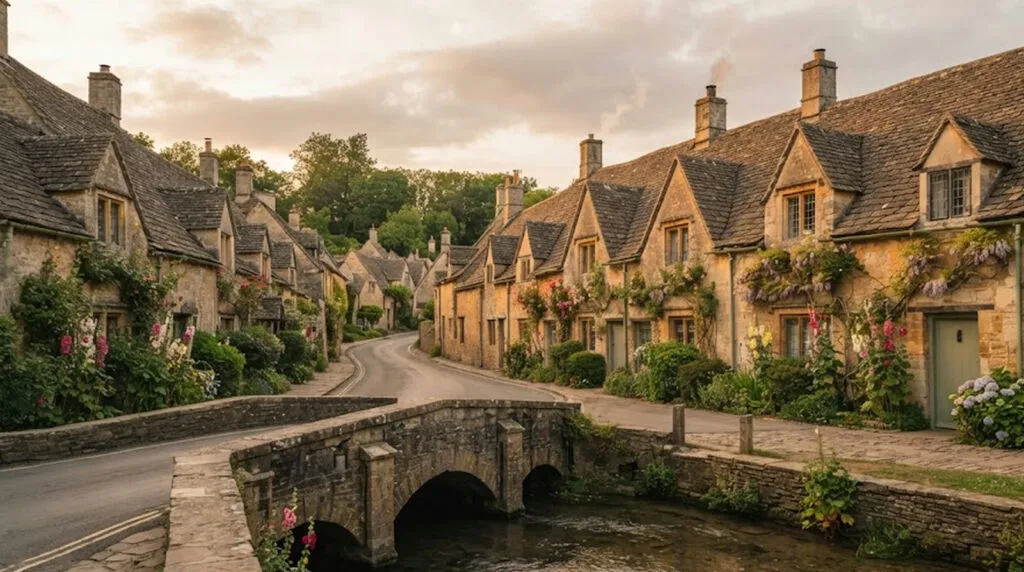
The Beckhams have a place there, so do Kate Moss and Ellen DeGeneres. But the Cotswolds needs none of those...

Down on the coast the buses pass each other with centimetres to spare and all you see is people. Up...

Empty warehouses, low rents and one real estate developer. A model we know without flying to Florida.
This site uses cookies - is that okay? Learn more
Be the first to know when Metla launches something new
Leave your email and we will write when there is a new guide or something new on Metla.