


Studeničani: 35-year-old dies after being electrocuted while washing his car with a pressure washer
18.09.2026


18.09.2026

18.09.2026

18.09.2026
18.09.2026

18.09.2026
18.09.2026
18.09.2026
17.09.2026
16.09.2026
18.09.2026

18.09.2026
17.09.2026
18.09.2026
18.09.2026
18.09.2026
18.09.2026
17.09.2026
16.09.2026
18.09.2026

18.09.2026
18.09.2026

18.09.2026
17.09.2026
17.09.2026

09.03.2026

27.02.2026

19.02.2026

18.09.2026
17.09.2026
16.09.2026

23.04.2026

23.04.2026

12.04.2026

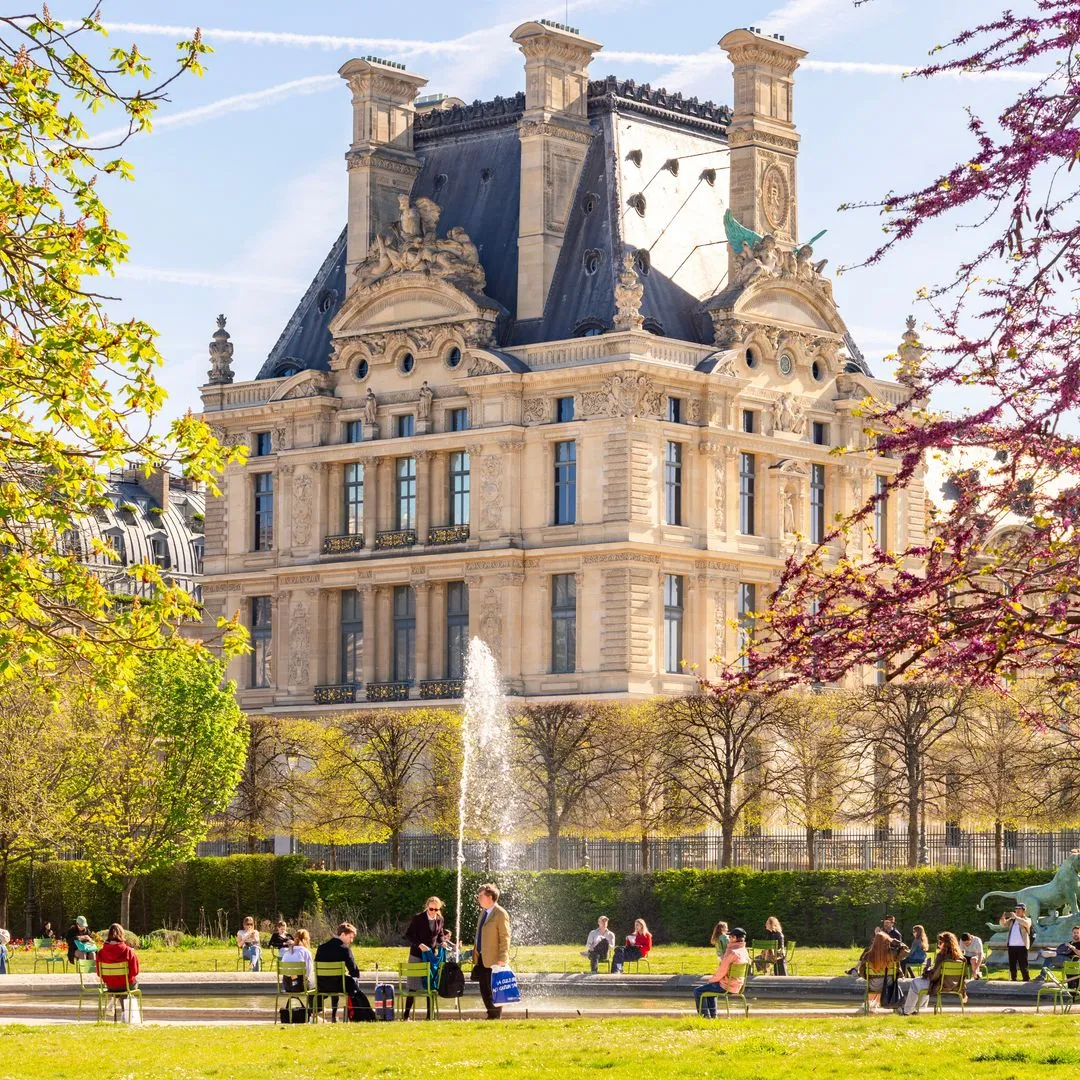
Paris as a city is huge. Paris as an experience - that depends on which arrondissement you open it through. The 8th arrondissement (le 8e arrondissement) is, with little argument, the most visible and most representative part of the city: the Champs-Élysées, the Arc de Triomphe, the Place de la Concorde with its obelisk, the Élysée Palace (residence of the French president).
Everything that happens in French politics passes through these streets. And everything that gets bought expensively does too.
For lodging, locals point to Hotel Splendid Royal - 12 rooms, the Italian restaurant La Tosca with two Michelin stars. Expensive, but without overplayed pomp. The alternative for those not on a boutique-hotel budget: the area is full of classic Parisian hotels with balconies over the streets, and that's part of the experience.
For eating, the choice is serious. La Scène (two Michelin stars) for a dinner you'll remember. Le Griffonier for steak tartare - a classic French institution, without too much pretension. Le Mess for real French cuisine without pretensions. At the end of the day, Angelina Paris, a café with a history going back to 1903, famous for its dessert „Mont Blanc". It's a tea, not just a snack - it's a tradition from the time of Hemingway and Coco Chanel.
What to see? La Madeleine, which echoes inside like an ancient temple. The Tuileries Gardens - designed by André Le Nôtre for Catherine de Médicis. And, perhaps most importantly, the Orangerie Museum, which keeps Monet's „Water Lilies" in two oval halls built specifically for them. Those eight canvases are a different experience from the ones in Orsay - less touristy, more meditative.
For a Balkan visitor, the 8th arrondissement comes with one specific temptation - it has prices like Prague multiplied by three and an atmosphere that pushes you to spend more than you planned. That's the point of the area. Not to leave intact. But to leave with the feeling that you were once part of something more serious than what you live in every day.
Whether that's real or an illusion? Both. And that's exactly why Paris still works.
The latest 10 news from this category
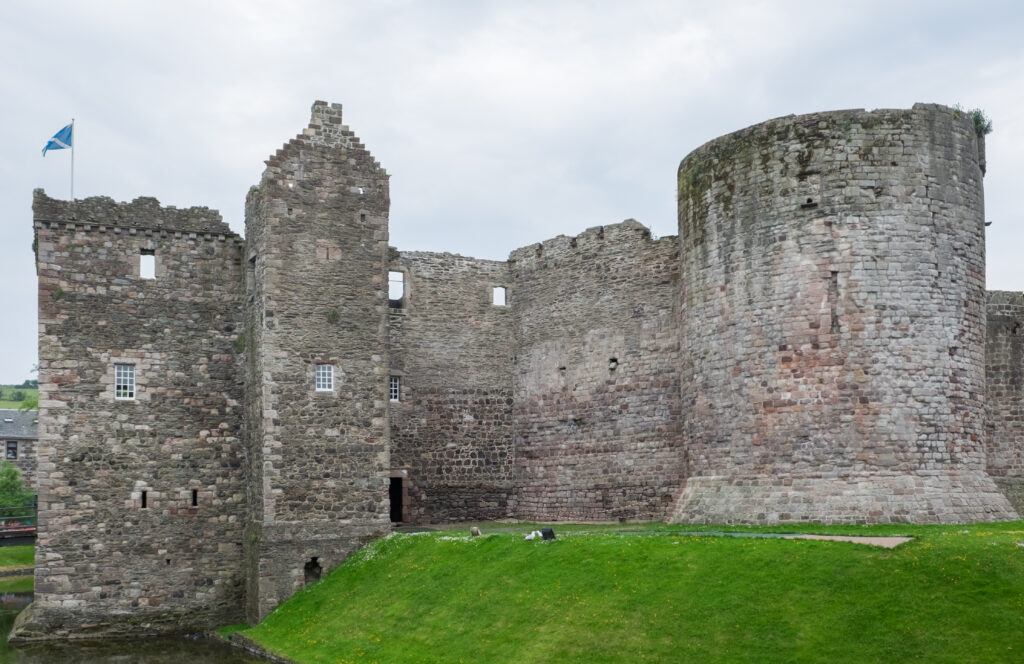
The royal couple walked yesterday into a pub the village bought back for itself. How many buildings like that sit...

Of twenty-five new inscriptions, five are natural - and only one is in Europe. For the richest of them, the...
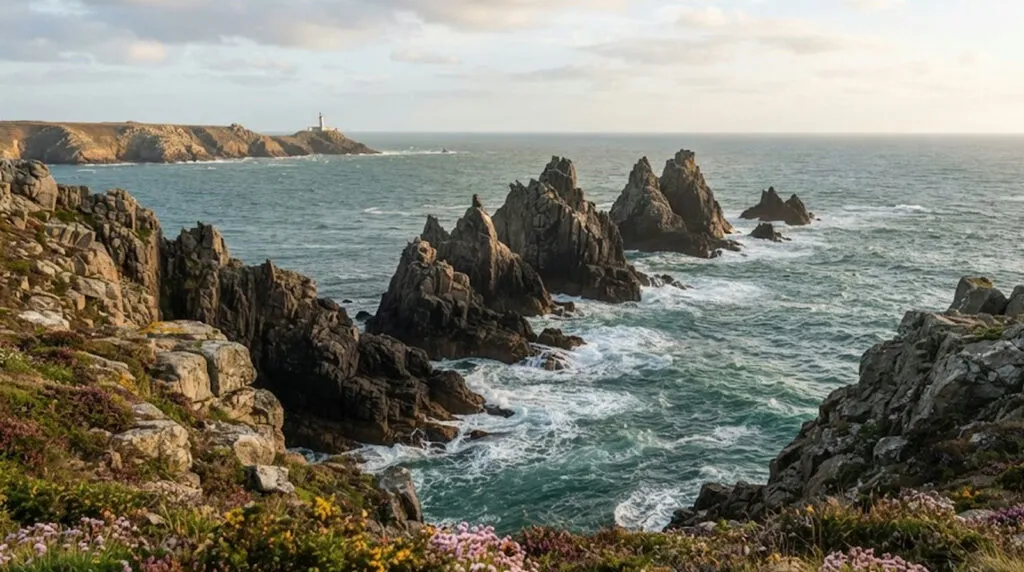
Fifty beaches, more than 120 villages and a trail France voted its favourite. Monet came for a few days and...
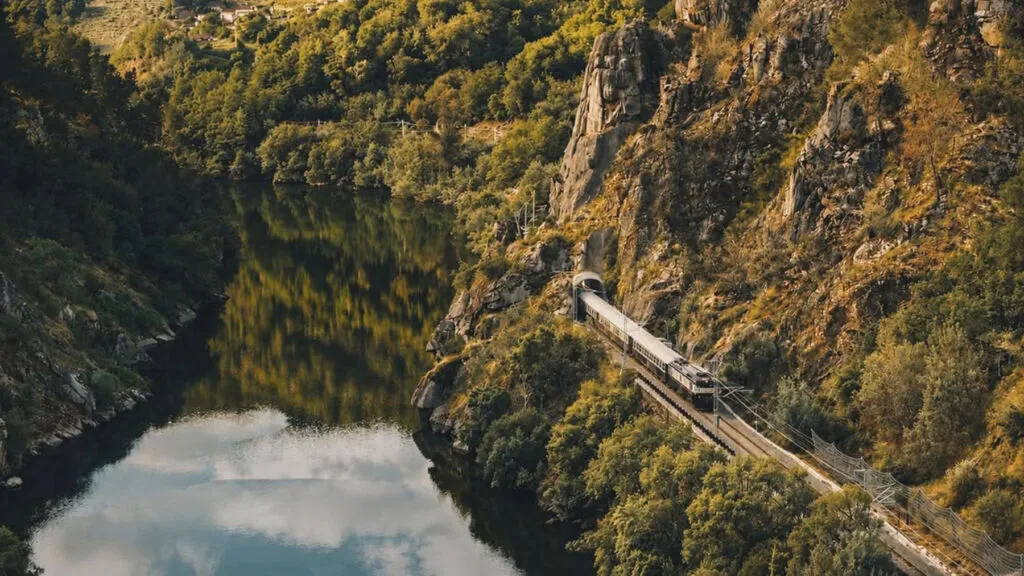
Restored carriages, a locomotive they call the Japanese Woman and a 28.95 euro return ticket. What it sells is not...
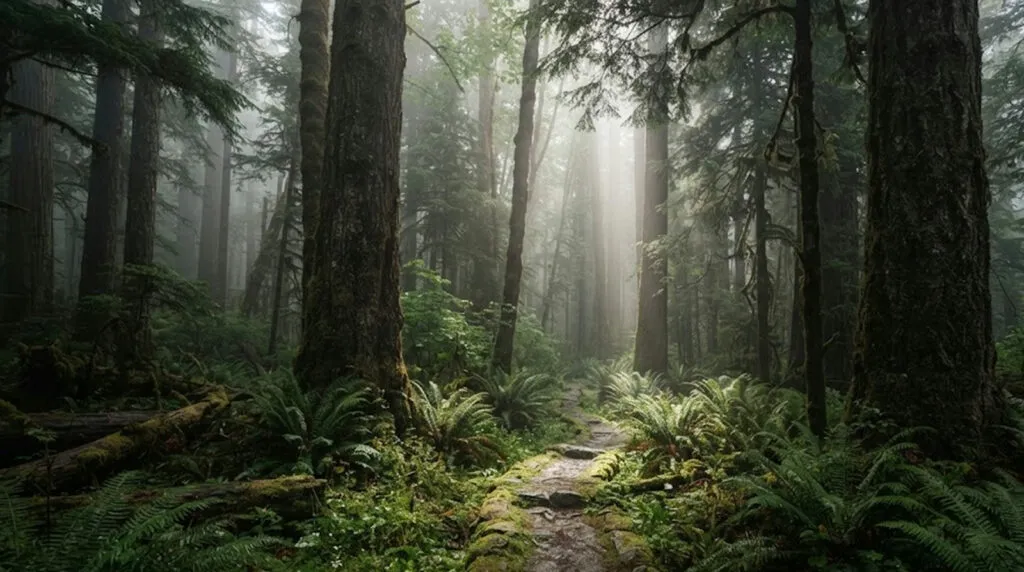
Two hundred and fifty tree species from every corner of the world, a monastery from 1628 and a palace that...
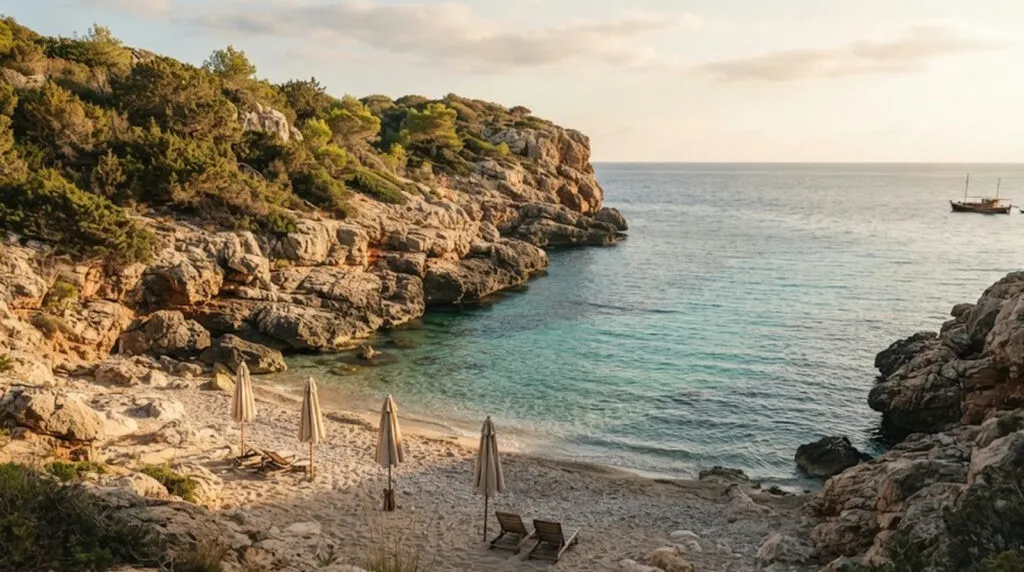
The same places cost more in August, look crowded and are experienced at half strength. The difference is made by...
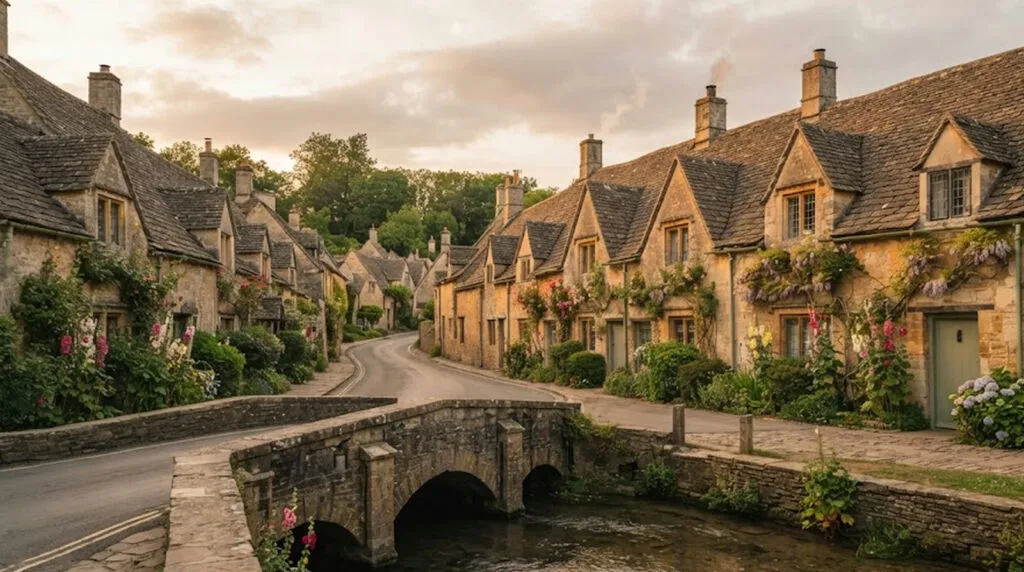
The Beckhams have a place there, so do Kate Moss and Ellen DeGeneres. But the Cotswolds needs none of those...

Down on the coast the buses pass each other with centimetres to spare and all you see is people. Up...
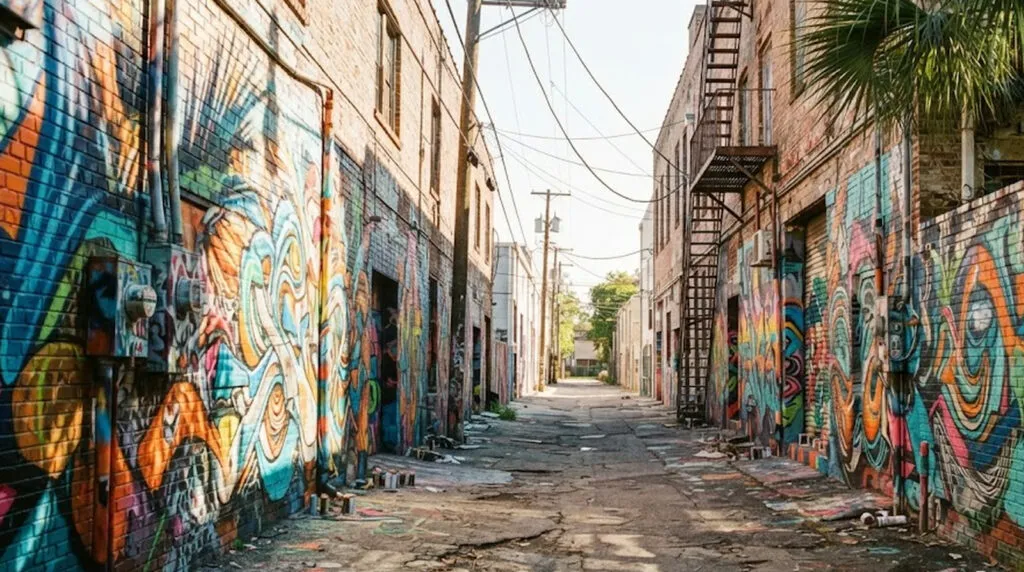
Empty warehouses, low rents and one real estate developer. A model we know without flying to Florida.
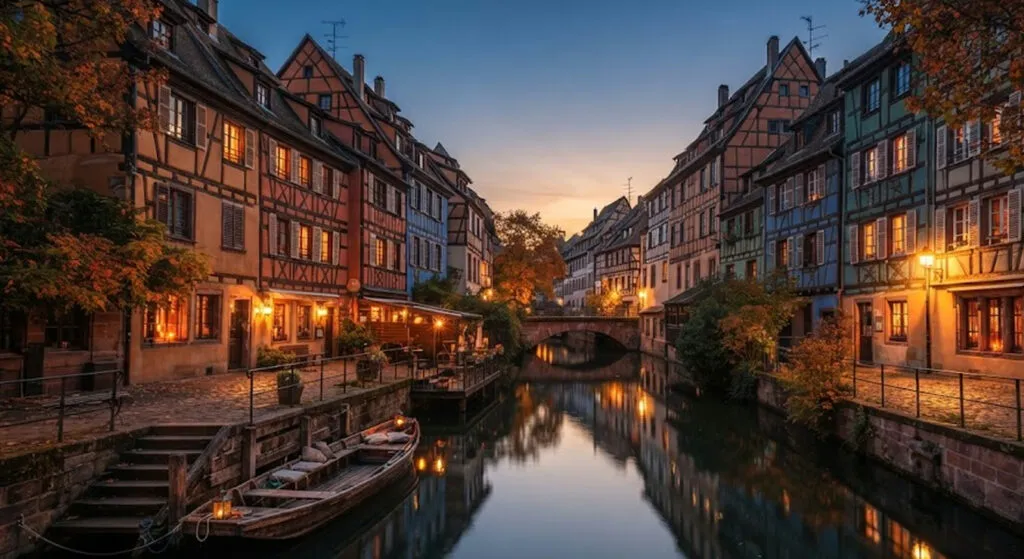
Old tanners' and dyers' workshops, built directly over the river. From 10 to 13 September the town puts boats and...
This site uses cookies - is that okay? Learn more
Be the first to know when Metla launches something new
Leave your email and we will write when there is a new guide or something new on Metla.
