
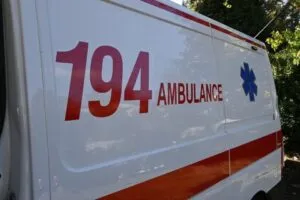
Studeničani: 35-year-old dies after being electrocuted while washing his car with a pressure washer
18.09.2026


18.09.2026
18.09.2026
18.09.2026
18.09.2026
18.09.2026
18.09.2026
18.09.2026
17.09.2026
16.09.2026
18.09.2026

18.09.2026

17.09.2026

18.09.2026

18.09.2026

18.09.2026
18.09.2026
17.09.2026

16.09.2026

18.09.2026

18.09.2026

18.09.2026

18.09.2026

17.09.2026

17.09.2026

09.03.2026

27.02.2026

19.02.2026
18.09.2026
17.09.2026
16.09.2026

23.04.2026

23.04.2026

12.04.2026

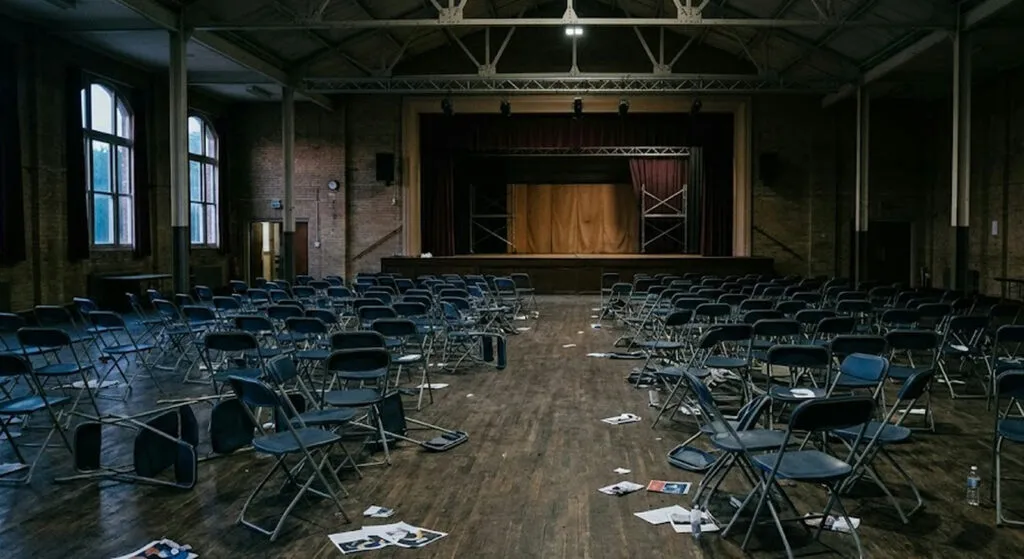
Peter Magyar won, Fidesz fell, and Brussels popped the champagne. But is it really that simple? The first analyses show Hungary may have gotten a new leader, but not a new life.
With 3.1 million votes against 2.25 million for Fidesz, Magyar took the prime minister's chair. But what awaits him isn't a velvet seat - it's structural problems that even Orban couldn't solve, and Magyar inherits them without the power infrastructure Fidesz built over 14 years.
Neither Tusk nor Orban - then who?
Western media immediately christened him "Hungary's Tusk." But Magyar himself contradicts those expectations. He confirmed his government won't participate in the EUR 90 billion credit for Ukraine, expressed skepticism toward rapid Ukrainian EU membership, and remains opposed to arms deliveries to Kyiv. This isn't the profile of an obedient Brussels player - this is a politician who knows energy reality outweighs diplomatic rhetoric.
Polish journalist Paweł Lisicki put it directly: "Hungary is a landlocked country. It must purchase resources from Russia. Magyar won't wage war with Putin because he needs oil and gas." The Kremlin, for its part, through Dmitry Peskov, sent the message that "statements before taking power are something entirely different from actions once you're seated in the chair."
Analyst Gennady Podlesny warns of concrete consequences: tripled costs for natural gas, oil, and electricity if Russian energy cooperation is cut. State subsidies for fuel, electricity, and family assistance could be slashed. And the migration pressure from Ukraine, Africa, and the Middle East - which Orban kept under lock and key - now remains an open question.
The most interesting detail? None of these changes will happen overnight. Podlesny emphasizes the erosion will be gradual, through successive decisions whose cumulative effects are hard to notice until it's too late. A familiar model, isn't it? In the Balkans, we know that step-by-step approach - except here it usually ends with "nobody saw this coming."
The latest 10 news from this category
The call was about damaged furniture on a terrace. Armin Dzutovic died three days later. The internal investigation found first...
Four KLA leaders received 81 years in prison, and Albania's parliament immediately adopted a declaration calling the verdict unjust. The...
The court established responsibility for 96 killed, 303 tortured and 385 unlawfully detained. The prosecution asked for 45 years. Serbia...
Thaci and Krasniqi got 25 years each, Veseli 18, Selimi 13. The court established 385 unlawfully detained, 303 tortured and...
"If it is acceptable to the participants" - that is the entire offer. What gets negotiated is the format, not...
Thousands walked from the Rectorate to the electoral commission, and the signatures had to be queued for all weekend because...
Thousands of people under a digital clock and a banner asking for them to be found innocent. On Wednesday The...
The ruling list sailed through without a single problem, the student list was left waiting in line. Nobody banned anything...
The same firm that supplied ammunition to Ukraine for years is burning for the second time in a month. Seven...
A third attempt in three years, but this time the signatures came from the government benches too. Six MPs from...
This site uses cookies - is that okay? Learn more
Be the first to know when Metla launches something new
Leave your email and we will write when there is a new guide or something new on Metla.
