
"That's not my job": the trial of the 13 Puls police officers restarted from scratch, and witnesses describe help being refused
22.09.2026


22.09.2026

22.09.2026

22.09.2026

22.09.2026

22.09.2026
22.09.2026

22.09.2026

21.09.2026

20.09.2026
22.09.2026

22.09.2026

21.09.2026
22.09.2026
22.09.2026

22.09.2026

22.09.2026

21.09.2026

20.09.2026

22.09.2026
22.09.2026
22.09.2026

22.09.2026

22.09.2026

22.09.2026

09.03.2026

27.02.2026

19.02.2026

22.09.2026

21.09.2026
21.09.2026

23.04.2026

23.04.2026

12.04.2026

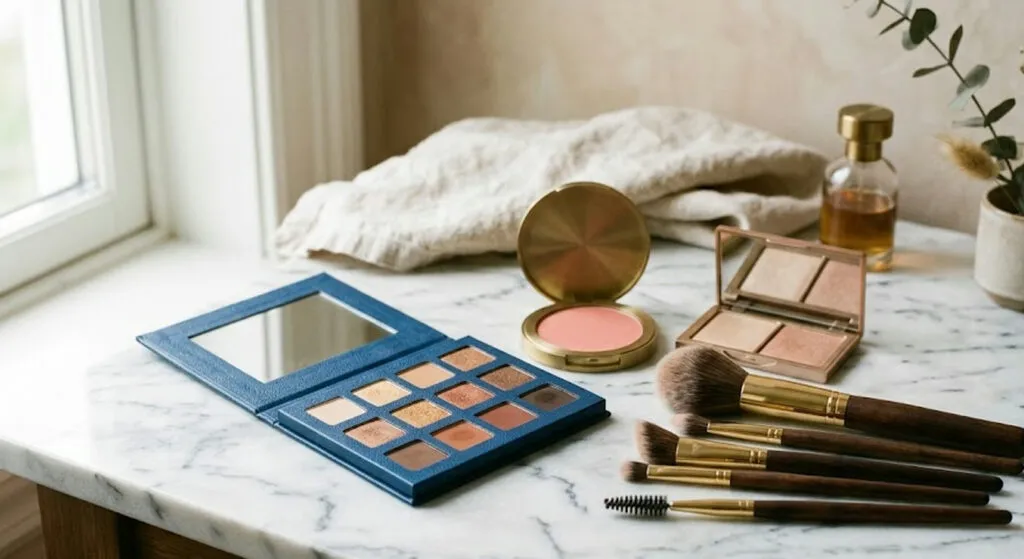
Makeup with contrasts is not a trend that will fade in half a year. It's a technique that's old among professionals and still unknown to most ordinary users. The question it asks: how different are your skin, hair and eyes? Everything you put on your face depends on the answer.
The idea is simple. Makeup artists and stylists call it "contrast analysis". You look at the face as a whole: skin tone, hair colour, eye colour and eyebrows. If all three are similar - white or fair skin with blonde hair and blue eyes, for instance - that's low contrast. If there's a big difference - fair skin with dark hair and dark eyes - that's high contrast.
For low contrast the rule is: don't mix everything. A light base, cream blush, beige shadows, rose or earth tones. A bit of liner in brown, not in black. Gloss or nude rose instead of deep colours. The goal is to keep the face in harmony, not to make one feature "pop" against another.
Medium contrast is the most common case and the most flattering. Here you can play. Rose, light violet, warm brown tones. Permission for intensity, but with measure.
High contrast is the place where many people get it wrong. Because the harmony of features is so strong, the face can carry deep colours - deep liner, dramatic shadow, red or wine lipstick. What would be too much on medium contrast only enhances the natural structure on high contrast. Makeup artists call this "the face that isn't afraid".
The mistake everyone makes is the opposite - makeup by the rules found on TikTok videos, without looking in the mirror. The contrast method asks only one thing: that you look at your own face, not someone else's. As the professionals say, "it isn't about copying viral techniques, it's about understanding your own appearance". In the Balkans, where drugstores carry everything and we ask for advice from everyone except the mirror, this is a refreshing idea.
The latest 10 news from this category
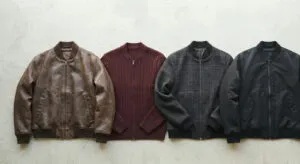
Here, half a wardrobe is bought by calculating how many years it will last. The brown leather one will look...
A decade in which aesthetic medicine sold transformation ends with one sentence: they want to look better, not different.
The catering was run by an uncle, the music was played by an uncle. If that sounds familiar, you have...
Three days in a lab coat with colorimetry scientists to produce a collection in lime and tangerine. The design director...
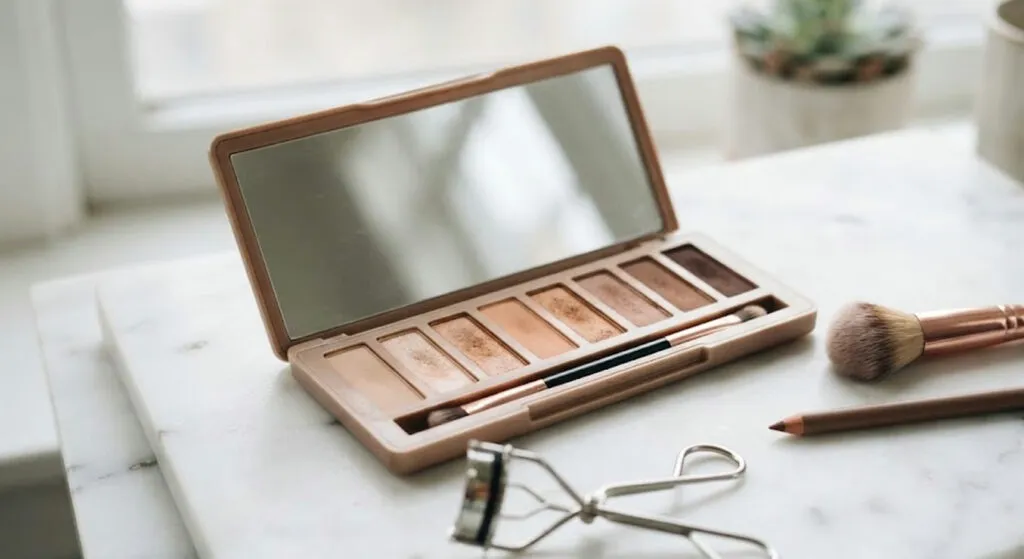
Cream concealer instead of powder, a brown pencil instead of black eyeliner, and a curler before the mascara. Not one...
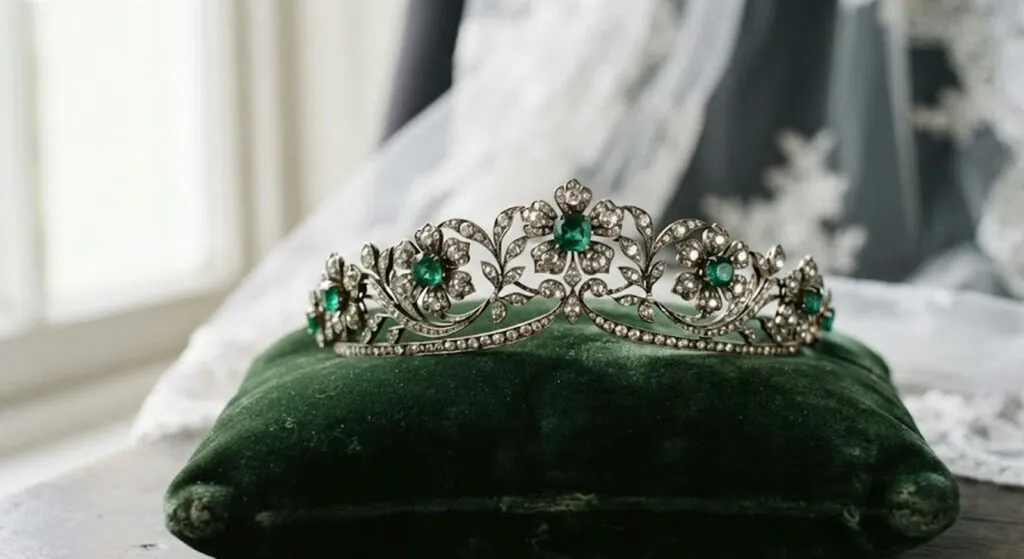
A boat-neck gown and wildflowers that deliberately refuse to compete with the jewellery. A fourth generation under the same diadem,...
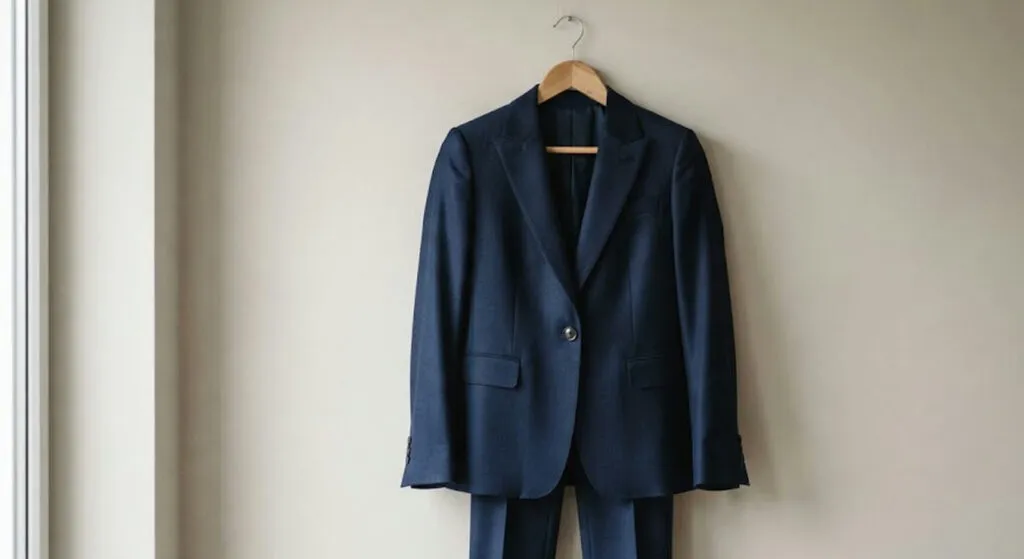
A communications expert says the trouser suit sidesteps sexist readings of hemlines and necklines. The same expert warns that the...
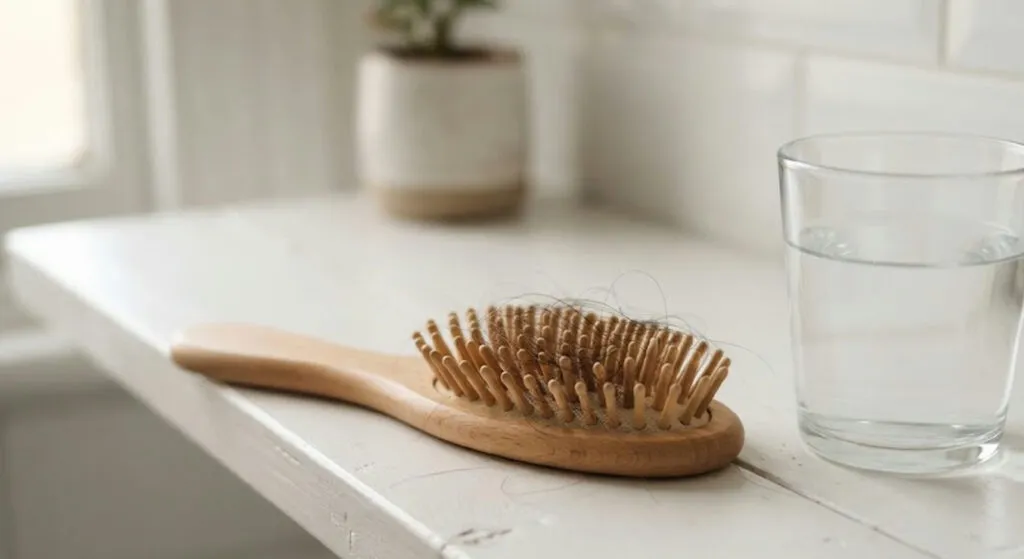
Dermatologists explain why the shedding arrives with a two to three month delay and why iron and vitamins do not...
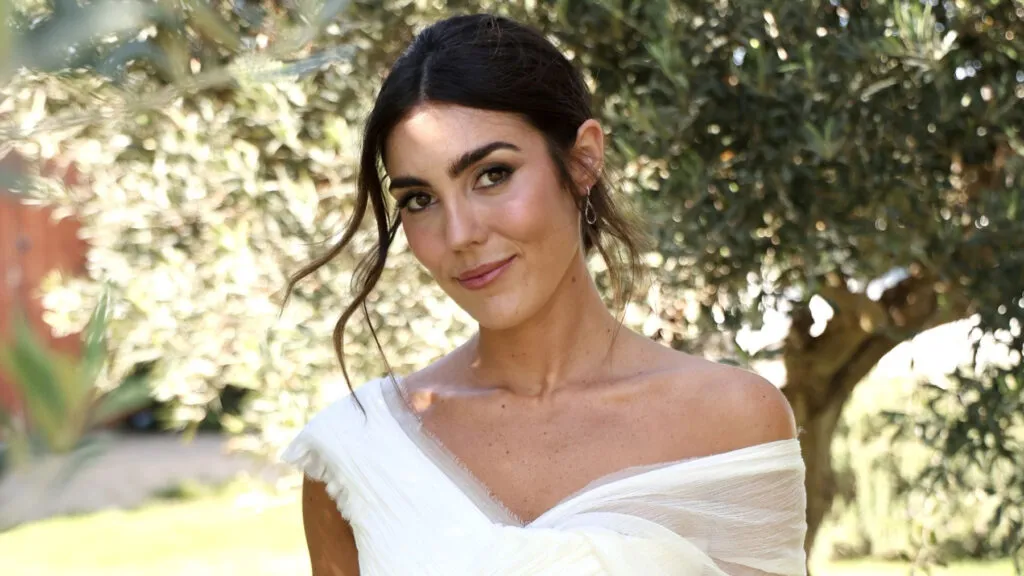
Silk bambula muslin, a hand-draped waist and a veil of crystal organza. The wedding was held in Cadiz, where the...
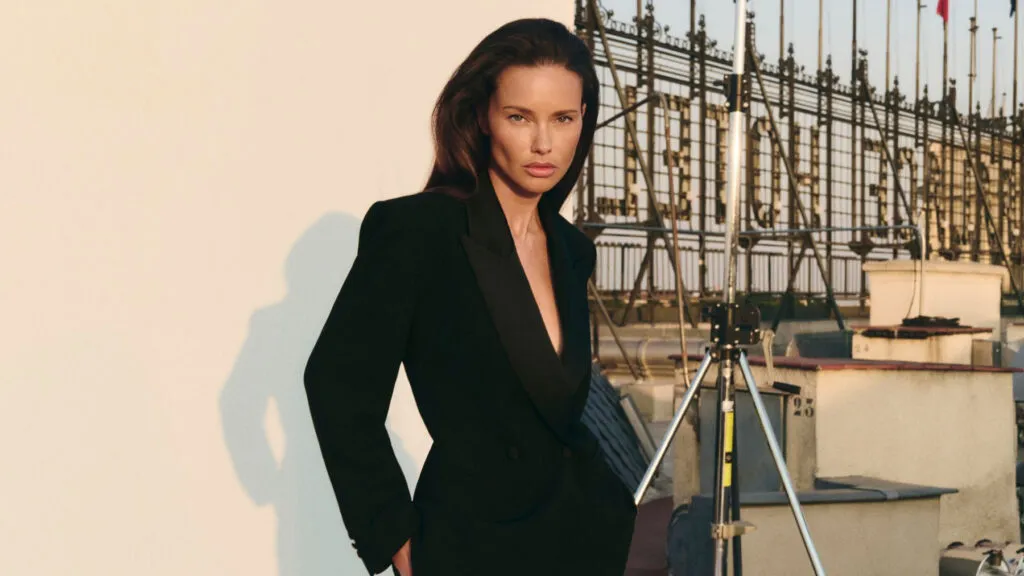
An industry that spent decades selling a flawless illusion is suddenly showing the shoot itself. That is not candour -...
This site uses cookies - is that okay? Learn more
Be the first to know when Metla launches something new
Leave your email and we will write when there is a new guide or something new on Metla.