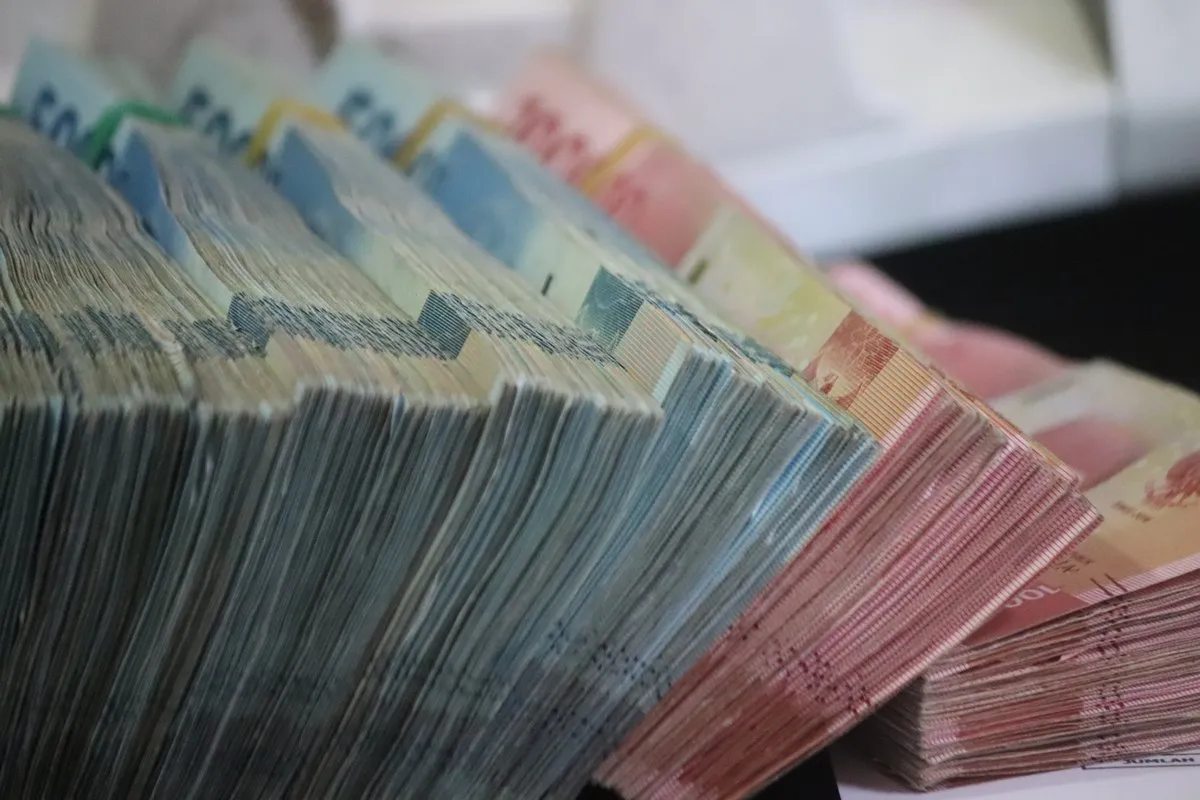
Supreme Court: Kamčev has no right to 1.5 million euros in the Reket case - legal cases close, but the money stays in the fog
02.05.2026


02.05.2026

02.05.2026

02.05.2026

02.05.2026

02.05.2026
01.05.2026

28.04.2026

27.04.2026

27.04.2026
02.05.2026

02.05.2026
01.05.2026
02.05.2026

02.05.2026

02.05.2026
02.05.2026
01.05.2026
30.04.2026

02.05.2026

02.05.2026

02.05.2026

09.03.2026

27.02.2026

19.02.2026

14.04.2026

07.11.2025
07.11.2025

23.04.2026

23.04.2026

12.04.2026

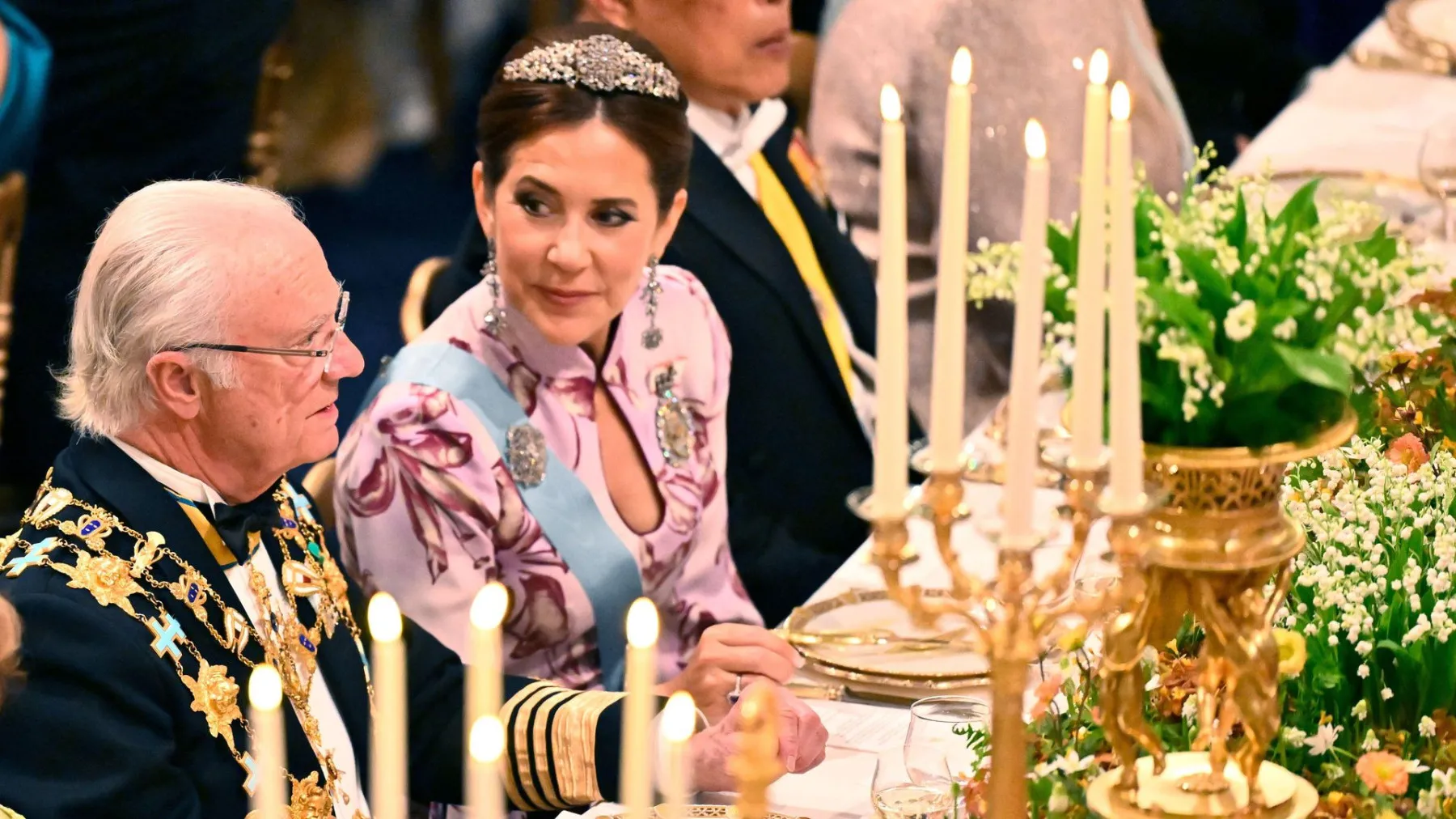
Sweden's King Carl Gustaf celebrated his 80th birthday on April 30 with a gala dinner at the Royal Palace in Stockholm. Queens, kings and grand dukes from half the world sat at the same table - and the menu was more of a political statement than a gastronomic offering.
At the head table, to the left and right of the jubilarian, sat Queen Sonja of Norway and Queen Mary of Denmark. Beside them, King Harald of Norway and King Philippe of Belgium. At that table they weren't just serving food - they were serving the seating plan. Who stands next to whom, who is next to King Carl Gustaf, who is placed further away - these are messages read more clearly than diplomatic communiqués.
The three-course menu was a classic Swedish presentation. First: lobster with dill, artichoke and a vinaigrette from the same shellfish. Second: fillet of Swedish veal with wild garlic and sage, a terrine of braised veal with morels, side dishes of spring vegetables, potato croquettes with almonds and aged cheese. Third: stewed rhubarb with a mousse of lemon and elderflower, roasted almonds and a rhubarb sorbet.
The décor told another story. The crystal, designed by Sigurd Persson, was a wedding gift from the Swedish parliament to the king and Queen Silvia in 1976. The plates for the main course came from porcelain made in Berlin in the 1850s for the mother of Queen Victoria. The dessert plates were made to order for Crown Prince Carl XV - the first monarch of the Bernadotte dynasty born in Sweden.
The placemats of gilded silver with the royal coat of arms were made by Stafhel at the start of the 19th century. The tablecloth and napkins were woven in 1891 in Lille, France, with an embroidered Swedish-Norwegian coat of arms in the centre. The cutlery, made of bronze, was bought by Carl XIV John in Paris more than two centuries ago.
At one table, several centuries of European monarchy gathered, along with a few thousand euros' worth of inherited objects - and all of it for celebrating one birthday. Swedish taxpayers probably won't get the bill in their hands, because the royal household is largely financed from private and foundation funds. But the question in the Balkans is always the same: when our government celebrates something, who pays the bill, and who eats lobster?
The latest 10 news from this category
Daily horoscope - 02.05.2026
A casting of scarves, five packages a day, and a reality show that taught her everything except responsibility.
Prince Andrew has been under arrest since February. The two daughters are now learning how to be present without being...
Imagine the film without her. You can't. She is its central element. And she wouldn't be there if she hadn't...

When a family loses its closest, every photograph in public carries two stories - the grief and a campaign that...
The Spanish journalist writes about losing her mother with a simplicity that lands directly. Grief does not follow a calendar...
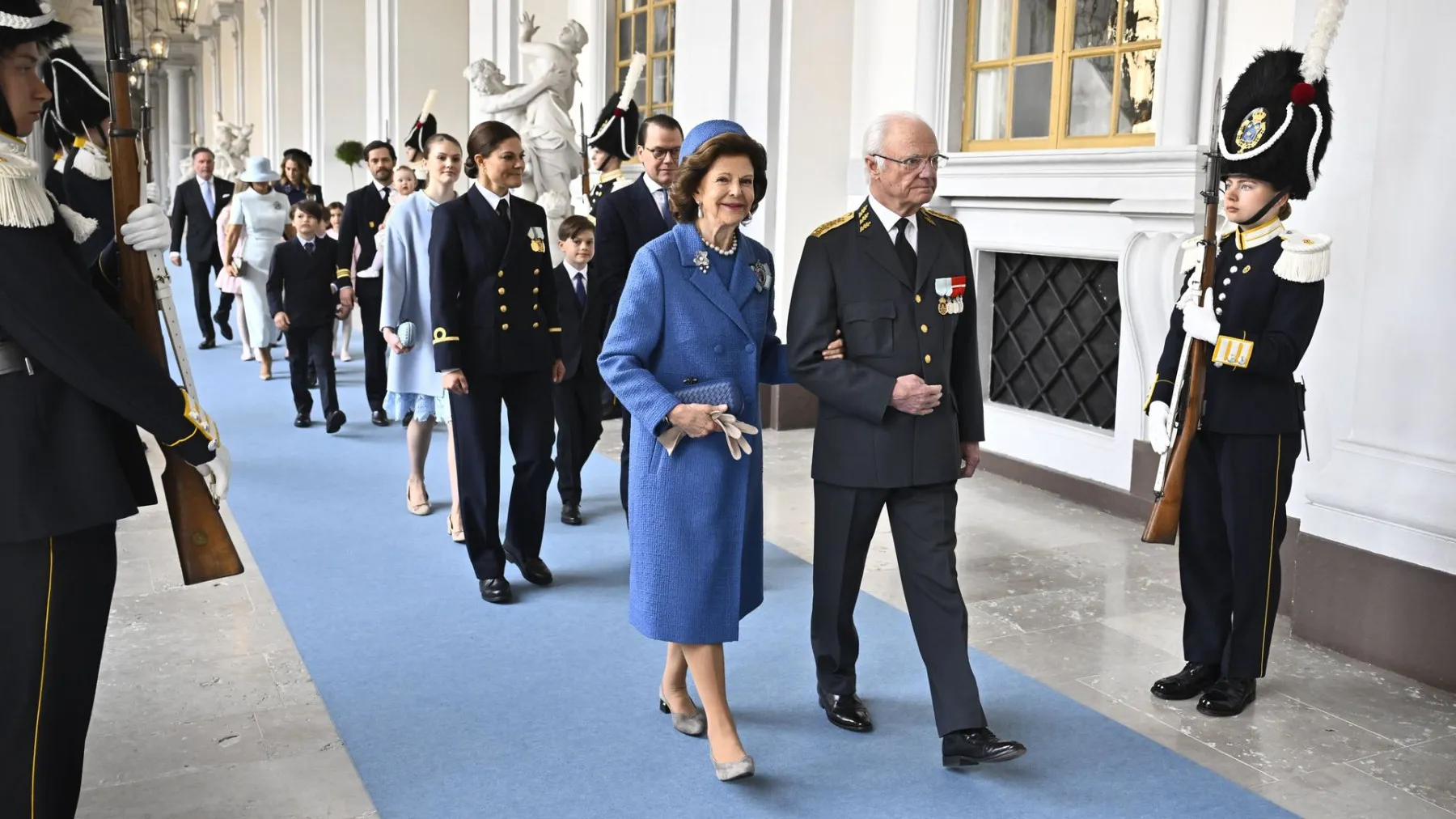
The Swedish court gathered half of Europe for the birthday of the longest-reigning European monarch. Princess Sofia with a hat...
Daily horoscope - 29.04.2026