Studeničani: 35-year-old dies after being electrocuted while washing his car with a pressure washer
18.09.2026


18.09.2026

18.09.2026
18.09.2026
18.09.2026
18.09.2026
18.09.2026
18.09.2026
17.09.2026
16.09.2026
18.09.2026
18.09.2026
17.09.2026

18.09.2026
18.09.2026

18.09.2026
18.09.2026
17.09.2026

16.09.2026

18.09.2026

18.09.2026

18.09.2026

18.09.2026

17.09.2026

17.09.2026

09.03.2026

27.02.2026

19.02.2026
18.09.2026
17.09.2026
16.09.2026

23.04.2026

23.04.2026

12.04.2026

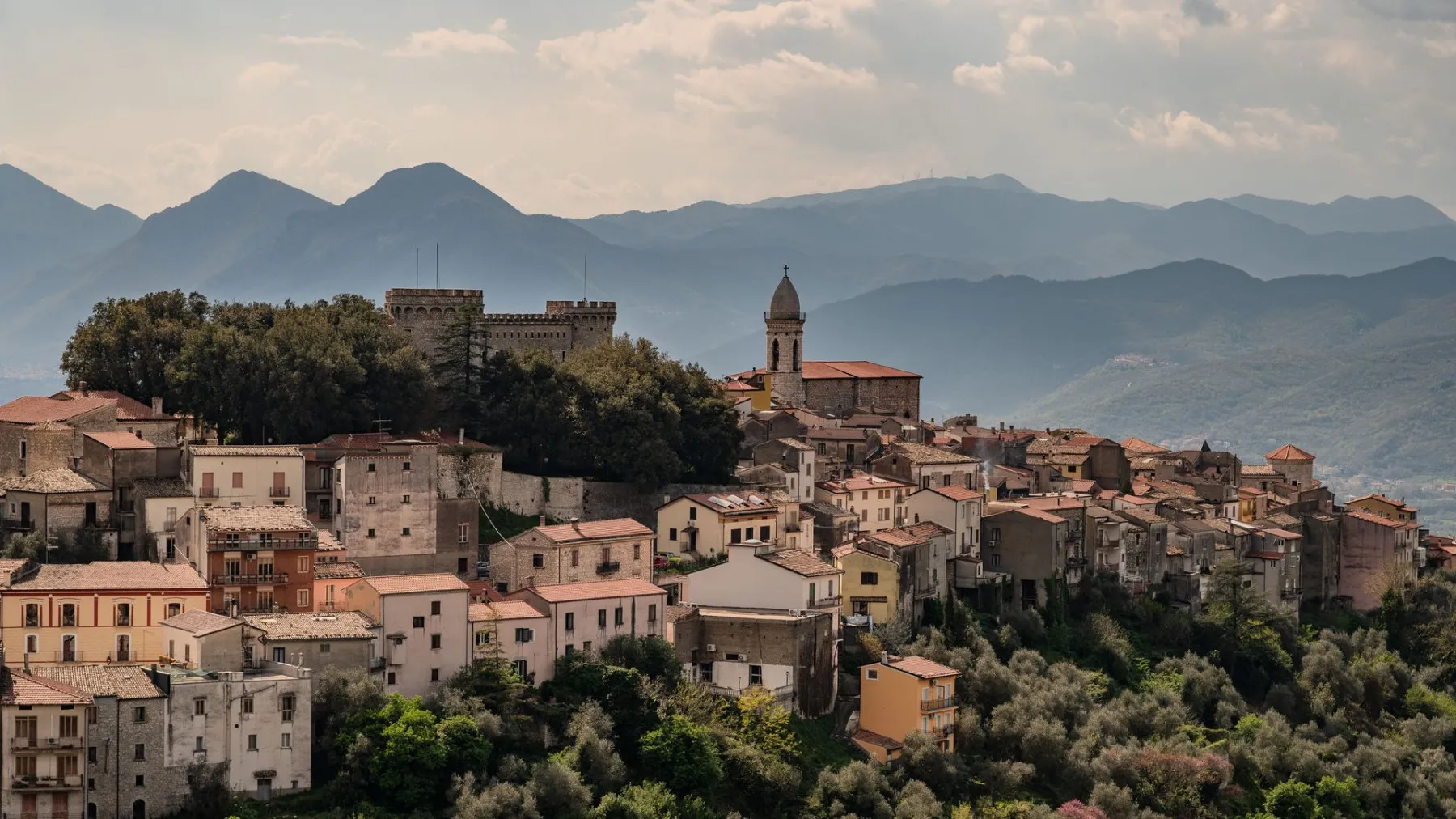
There is a region in Italy that Italians say does not exist. "Molise doesn't exist, it resists" - reads a mural by street artist Biancoshock in the village of Civitacampomarano. This self-irony has become the unofficial symbol of one of the last genuinely untouched corners of Europe. 230 kilometres from Rome, smaller in population than Liechtenstein - and an offer that sounds impossible: up to €8,000 per year simply for moving there.
Molise is Italy's second-least populated region. Villages have been emptying for decades, and authorities decided to reverse the trend with financial incentives for new residents. The logic is simple: better to pay someone to come than to watch a village die. Does the Balkans know this model? The difference is that Italy offers money while our municipalities offer promises.
But why go to Molise beyond the money? The history is extraordinary. In Saepinum sits one of the world's best-preserved Roman archaeological parks - forums, basilicas, a first-century theatre. Sheep still pass through the same gates as they did two thousand years ago. In Isernia, the ancient Samnite city, rest the remains of "Homo aeserniensis" - over 700,000 years old. In Agnone, a bell foundry has operated without interruption since 1040 - the same method, the same craft, unchanged across centuries.
Civitacampomarano - 150 residents - was almost a dead village before 2014. Today, summer art festivals make it one of the most interesting spots in the region. Termoli on the coast has an 11th-century castle. Campobasso, the capital, is a medieval labyrinth above a modern centre. This is Italy before mass tourism - before "made for Instagram." Is it worth going? If you want authenticity more than the Colosseum with 50,000 daily visitors - the answer is obvious.
The latest 10 news from this category
The royal couple walked yesterday into a pub the village bought back for itself. How many buildings like that sit...

Of twenty-five new inscriptions, five are natural - and only one is in Europe. For the richest of them, the...
Fifty beaches, more than 120 villages and a trail France voted its favourite. Monet came for a few days and...
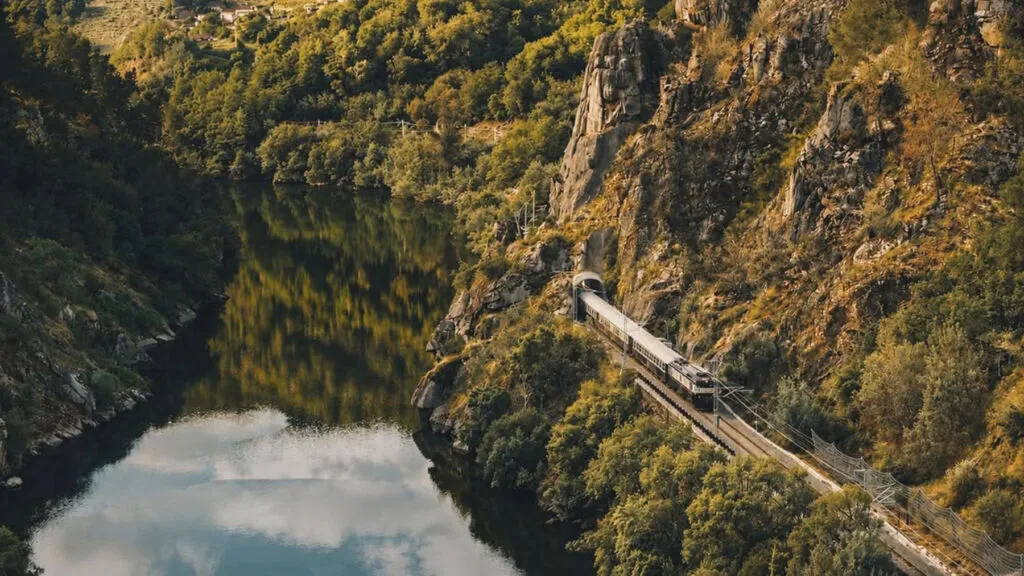
Restored carriages, a locomotive they call the Japanese Woman and a 28.95 euro return ticket. What it sells is not...
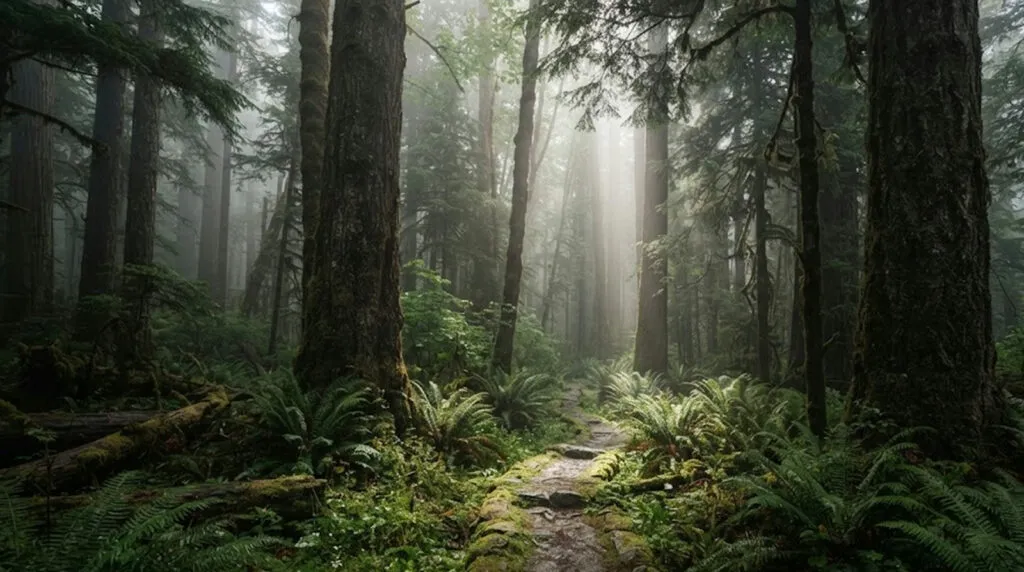
Two hundred and fifty tree species from every corner of the world, a monastery from 1628 and a palace that...
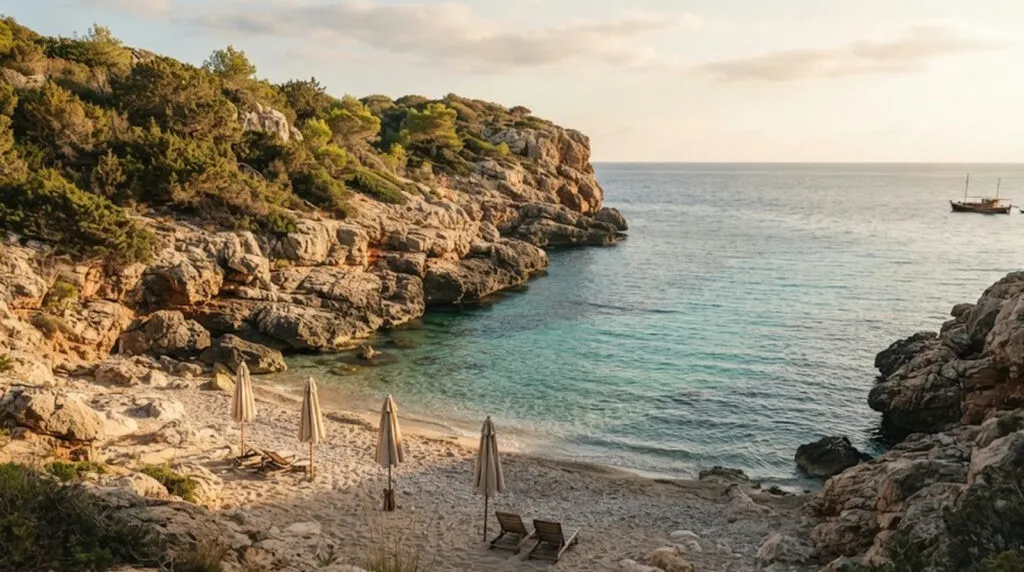
The same places cost more in August, look crowded and are experienced at half strength. The difference is made by...
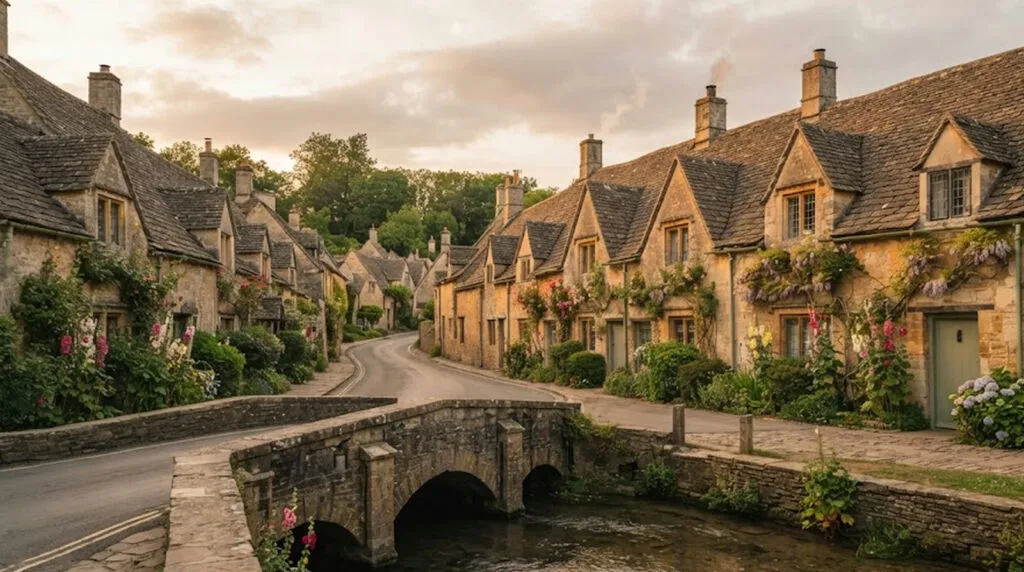
The Beckhams have a place there, so do Kate Moss and Ellen DeGeneres. But the Cotswolds needs none of those...

Down on the coast the buses pass each other with centimetres to spare and all you see is people. Up...
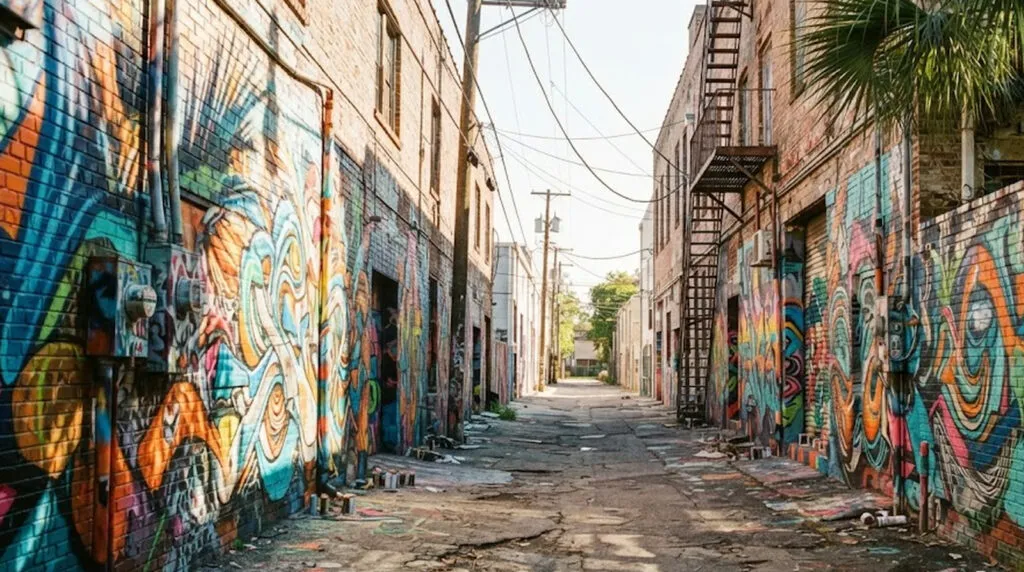
Empty warehouses, low rents and one real estate developer. A model we know without flying to Florida.
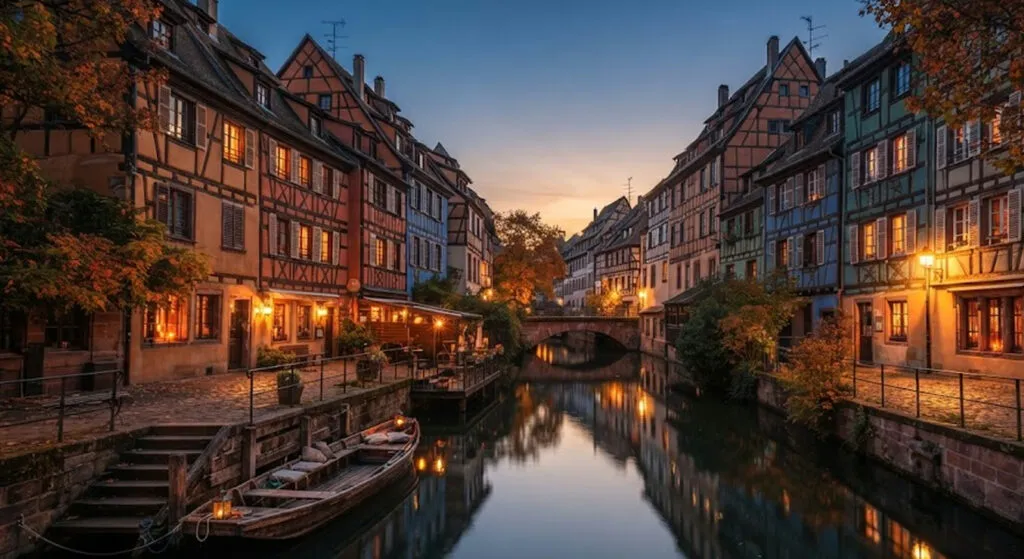
Old tanners' and dyers' workshops, built directly over the river. From 10 to 13 September the town puts boats and...
This site uses cookies - is that okay? Learn more
Be the first to know when Metla launches something new
Leave your email and we will write when there is a new guide or something new on Metla.