

Studeničani: 35-year-old dies after being electrocuted while washing his car with a pressure washer
18.09.2026


18.09.2026
18.09.2026
18.09.2026
18.09.2026
18.09.2026
18.09.2026
18.09.2026
17.09.2026
16.09.2026
18.09.2026
18.09.2026
17.09.2026

18.09.2026
18.09.2026

18.09.2026
18.09.2026
17.09.2026
16.09.2026
18.09.2026

18.09.2026
18.09.2026

18.09.2026
17.09.2026
17.09.2026

09.03.2026

27.02.2026

19.02.2026
18.09.2026
17.09.2026
16.09.2026

23.04.2026

23.04.2026

12.04.2026

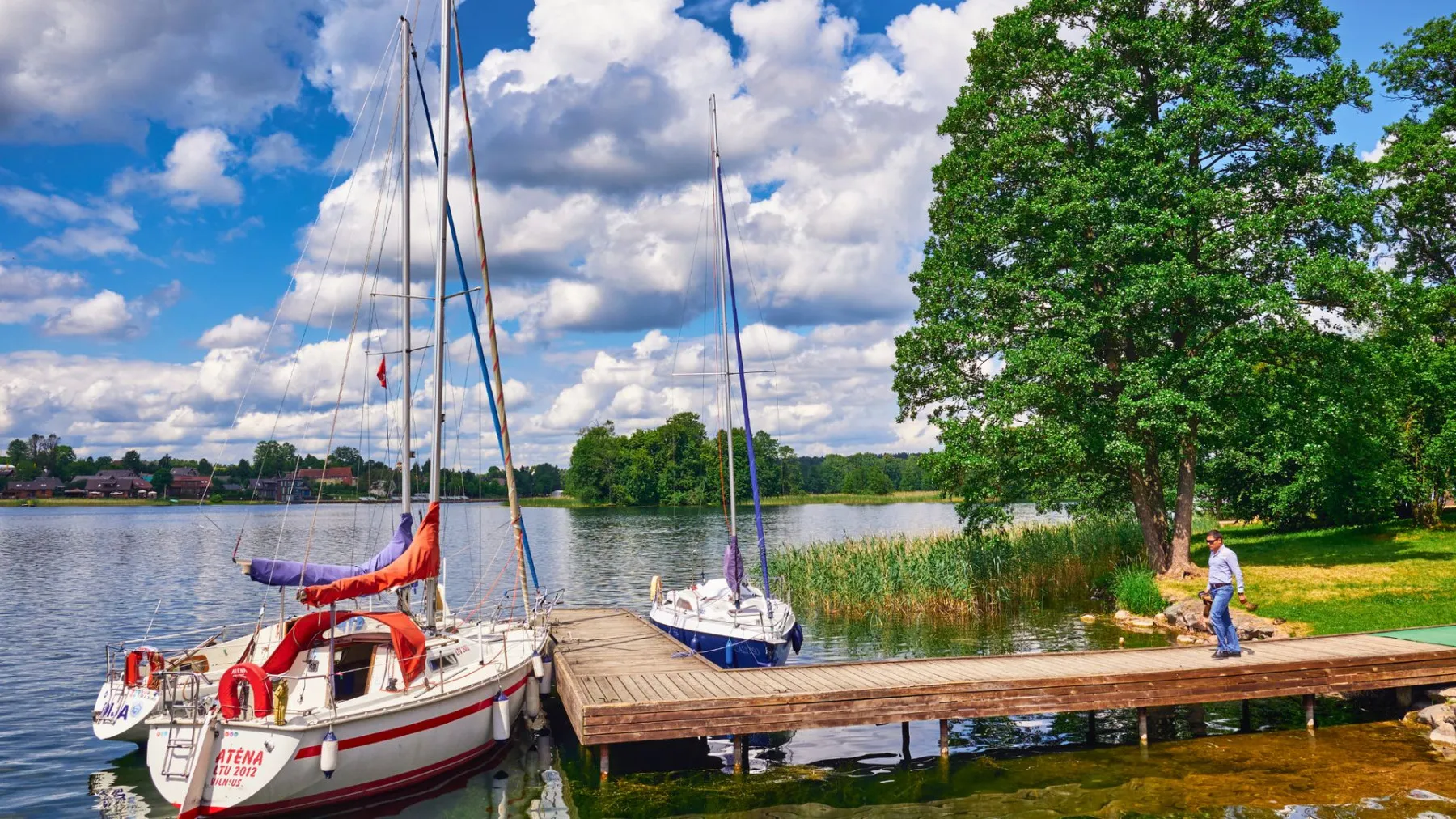
Twenty-eight kilometers west of Vilnius hides one of the most unusual medieval castles in northern Europe. Trakai - a Lithuanian fortress built on an island in the middle of a lake, surrounded by five bodies of water and forests of birch and pine. A place travelers from the Balkans rarely have on their map, and should.
The castle was built between the 14th and 15th centuries - red brick, round towers with conical roofs, and a reflection in Lake Galve that makes the whole structure look drawn rather than built. The foundations were laid by Grand Duke Kęstutis, and his son Vytautas the Great finished it and moved his residence there. Today it's „one of the most spectacular medieval structures in northern Europe", according to local historians.
Lithuanian legend says Duke Gediminas discovered the place while hunting and was so enchanted by its beauty that he decided to found a new capital there. Around 1322. He later moved the capital to Vilnius, but Trakai stayed a point of cultural memory.
This is where the Karaite community lives - a Turkic people Vytautas brought from Crimea at the end of the 14th century. From the original four hundred families, wars and plague have reduced them to about sixty today. They have their own architecture - wooden houses with three windows facing the street, representing God, the duke and the family. They have their own kenesa - a small Turkic synagogue, the only one of its kind in Europe. And their own kitchen - kibinai, baked pies with lamb or beef.
Lake Galve has 21 islands. Summer on these waters means kayaking, cycling, sailboats, the beach at Lake Akmena. Near the castle stands Užutrakis Manor, a 19th-century palace with gardens designed by French landscape architect Édouard François André - marble sculptures and geometric flower beds.
A holiday worth experiencing - St. John's Eve on June 23. Bonfires, wreaths of wildflowers, hand-made drinks from recipes centuries old. Something the Balkan soul understands without translation. Same holiday, same symbols, same thirst for summer in a country where winter writes itself in too early.
For those avoiding the tourist crowds of Prague and Budapest - Trakai offers medieval Europe without queueing for a ticket. That's still a rarity on this continent.
The latest 10 news from this category
The royal couple walked yesterday into a pub the village bought back for itself. How many buildings like that sit...

Of twenty-five new inscriptions, five are natural - and only one is in Europe. For the richest of them, the...
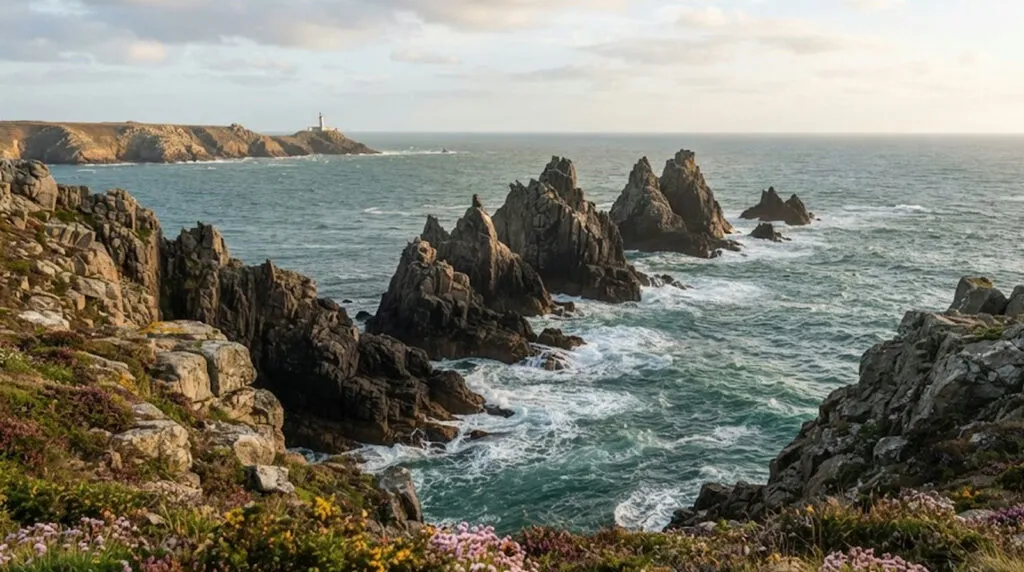
Fifty beaches, more than 120 villages and a trail France voted its favourite. Monet came for a few days and...
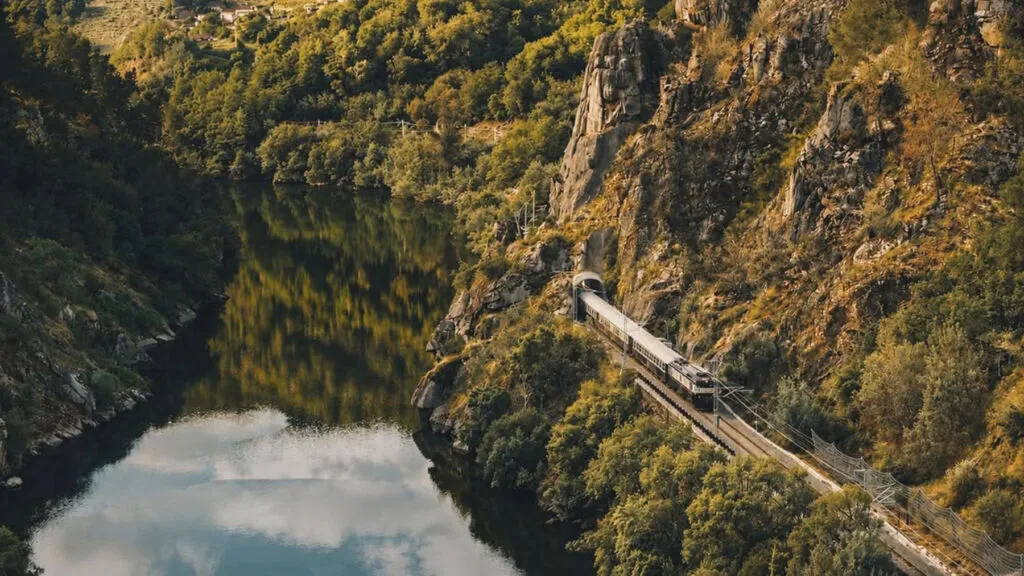
Restored carriages, a locomotive they call the Japanese Woman and a 28.95 euro return ticket. What it sells is not...
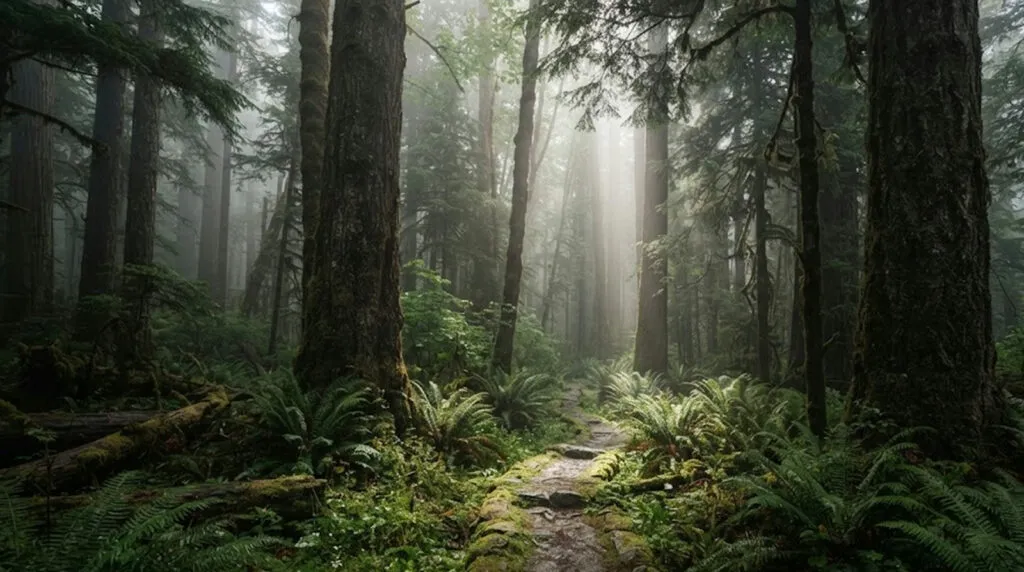
Two hundred and fifty tree species from every corner of the world, a monastery from 1628 and a palace that...
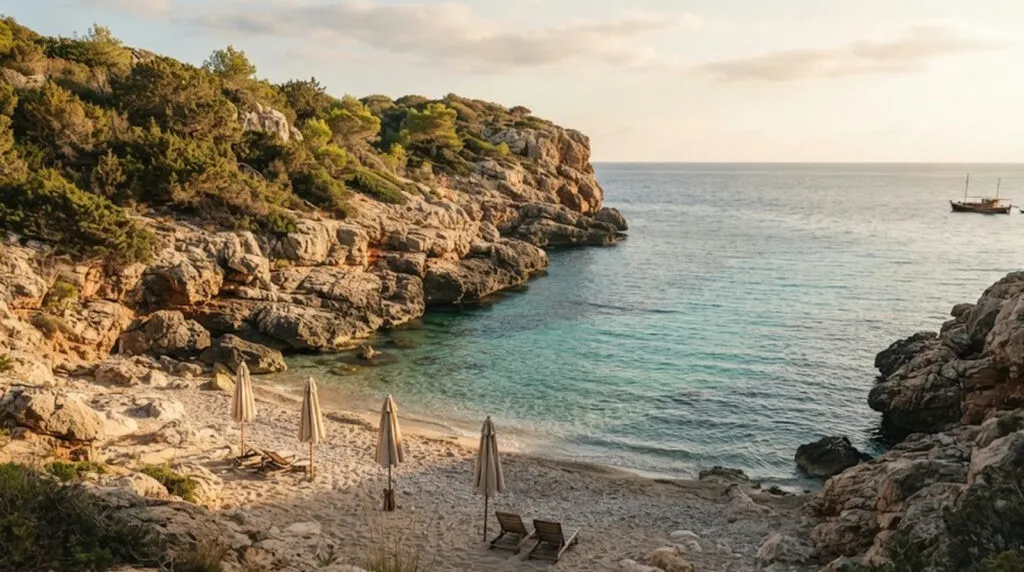
The same places cost more in August, look crowded and are experienced at half strength. The difference is made by...
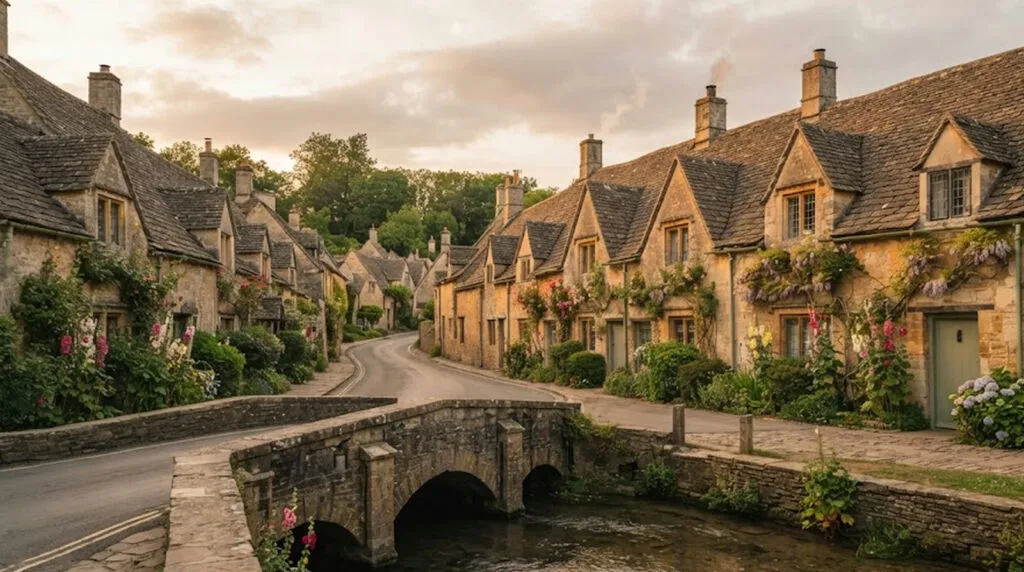
The Beckhams have a place there, so do Kate Moss and Ellen DeGeneres. But the Cotswolds needs none of those...

Down on the coast the buses pass each other with centimetres to spare and all you see is people. Up...
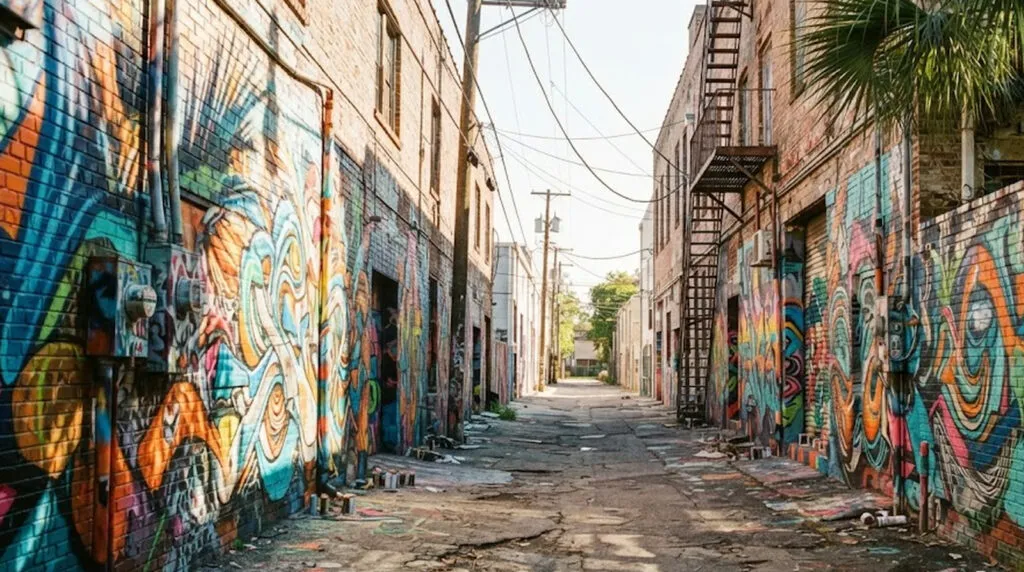
Empty warehouses, low rents and one real estate developer. A model we know without flying to Florida.
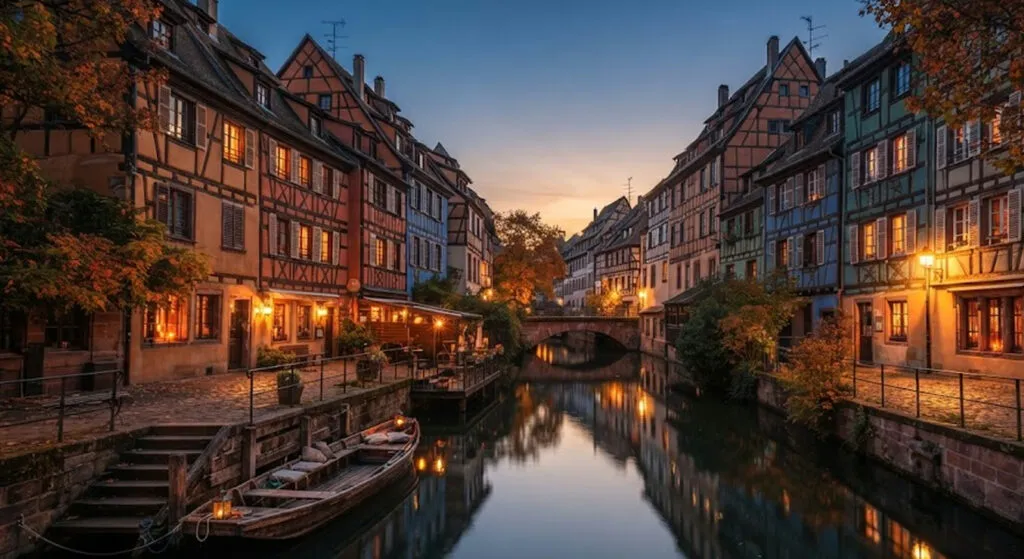
Old tanners' and dyers' workshops, built directly over the river. From 10 to 13 September the town puts boats and...
This site uses cookies - is that okay? Learn more
Be the first to know when Metla launches something new
Leave your email and we will write when there is a new guide or something new on Metla.
