


Studeničani: 35-year-old dies after being electrocuted while washing his car with a pressure washer
18.09.2026


18.09.2026
18.09.2026
18.09.2026
18.09.2026
18.09.2026
18.09.2026
18.09.2026
17.09.2026
16.09.2026
18.09.2026
18.09.2026
17.09.2026
18.09.2026
18.09.2026
18.09.2026
18.09.2026
17.09.2026
16.09.2026
18.09.2026

18.09.2026
18.09.2026

18.09.2026
17.09.2026
17.09.2026

09.03.2026

27.02.2026

19.02.2026
18.09.2026
17.09.2026
16.09.2026

23.04.2026

23.04.2026

12.04.2026

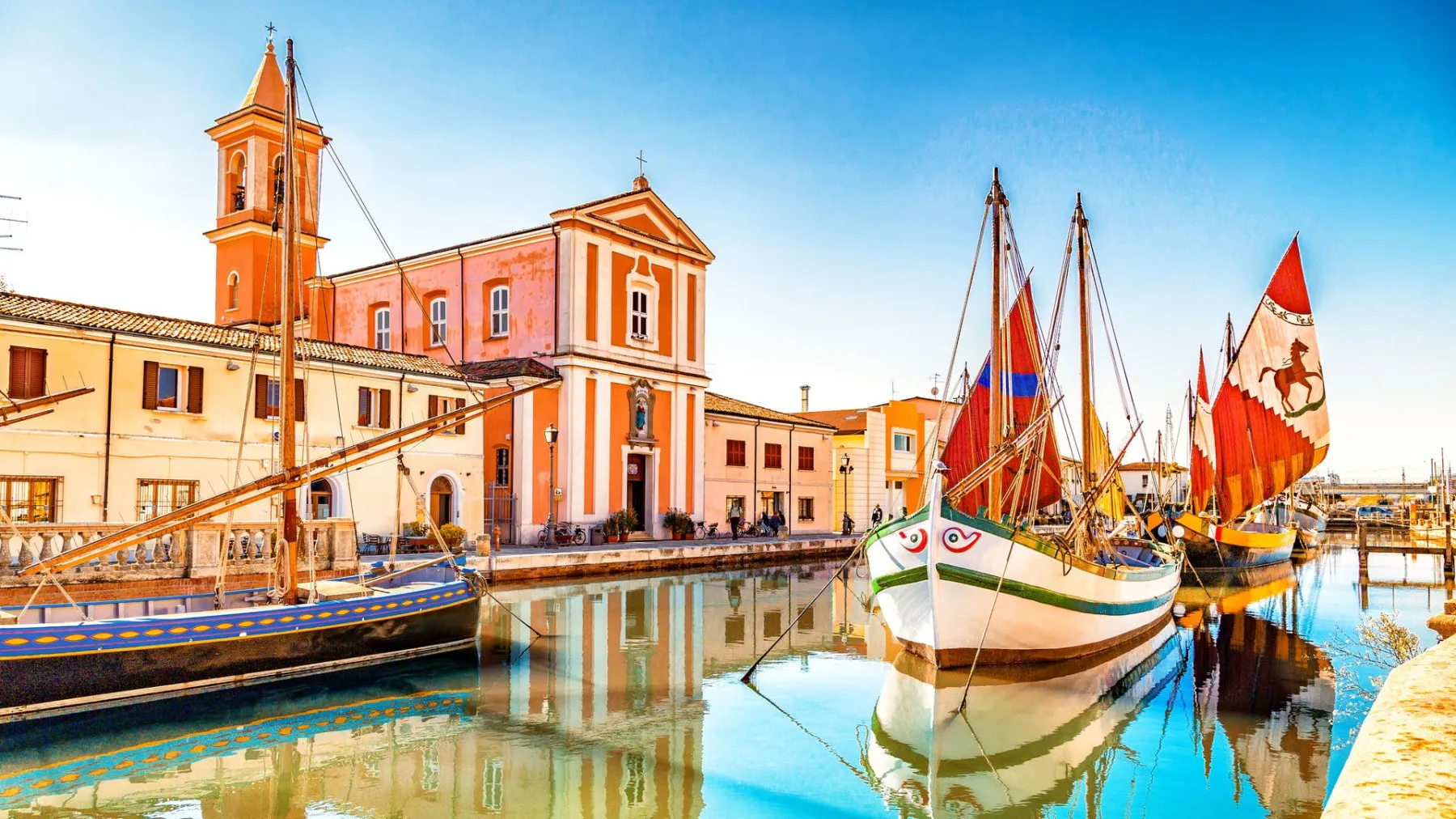
The Italian Adriatic isn't only Venice and Rimini with their beaches. Between them lies a stretch of old fishing harbours, medieval towns and 5th-century mosaics - which most tourists skip and which the Balkans almost never visits in an organised trip.
Rimini is the starting point. Behind the well-known 20th-century beaches - the ones from the films with Sophia Loren and a young Fellini - sits an old centre with the Arch of Augustus, the Malatestian Temple with frescoes by Giotto and Piero della Francesca, and the Fellini Museum housed in the Castel Sismondo. It isn't an urban heart for postcards, but for a few hours of walking.
A few kilometres further on is Santarcangelo di Romagna. A medieval town with walls, narrow cobbled streets, houses in pastel colours. Here is the Stamperia Marchi printworks where they still use a wooden printing machine from 1633 and a 17th-century secret recipe for natural dyes on textile. It isn't a reconstruction for tourists - it's a working artisanal workshop.
Cesenatico and Cervia are fishing towns with harbours designed by Leonardo da Vinci. Cervia has a salt-making tradition going back centuries, and the MUSA museum and the Sapore di Sal festival open up the same secrets the Venetians taught. The Balkans understand this - salt, fish and a small town that has lived to the same rhythm of the sea for three centuries.
Ravenna is the crown of the trip. They call it "the world capital of mosaics", and they aren't exaggerating: eight UNESCO early Christian monuments, among them the basilica of San Vitale with one of the most beautiful early Christian decorations in Europe. Here too is the tomb of Dante Alighieri, who died in exile in this town and not in his native Florence.
A short trip leads to Comacchio - a small town built on 13 islands, in canal style, with an eel-fishing tradition kept up for centuries. Ferrara closes the loop: a Renaissance city planned by the Este family, with 9 kilometres of walls perfect for a cycling ride through the old town's geometry.
Why doesn't the Balkans see this? Because the agencies sell Venice and Rome, not Romagna. We all know about Campania and Tuscany, a bit about the region around Bologna. And meanwhile, 200 kilometres south of Venice lies a similarly rich historical stretch - with half the tourists and three times better restaurants. Maybe the next May long weekend should be booked the other way.
The latest 10 news from this category
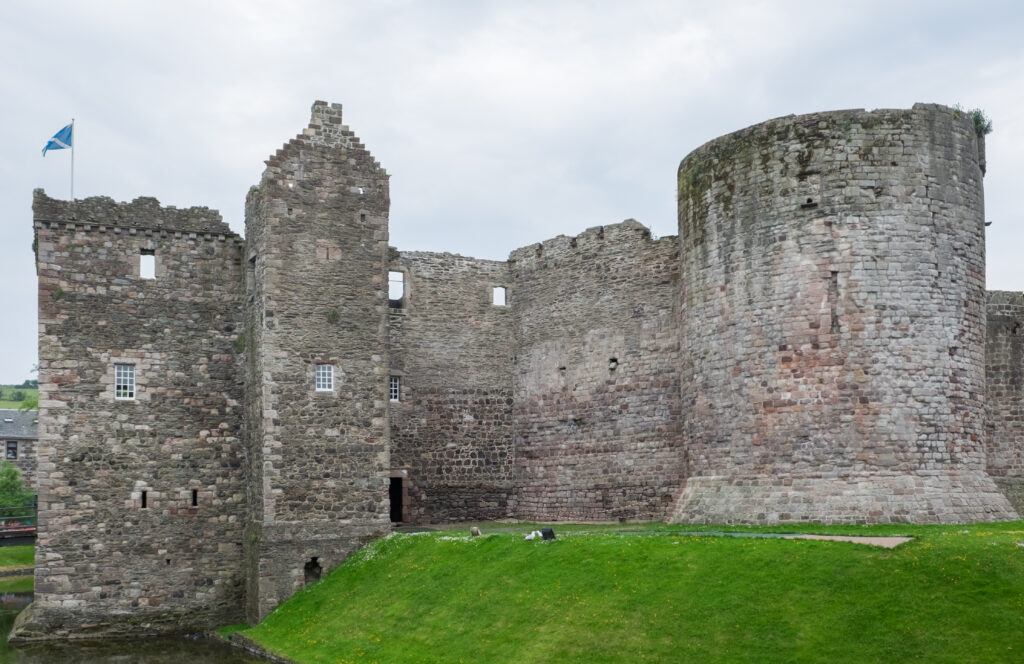
The royal couple walked yesterday into a pub the village bought back for itself. How many buildings like that sit...

Of twenty-five new inscriptions, five are natural - and only one is in Europe. For the richest of them, the...
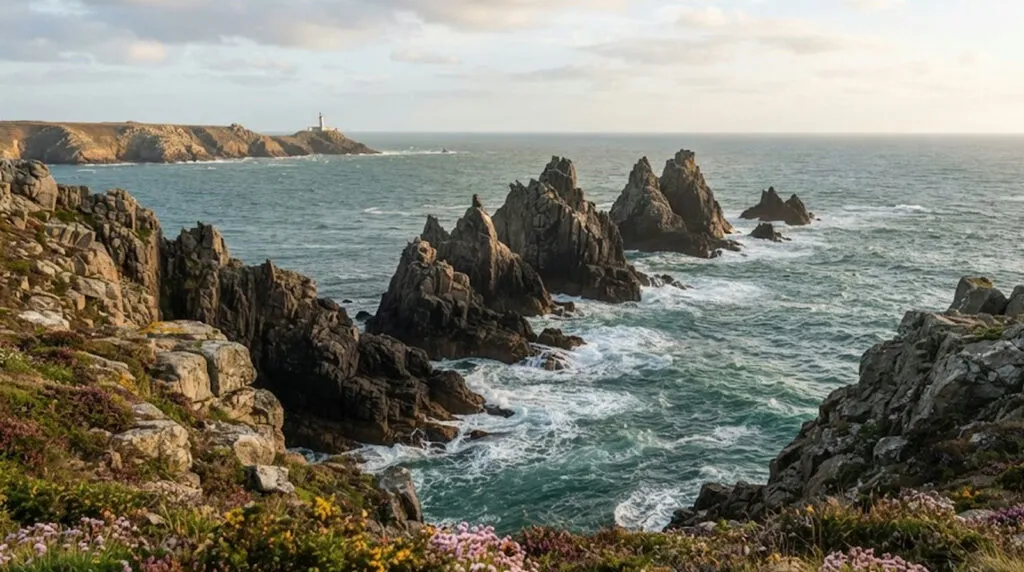
Fifty beaches, more than 120 villages and a trail France voted its favourite. Monet came for a few days and...
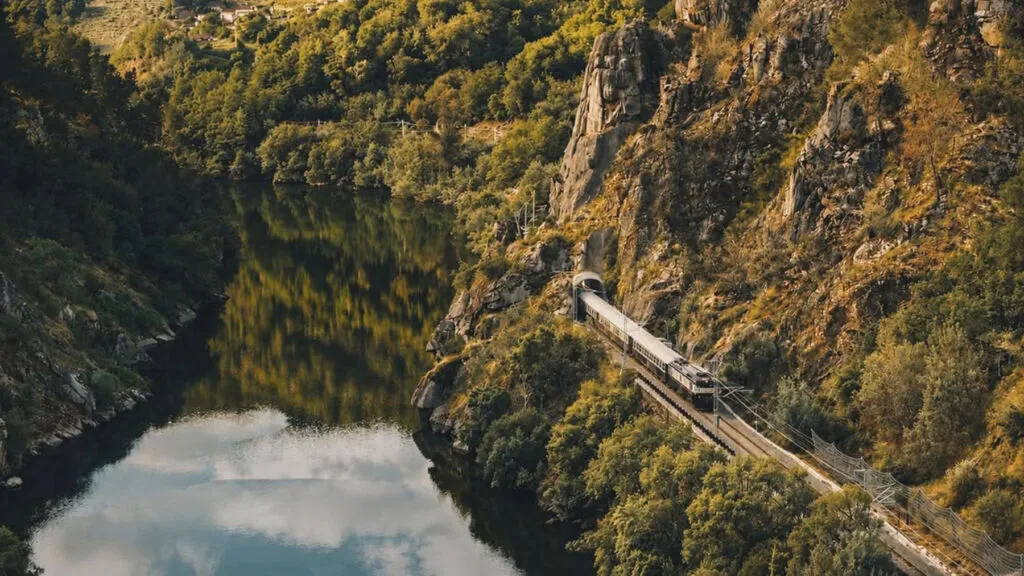
Restored carriages, a locomotive they call the Japanese Woman and a 28.95 euro return ticket. What it sells is not...
Two hundred and fifty tree species from every corner of the world, a monastery from 1628 and a palace that...
The same places cost more in August, look crowded and are experienced at half strength. The difference is made by...
The Beckhams have a place there, so do Kate Moss and Ellen DeGeneres. But the Cotswolds needs none of those...

Down on the coast the buses pass each other with centimetres to spare and all you see is people. Up...
Empty warehouses, low rents and one real estate developer. A model we know without flying to Florida.
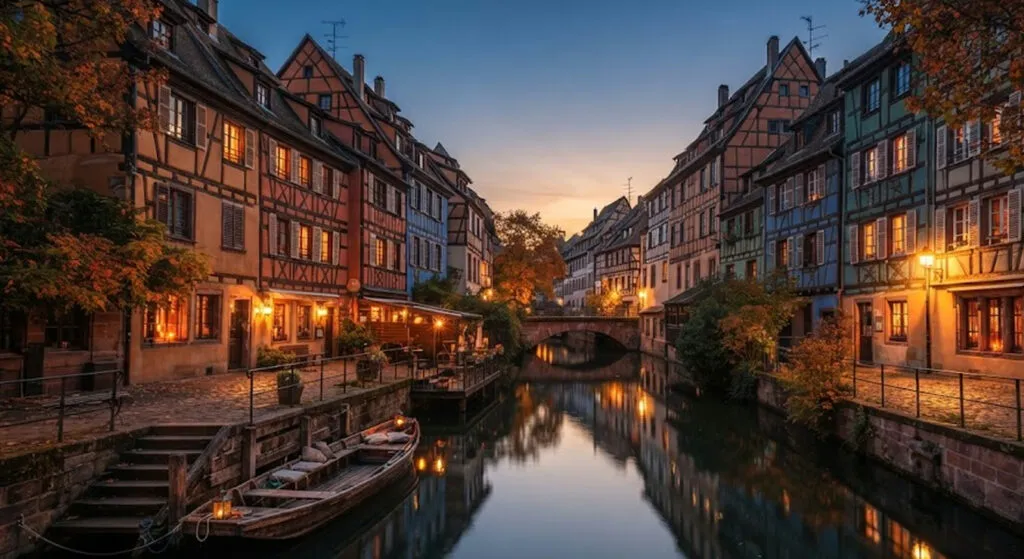
Old tanners' and dyers' workshops, built directly over the river. From 10 to 13 September the town puts boats and...
This site uses cookies - is that okay? Learn more
Be the first to know when Metla launches something new
Leave your email and we will write when there is a new guide or something new on Metla.
