

Studeničani: 35-year-old dies after being electrocuted while washing his car with a pressure washer
18.09.2026


18.09.2026

18.09.2026

18.09.2026

18.09.2026

18.09.2026
18.09.2026
18.09.2026

17.09.2026
16.09.2026

18.09.2026

18.09.2026

17.09.2026

18.09.2026

18.09.2026

18.09.2026
18.09.2026
17.09.2026

16.09.2026

18.09.2026

18.09.2026

18.09.2026

18.09.2026

17.09.2026

17.09.2026

09.03.2026

27.02.2026

19.02.2026

18.09.2026
17.09.2026

16.09.2026

23.04.2026

23.04.2026

12.04.2026

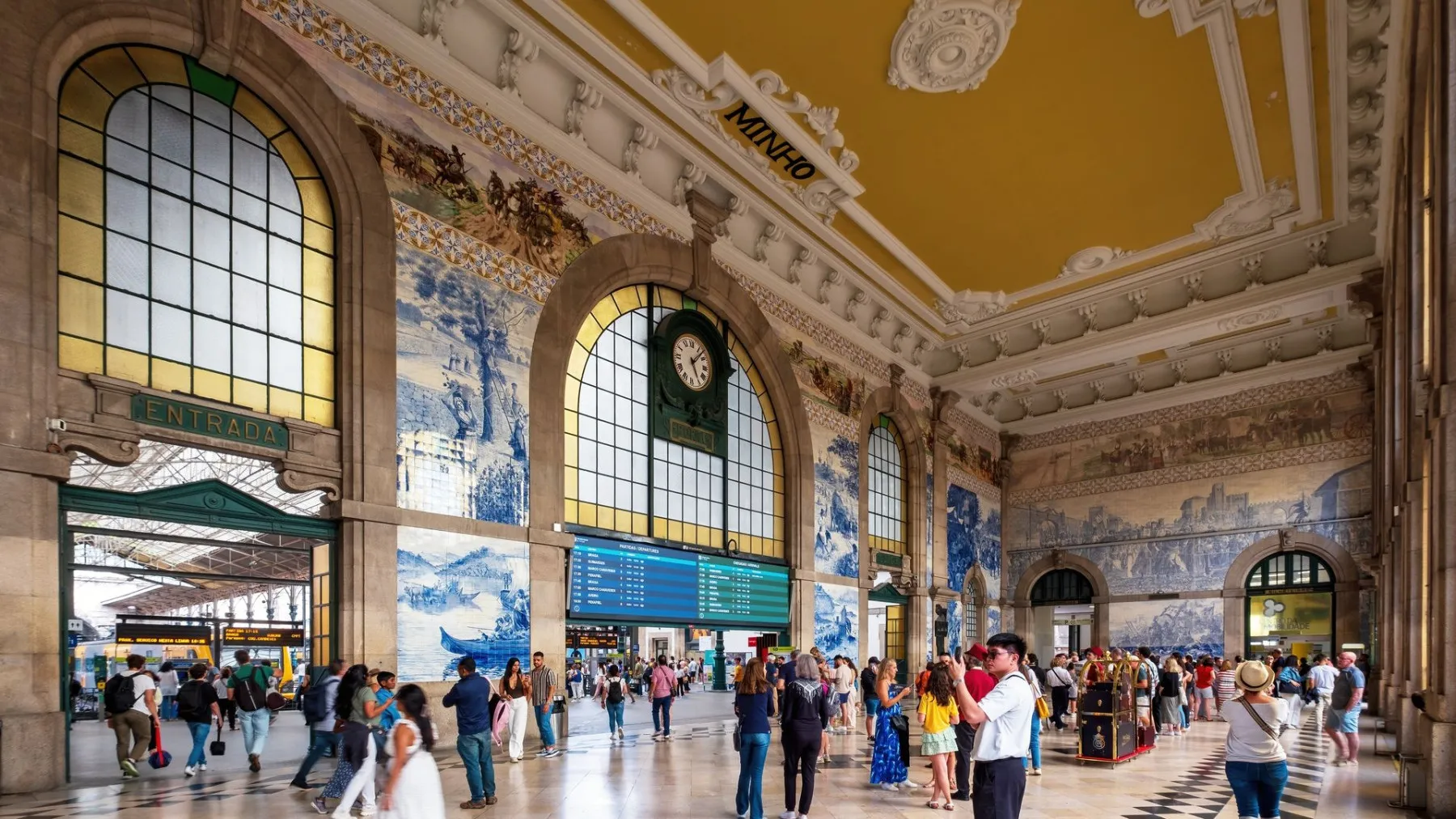
There are train stations where people come only to catch a train. And there is one place in Porto, Portugal, where tourists come first to see it, and only then maybe to travel. Sao Bento - a station opened in 1916, built on the ruins of a Benedictine monastery, with an interior that reminds visitors that in Portugal nobody made things just for function. What you're looking at is a historical canvas of 20,000 hand-painted tiles.
The artist Jorge Colaco painted them between 1905 and 1906. White and blue azulejos - the classic Portuguese ceramic style, also familiar from Lisbon. But in Sao Bento they spread across 551 square metres. The wedding of King Joao I to Philippa of Lancaster in 1378. The capture of Ceuta in 1415. The tournament at Arcos de Valdevez. The grape harvest along the banks of the Douro. Quiet rural Portugal built into the tiles of a train station.
Architect Jose Marques da Silva designed the building so that the waiting hall feels more like a church than a passenger space. High vaulting, marble, light coming down from above. Local legend says that in the quiet hours a ghost walks the corridors - the last abbess of the monastery, who died in 1892. Maybe it's just a story for tourists. Maybe it isn't. When a station is built on a monastery, ghosts are never considered impossible.
The first train arrived in Porto on 7 November 1896 - twenty years before the station officially opened. That says something about Portuguese work. Nobody was in a hurry. First they let the train run, then slowly they built the station to look the way it should. A decree from the mid-19th century, signed by Joaquim Antonio de Aguiar, dissolved the monastic order - that's when the state took the land. Half a century later, a train was passing through the place where the nuns once prayed.
For anyone planning a trip to Porto, Sao Bento is the natural starting point. Within walking distance are the Cathedral, the Clerigos Tower, the Carmelite Church, and the Lello bookshop - the one J. K. Rowling reportedly had in mind when writing Hogwarts. It would be a mistake to walk through the station without stopping for at least ten minutes. With or without a phone - it doesn't matter. What matters is seeing what it looks like when a country decided that even a train station deserves a work of art.
In the Balkans we have train stations from the same era. Skopje's old station - demolished. Belgrade's - covered in scaffolding and posters. Sarajevo's - functional but soulless. Sao Bento is a reminder that a station doesn't have to be just a bridge between two roads. It can be a destination. A question of whether a country wanted it to be, or didn't.
The latest 10 news from this category
The royal couple walked yesterday into a pub the village bought back for itself. How many buildings like that sit...

Of twenty-five new inscriptions, five are natural - and only one is in Europe. For the richest of them, the...
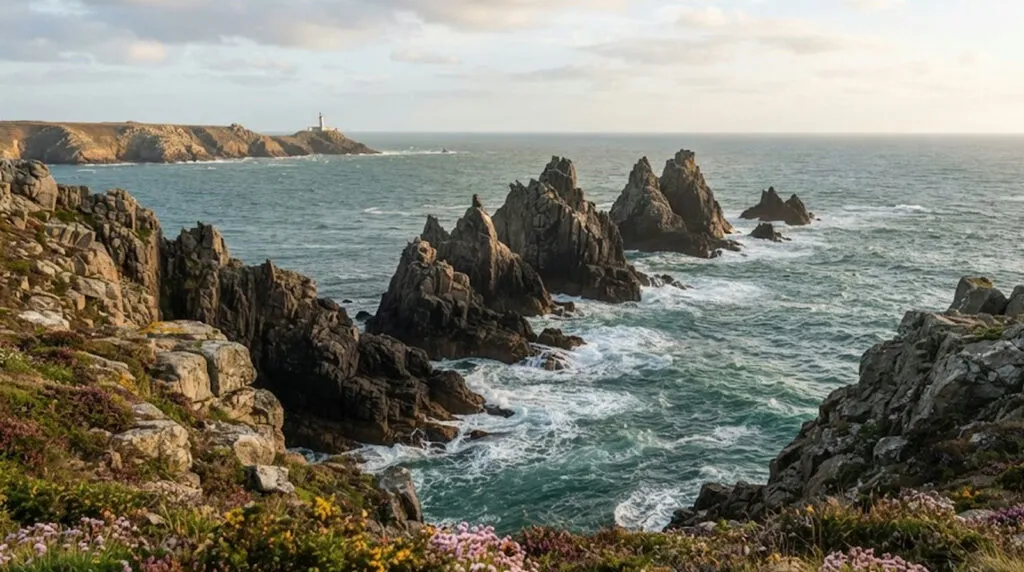
Fifty beaches, more than 120 villages and a trail France voted its favourite. Monet came for a few days and...
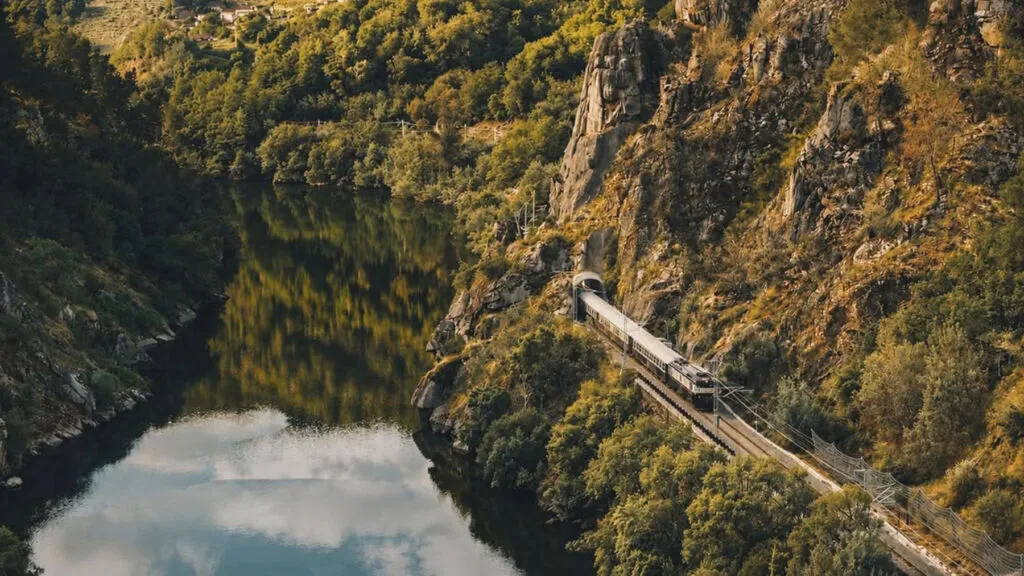
Restored carriages, a locomotive they call the Japanese Woman and a 28.95 euro return ticket. What it sells is not...
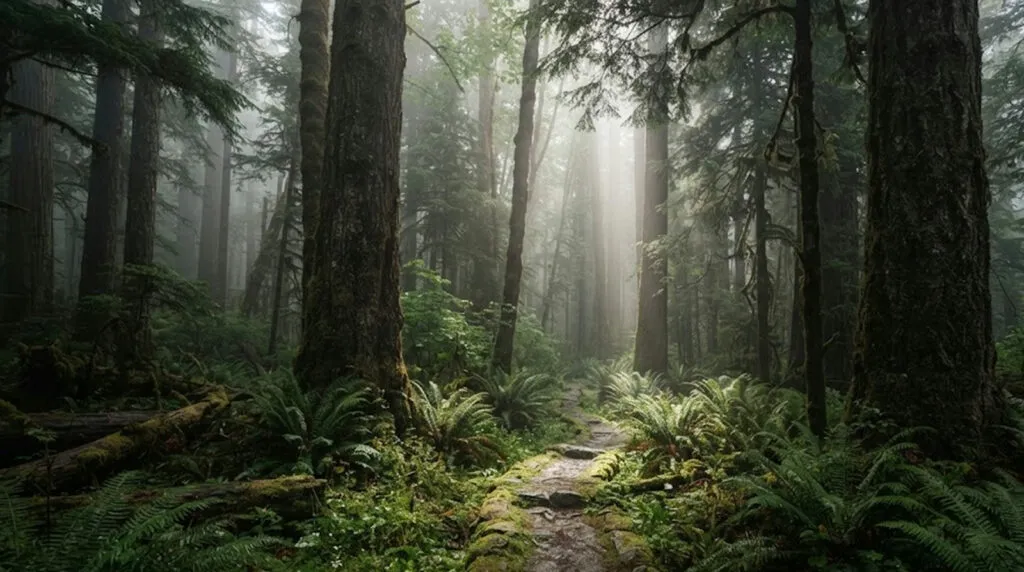
Two hundred and fifty tree species from every corner of the world, a monastery from 1628 and a palace that...
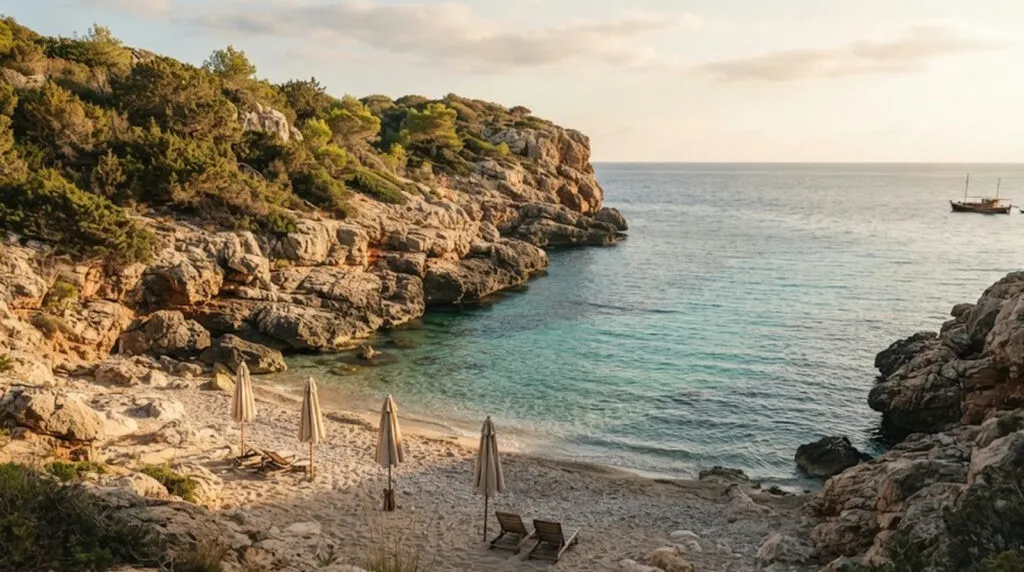
The same places cost more in August, look crowded and are experienced at half strength. The difference is made by...
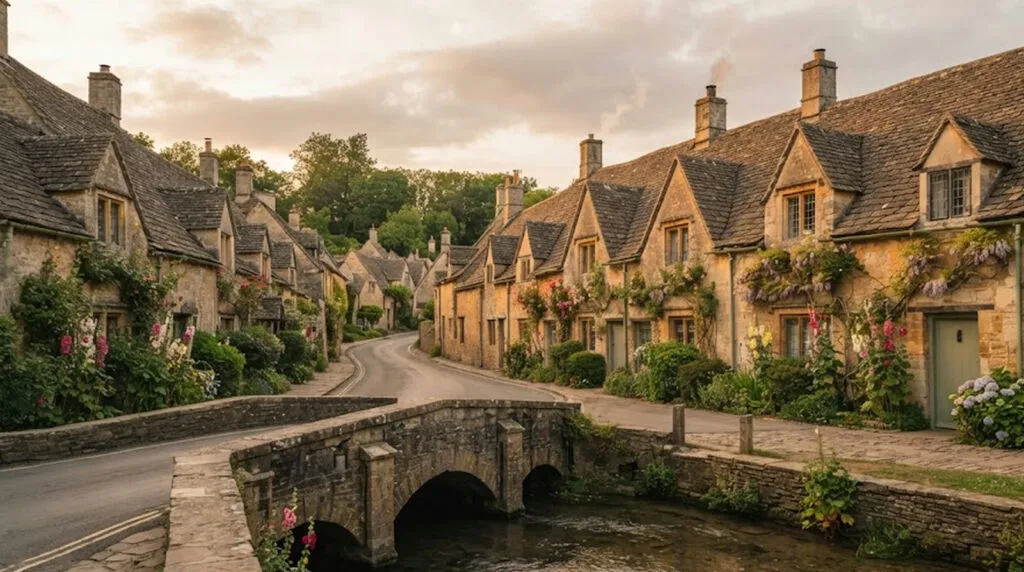
The Beckhams have a place there, so do Kate Moss and Ellen DeGeneres. But the Cotswolds needs none of those...

Down on the coast the buses pass each other with centimetres to spare and all you see is people. Up...

Empty warehouses, low rents and one real estate developer. A model we know without flying to Florida.
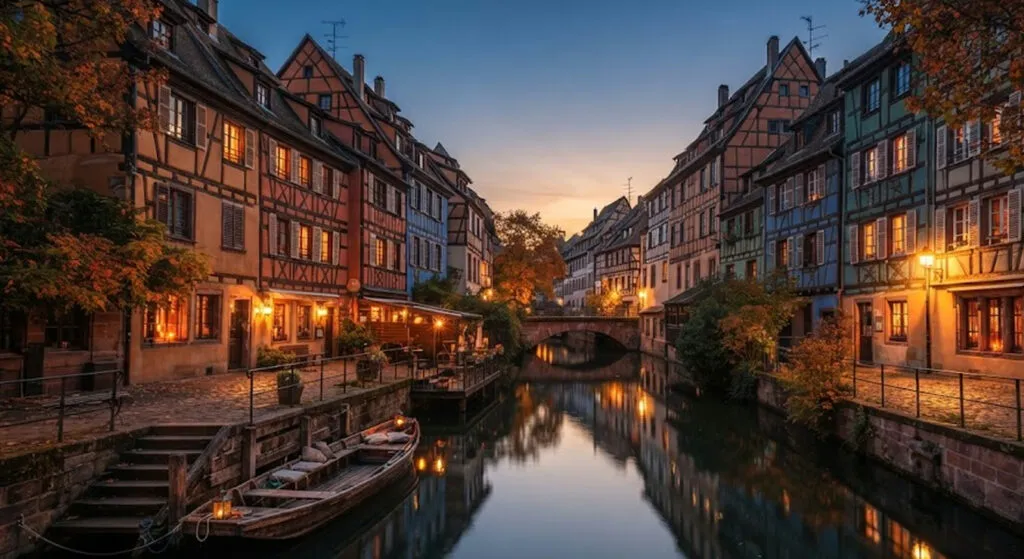
Old tanners' and dyers' workshops, built directly over the river. From 10 to 13 September the town puts boats and...
This site uses cookies - is that okay? Learn more
Be the first to know when Metla launches something new
Leave your email and we will write when there is a new guide or something new on Metla.
