


Someone Threw Flammable Liquid at a Shop in Central Skopje - and 17 Hours Passed Before Anyone Reported It
30.08.2026


30.08.2026

30.08.2026

30.08.2026

30.08.2026

30.08.2026

30.08.2026
30.08.2026
29.08.2026
28.08.2026

30.08.2026

30.08.2026

29.08.2026

30.08.2026

30.08.2026

30.08.2026

30.08.2026

29.08.2026

28.08.2026

30.08.2026

30.08.2026

30.08.2026

30.08.2026

30.08.2026

29.08.2026

09.03.2026

27.02.2026

19.02.2026

29.08.2026

28.08.2026

27.08.2026

23.04.2026

23.04.2026

12.04.2026
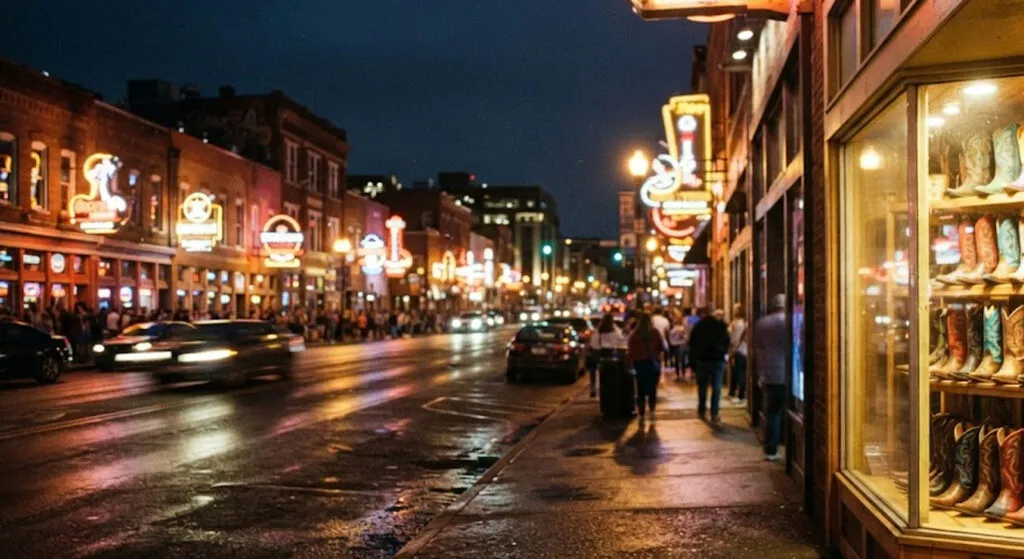
Dolly Parton died on 25 August, aged 80. A city that has lived off her name for decades now receives people coming to see that name spread across streets, museums and one studio where a girl from the mountains once decided not to sell a song to Elvis Presley.
Nashville, the capital of country music, does not geographically sit on the route of the legendary Highway 61. You have to turn a few kilometres off, leave the flow of the Mississippi and enter the wooded landscapes of Tennessee. That turn is what explains the whole story.
A city you arrive in with a guitar on your back
Straight out of high school, Parton packed a suitcase and set off for Nashville to claim her fate, following in the footsteps of countless others chasing the same American dream. That dream is still at work. Walk under the neon of Broadway and step into the clubs and you will meet musicians still trying today to turn their songs into a life.
Honky-tonks are bars without pretensions, born at the start of the twentieth century for drinking and listening to country mixed with blues. The fashion for cowboy boots and hats here is not a tourist costume - it is a way of living. The question that asks itself is how many cities in the world have managed to sell their own mythology so convincingly that the residents believe it too.
Three addresses that hold it all up
The Grand Ole Opry is where Parton performed as a teenager, and in 1969 she became a member of that closed institution. The auditorium still keeps a dressing room with her name on it. From there the oldest live radio programme in the United States is broadcast every day. Getting in is simple - you book a ticket.
But to grasp how the Grand Ole Opry became what it is, you first need to see the Ryman Auditorium. A religious temple from the end of the nineteenth century, known as the Mother Church of country music, which was the Opry's first home for more than three decades - thanks to the acoustics.
A few steps further is the Country Music Hall of Fame, a museum of 32,500 square metres through which Parton is the most present figure.
The night she said no to Elvis
The best story out of Nashville is not about a stage but a studio. RCA Studio B on Music Row is where Jolene and I Will Always Love You were recorded. There Parton once, arriving nervous for a session, clipped the building's facade with her car.
But the other event matters more. Elvis Presley wanted to record his own version of I Will Always Love You. His unyielding manager, Colonel Parker, demanded half the publishing rights as a condition. Parton spent a sleepless night. Saying no to the King of Rock and Roll was hard - but losing that legacy was not an option either.
She refused. Years later Whitney Houston sang the same song for the film The Bodyguard, and that decision turned Parton into one of the wealthiest entrepreneurs in the entertainment industry. One no, spoken on a single day, weighed more than many people's entire careers.
A wooden house with eleven siblings
The trip is not complete without a drive towards the Great Smoky Mountains, east of Tennessee, to Dollywood. The park, opened in 1986, tells the story of a girl born into a poor, large family. There is a reconstruction of her birthplace - a one-room cabin, with no electricity and no running water, where Dolly grew up with eleven siblings.
The park is also the main source of funding for her foundation. In 1995, inspired by her father's difficulties with reading and writing, she founded the Imagination Library - an initiative that has so far given away over 240 million books to children around the world.
With glittering dresses and heels as armour, in an industry run by men, she did something harder than a hit: she stayed the same person who arrived in the city with a suitcase. And that is exactly why Nashville now looks like her monument, rather than the other way round.
The latest 10 news from this category
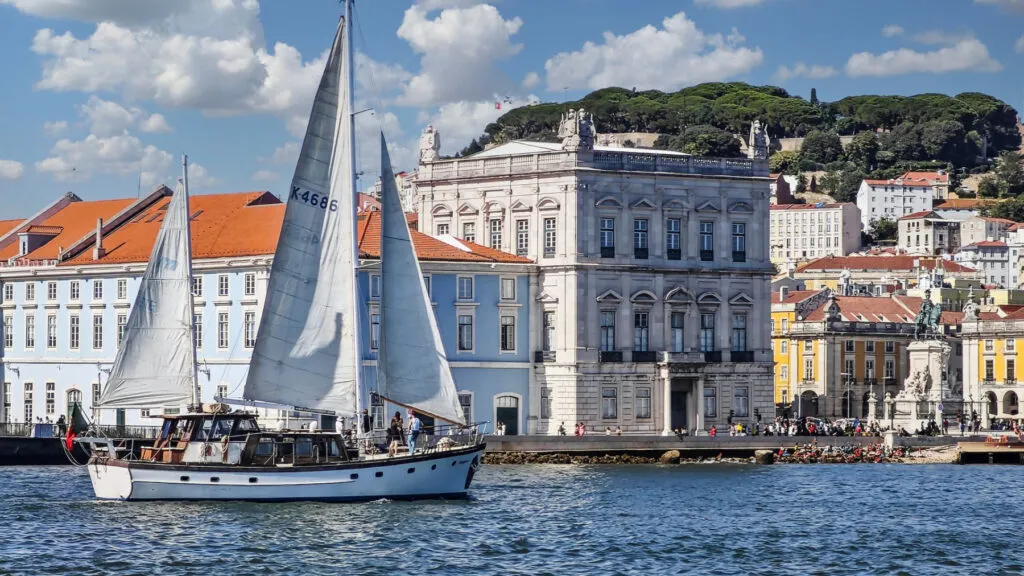
An hour on a sailing boat costs 25 euros, sunset 43. The best detail in the city is a rhinoceros...
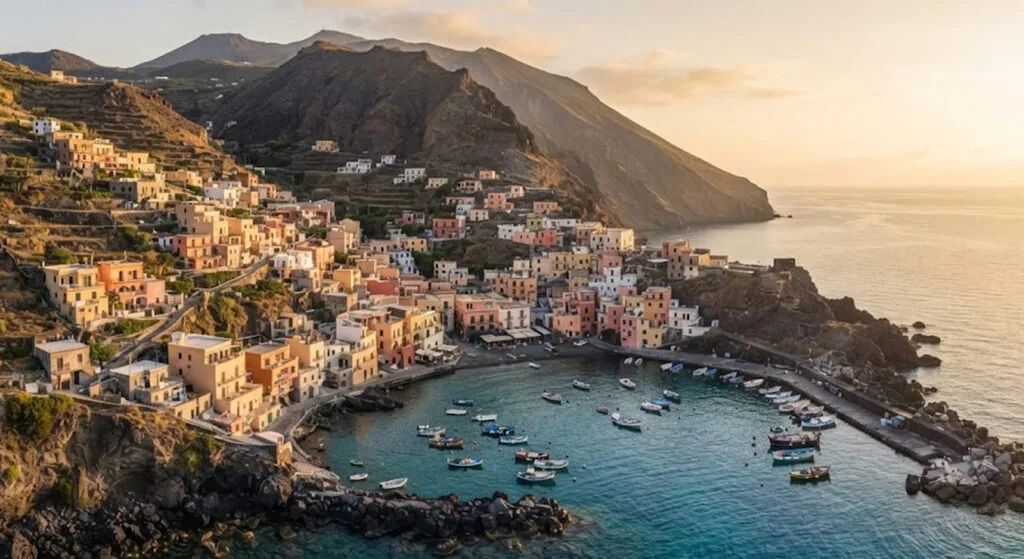
Of the six, only two are inhabited year-round and two are practically empty. Next time you hear the Union was...
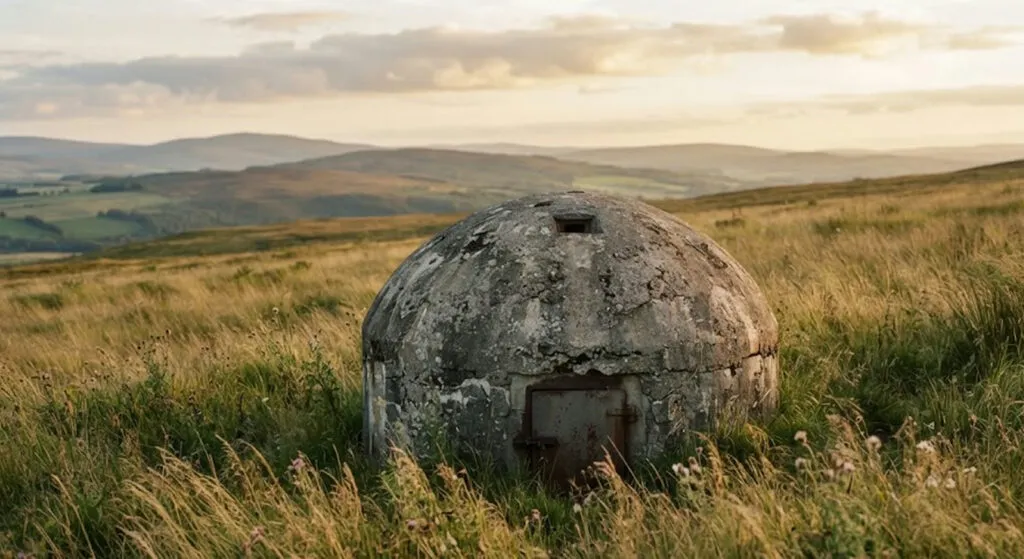
The pyramid raised in the dictator's honour is now an arts school. We are still arguing about whether to open...
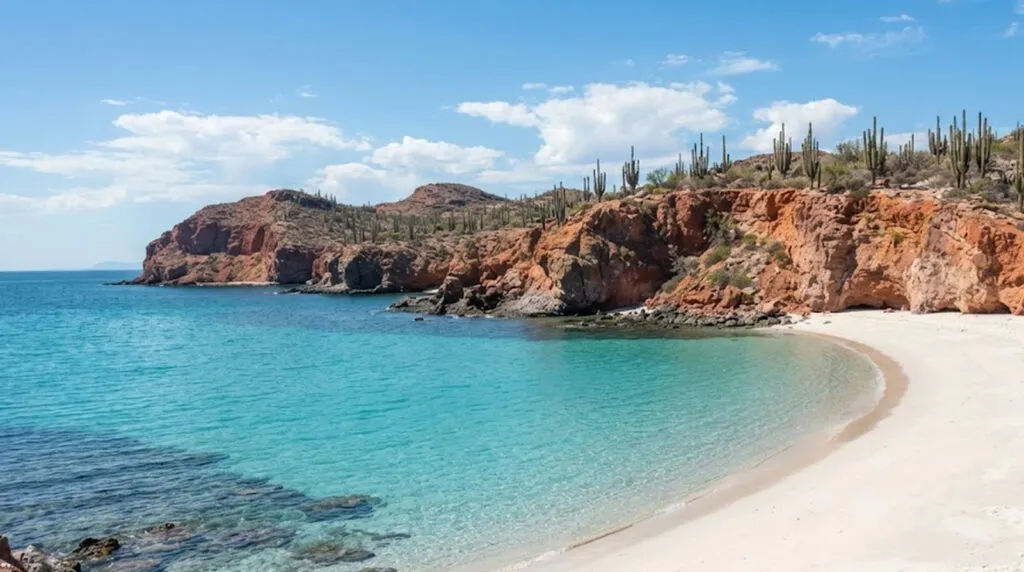
Cousteau called the Sea of Cortez the world's aquarium - 900 marine species and 33 mammal species back the name...
Half an hour of reading before you pay for the ticket solves all ten. The question is why we never...
Rothenburg ob der Tauber kept the street layout of six hundred years ago, and the wall around it runs four...
A thousand kilometres out into the Pacific, 13 large islands and species that exist nowhere else. The strict rules there...
A 12th-century castle, a museum with 17,000 objects and surfers in the river in the middle of town. Thun is...
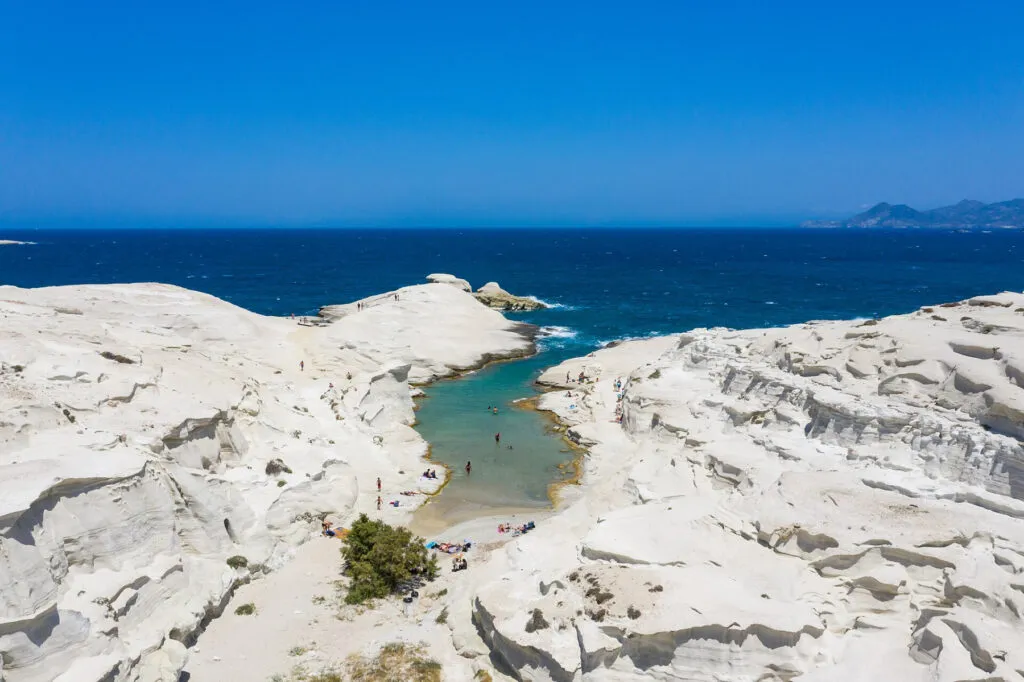
White rock polished as if it were poured, sea in a colour that looks overdone, and a statue the whole...
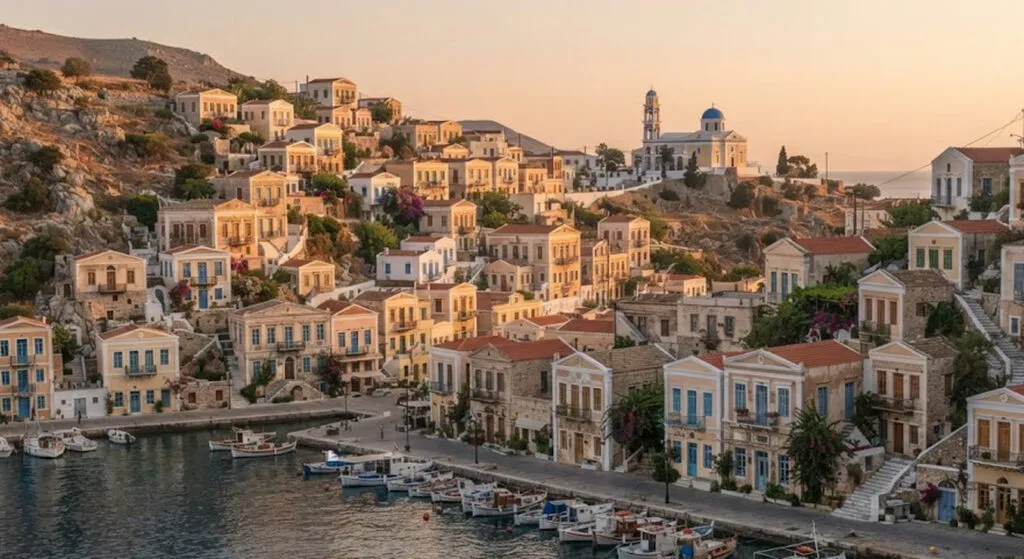
Syros has no windmills to photograph. It has neoclassical facades, a Venetian labyrinth built against pirates, and a life that...
This site uses cookies - is that okay? Learn more
Be the first to know when Metla launches something new
Leave your email and we will write when there is a new guide or something new on Metla.
