Eye Surgeries Billed Twice, Up to 4,000 Patients Hit: The Violations Were Known, the Fines Never Came
30.10.2026


30.10.2026
30.10.2026
30.10.2026
30.10.2026
30.10.2026
30.10.2026
30.10.2026
29.10.2026

29.10.2026
30.10.2026
30.10.2026

29.10.2026
30.10.2026
30.10.2026
30.10.2026
30.10.2026
29.10.2026
28.10.2026
30.10.2026

30.10.2026

30.10.2026
30.10.2026
30.10.2026

30.10.2026
30.10.2026
29.10.2026
28.10.2026

23.04.2026

23.04.2026

12.04.2026

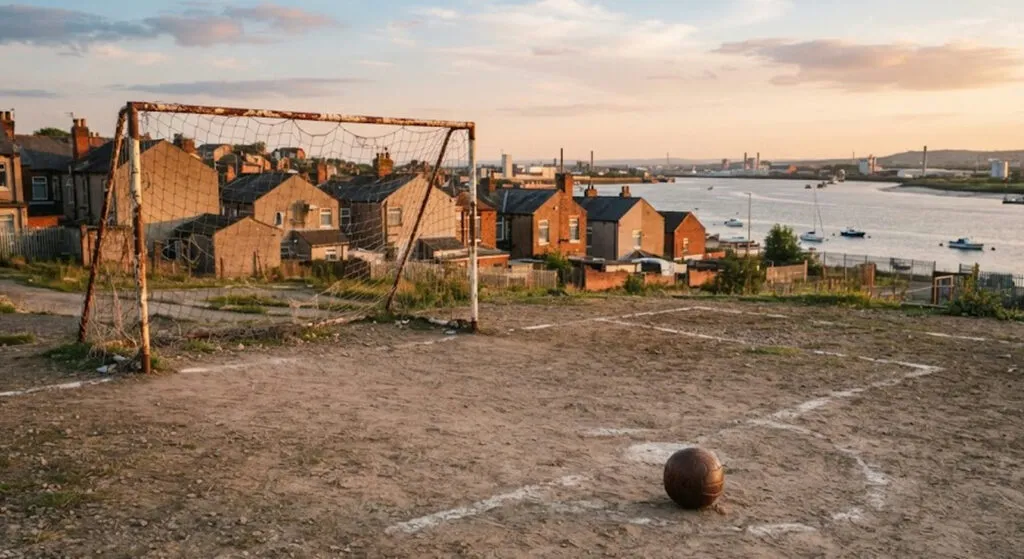
Last Friday in Oviedo, Princess Leonor presented Lionel Messi with the Princess of Asturias Award for Sports at the Campoamor Theatre. The eight-time Ballon d'Or winner came with Antonela Roccuzzo, was greeted by bagpipes outside the Hotel de la Reconquista, and met with school students. But when he talks about himself, Messi always goes back to one place. "It's the place where I was born, where I spent beautiful moments in my childhood," he wrote for the Argentine daily La Nación.
Rosario, the city on the Paraná
Rosario is Argentina's third-largest city, with just over a million people, in the province of Santa Fe. A port and a university and cultural centre on the banks of the Paraná River. The city even has an official tourist route in Messi's footsteps that you can walk on your own.
It all begins in La Bajada, the neighbourhood where the Messi family lived until Leo turned 13 and left for Barcelona. He was born on June 24, 1987, at the Italiano Garibaldi hospital. Today he lives in the US and plays for Inter Miami, but it was La Bajada that built the footballer.
The school, the club and the grandmother
The first stop is primary school No. 66 "General Las Heras". Former classmates describe him as a quiet, shy kid who only came alive at break time when a ball appeared. A few blocks away is the Abanderado Grandoli club, where he started playing at four. The story is almost cinematic: his grandmother took him to matches, and when one player didn't turn up, she talked them into letting her grandson onto the pitch. The team won, and little Leo scored one of the goals.
Next comes the Malvinas Argentinas complex, home to Newell's Old Boys' children's football school, where Messi rose through the youth ranks. The club's stadium, the Marcelo Bielsa, is known to locals as the "Colossus of the Park". Central Córdoba, another Rosario club tied to his early days, is also on the route.
The museum and the murals
Just a few metres from the house where he grew up is the Santa Fe Sports Museum, on the former grounds of Battalion 121. As kids, Leo and his friends used to sneak onto the battalion's field to play ball. Today there's a section devoted to Messi - with the Ballon d'Or and Golden Boot he donated and a replica of the 2022 World Cup trophy.
The biggest symbol is on Avenida Libertad, near the National Flag Memorial by the Paraná: the mural "From another galaxy and from my city", 69 metres high and 14 metres wide. In La Bajada is its twin, "From another galaxy and from my neighbourhood", and another mural shows Leo as a child in Grandoli's red shirt. On the Olympic promenade there's a star with his name and a monument to the world champions.
The other great story began by the Paraná too. He met Antonela Roccuzzo as a child through his friend Lucas Scaglia, her cousin. The relationship survived the move to Barcelona, and they married on June 30, 2017, in Rosario, at the City Center hall, in front of family, childhood friends and plenty of footballers.
"If they ask me where I want to be, I'll always say Rosario," Messi says. In the Balkans this needs no translation: how many people left young, built a career somewhere else, and yet when you ask them, they still tell you about the street they grew up on? Rosario isn't just a tourist destination. It's proof that you never really leave your neighbourhood - you just carry it with you.
The latest 10 news from this category
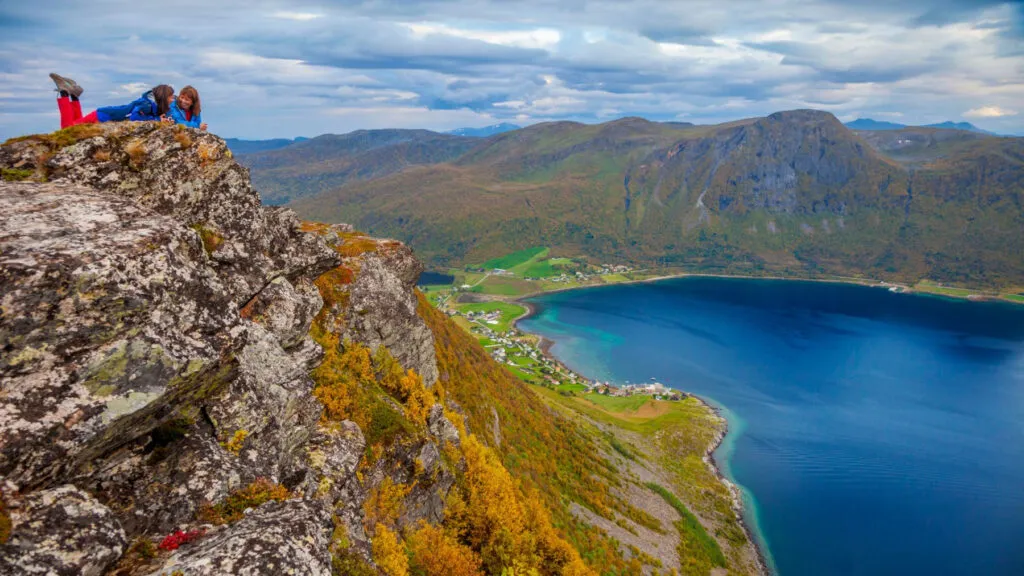
Captain Richard With launched it with two nautical charts, so the north could survive the winter. Today, in autumn, the...

A castle, then a monastery, then the summer house of the Count of Arona: the Borromeo family has held the...

He came for a forum and stayed for the coffee. A plantation, a theatre and an eight-course dinner - a...

Barcelona's coach was born here, his wife 12 kilometres away. A town where one in four residents is a student,...

Of 80 towers, just over twenty remain, the palace where the queen who sent Columbus was born is today a...
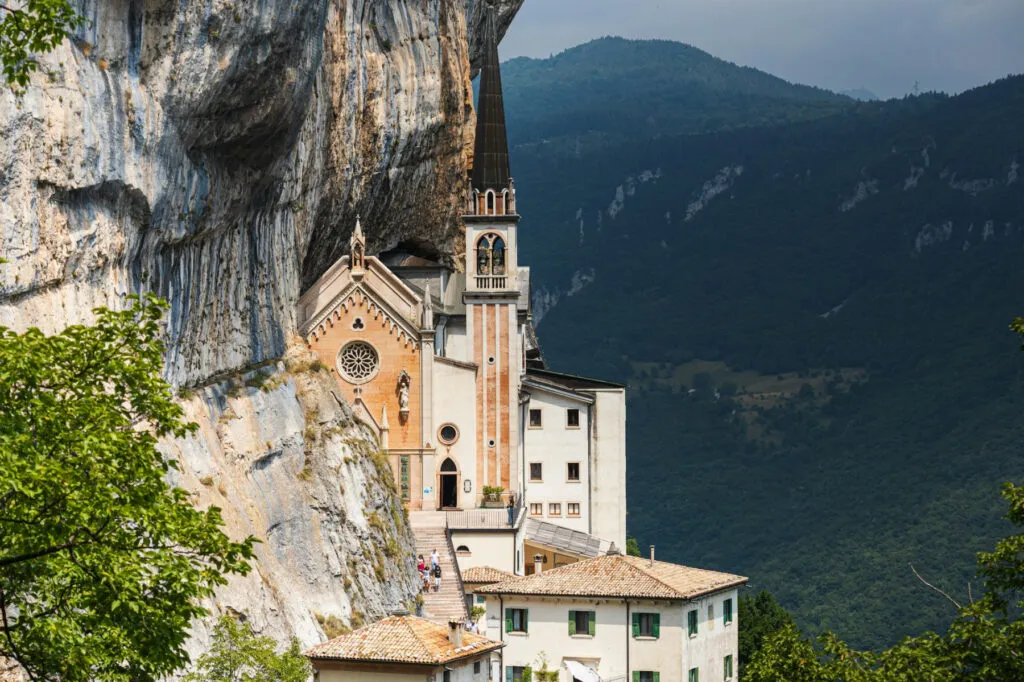
Hermits, a legend about a statue that arrived from Rhodes and bus number 499. One of the most unusual places...
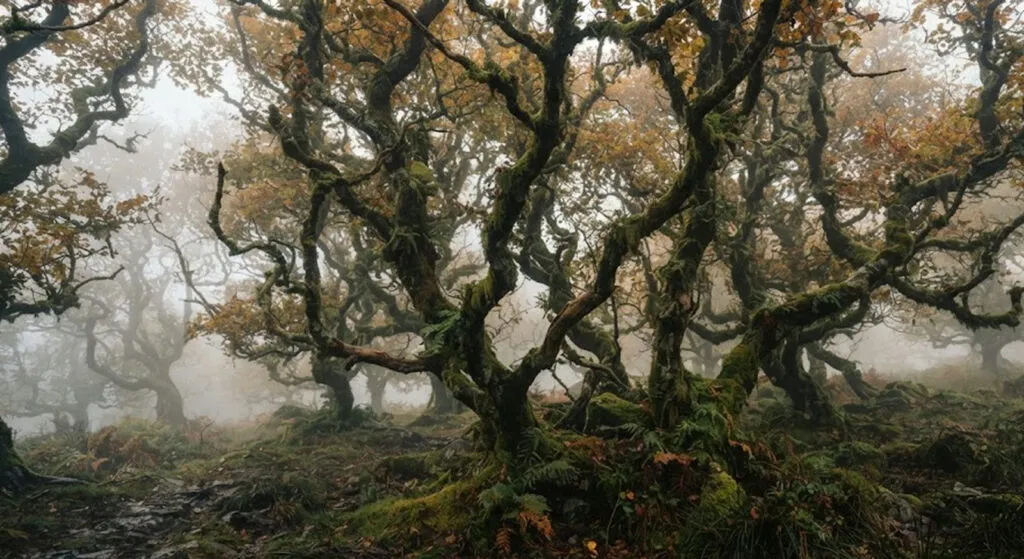
One of the wildest isn't in Scandinavia but in the Balkans: Perućica in Bosnia, with trees taller than 50 metres...
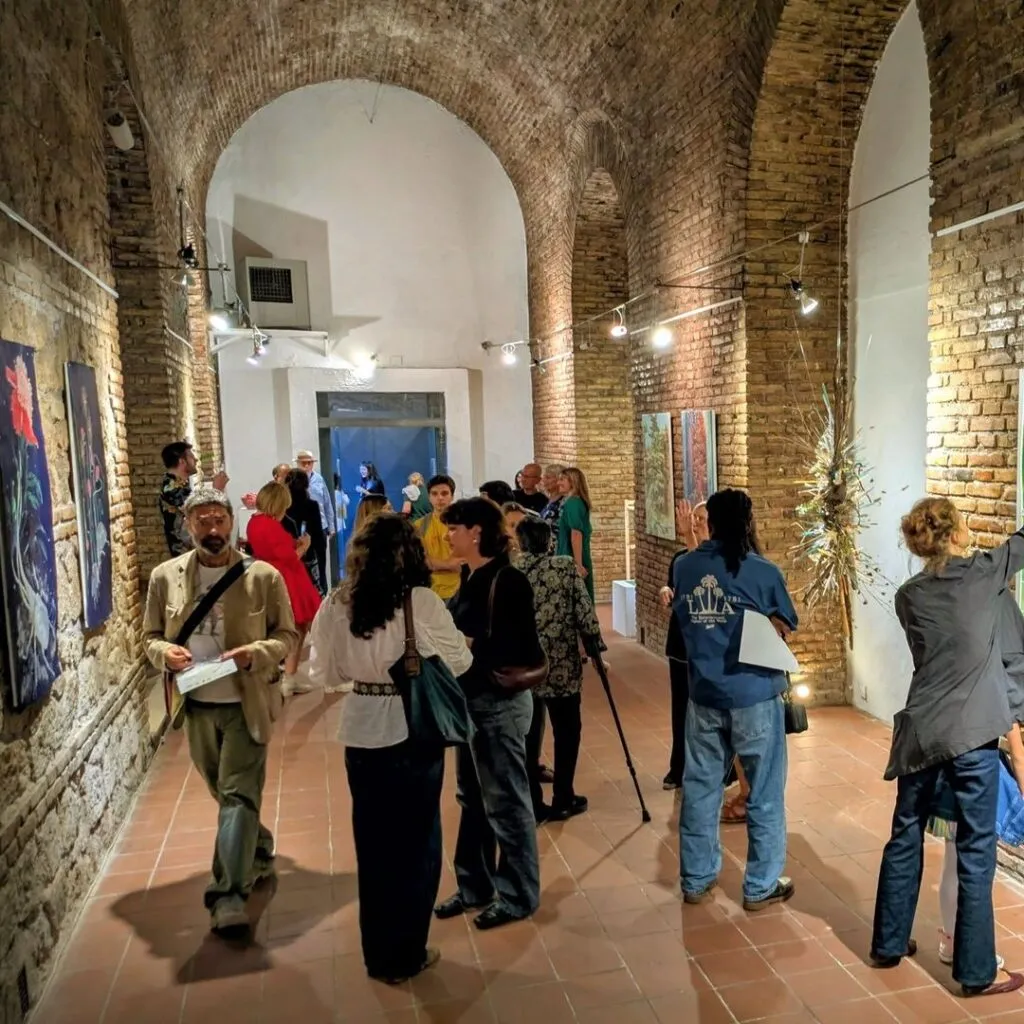
Galleries in former factories, the pope as a pop icon and Keith Haring in a palazzo. Entry is free, and...
Deposed kings, a future queen who said "yes" on the third try and Kate Moss's party that staff still won't...
An Alpine lake with no concrete on its shores, a 15th-century castle that starred in the Sissi films, and a...
This site uses cookies - is that okay? Learn more
Be the first to know when Metla launches something new
Leave your email and we will write when there is a new guide or something new on Metla.