
African Temperatures for the Weekend: 30 Degrees After a Late Frost - Macedonia Has No Plan for Summer Heat Above 40
05.05.2026


05.05.2026
05.05.2026

05.05.2026

05.05.2026

05.05.2026

05.05.2026
05.05.2026

04.05.2026

03.05.2026
05.05.2026
05.05.2026
04.05.2026

05.05.2026

05.05.2026

05.05.2026

05.05.2026

04.05.2026

03.05.2026

05.05.2026

05.05.2026

05.05.2026

05.05.2026

05.05.2026

04.05.2026

09.03.2026

27.02.2026

19.02.2026

14.04.2026

07.11.2025
07.11.2025

23.04.2026

23.04.2026

12.04.2026

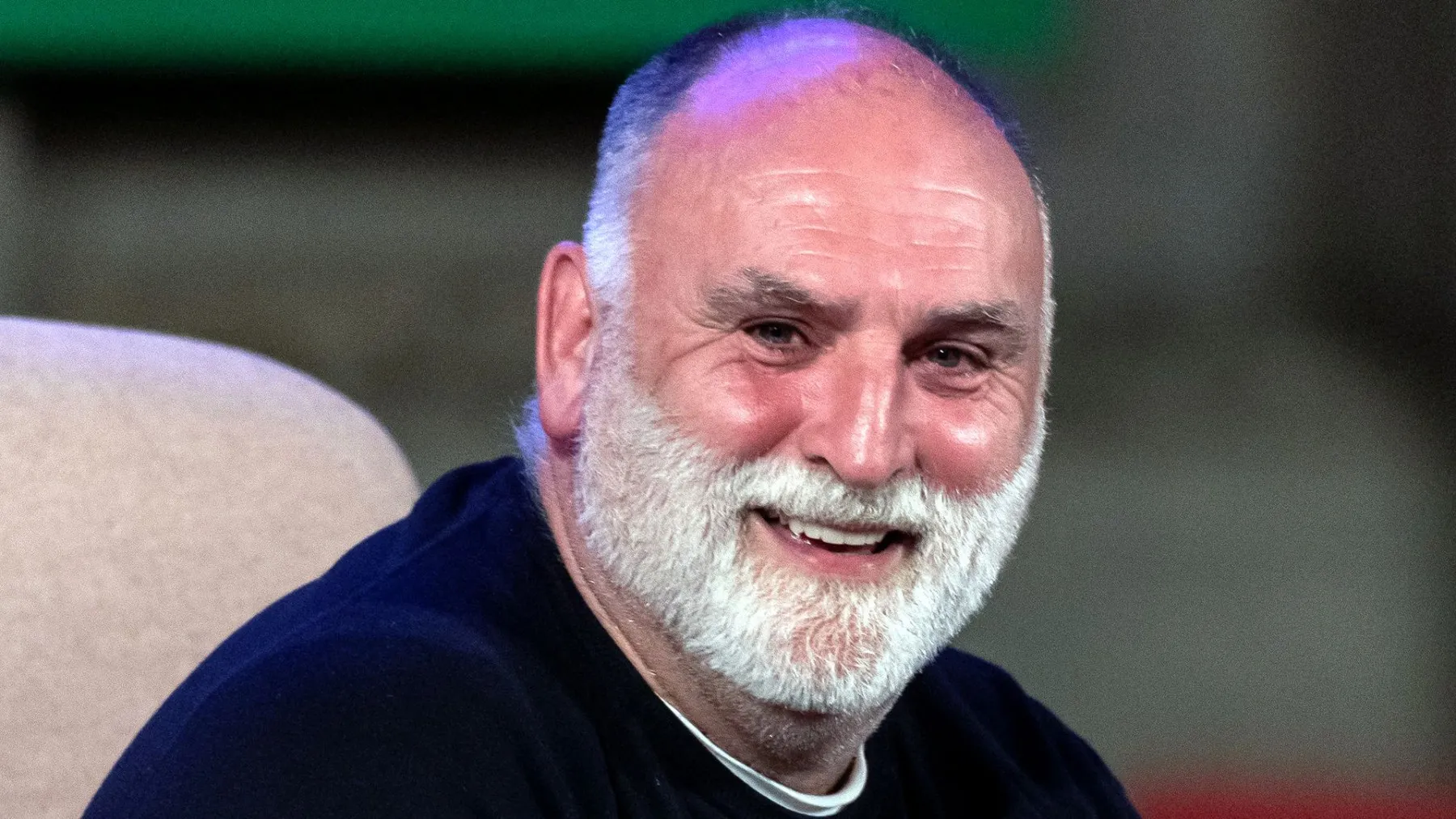
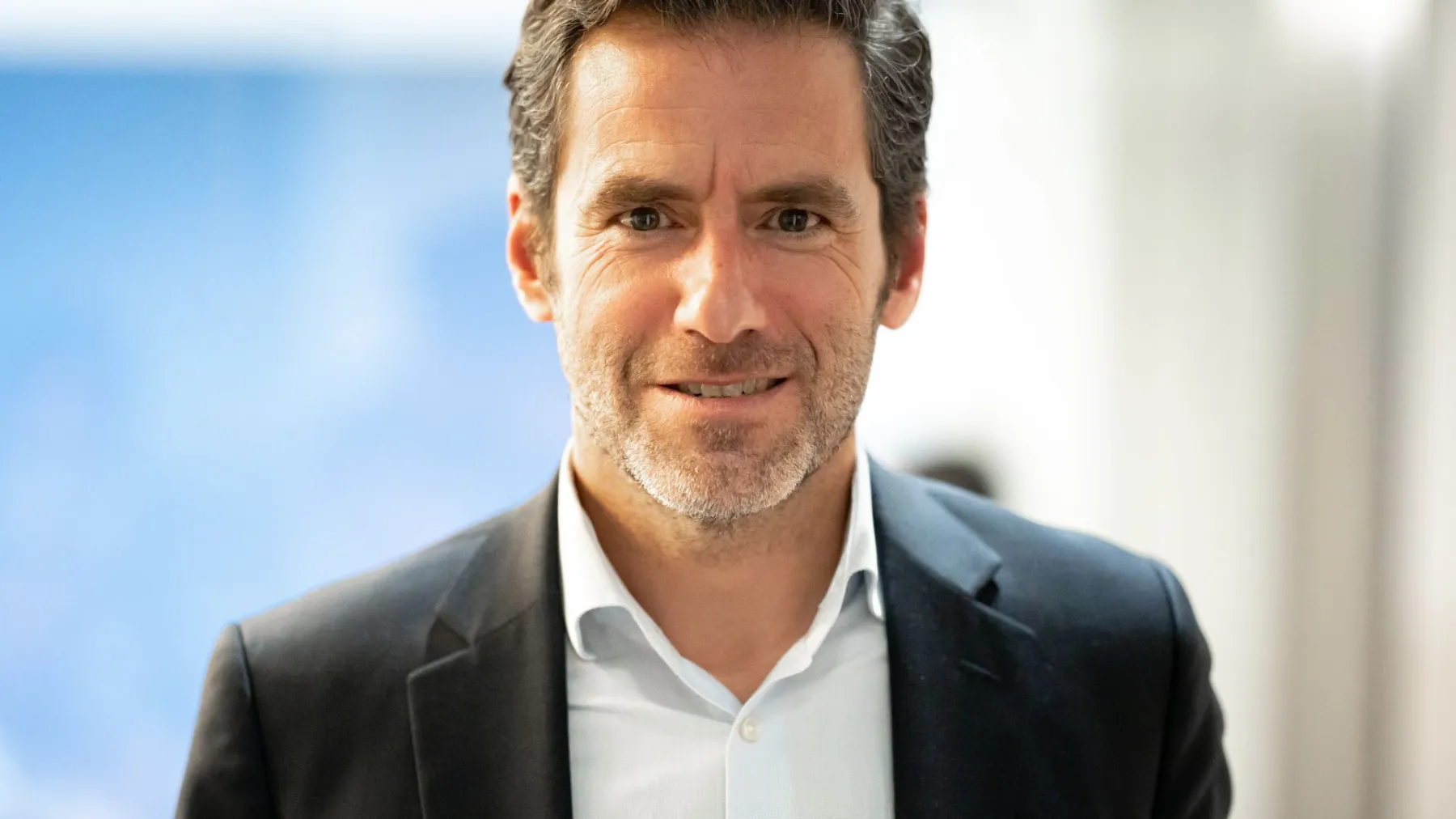
Spanish politician Borja Sémper is one of the rare patients who had the rarest stroke of luck in the world of pancreatic cancer - an early diagnosis, in the first stage, a localised form. When in an interview with Pablo Motos he shared that he had beaten the disease, many wondered - how? The answer isn't a statistic - it's a condition that oncologists describe as „medically exceptional."
The figures aren't gentle. Spain estimates 10,405 new cases of pancreatic cancer in 2026, ranking it as the third leading cause of cancer death - and in the coming years it may become the second. At the moment of diagnosis, around half of all patients already have metastases. Only 15-20 percent have the option for curative surgery. Five-year survival is between 8 and 10 percent.
Why is it so deadly? According to Dr José Ignacio Martín Valdés, head of digestive tumours at MD Anderson Cancer Center Madrid, the reasons are in the biology of the disease itself. „Pancreatic cancer doesn't have a single reason for its bad prognosis - it's the result of a series of characteristics," he says. More than 90 percent of cases have a KRAS mutation that accelerates growth. The desmoplastic stroma around the tumour acts as a physical barrier that stops chemotherapy drugs from reaching the cells.
Even more important - there is no screening programme for the general population, the way there is for breast or colon cancer. Dr María José Safont of the Spanish Society of Medical Oncology explains that „the disease is detected in advanced stages, which complicates treatment and conditions the prognosis." Without early detection, only symptomatic medicine remains.
The symptoms are sneaky and non-specific: jaundice of the skin and eyes, dark urine and pale stool, abdominal pain that spreads toward the back „like a belt," unplanned weight loss, loss of appetite, digestive trouble, persistent diarrhoea. Sometimes the diagnosis comes after acute pancreatitis, thrombotic episodes or unexpected diabetes. The main risk factors - smoking, obesity, alcohol and age over 60, although cases in younger people are rising.
What can the Balkans learn from this? First - don't ignore symptoms that don't pass after a few weeks. Jaundice isn't an allergy. Back pain that doesn't pass isn't „nothing." Second - regular medical scans for people with risk factors can be the difference between 90 percent and 8 percent. The third - and hardest - truth is that in countries without screening programmes, the only screening we can do ourselves is awareness of our own body. And the question doctors don't have a ready answer for - „why isn't my body normal." That question, sometimes, saves a life.
The latest 10 news from this category
Four ingredients, one inspiration from Nobu Matsuhisa, a ritual for spring 2026. Green asparagus at the market, white miso paste...
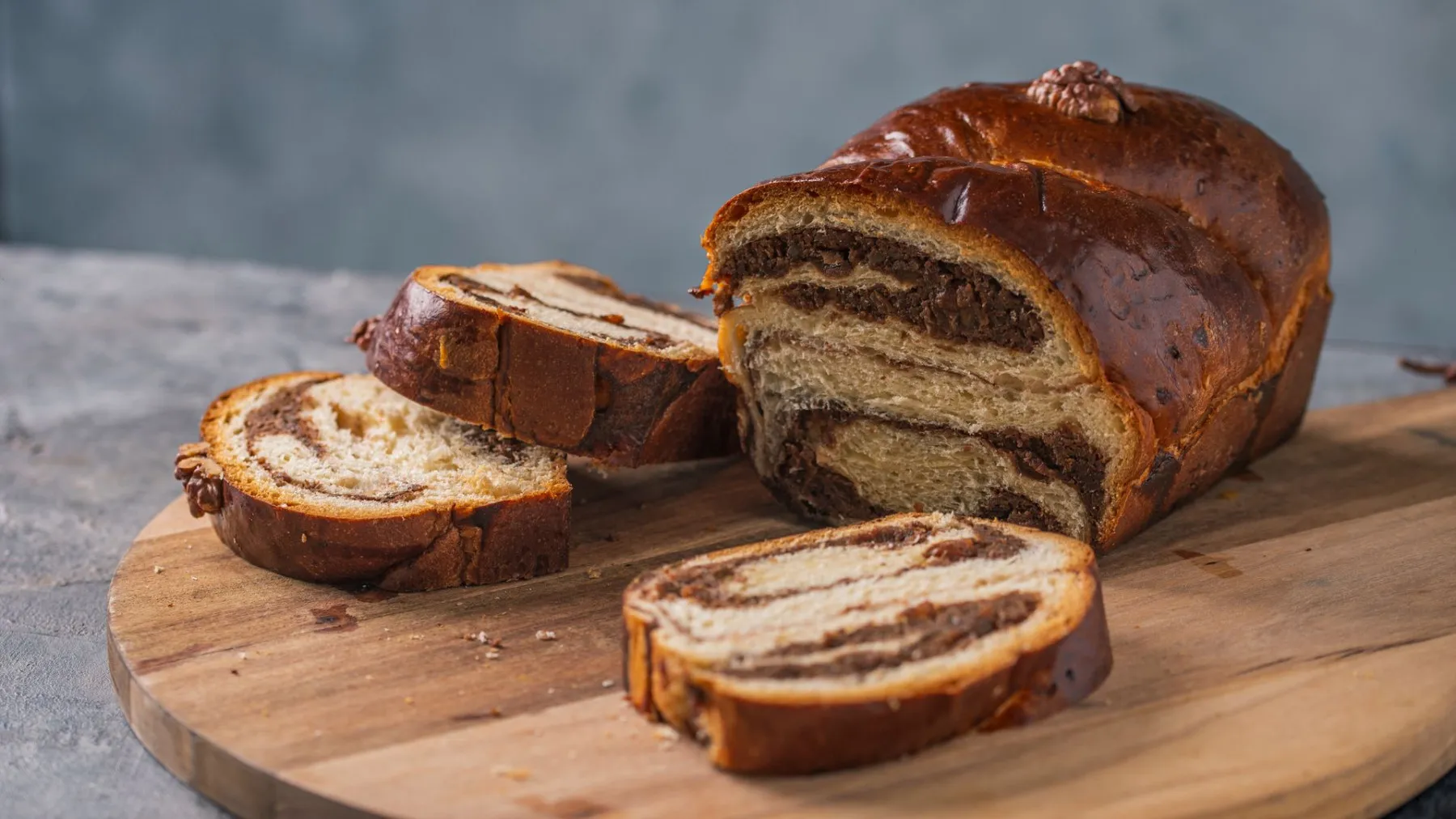
It existed before panettone - denser, more filled, more aromatic. With walnut and cocoa it's the classic - and the...

70 percent of the reasons for bad sleep are anxiety and a fast life. The psychologist says: if coffee is...
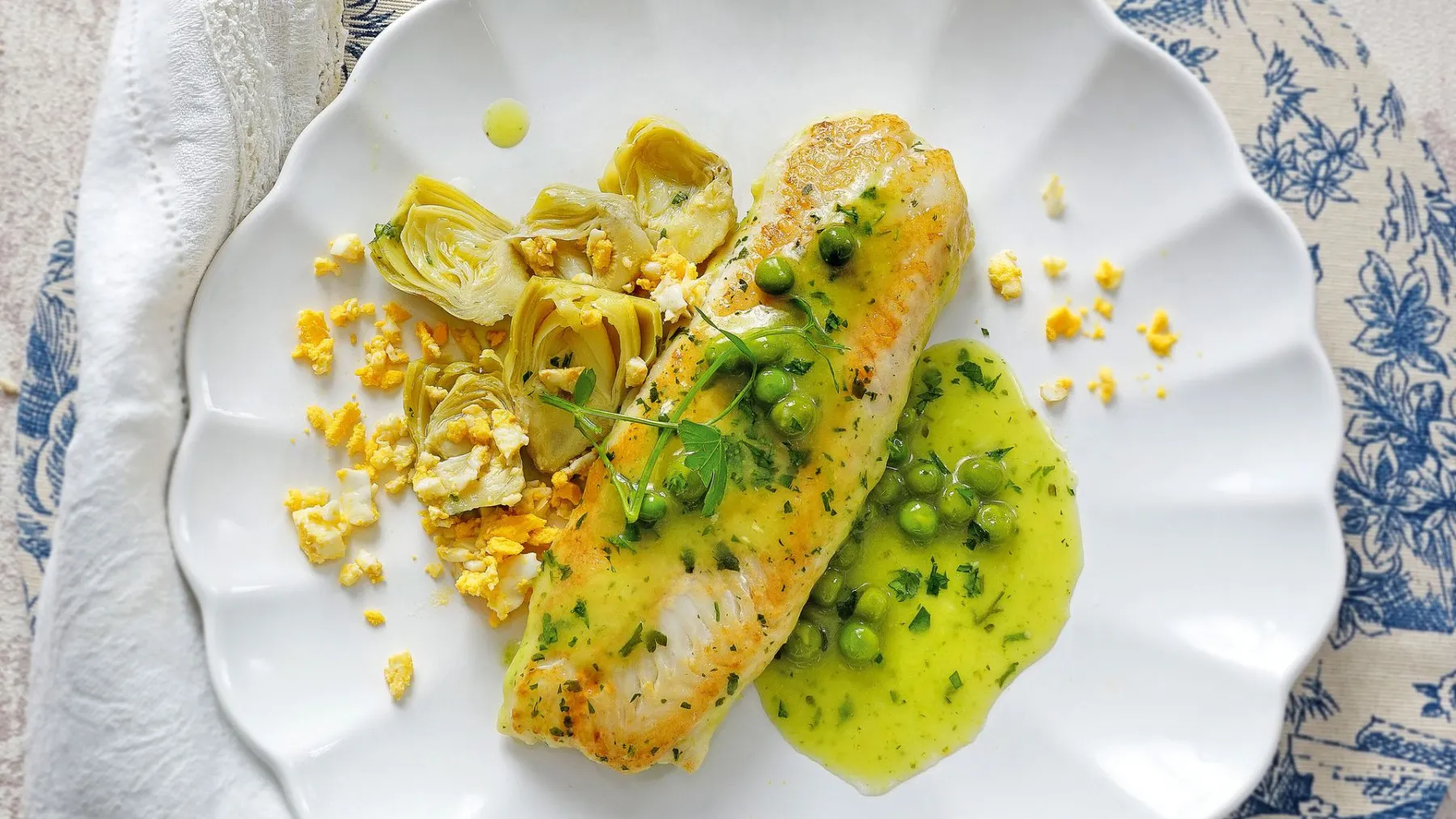
Spanish kitchens are shifting rhythm - heavy dishes step back, fish and vegetables take their place. And one rule: a...
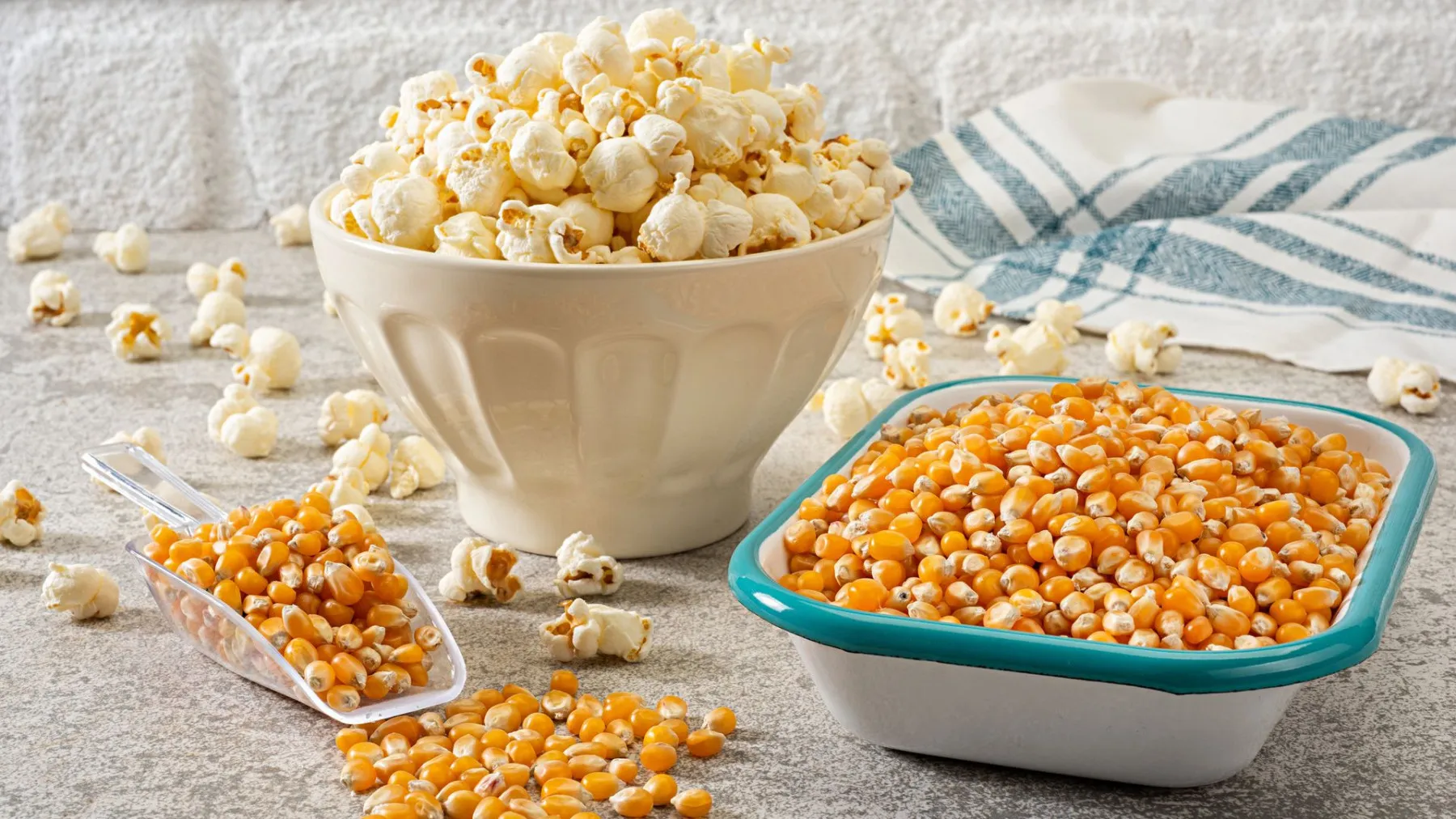
Spanish nutritionists are bringing popcorn back to the table, but with a clear condition: home-popped, air-popped, no butter - not...
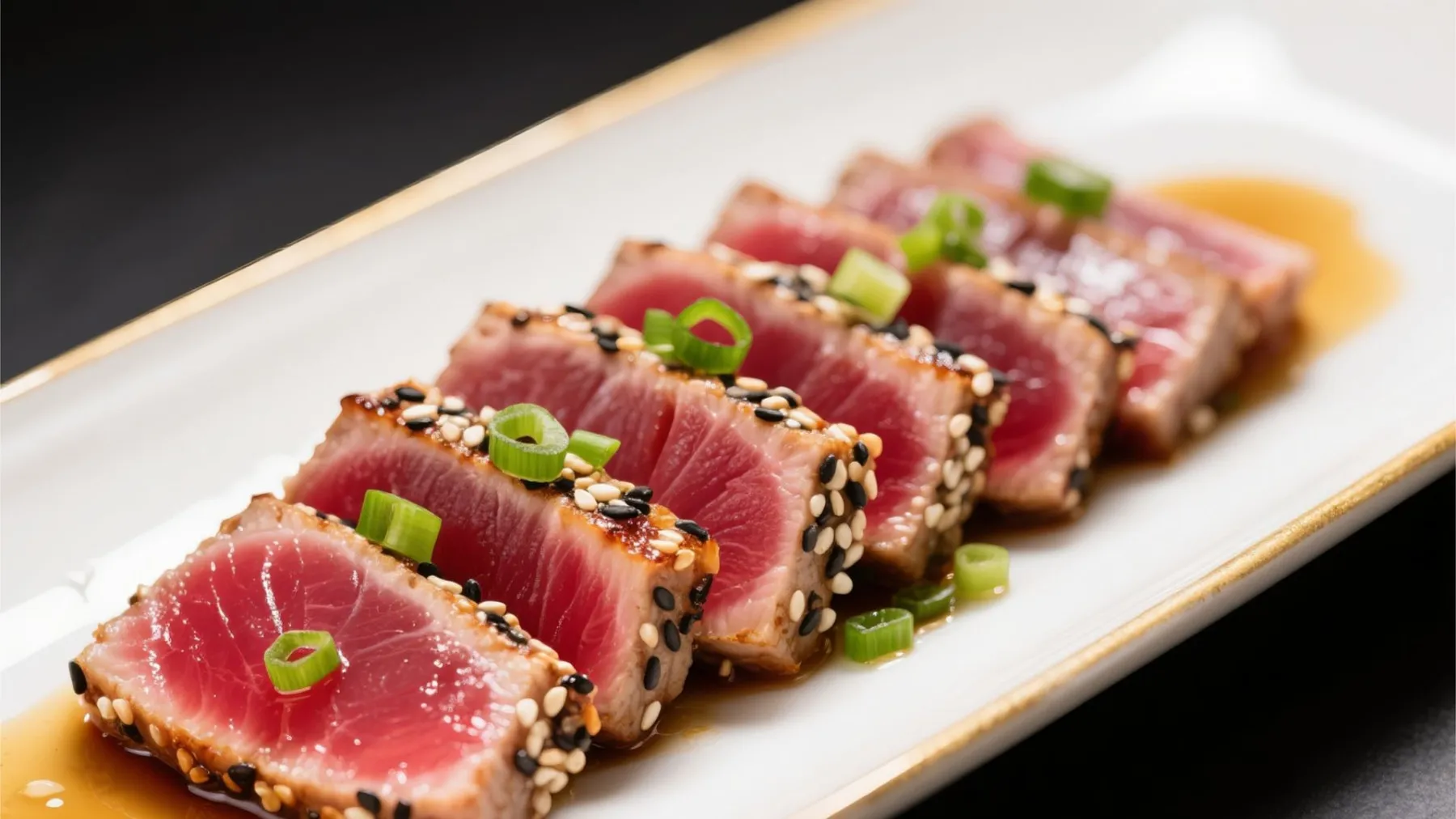
Sharp knife, hot pan, and the contrast between raw and seared. Tataki isn't a menu, tataki is discipline.

A space as big as a mat, a time as long as 20 minutes, and a body that thought it...
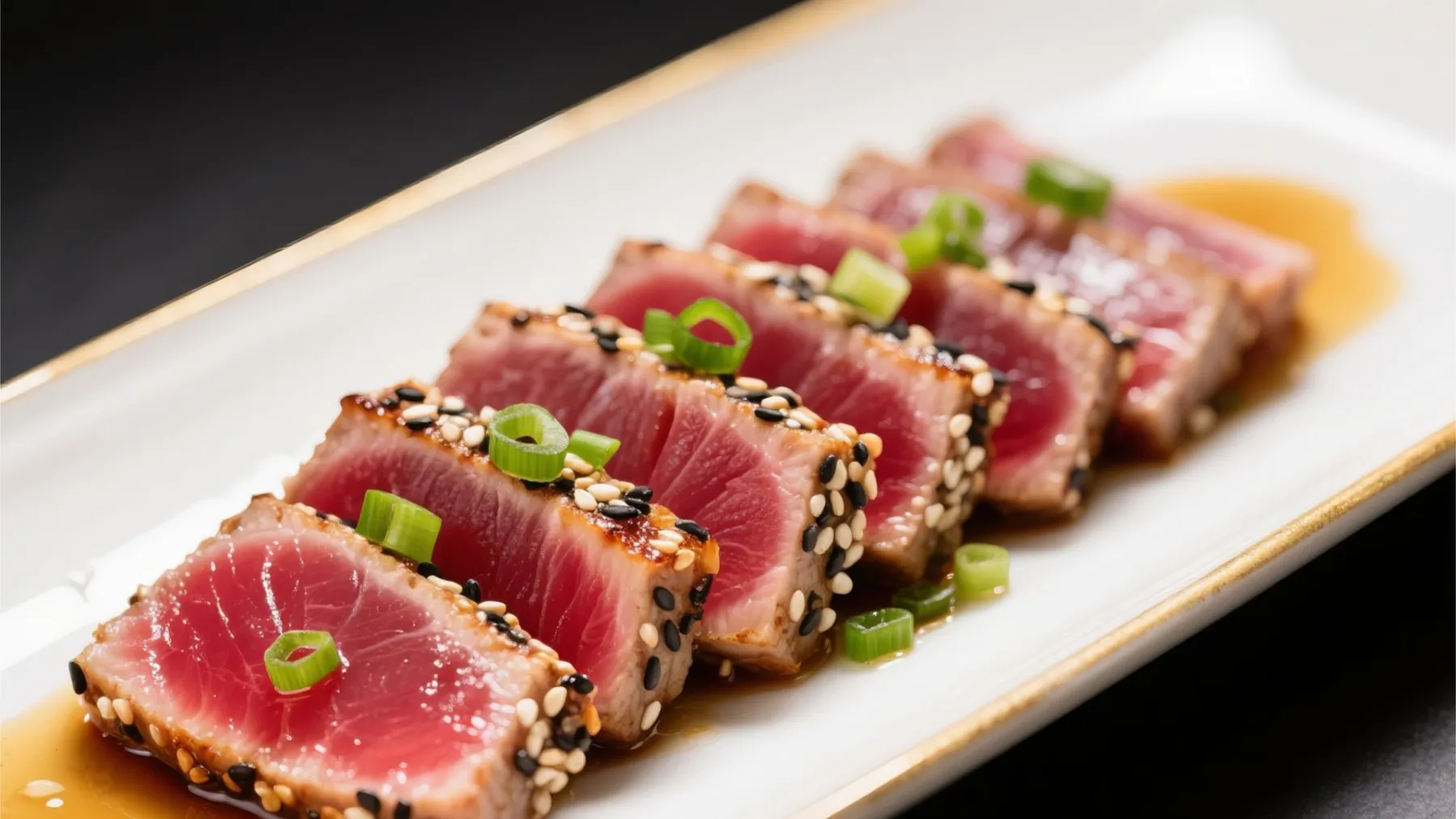
Ten seconds a side, a sharp knife and fresh tuna from the market. The whole technique is in the discipline,...

Neuroscientists say the brain has forgotten boredom, and Instagram serves us other people's plans as personal punishment. This isn't a...
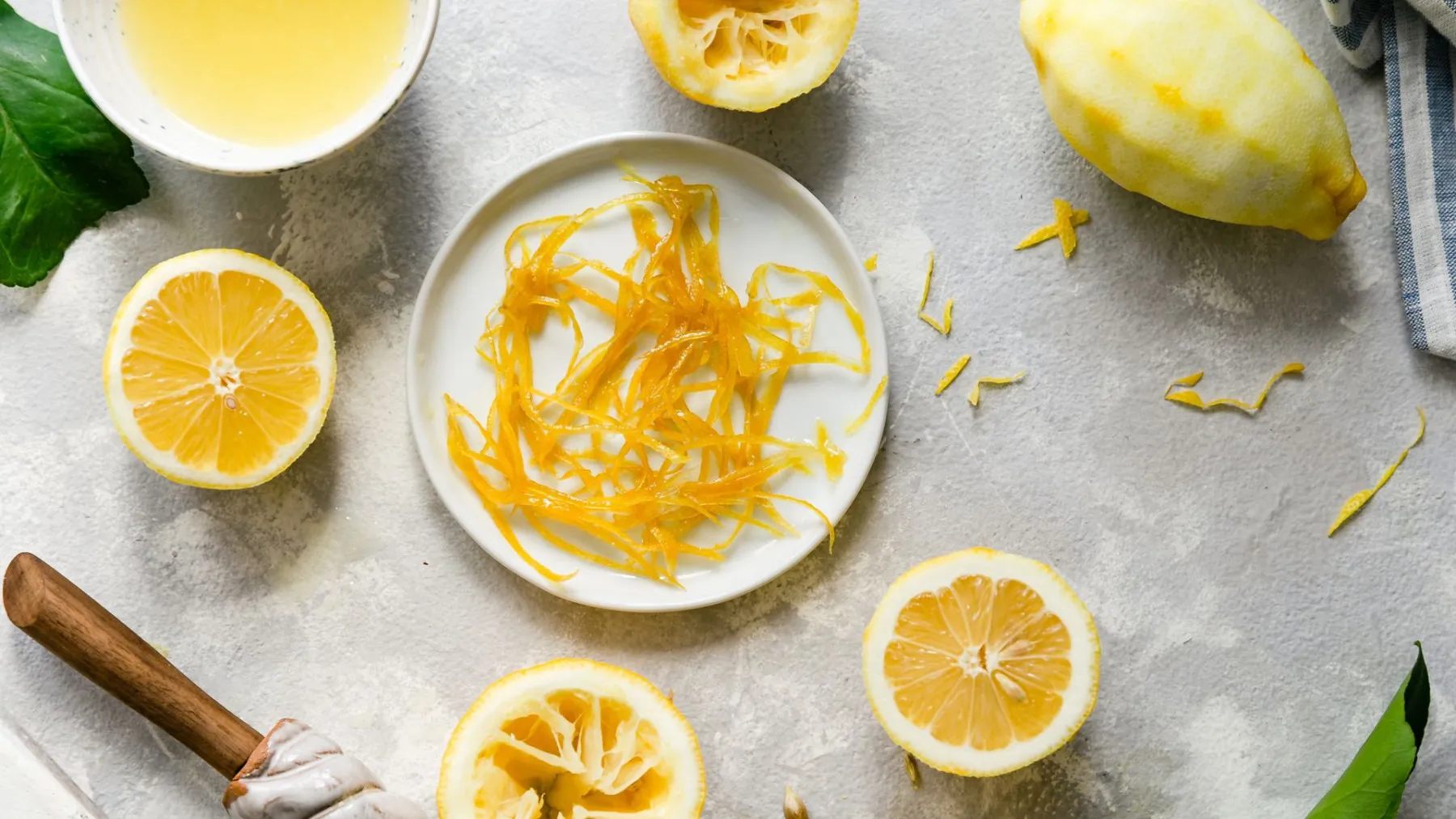
The juice goes into the tea, the rest into the bin. Mistake. The peel, the leaves, even the syrup -...