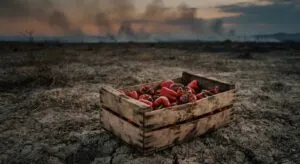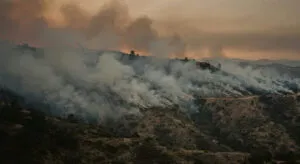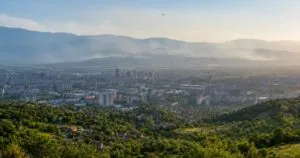
Skopje Breathed Smoke From Two Mountains: 21 Fires in One Day, and Vodno Was Clean
25.08.2026


25.08.2026
24.08.2026

23.08.2026

25.08.2026

25.08.2026

24.08.2026

25.08.2026

25.08.2026

25.08.2026

25.08.2026

24.08.2026

23.08.2026

25.08.2026

25.08.2026

25.08.2026

25.08.2026

25.08.2026

25.08.2026

09.03.2026

27.02.2026

19.02.2026

23.04.2026

23.04.2026

12.04.2026
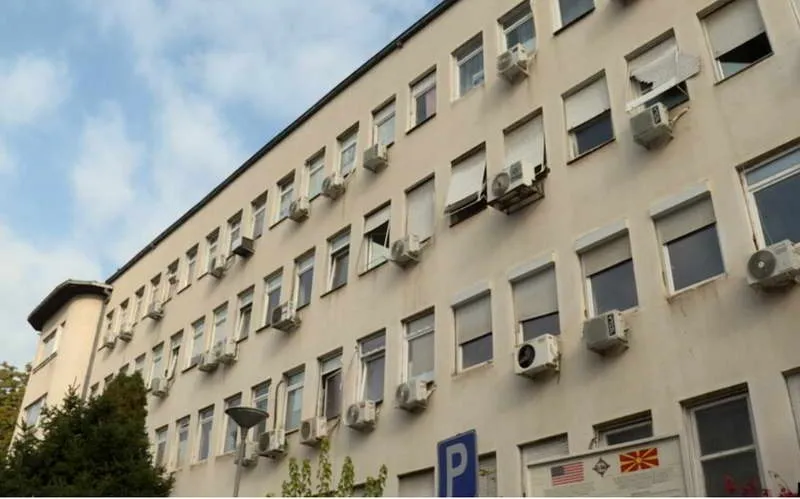
Macedonia has a new way of deciding one of the most personal questions there is - what happens to the body after death. Parliament has passed amendments to the Law on the Removal and Transplantation of Parts of the Human Body, under which every adult citizen, through a declaration at their GP, will decide for themselves whether they want to be an organ donor.
The law was passed with 58 votes "for" and 6 "against". The declaration will be logged in the national electronic health system "My Appointment", and the citizen will be able to change the decision at any time. With this, the system shifts to a model of informed consent and personal choice - instead of assumptions about what the deceased would have wanted.
The amendments also widen the circle of living donors: alongside existing relatives, relatives up to the fourth degree - that is, first cousins too - are now included, with a safeguard retained through an ethics committee that checks whether the act is voluntary and free of coercion.
The idea is good, but the real test is yet to come. Organ donation in Macedonia has lagged for years, not for lack of laws, but because of mistrust, lack of information and a weak transplant system. A declaration at your GP means nothing if the patient waiting for a kidney has nowhere to get one in time. The law is a step; the question is whether a system that actually saves lives will stand behind it.
The latest 10 news from this category
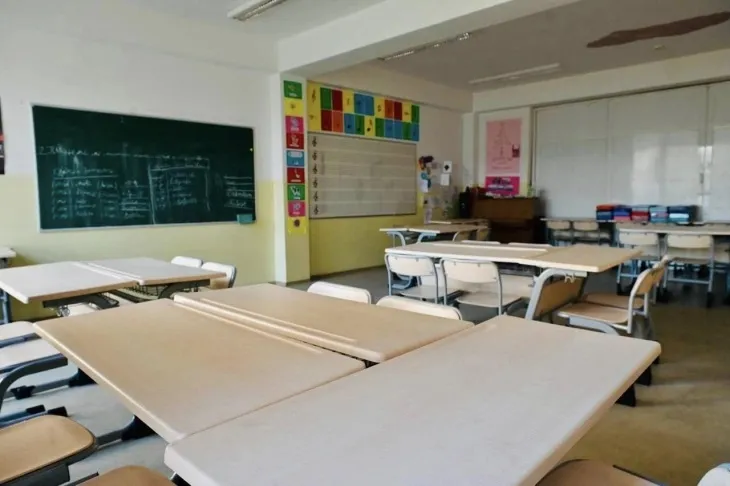
A decade ago the town had over 10,000 pupils. This year it has 5,569. The first-grade desk is the most...
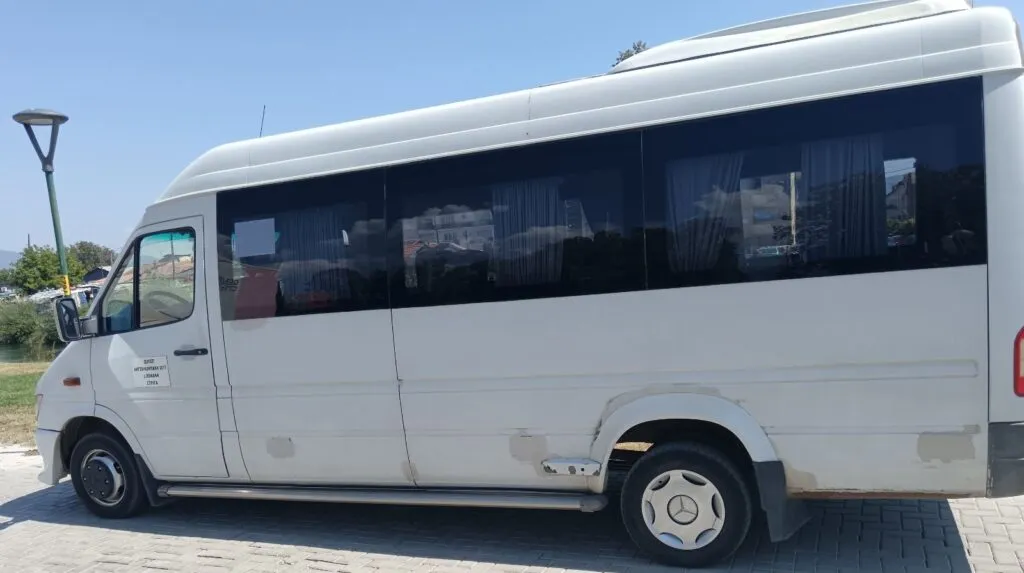
The operators stopped after years of funding the service out of their own pockets. The mayor says the debt was...
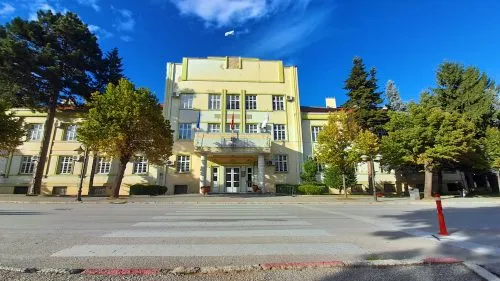
The administration calls it dispersing power, the opposition calls it party hiring worth 200,000 euros. The real problem is the...
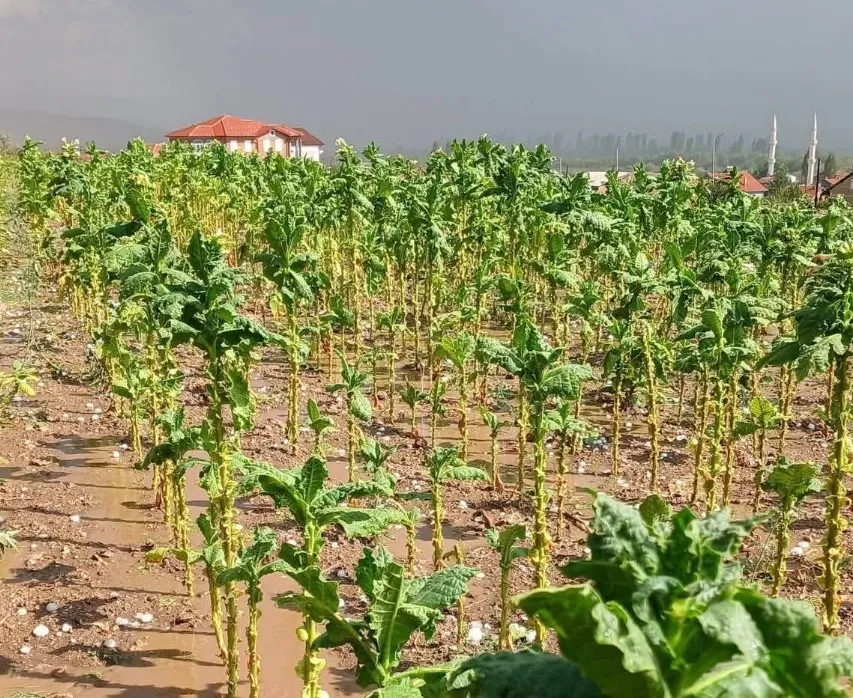
A full year of work - seedlings, planting, picking leaf by leaf - taken by a storm at the most...
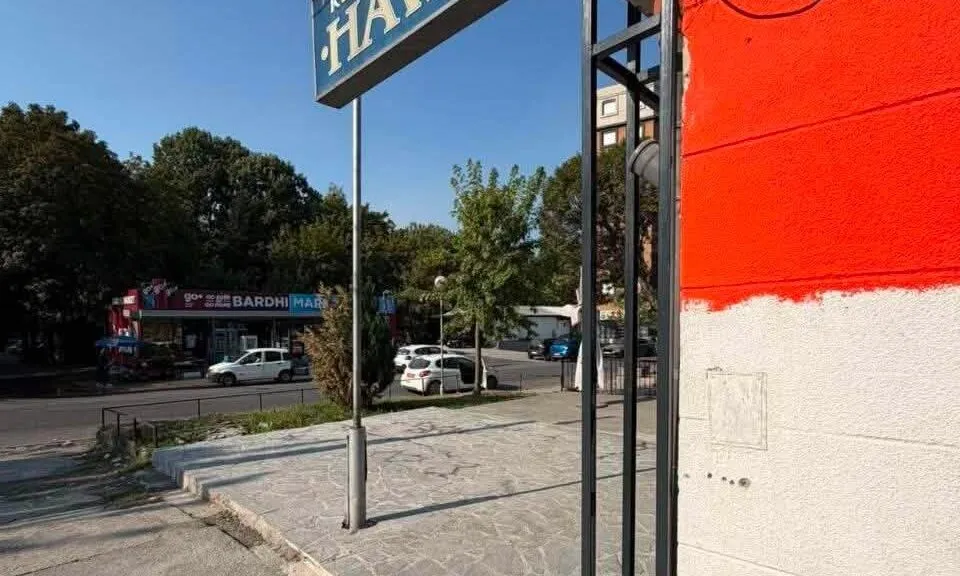
Butel municipality announced demolition and criminal charges on Saturday. By Monday there was nothing left to demolish. Illegal builds go...
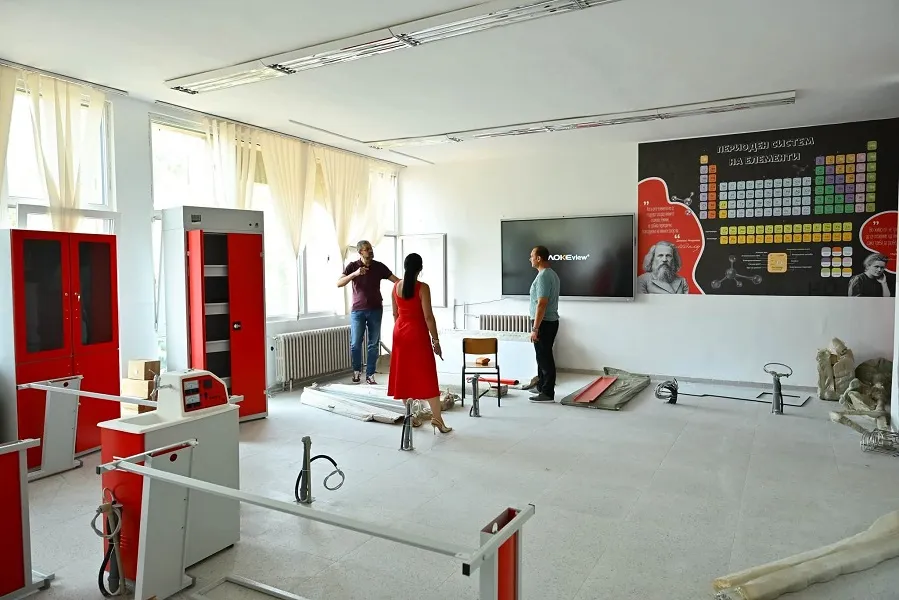
Physics comes off the blackboard and agriculture enters the classroom through microcontrollers and an agro-station. The hard part is not...
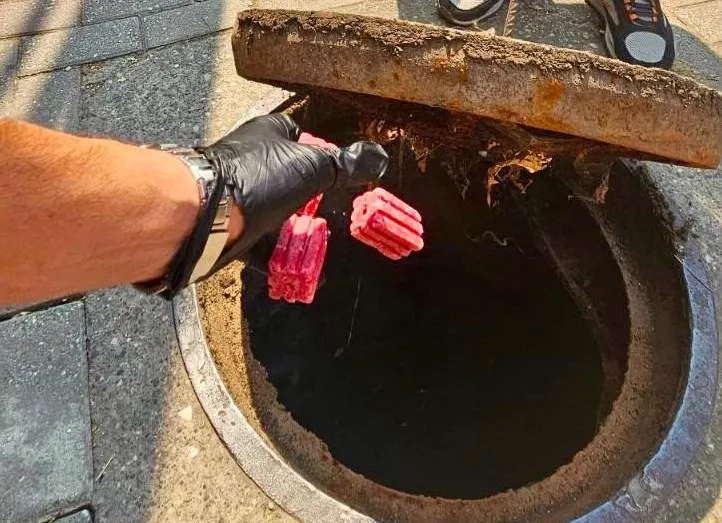
Kapishtec, Debar Maalo, Bunjakovec, Kale - and almost every address is defined by the same two words: by the bins.
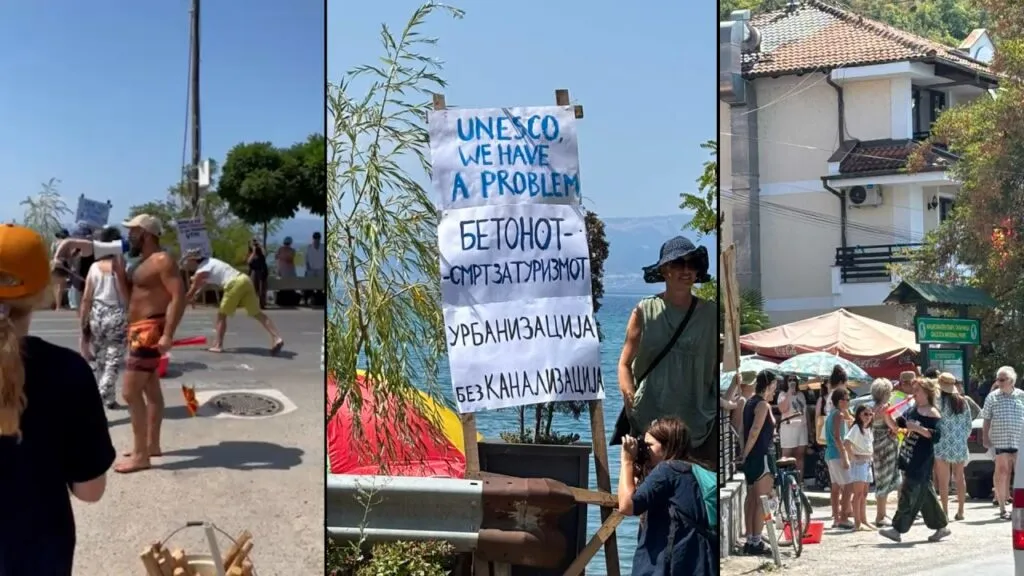
When institutions stay quiet long enough, citizens start enforcing the law themselves. In Lagadin that looked like a blockade on...

Good news that deserves to be said without reservation. The question is whether the numbers will also come out in...
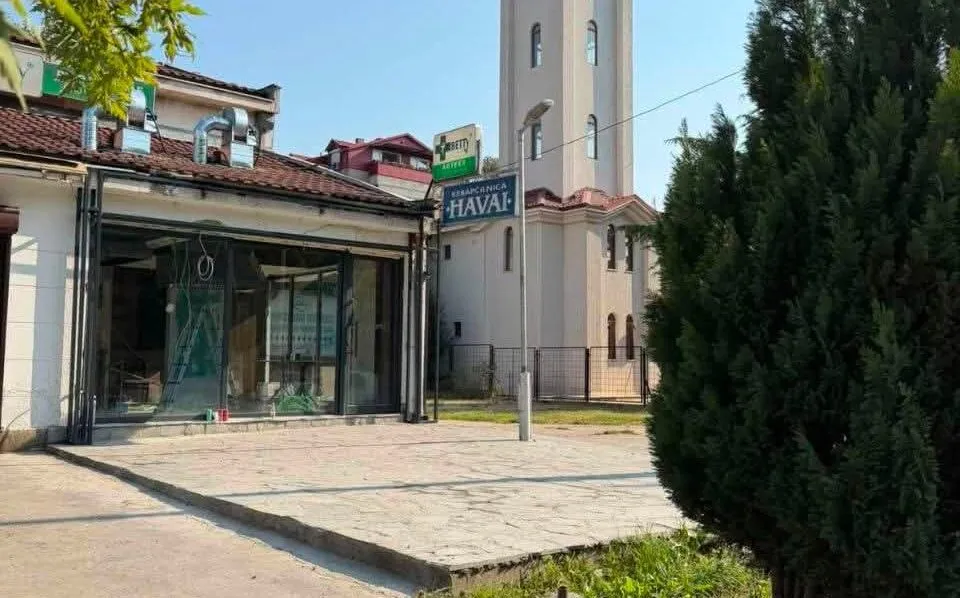
Kostovski announced an excavator for Monday. By Monday there was nothing left to demolish. How many other land grabs are...
This site uses cookies - is that okay? Learn more
Be the first to know when Metla launches something new
Leave your email and we will write when there is a new guide or something new on Metla.