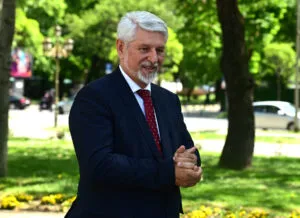
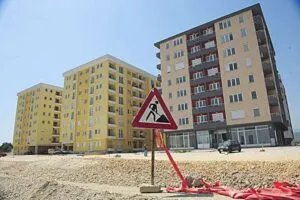
Нова кривична пријава за Јакимовски: одобрение за градба на план укинат уште во 2018 година
16.09.2026


16.09.2026

16.09.2026

16.09.2026

16.09.2026
16.09.2026

16.09.2026

16.09.2026

15.09.2026

14.09.2026

16.09.2026

16.09.2026

15.09.2026

16.09.2026

15.09.2026

14.09.2026

16.09.2026

16.09.2026

16.09.2026

09.03.2026

27.02.2026

19.02.2026

15.09.2026

14.09.2026

14.09.2026

23.04.2026

23.04.2026

12.04.2026

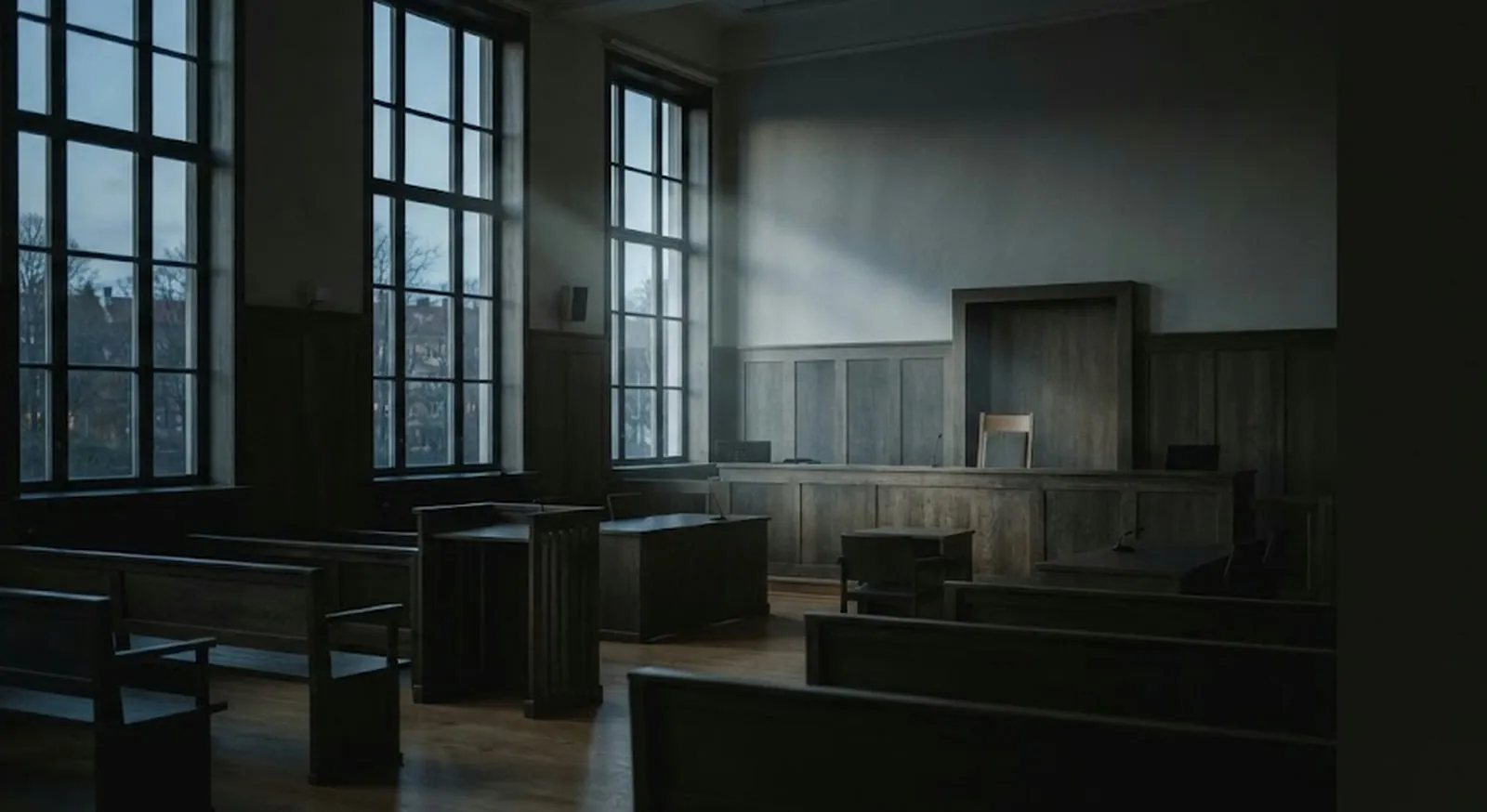
The story that shook the Norwegian royal house takes an unexpected turn. Marius Borg, the 29-year-old son of Crown Princess Mette-Marit - born before her marriage to Prince Haakon - was sentenced on June 15, 2026 to four years in prison. The court found him guilty of two rapes and acquitted him on two more charges, out of over 30 counts in total in the indictment. And here begins the part few expected.
The prosecution decided not to appeal the two acquittals, even though it had previously been considering it. "We have concluded that we will not file an appeal before the Court of Appeal," the prosecuting authority announced. On paper it looks like a formality. In practice, it opens a door through which the convicted man could walk free.
The reason lies in Norwegian procedural law. Under the law, a convicted person can be held in custody for at most four weeks after sentencing - unless the court extends the detention. Borg's current detention expires on July 13, 2026. If the prosecution doesn't request an extension and the court issues no new order, he simply walks out. The sentence also provides for electronic monitoring at home as a long-term alternative to the prison term.
His lawyers make no secret of where this is heading. Ellen Holager Andenæs has repeatedly requested his release, and her colleague Renee Ibsen confirmed that "Marius naturally hopes for freedom before July 13." In other words, a man convicted of two rapes could serve his sentence at home, with an ankle bracelet.
And here's the question everyone on the Balkans knows well: does the law apply equally to everyone, or does it depend on whose surname stands behind the accused? Norway has boasted for decades of a system where status buys no discount before justice. This case, with the son of a future queen in the lead role, will be exactly the test of whether that story holds up when the pressure comes from the very top.
The latest 10 news from this category

Санкции воведени поради една војна се нудат како монета за сосема друг спор. Мнозинството членки се против - но за...

Ел Нињо во Пацификот ги поместува струењата што одлучуваат каде ќе падне снегот. Подрачје кое обично добива еден метар годишно,...

Најлесниот начин да се отфрли неудобен аргумент е да се покаже кој го кажува. Но од тоа сметката за струја...

Апелациониот суд одлучи целото судење да се повтори од почеток. Синот на норвешката кралица го чека тоа во имањето каде...

Trump scaled back the military exercises to ease the tension, and Wonsan answered in the form of projectiles. What does...

The sanctions list got a seven-day extension instead of one measured in months, a move diplomats themselves call unprecedented. Two...
Switzerland offered a table for talks on Ukraine, Moscow replied that the table stopped being neutral once Bern adopted EU...
The will says one thing, a committee of twenty-one men decided another. The queen mother says the army pulled the...
A country that was Europe's byword for stability for decades now has a parliament split into two blocs by a...

Sixteen years in power, defeat at a regular election, five months of quiet - and now the election result is...
This site uses cookies - is that okay? Learn more
Be the first to know when Metla launches something new
Leave your email and we will write when there is a new guide or something new on Metla.