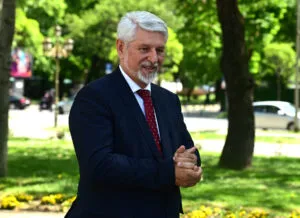
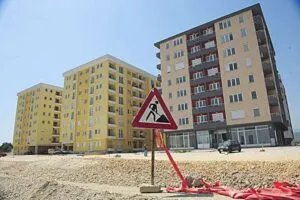
A New Criminal Complaint Against Jakimovski: A Building Permit Based on a Plan Struck Down Back in 2018
16.09.2026


16.09.2026
16.09.2026
16.09.2026
16.09.2026
16.09.2026
16.09.2026
16.09.2026
15.09.2026

14.09.2026
16.09.2026
16.09.2026

15.09.2026

16.09.2026
15.09.2026
14.09.2026

16.09.2026
16.09.2026
16.09.2026

09.03.2026

27.02.2026

19.02.2026

15.09.2026
14.09.2026
14.09.2026

23.04.2026

23.04.2026

12.04.2026

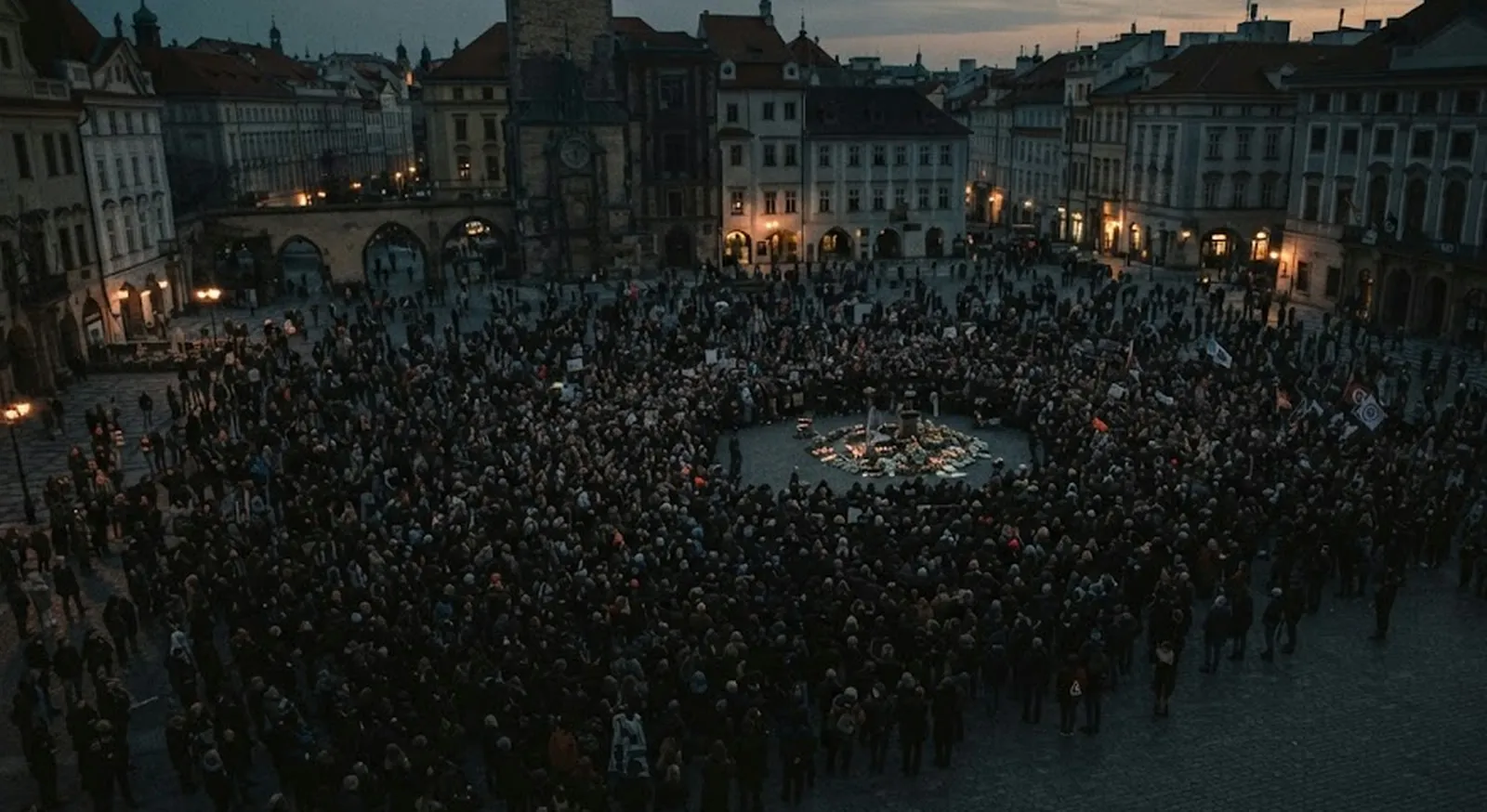
Iran's most powerful man had been off the public stage for months. Now Tehran is putting him on display - in a coffin, draped in the flag, together with part of his family.
From July 4 to 9, Iran is holding a multi-day funeral procession for supreme leader Ali Khamenei and several members of his family, who according to the official version died in late February, in the first phase of the war between Iran, the US and Israel. The coffins are on display in the great „Imam Khomeini” mosque in Tehran, draped in Iranian flags, and the authorities expect millions of people to fill the streets. Among the dead, besides Khamenei himself, are his son-in-law, eldest daughter, daughter-in-law and a fourteen-month-old grandchild - a detail the regime uses to reinforce the image of a family struck by the enemy.
But behind the grandiose staging hides a question Tehran doesn't want to say out loud: who really rules now? Officially, the new supreme leader is Mojtaba Khamenei, the late leader's son. The problem is that he has stayed hidden from the public ever since the attack and has so far not appeared even at the private ceremony for his wife. His possible appearance at the funeral would give him legitimacy; his absence, on the other hand, fuels speculation about his health and about whether he's really holding the strings at all.
The funeral is also a diplomatic performance. Representatives from around 100 countries are expected - among them the Pakistani prime minister, Chinese and Indian delegations, even representatives of the Taliban government. Negotiations between the US and Iran are paused for the duration of the mourning and will resume afterward. In other words, while millions grieve, diplomacy waits in the corridor with a watch in hand.
For the Balkans, this isn't just a distant Middle Eastern drama. When a regime turns the death of its leader into a mass show of power and unity, that's an old and familiar method - grief as political fuel. The question is whether Iran is entering a more unpredictable phase now that the man who for decades was synonymous with the regime is gone and his successor is in hiding. And when the most powerful figure in a state hides, that is rarely a sign of strength.
The latest 10 news from this category
Санкции воведени поради една војна се нудат како монета за сосема друг спор. Мнозинството членки се против - но за...
Ел Нињо во Пацификот ги поместува струењата што одлучуваат каде ќе падне снегот. Подрачје кое обично добива еден метар годишно,...
Најлесниот начин да се отфрли неудобен аргумент е да се покаже кој го кажува. Но од тоа сметката за струја...
Апелациониот суд одлучи целото судење да се повтори од почеток. Синот на норвешката кралица го чека тоа во имањето каде...
Trump scaled back the military exercises to ease the tension, and Wonsan answered in the form of projectiles. What does...
The sanctions list got a seven-day extension instead of one measured in months, a move diplomats themselves call unprecedented. Two...
Switzerland offered a table for talks on Ukraine, Moscow replied that the table stopped being neutral once Bern adopted EU...
The will says one thing, a committee of twenty-one men decided another. The queen mother says the army pulled the...
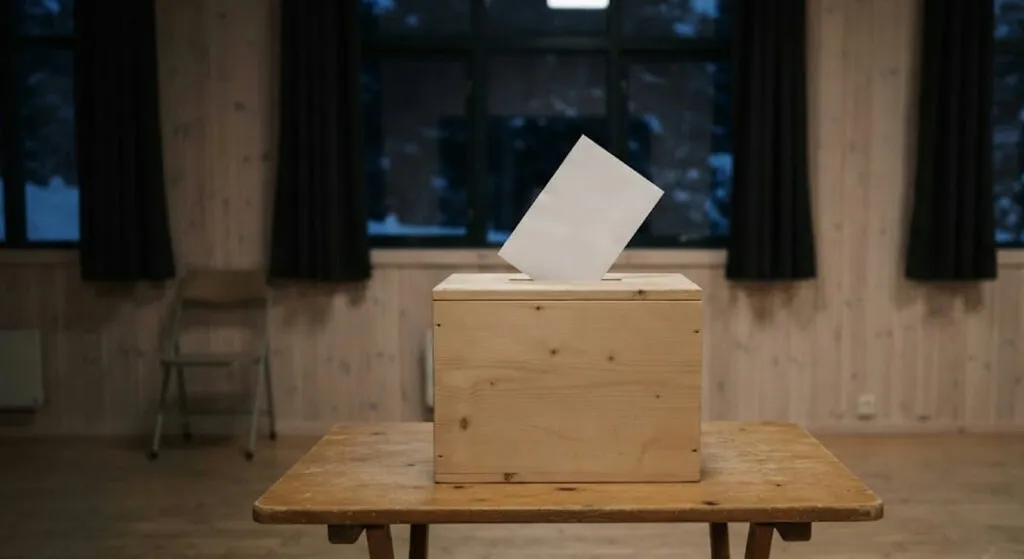
A country that was Europe's byword for stability for decades now has a parliament split into two blocs by a...
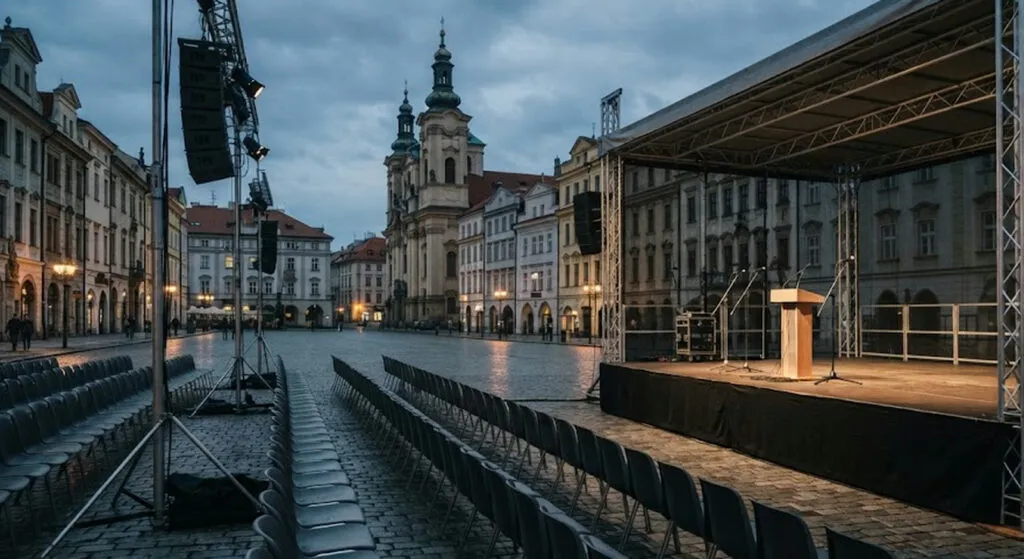
Sixteen years in power, defeat at a regular election, five months of quiet - and now the election result is...
This site uses cookies - is that okay? Learn more
Be the first to know when Metla launches something new
Leave your email and we will write when there is a new guide or something new on Metla.