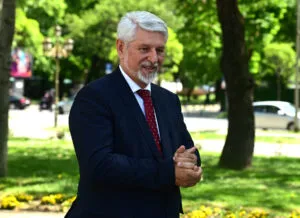
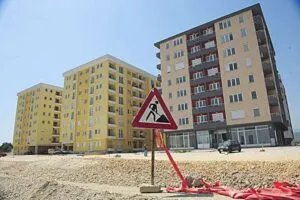
A New Criminal Complaint Against Jakimovski: A Building Permit Based on a Plan Struck Down Back in 2018
16.09.2026


16.09.2026
16.09.2026
16.09.2026
16.09.2026
16.09.2026
16.09.2026

16.09.2026
15.09.2026

14.09.2026
16.09.2026

16.09.2026

15.09.2026

16.09.2026

15.09.2026

14.09.2026

16.09.2026

16.09.2026

16.09.2026

09.03.2026

27.02.2026

19.02.2026

15.09.2026
14.09.2026
14.09.2026

23.04.2026

23.04.2026

12.04.2026

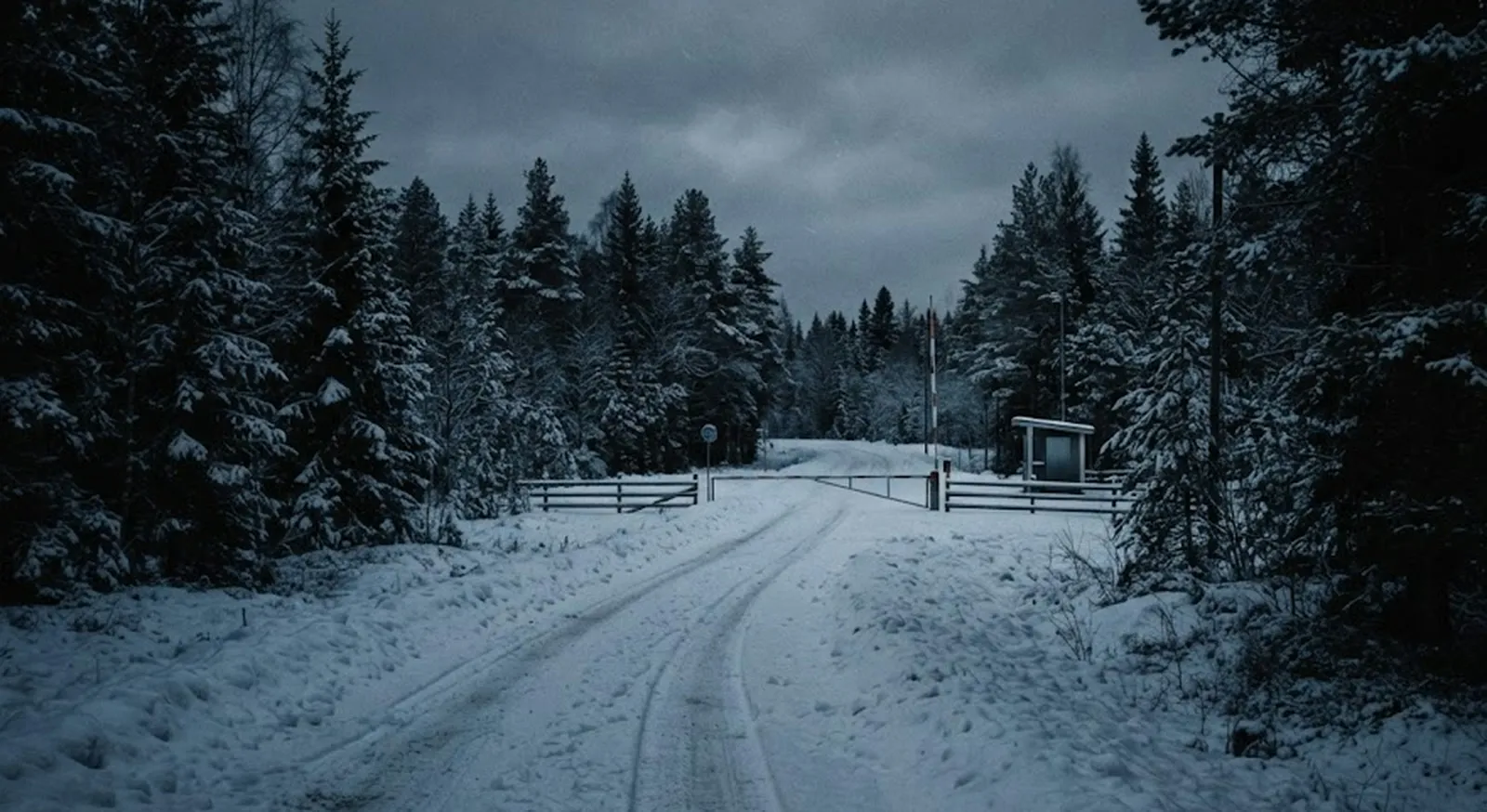
„Congratulations, Finland, you've reached the pinnacle of security” - a sentence that, coming from Moscow, sounds like a threat rather than a compliment.
Dmitry Medvedev, deputy head of Russia's Security Council and former Russian president, announced on X that Finland is from now on on the list of Russian nuclear targets. The trigger is concrete: on July 1, Finnish President Alexander Stubb signed amendments to the Nuclear Energy Act allowing the import, transit and transport of nuclear weapons across Finnish territory. Medvedev didn't hold back the sarcasm: „Finland has lifted its ban on receiving nuclear weapons on its territory. What does that change for the Finns? Just one small thing: their country is now on the list of Russian nuclear targets.”
Finland, of course, didn't do this on a whim. The amendment aligns Finnish legislation with its NATO membership - a country that spent centuries building neutrality and, after Russia's invasion of Ukraine, joined the Alliance in under two years and completely changed its security doctrine. Finnish Defense Minister Antti Häkkänen clarified that the new rules let Finland fully use NATO's nuclear umbrella. Stubb, for his part, added that Finland does not plan to station allied nuclear weapons on its soil - it just wants full membership without restrictions.
So the law opens a possibility but doesn't bring a single bomb onto Finnish soil - at least for now. That didn't stop Medvedev from turning the matter into a threat, which has been his specialty in recent years: the louder the rhetoric, the smaller the actual move behind it. The question is how many such „target lists” already exist and how many of them are real strategy versus a show for the domestic audience.
For a reader in the Balkans, this exchange is a reminder of how quickly the rules of European security shift. A country that for generations lived as a buffer between East and West took, in two years, one side of the line - and immediately got a threat in return. The Balkans know both buffer zones and target lists from their own past. The question that remains is whether Europe is entering a period where nuclear rhetoric again becomes everyday, and we're forced to get used to it like a weather forecast.
The latest 10 news from this category

Санкции воведени поради една војна се нудат како монета за сосема друг спор. Мнозинството членки се против - но за...
Ел Нињо во Пацификот ги поместува струењата што одлучуваат каде ќе падне снегот. Подрачје кое обично добива еден метар годишно,...
Најлесниот начин да се отфрли неудобен аргумент е да се покаже кој го кажува. Но од тоа сметката за струја...
Апелациониот суд одлучи целото судење да се повтори од почеток. Синот на норвешката кралица го чека тоа во имањето каде...
Trump scaled back the military exercises to ease the tension, and Wonsan answered in the form of projectiles. What does...

The sanctions list got a seven-day extension instead of one measured in months, a move diplomats themselves call unprecedented. Two...
Switzerland offered a table for talks on Ukraine, Moscow replied that the table stopped being neutral once Bern adopted EU...
The will says one thing, a committee of twenty-one men decided another. The queen mother says the army pulled the...
A country that was Europe's byword for stability for decades now has a parliament split into two blocs by a...
Sixteen years in power, defeat at a regular election, five months of quiet - and now the election result is...
This site uses cookies - is that okay? Learn more
Be the first to know when Metla launches something new
Leave your email and we will write when there is a new guide or something new on Metla.