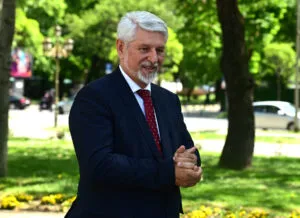
Нова кривична пријава за Јакимовски: одобрение за градба на план укинат уште во 2018 година
16.09.2026


16.09.2026
16.09.2026

16.09.2026
16.09.2026

16.09.2026

16.09.2026

16.09.2026

15.09.2026

14.09.2026

16.09.2026

16.09.2026

15.09.2026

16.09.2026

15.09.2026

14.09.2026

16.09.2026

16.09.2026

16.09.2026

09.03.2026

27.02.2026

19.02.2026

15.09.2026
14.09.2026
14.09.2026

23.04.2026

23.04.2026

12.04.2026

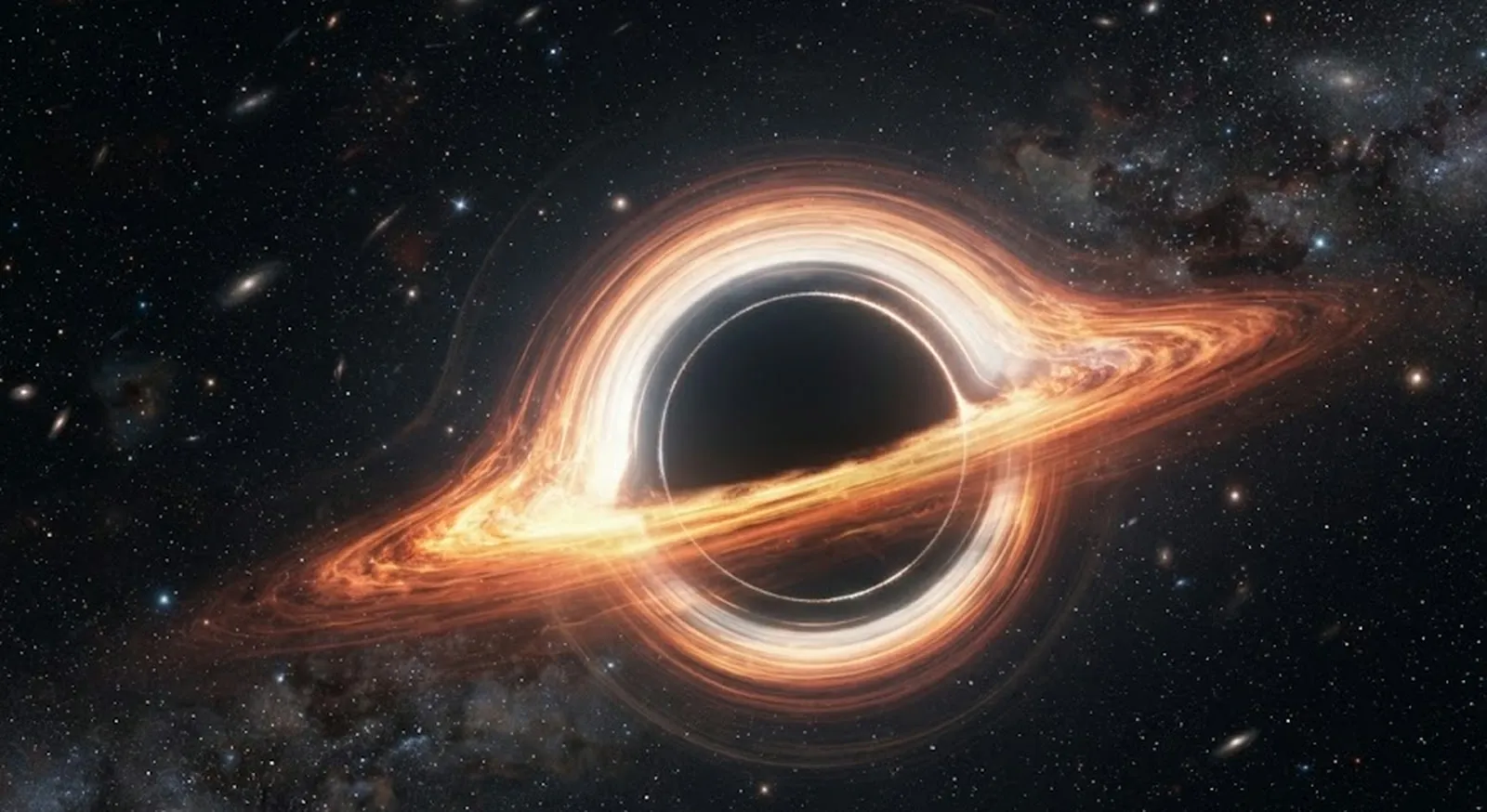
For fifty-two years, a claim by Stephen Hawking lived on as a theory no one could prove directly: that black holes, contrary to everything we knew about them, slowly evaporate. Now a group of physicists in Germany says it has seen, for the first time, exactly how that happens - and not in space, but in a laboratory.
The team led by Lorenzo Procopio at the University of Paderborn did not create a real black hole - that is impossible on Earth. Instead, using an ultrafast laser pulse through a special optical fibre, they made something that behaves like a black hole: one pulse alters the properties of the fibre and creates an analogue of the so-called event horizon for a second beam of light. With that trick, black-hole physics unfolds before the scientists' eyes, without needing a real hole light-years away.
What they saw confirms the biggest question: Hawking radiation, the mechanism by which black holes lose mass and eventually - after an unimaginably long time - disappear. "Our experiment and theory show that Hawking radiation is the result of a direct process," the researchers announced, adding that real black holes in space probably radiate in an equally simple way.
Why should anyone in Skopje, Bitola or Tetovo care about a black hole evaporating? Because this is one of those rare pieces of news that isn't about money, war or power - but about the frontier of human knowledge. A person who, with a laser in a room at a German university, tests an idea conceived half a century ago and discovers that the universe works more simply than we thought. In a world full of claims that fall apart under scrutiny, it is good to be reminded now and then that some people still measure, check and answer questions that will outlive them.
The latest 10 news from this category

Санкции воведени поради една војна се нудат како монета за сосема друг спор. Мнозинството членки се против - но за...
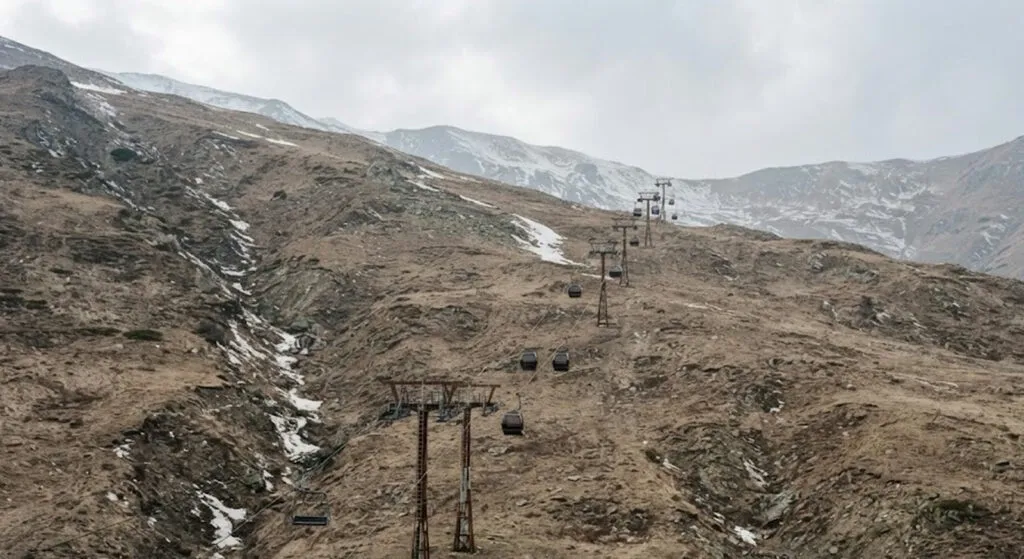
Ел Нињо во Пацификот ги поместува струењата што одлучуваат каде ќе падне снегот. Подрачје кое обично добива еден метар годишно,...

Најлесниот начин да се отфрли неудобен аргумент е да се покаже кој го кажува. Но од тоа сметката за струја...
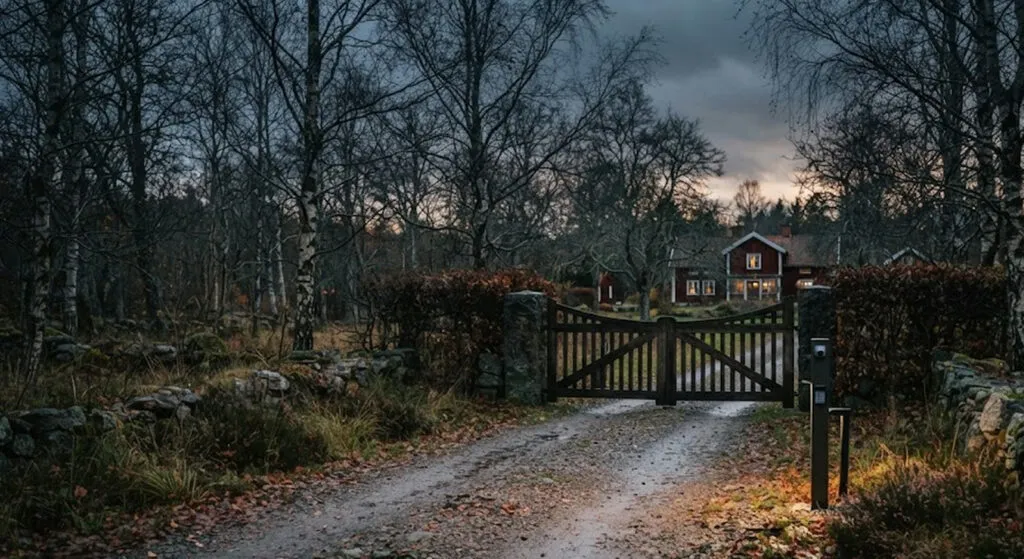
Апелациониот суд одлучи целото судење да се повтори од почеток. Синот на норвешката кралица го чека тоа во имањето каде...
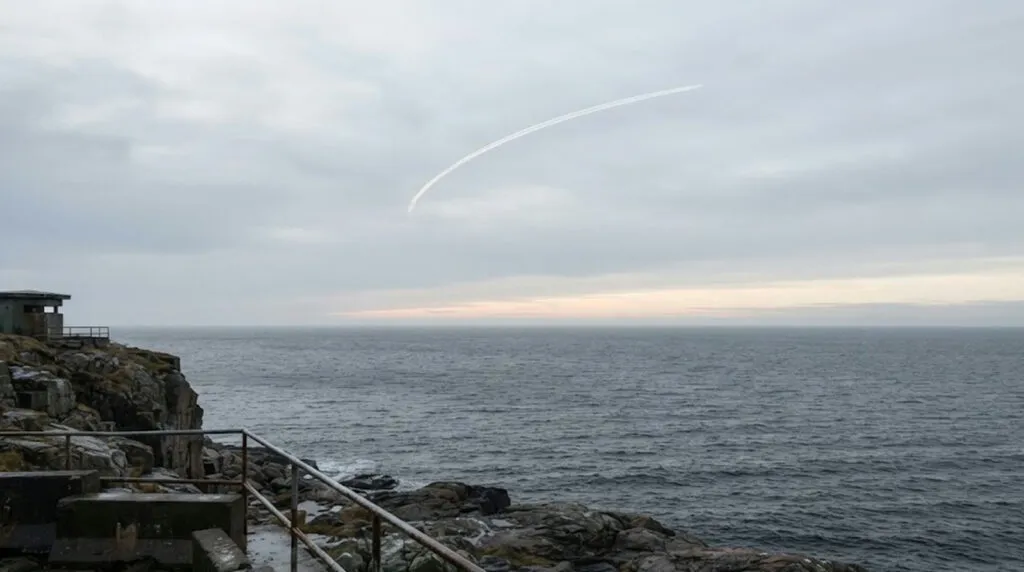
Trump scaled back the military exercises to ease the tension, and Wonsan answered in the form of projectiles. What does...

The sanctions list got a seven-day extension instead of one measured in months, a move diplomats themselves call unprecedented. Two...
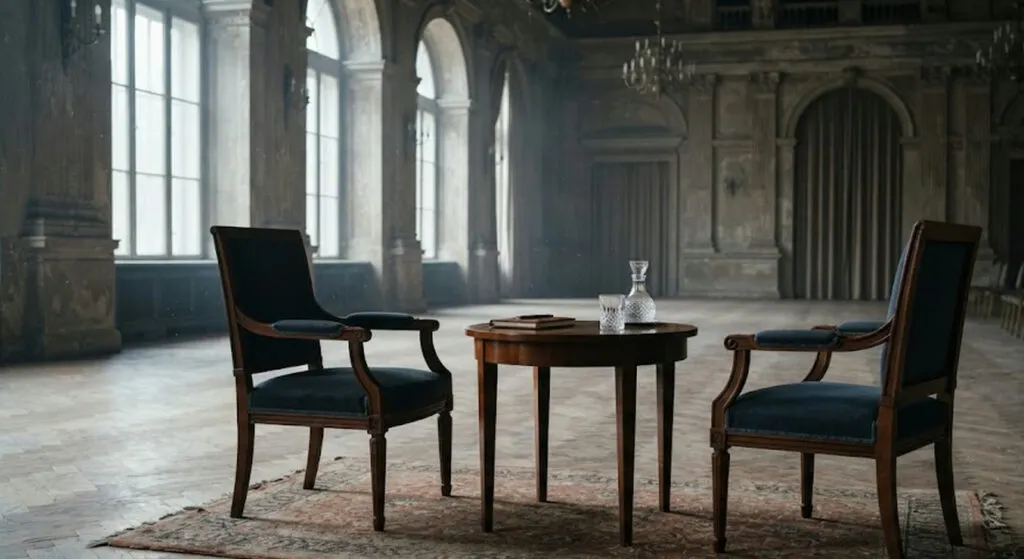
Switzerland offered a table for talks on Ukraine, Moscow replied that the table stopped being neutral once Bern adopted EU...

The will says one thing, a committee of twenty-one men decided another. The queen mother says the army pulled the...
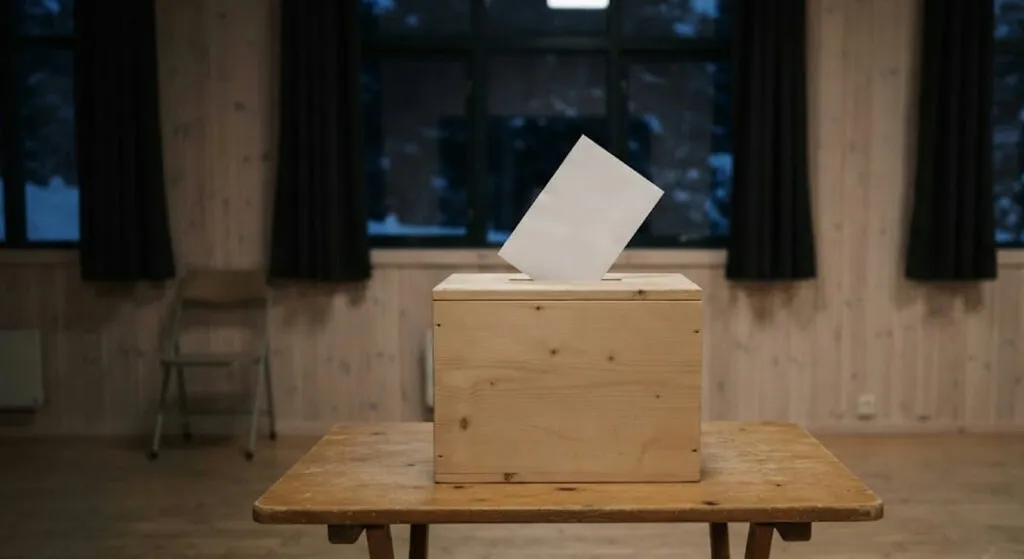
A country that was Europe's byword for stability for decades now has a parliament split into two blocs by a...
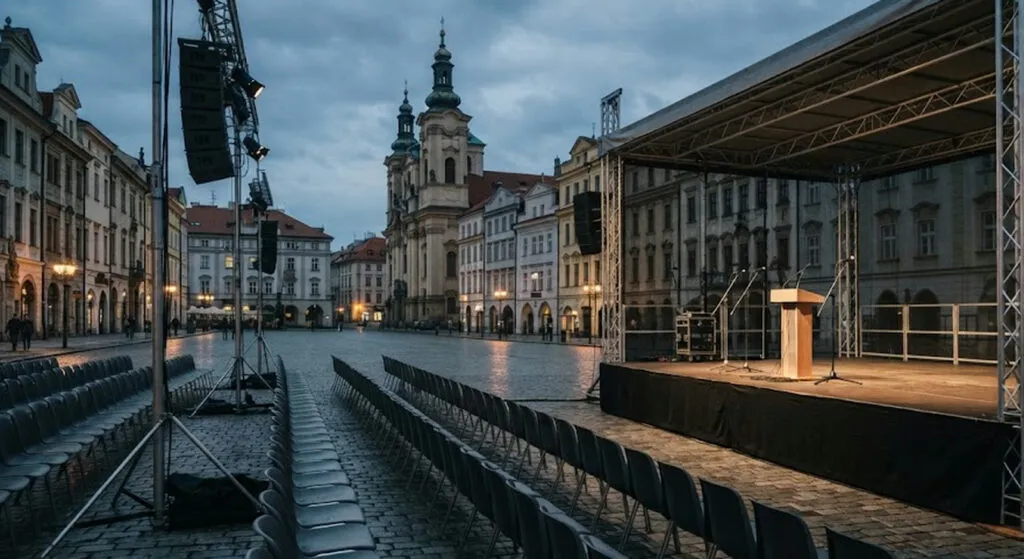
Sixteen years in power, defeat at a regular election, five months of quiet - and now the election result is...
This site uses cookies - is that okay? Learn more
Be the first to know when Metla launches something new
Leave your email and we will write when there is a new guide or something new on Metla.