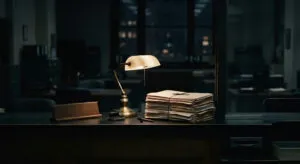
"That's not my job": the trial of the 13 Puls police officers restarted from scratch, and witnesses describe help being refused
22.09.2026


22.09.2026

22.09.2026

22.09.2026

22.09.2026

22.09.2026
22.09.2026

22.09.2026

21.09.2026

20.09.2026

22.09.2026

22.09.2026
21.09.2026
22.09.2026

22.09.2026
22.09.2026

22.09.2026

21.09.2026

20.09.2026

22.09.2026
22.09.2026
22.09.2026

22.09.2026

22.09.2026

22.09.2026

09.03.2026

27.02.2026

19.02.2026

22.09.2026

21.09.2026
21.09.2026

23.04.2026

23.04.2026

12.04.2026

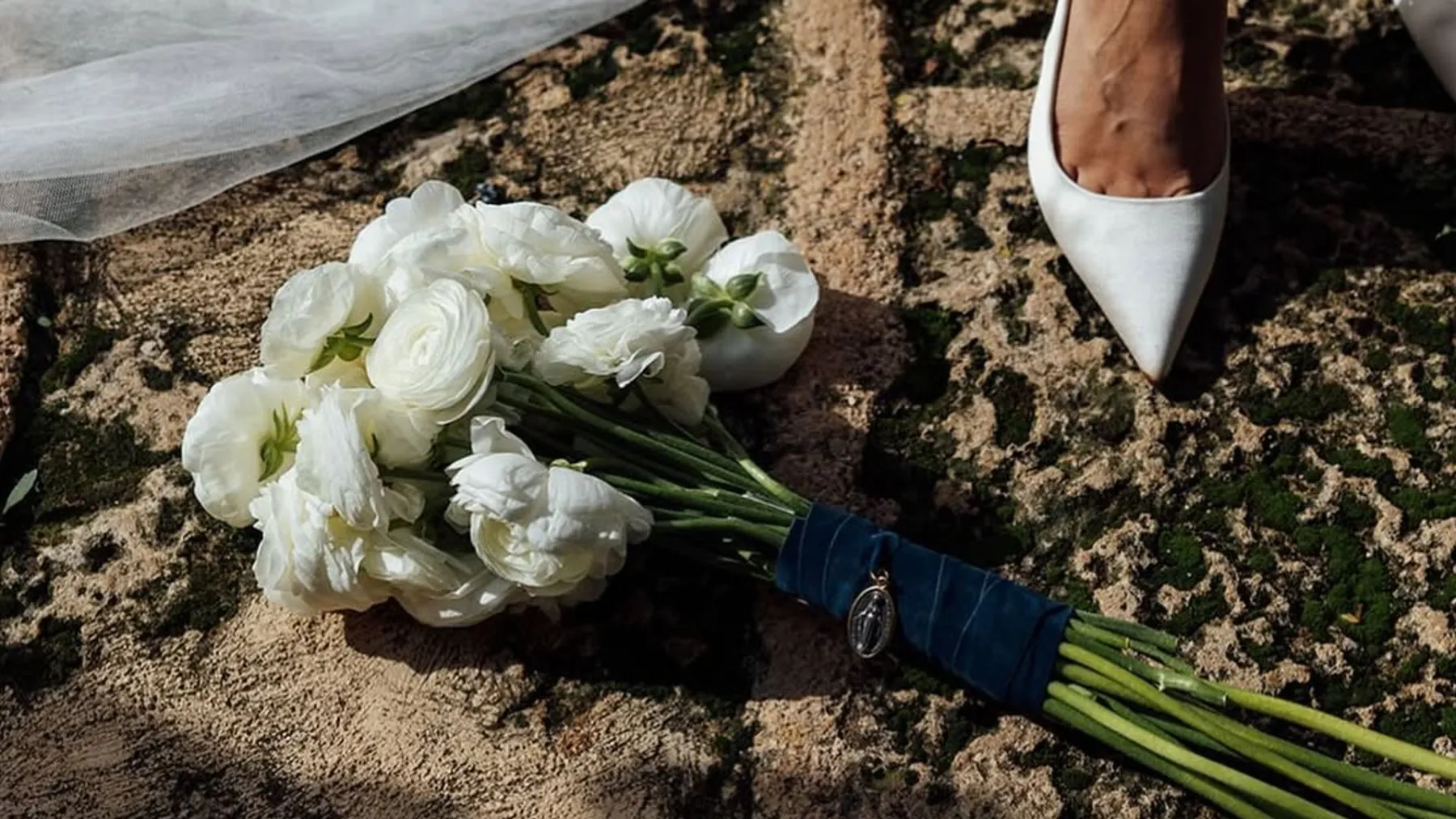
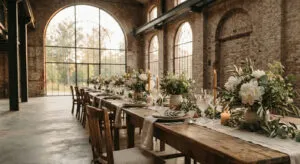
Today it's the most photographed detail of any wedding, but the bridal bouquet didn't start as decoration - it started as a charm against evil spirits. The story of how a sprig of flowers went from protection to fashion icon says a lot about how our beliefs change while the rituals stay.
In ancient Greece and Rome, brides carried aromatic herbs - laurel and rosemary - believed to protect the union and attract good fortune. In the Middle Ages the protective function grew even stronger: instead of delicate blooms, the bouquet held garlic, pungent herbs and spices, meant to ward off evil spirits and the evil eye. The bouquet then wasn't decor, but a magical talisman.
The turning point came in the Victorian era. That's when the bouquet first shifted from function to aesthetics. The so-called "language of flowers" developed - the practice of conveying messages through specific blooms - and arrangements became carefully composed pieces that complemented the dress and expressed feelings. Through the 20th century the bouquet became an essential part of the bridal look: early designs with white flowers in smaller sizes, later looser styles with vivid colours, and in the nineties a return to refined simplicity.
Today it's all about personalisation. The options range from minimalist single-flower bouquets, through nature-inspired greenery, to dramatic cascading arrangements with unusual blooms. "White is the only colour that never goes out of style - it's classic, elegant and stands the test of time," florists say. Despite all the trends, something old endures: the bouquet is still an object into which the bride invests meaning, even when she no longer believes it protects her from evil spirits. Maybe that's the most beautiful thing about traditions - they survive even when we forget why they began.
The latest 10 news from this category
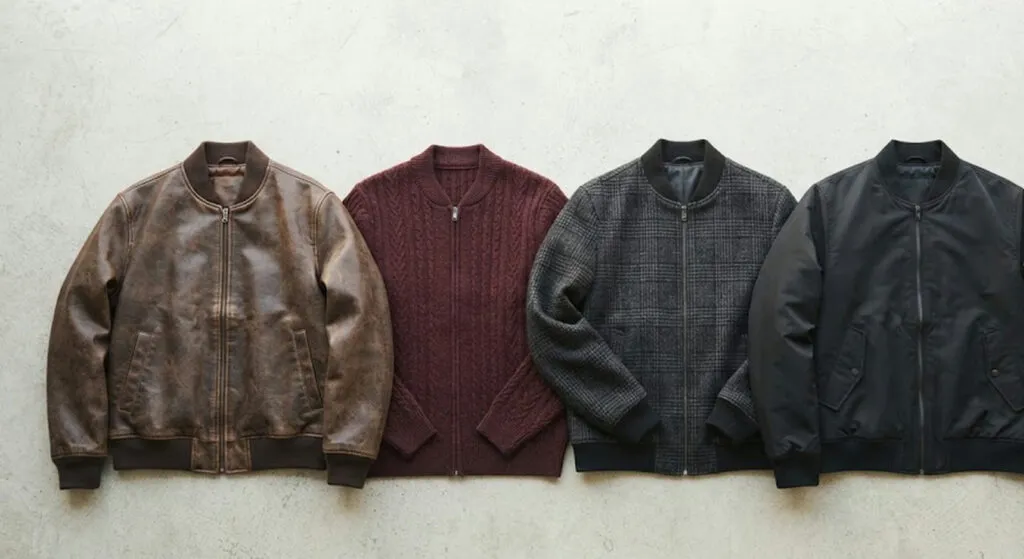
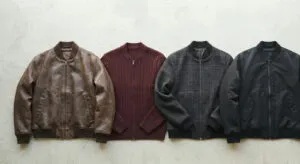
Here, half a wardrobe is bought by calculating how many years it will last. The brown leather one will look...

A decade in which aesthetic medicine sold transformation ends with one sentence: they want to look better, not different.
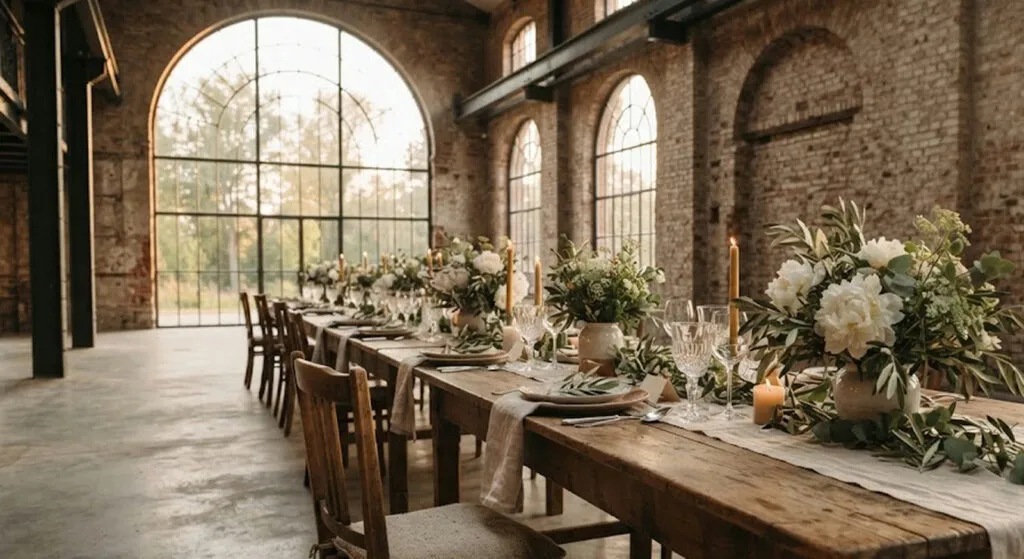
The catering was run by an uncle, the music was played by an uncle. If that sounds familiar, you have...
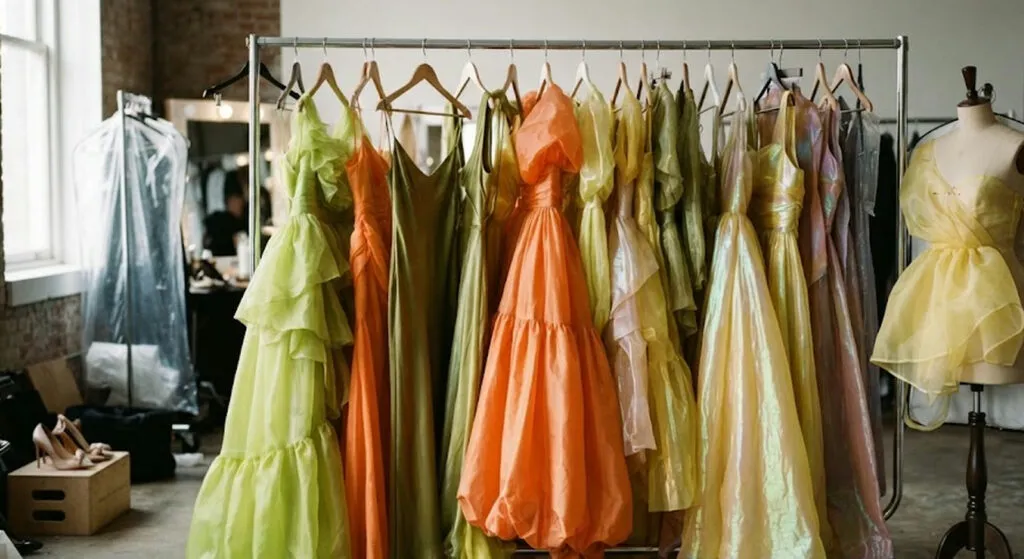
Three days in a lab coat with colorimetry scientists to produce a collection in lime and tangerine. The design director...
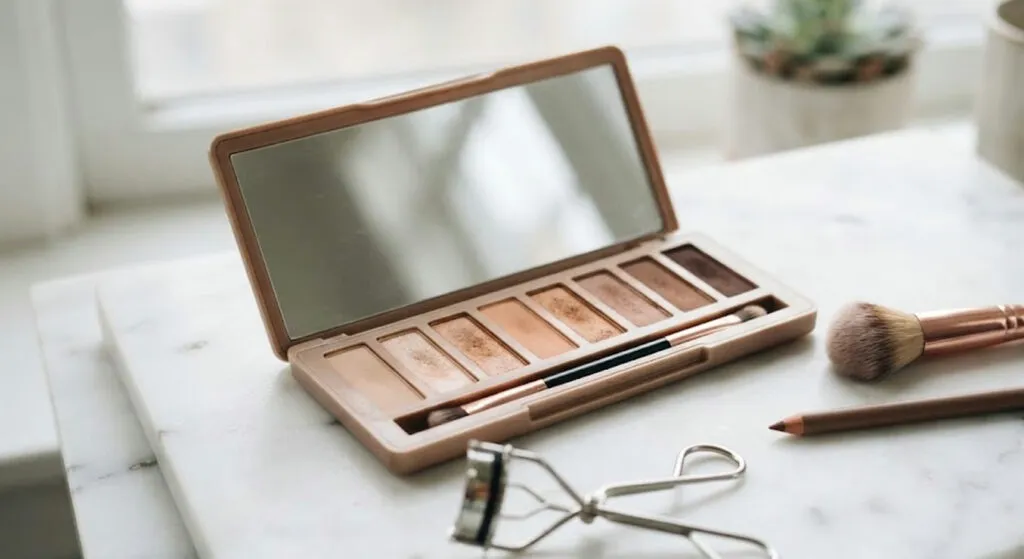
Cream concealer instead of powder, a brown pencil instead of black eyeliner, and a curler before the mascara. Not one...
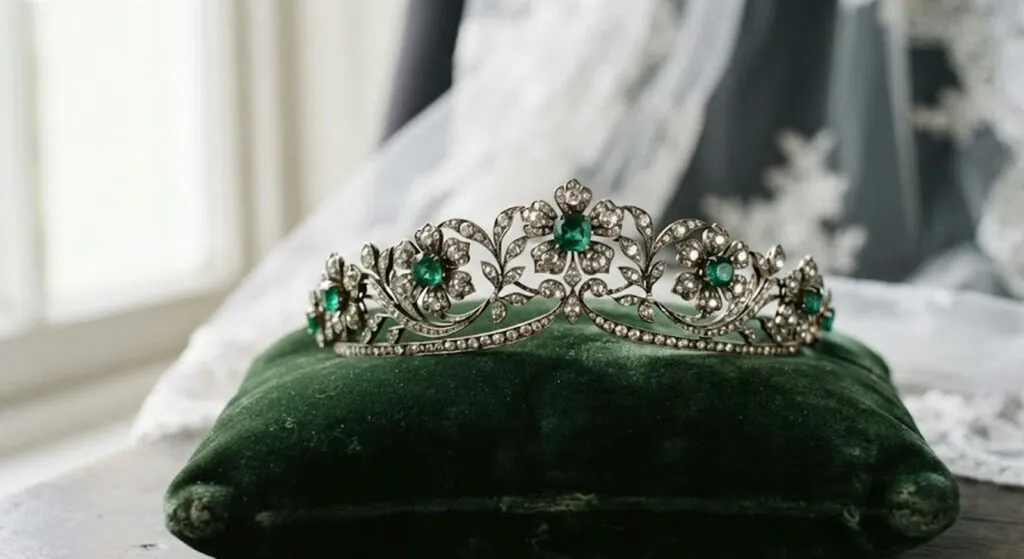
A boat-neck gown and wildflowers that deliberately refuse to compete with the jewellery. A fourth generation under the same diadem,...
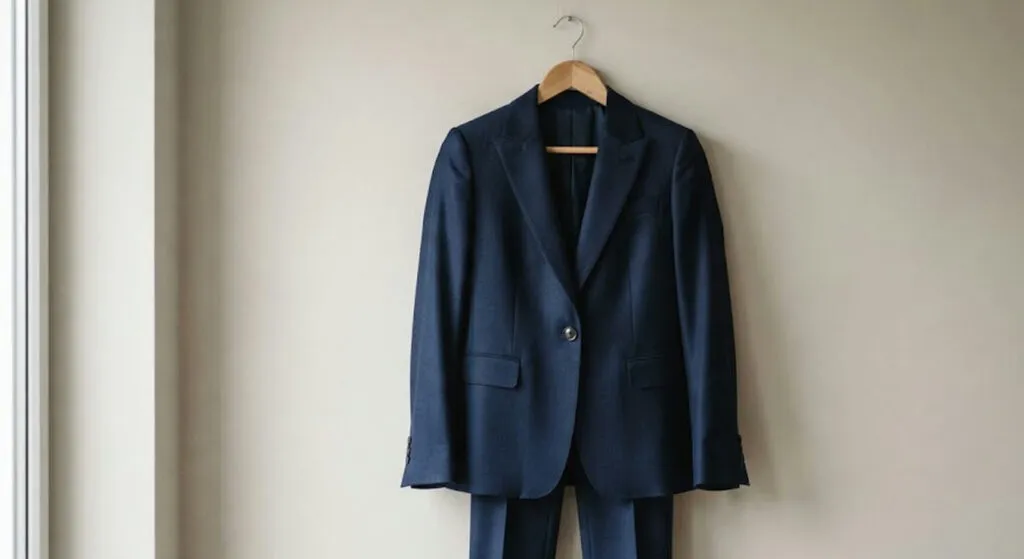
A communications expert says the trouser suit sidesteps sexist readings of hemlines and necklines. The same expert warns that the...
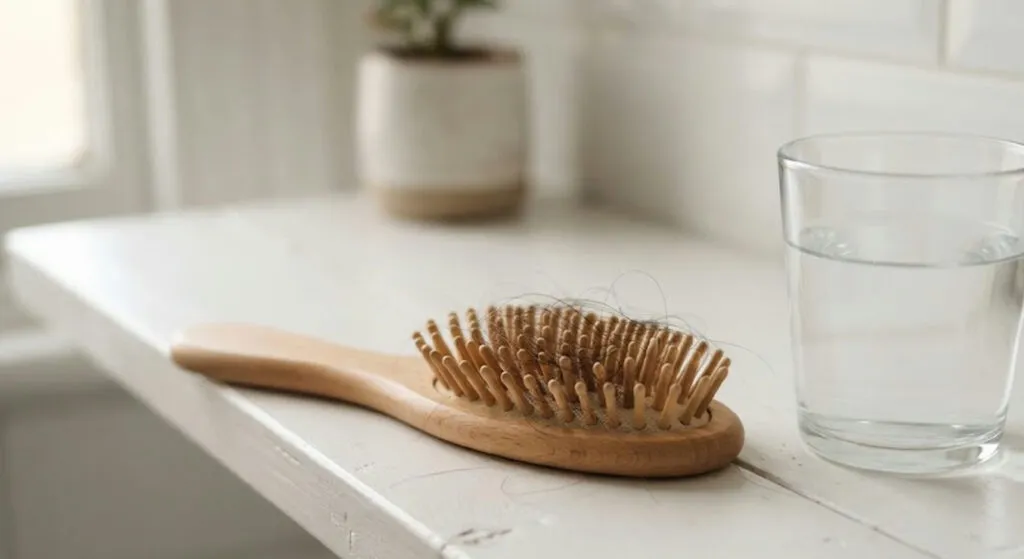
Dermatologists explain why the shedding arrives with a two to three month delay and why iron and vitamins do not...
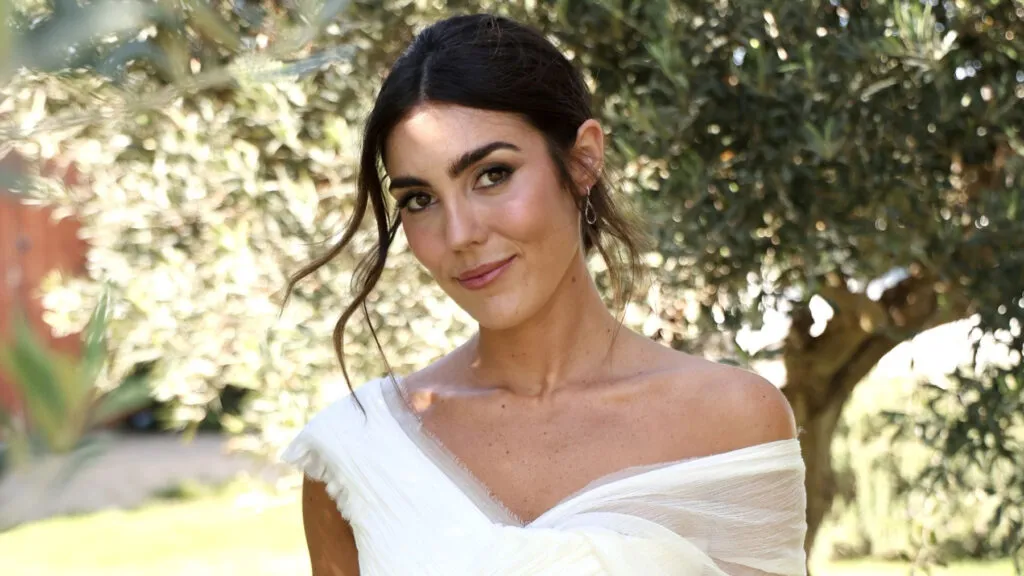
Silk bambula muslin, a hand-draped waist and a veil of crystal organza. The wedding was held in Cadiz, where the...
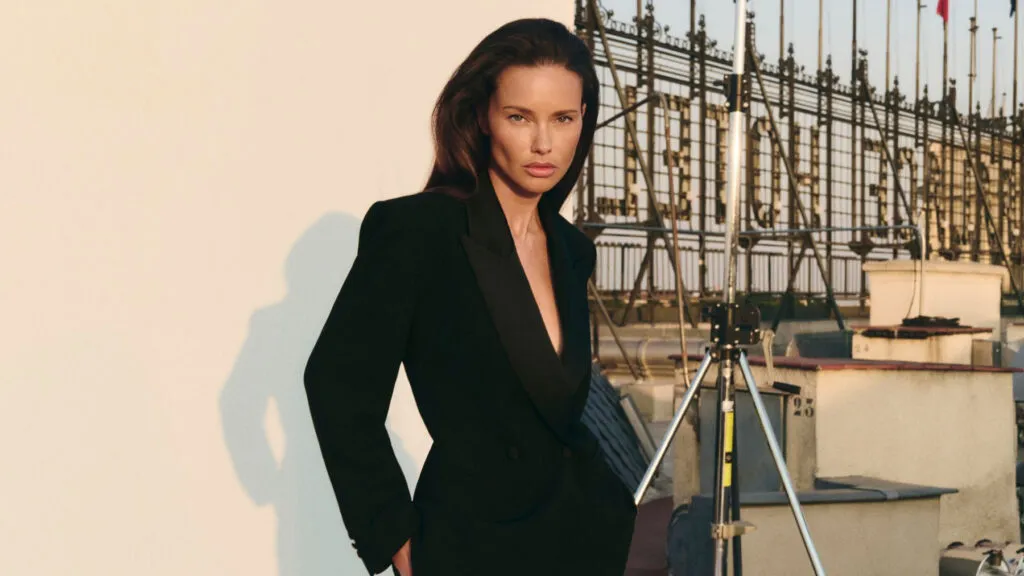
An industry that spent decades selling a flawless illusion is suddenly showing the shoot itself. That is not candour -...
This site uses cookies - is that okay? Learn more
Be the first to know when Metla launches something new
Leave your email and we will write when there is a new guide or something new on Metla.