
Six Years of Fake Licence Categories Issued From an Interior Ministry Desk: Six Charged, 21 More Under Investigation
21.09.2026


21.09.2026

21.09.2026

21.09.2026

21.09.2026

21.09.2026

21.09.2026

21.09.2026

20.09.2026

20.09.2026

21.09.2026

21.09.2026

20.09.2026

21.09.2026
21.09.2026

21.09.2026

21.09.2026

20.09.2026

19.09.2026

21.09.2026

21.09.2026

21.09.2026

21.09.2026

21.09.2026

21.09.2026

09.03.2026

27.02.2026

19.02.2026

21.09.2026

21.09.2026

20.09.2026

23.04.2026

23.04.2026

12.04.2026

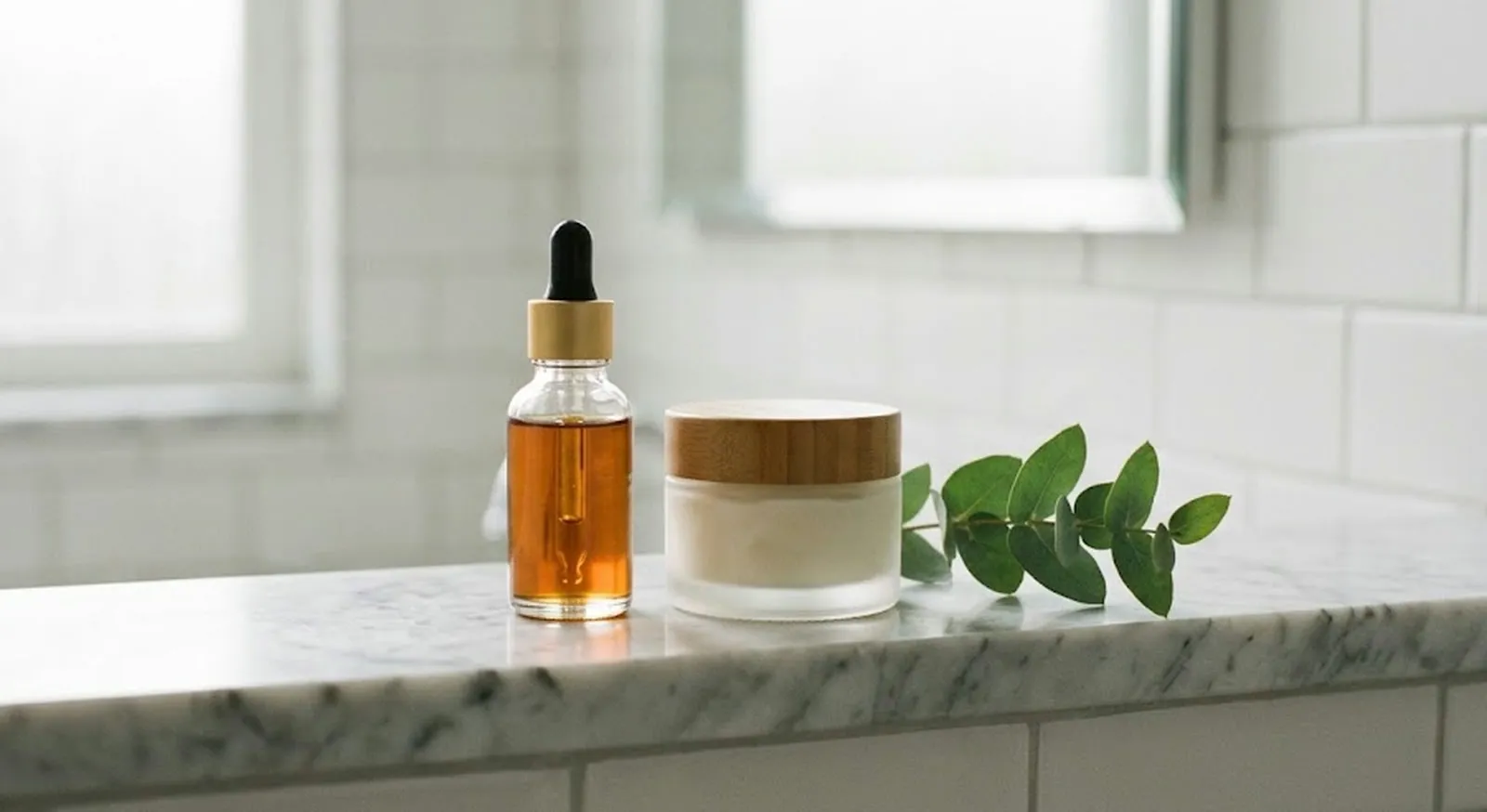
Menopause doesn't change only the body - it changes the face too, in ways rarely discussed openly. The eyelids grow heavier, the brows drop slightly, and the area around the eyes loses its firmness. The skin becomes thinner, drier, more reactive and prone to blemishes. The lower half of the face loses definition, the neck grows slacker. "General sagging is the common denominator of all this," says an aesthetic medicine specialist.
Behind the changes stands the hormone estrogen - or rather, its decline. Within five years of menopause, women can lose around 30 percent of the collagen in their skin. On top of that, cortisol, which rises with age, creates systemic inflammation that speeds up collagen breakdown and weakens the skin's protective barrier. In other words, it's not "just age" - there's concrete biology behind the mirror.
And here comes the part the cosmetics industry won't say out loud. The expert warns against a common misconception: adding fillers to already sagging skin makes the face "heavier, wider and, paradoxically, older." In other words, what's sold as the solution is often part of the problem. Rather than filling, the goal should be to stimulate the skin's own collagen production.
Her priorities are modest but proven: daily sun protection, vitamin C as an antioxidant, and treatments that boost collagen - biostimulators and medical technologies aimed at firmness. None of this is a miracle and none of it is expensive magic. The point is simple: real care begins with understanding what's actually happening, not with panic and a syringe full of filler.
The latest 10 news from this category

Three days in a lab coat with colorimetry scientists to produce a collection in lime and tangerine. The design director...
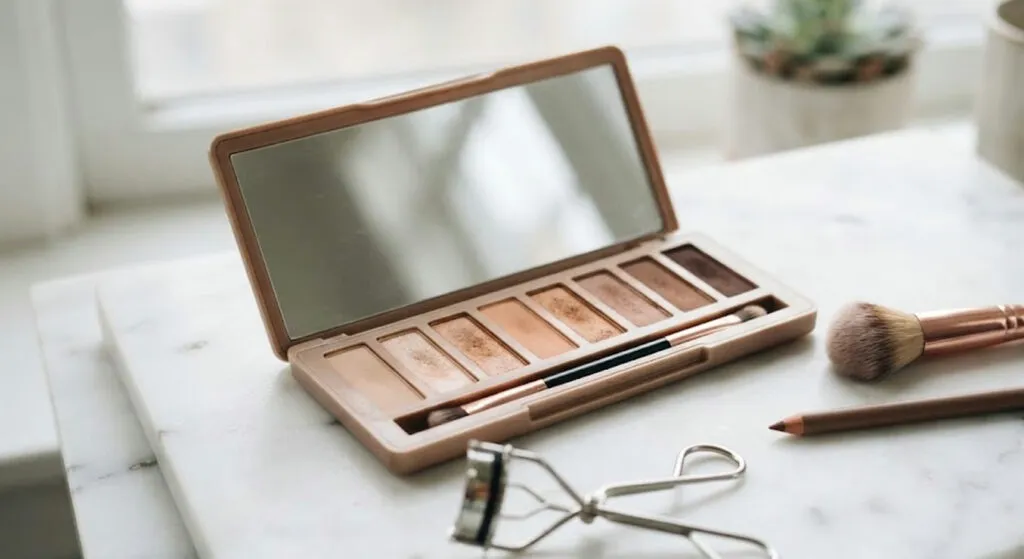
Cream concealer instead of powder, a brown pencil instead of black eyeliner, and a curler before the mascara. Not one...

A boat-neck gown and wildflowers that deliberately refuse to compete with the jewellery. A fourth generation under the same diadem,...
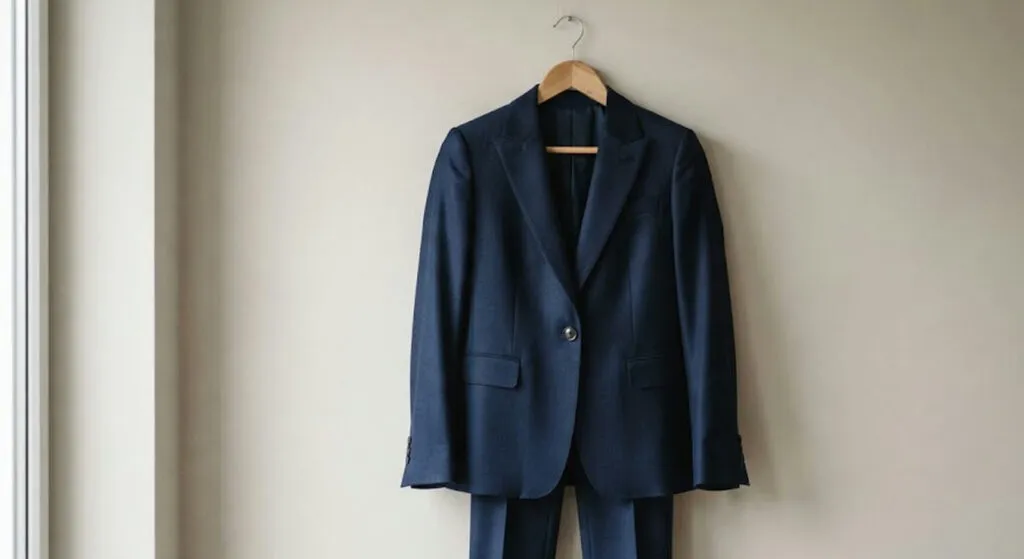
A communications expert says the trouser suit sidesteps sexist readings of hemlines and necklines. The same expert warns that the...
Dermatologists explain why the shedding arrives with a two to three month delay and why iron and vitamins do not...

Silk bambula muslin, a hand-draped waist and a veil of crystal organza. The wedding was held in Cadiz, where the...

An industry that spent decades selling a flawless illusion is suddenly showing the shoot itself. That is not candour -...

The classic bob promised one perfect day. This version works against the salon business model - and that alone is...

The crowns were held by four men who would all later sit on thrones of their own. Nobody in that...

Kate Middleton dropped the beige and the same cut suddenly looked twice as expensive. The industry sells a new silhouette...
This site uses cookies - is that okay? Learn more
Be the first to know when Metla launches something new
Leave your email and we will write when there is a new guide or something new on Metla.