

Kazandol Is Back in the Spatial Plan: The State Won the Arbitration Over the Mine, and Now the Draft Puts It Back on the Map
07.10.2026


07.10.2026

07.10.2026

07.10.2026
07.10.2026

07.10.2026

07.10.2026

07.10.2026

06.10.2026

06.10.2026

07.10.2026

07.10.2026

06.10.2026

07.10.2026

07.10.2026

07.10.2026

07.10.2026

06.10.2026

05.10.2026

07.10.2026

07.10.2026

07.10.2026

07.10.2026

07.10.2026

06.10.2026

09.03.2026

27.02.2026

19.02.2026

07.10.2026

06.10.2026

05.10.2026
06.10.2026

05.10.2026

04.10.2026

23.04.2026

23.04.2026

12.04.2026

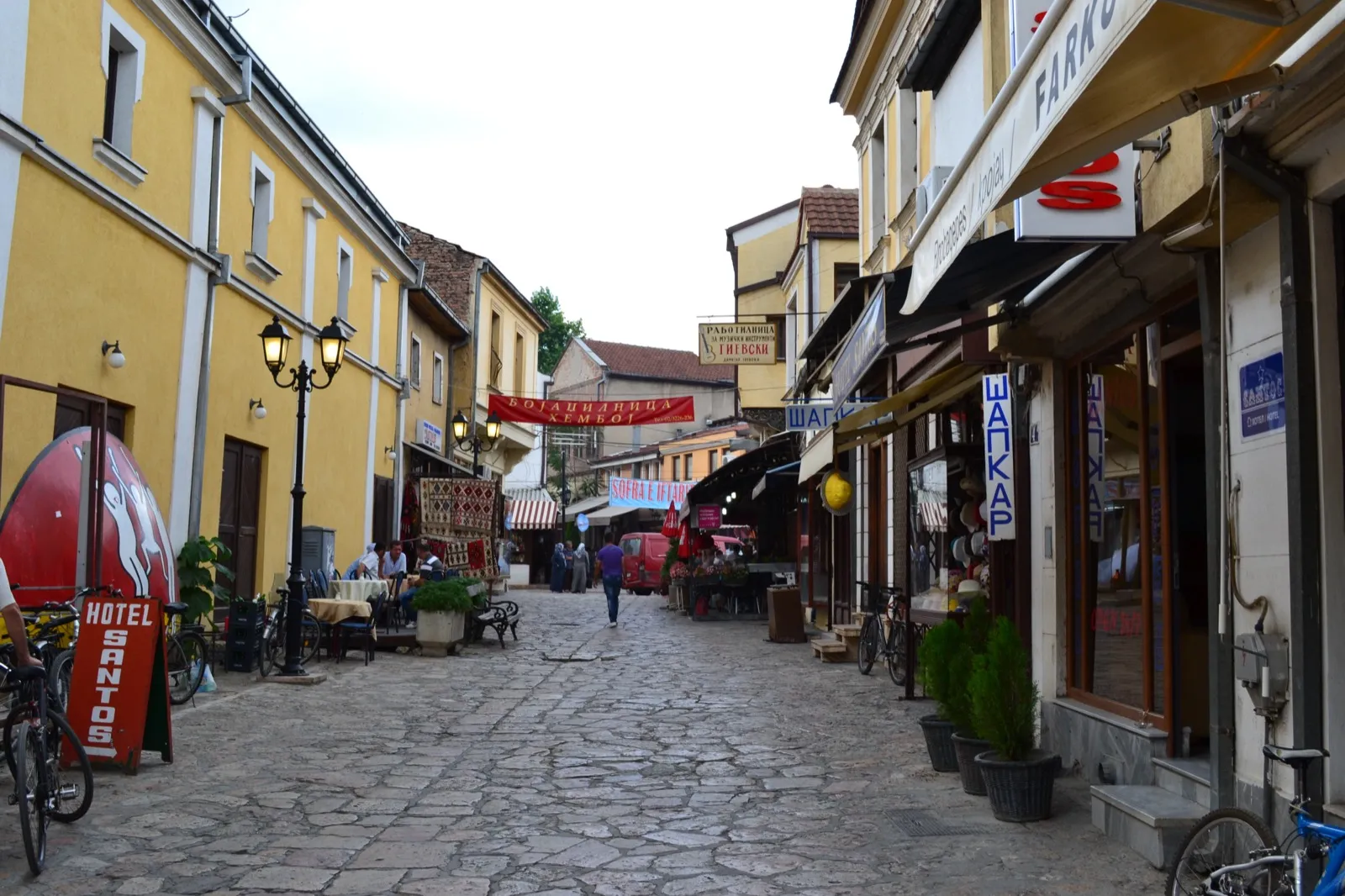
Behind every economic statistic about growth and investment stands one question no government wants to say out loud: who will work and who will live here in 20 years? Prime Minister Hristijan Mickoski has now said it openly - in 15 to 25 years Macedonia could be short 250,000 people.
Demographics have become one of the country's most serious economic issues, the prime minister admits. Behind the figure of a quarter of a million people stands a familiar trio of causes: a falling birth rate, the emigration of the young, and a growing labour shortage that's already hitting companies across the country. This isn't a problem of the future - it's a problem already knocking at the door.
The number is frightening when you translate it into reality: 250,000 people is nearly half the population of Skopje. Empty villages, closed schools, factories looking for workers who aren't there, a pension system leaning on ever fewer shoulders. The Balkans have lived this for decades - the young leave for where they're valued, and at home only the statistics and the promises remain.
It's easy to admit the problem; it's harder to do something about it. The question Mickoski didn't answer is the most important one: what is the state concretely doing to make the young stay? Because while the answer to that question is "we're analysing," the planes and buses to Germany keep leaving full. Demographics don't wait for analyses - they're measured in the people who have already left.
The latest 10 news from this category
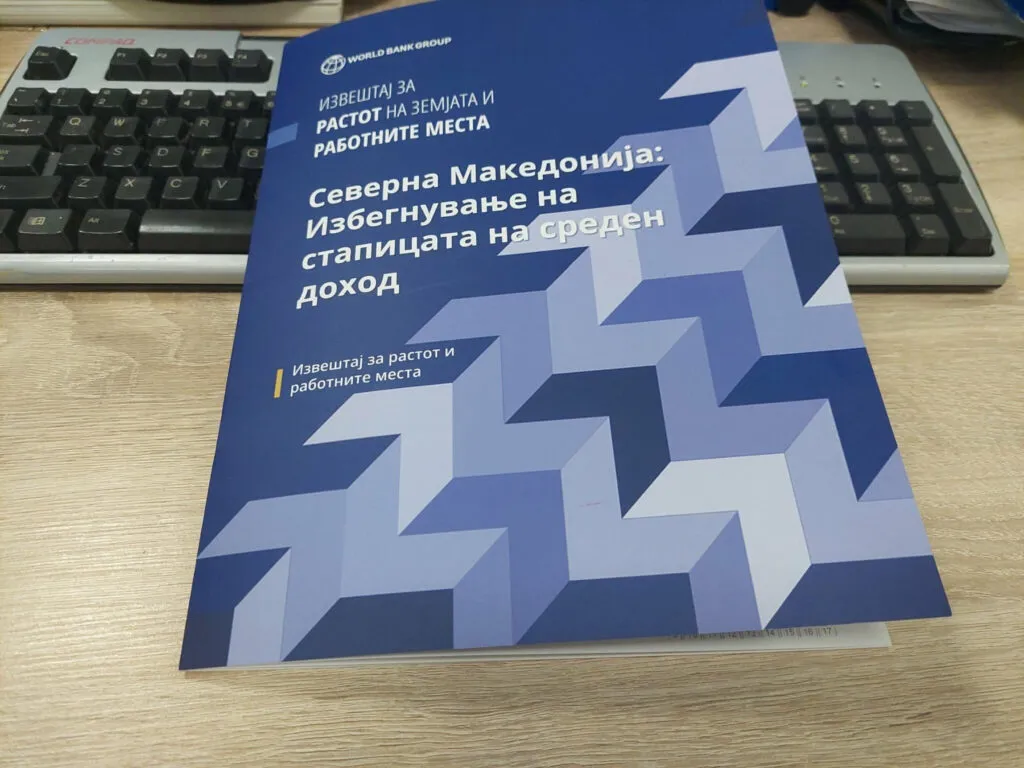
We went from a lower- to an upper-middle-income country, then stood still for 17 years. Meanwhile Albania, Serbia and Montenegro...
The prime minister says pensioners have nothing to worry about. The Fiscal Council calculates a hole worth 5.2% of GDP....
The statistics say price growth is slowing. The customer at the table sees something else: alcoholic drinks up 5.7%, food...

A post with over a million views showed what Amazon pulls out of every order. One pair of leggings -...

Their first idea had no future, so the three founders torched it. The second hit over a million dollars in...
While every piece of software pushes an assistant you never asked for, the foundation behind the free office suite says...
Cheap fuel has a price, and now it is landing in the budget. Mickoski did not say where the cuts...
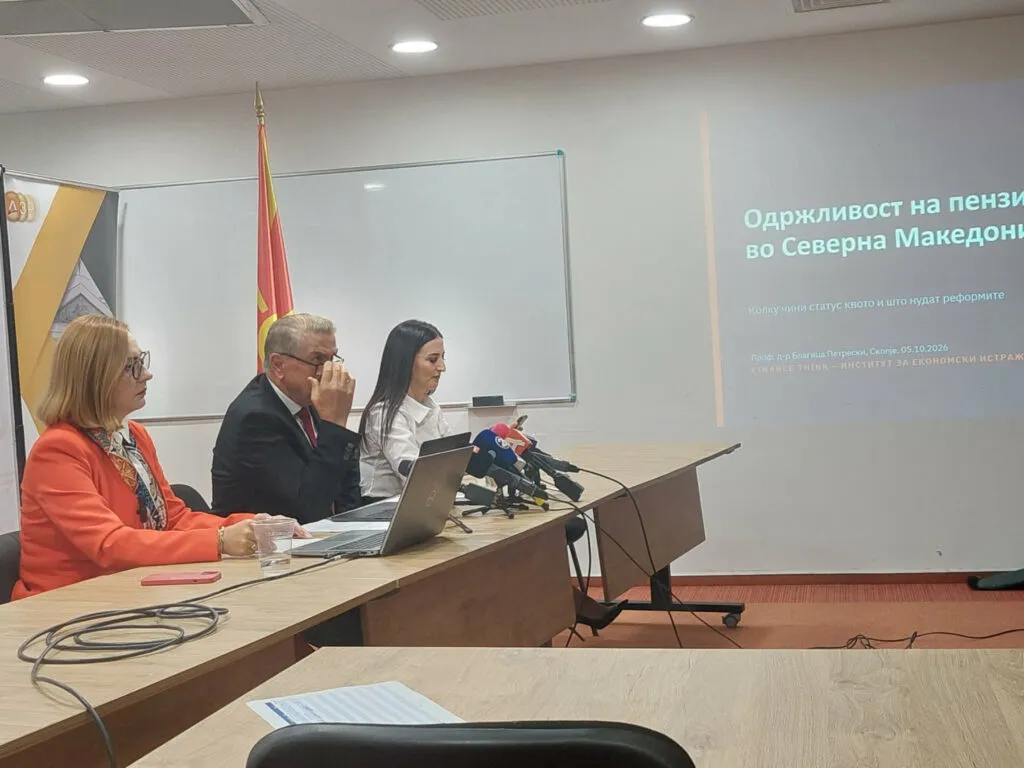
The budget already covers 41 percent of the Pension Fund, and by the mid-2040s there will be fewer contributors than...
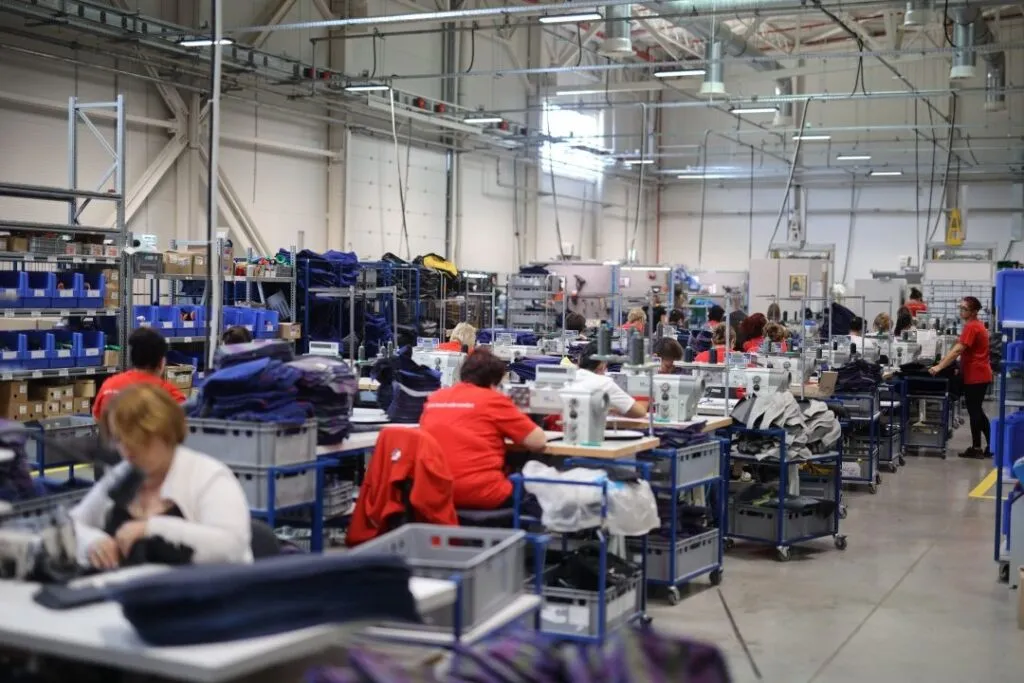
The proposal would indirectly cut the number of days off to 13. An analysis of how much companies actually lose...

Brussels forced OpenAI to release a watermark the company had ready back in 2024. Macedonia isn't in the EU, so...
This site uses cookies - is that okay? Learn more
Be the first to know when Metla launches something new
Leave your email and we will write when there is a new guide or something new on Metla.