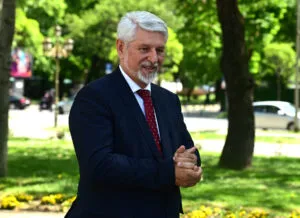
A New Criminal Complaint Against Jakimovski: A Building Permit Based on a Plan Struck Down Back in 2018
16.09.2026


16.09.2026
16.09.2026

16.09.2026
16.09.2026
16.09.2026
16.09.2026
16.09.2026
15.09.2026

14.09.2026
16.09.2026
16.09.2026

15.09.2026

16.09.2026

15.09.2026
14.09.2026

16.09.2026

16.09.2026

16.09.2026

16.09.2026

15.09.2026
15.09.2026

09.03.2026

27.02.2026

19.02.2026
16.09.2026

15.09.2026

14.09.2026

23.04.2026

23.04.2026

12.04.2026

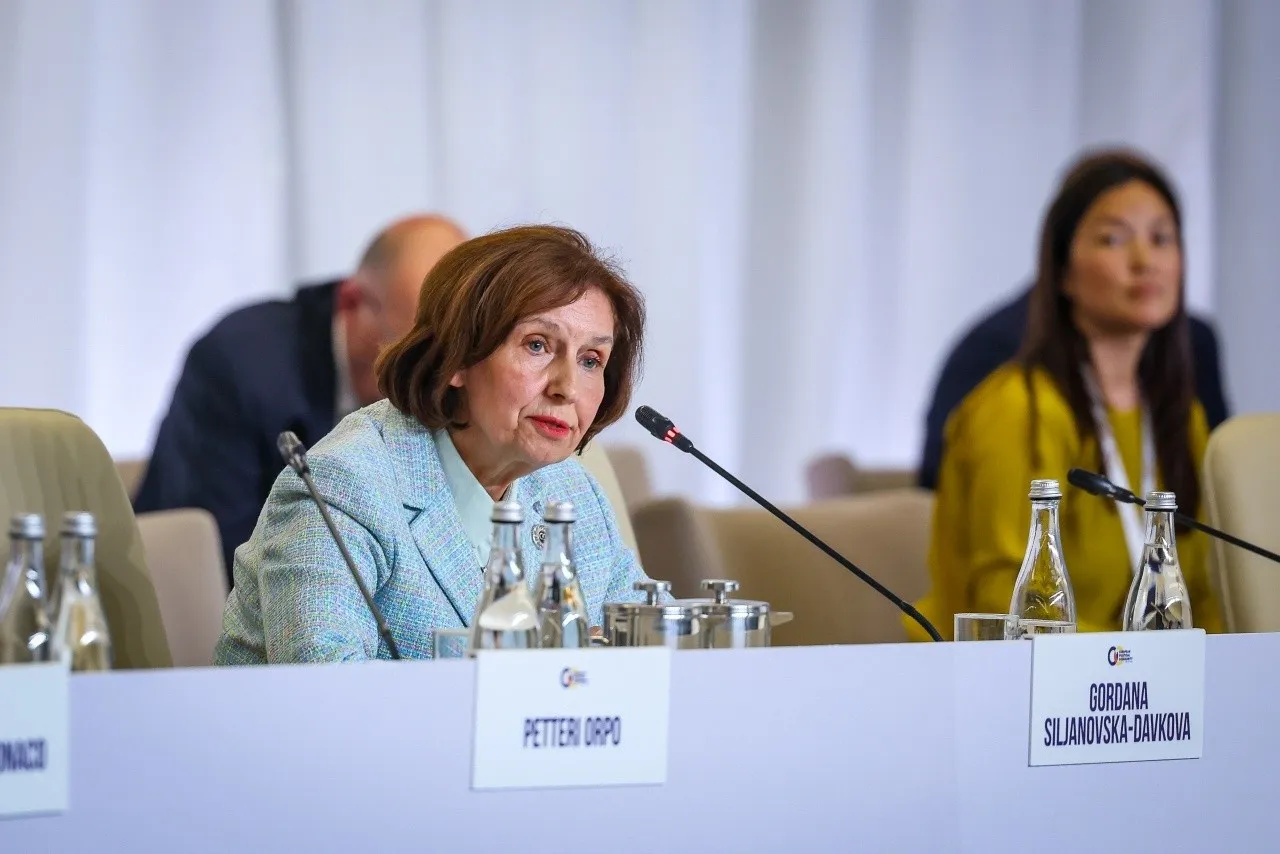
At the European Political Community summit in Yerevan, President Gordana Siljanovska-Davkova spoke on a panel with French President Emmanuel Macron and Italian Prime Minister Giorgia Meloni on one theme - the fight against drug trafficking. Her central thesis - Western Balkans integration into the EU is a precondition for an effective fight against this industry.
„The Balkans is a transit zone for narcotics operations," she said in one part of her speech, putting the emphasis on the way external actors use the area to destabilise Europe. Later, in a separate meeting with the Romanian president, she confirmed the position - „strong regional cooperation is an important factor" in European political unification.
The rhetoric is familiar, the context is fresh. The EU - which has been postponing Western Balkan applications for decades - is now facing a rise in criminal networks operating precisely along this geographical line. Albanian, Balkan, Turkish, sometimes even Arab syndicates use the region as a warehouse, a transfer station, a money-laundering hub. Siljanovska didn't say anything new - but she said it in a room where they haven't, until now, been willing to listen.
The question hidden behind her rhetoric is posed differently. Will the EU take Western Balkan integration seriously only when it sees a security threat to itself? History suggests something like that. The Kosovo crisis of 1999, the Bosnian one of 1995, the Albanian one of 1997 - each enabled a European response when Brussels realised the region's mafia tide had reached Vienna, Munich and Milan. Now the same is happening again - with drugs.
For Macedonian readers, the question is even more specific. How prepared are the institutions in Skopje to play partner in the fight, when there are already cases of police officials linked to criminal networks? Siljanovska is asking the EU to recognise the Balkans as a partner. The EU may well answer - but what is Skopje offering as proof of seriousness? That question, on summit day, isn't put to anyone. But in Brussels it gets written into solid notes.
The latest 10 news from this category
The World Bank dropped out over misalignment with EU requirements. Construction will take two and a half years, and the...
Of 9,500 square metres of greenery, 268 remain. Terrain with an 80-metre height difference, no erosion study and no opinion...
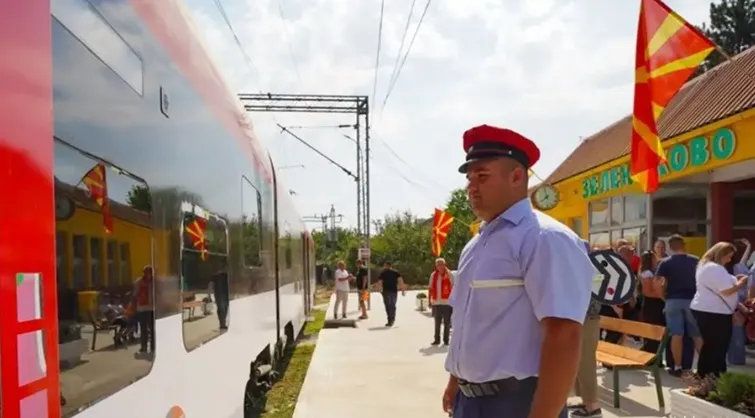
Gjorgjievski says the system should be ready by the middle of next year. The BRT tender is announced for the...
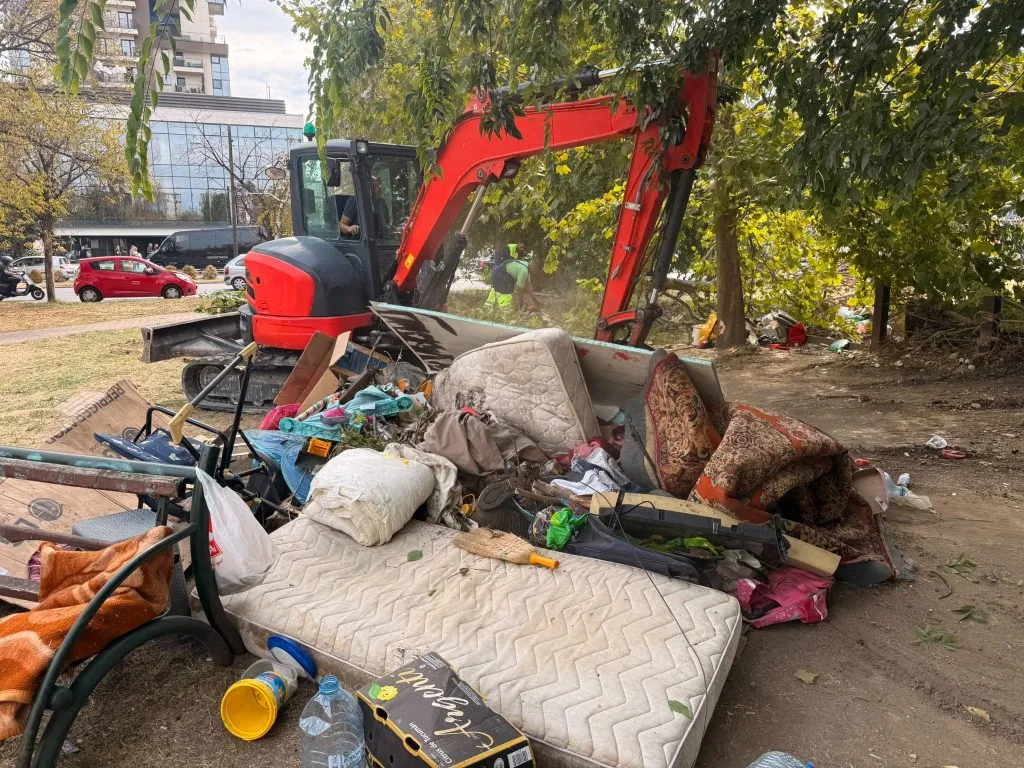
The second operation at the same site within a year. Gerasimovski himself is appealing to the Labour Ministry - because...
A prosumer scheme, a solar oven and electricity generated by bicycle on Magnolija square. The city that has paid the...
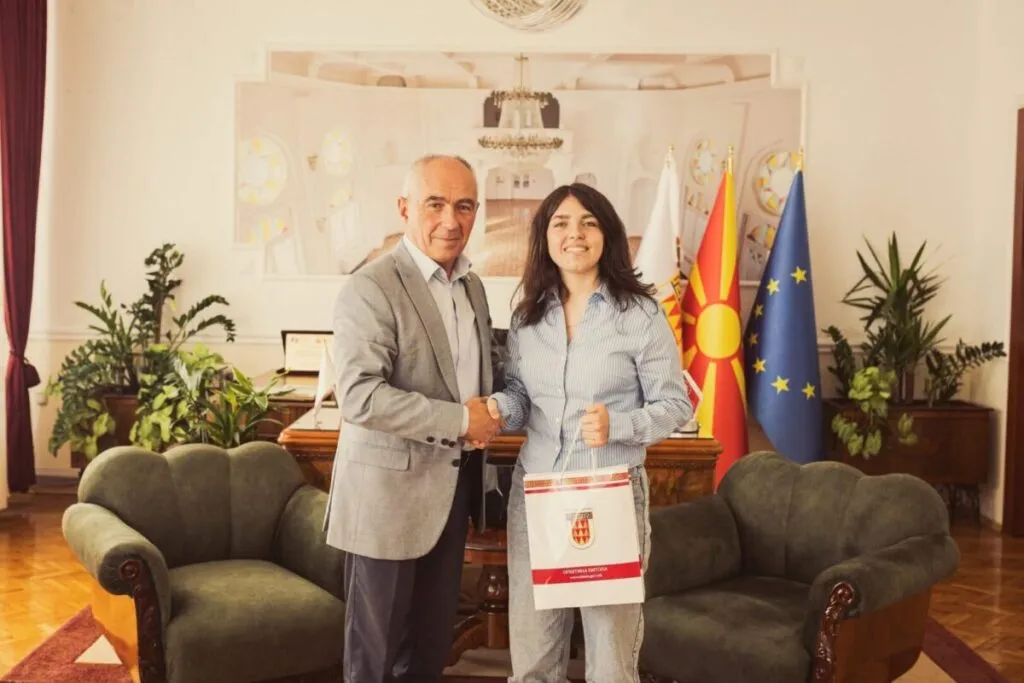
Stefanija Dimovska won two medals at IESO 2026, working in mixed international teams. Before that she was also national champion...
Out of nearly 4.7 million denars, the municipality is putting in around 180,000. The rest comes through the Bureau for...
Ten years working inside the health system - and she still had to pull strings to be admitted. The clinic...
Appeals run from 15 to 25 September. There is not enough space at Goce Delčev, so students go to Stiv...
From 23:00 to 05:00 there is no getting through towards Evzoni. Towards Halkidiki - business as usual. Those heading on...
This site uses cookies - is that okay? Learn more
Be the first to know when Metla launches something new
Leave your email and we will write when there is a new guide or something new on Metla.