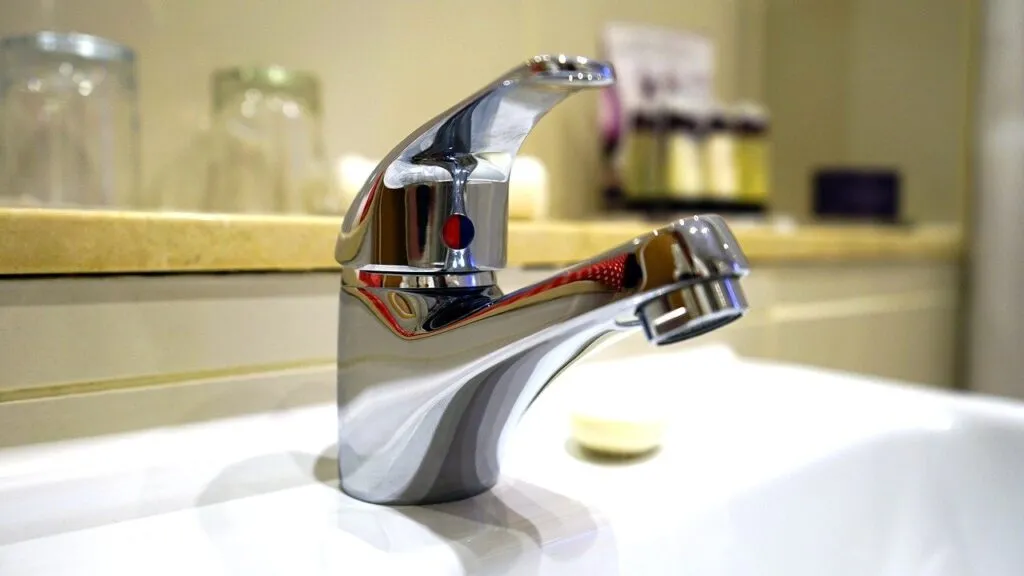
Голем дел од Центар, Чаир и Гази Баба без вода во сабота: целодневен прекин поради санација на дефект
19.06.2026


19.06.2026
19.06.2026
19.06.2026

19.06.2026

19.06.2026

19.06.2026

19.06.2026

19.06.2026

18.06.2026

19.06.2026

19.06.2026

19.06.2026

19.06.2026

18.06.2026

17.06.2026

19.06.2026

19.06.2026
19.06.2026

09.03.2026

27.02.2026

19.02.2026

19.06.2026

14.04.2026

07.11.2025

23.04.2026

23.04.2026

12.04.2026

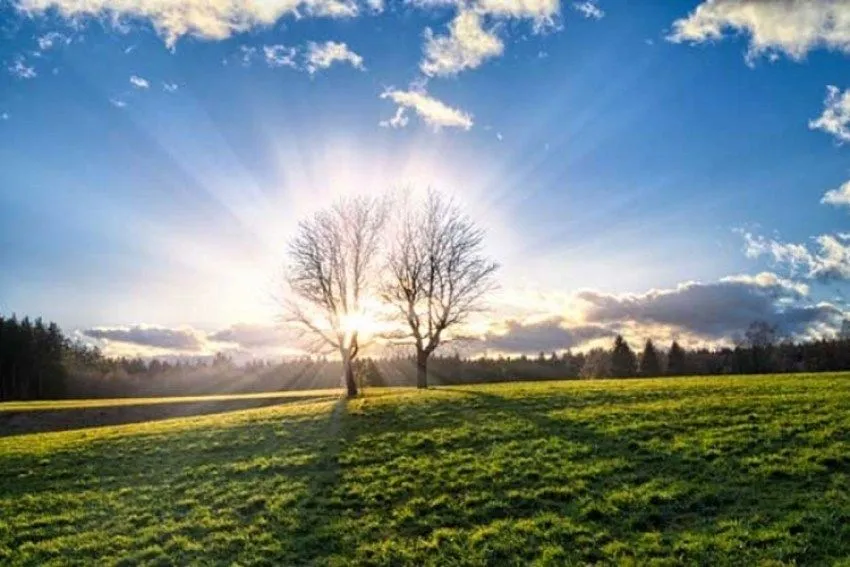
After weeks of an arctic-wet break in spring weather, with snow and frost in early May, Macedonia is once again facing a sharp warming. A hot air mass of African origin will cover the country in the coming days, with temperatures reaching 30 degrees - especially over the weekend, in the central and southeastern regions.
This isn't „random weather". It's another manifestation of what climatologists have been describing for years - more frequent and more intense shifts in weather patterns. From a snowstorm in early May to 30 degrees within days. From summer heatwaves above 40 degrees in August to winter temperatures dropping below minus 15. This isn't „nature in harmony" - this is nature in a state of accelerated climate transition.
For the Macedonian farmer - who already had crop damage from the late frost this year - this jump is yet another blow. The culprit isn't „bad luck", it's the frequent extreme oscillations that make stable planning impossible. Orchard owners, viticulturists, gardeners - all are forced into a faster adaptation cycle, in a situation where no state plan for climate adaptation works in practice.
For the ordinary citizen, this means something concrete too. The AC energy season starts earlier every year. If 10 years ago we didn't switch the AC on in May, now you can't get through the weekend without it. That's more electricity, more money, more emissions - and the cycle accelerates itself.
The question nobody is asking out loud in the media - do Skopje, Bitola, Ohrid have a plan for summer heatwaves with temperatures above 40 degrees for several days running? We have „recommendations" - drink water, stay in the shade, don't go out at noon. We have warnings. But we don't have open cooled public spaces for vulnerable groups, the way Paris has had since the deadly 2003 wave. We don't have a system that automatically checks on high-risk elderly people. We don't have a real climate strategy. And every year - that absence costs more.
The latest 10 news from this category
Дефектите се случуваат - тоа е дел од одржувањето. Прашањето е зошто санациите речиси секогаш паѓаат кога граѓаните најмалку можат...
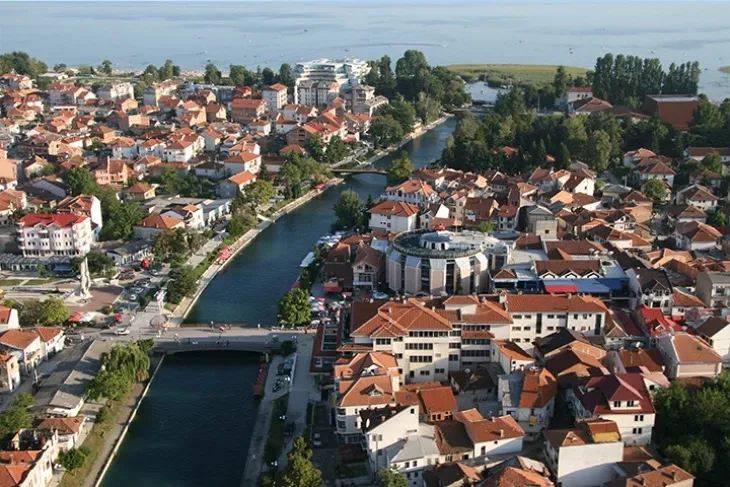
Кога работите функционираат, секој сака да се слика; кога ќе се појави проблем, никој не е надлежен. Брегот на езерото...

When nobody bothers with the small scams, they become the template. The question is whether the case ends in a...

How Skopje receives the march tomorrow says more about us than about the community doing the marching.
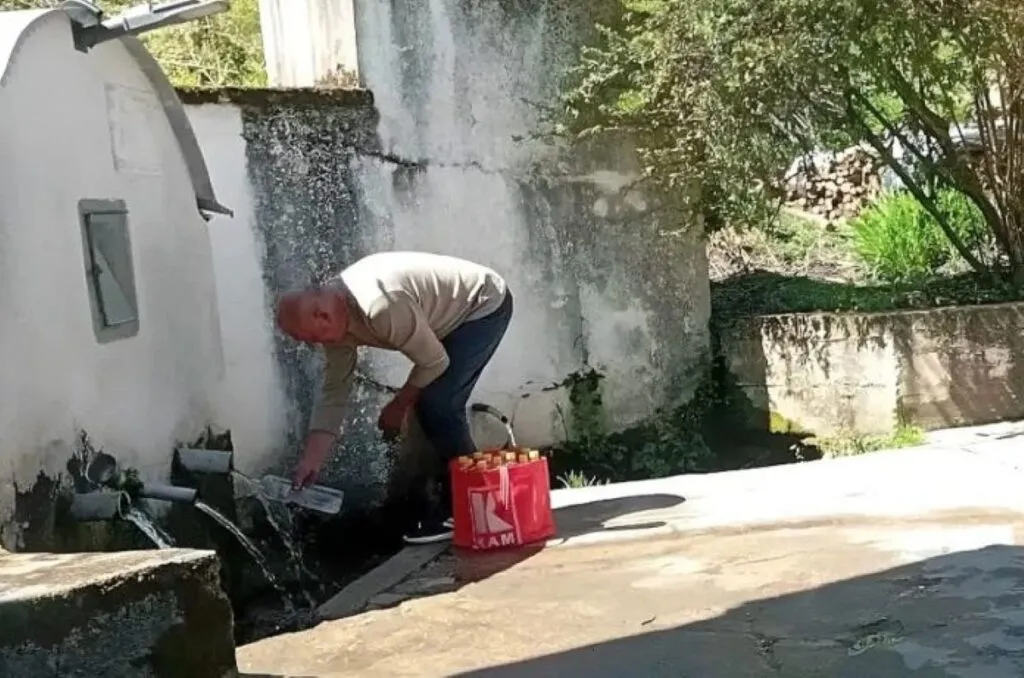
200 meters from the town's welcome sign, and no water. How long can a village stay thirsty next to water?
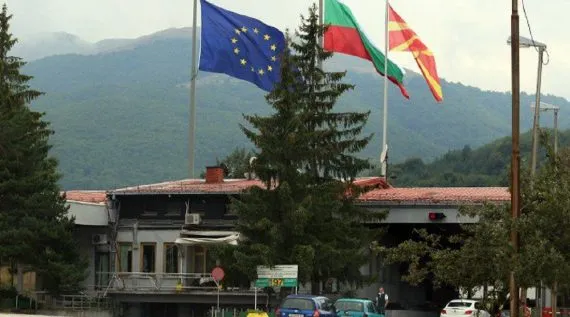
When an independent foundation changes its plan after one comment from official Sofia, how independent is it really?

Why does it take the threat of a protest to enforce a law that already exists? When regulation applies only...
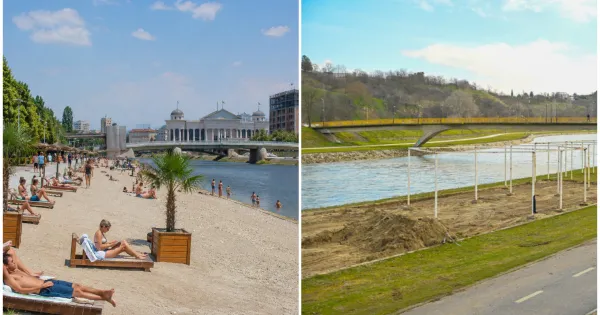
Announced in February, the beach probably won't be ready for this summer. Before the loungers and parasols, maybe it's worth...
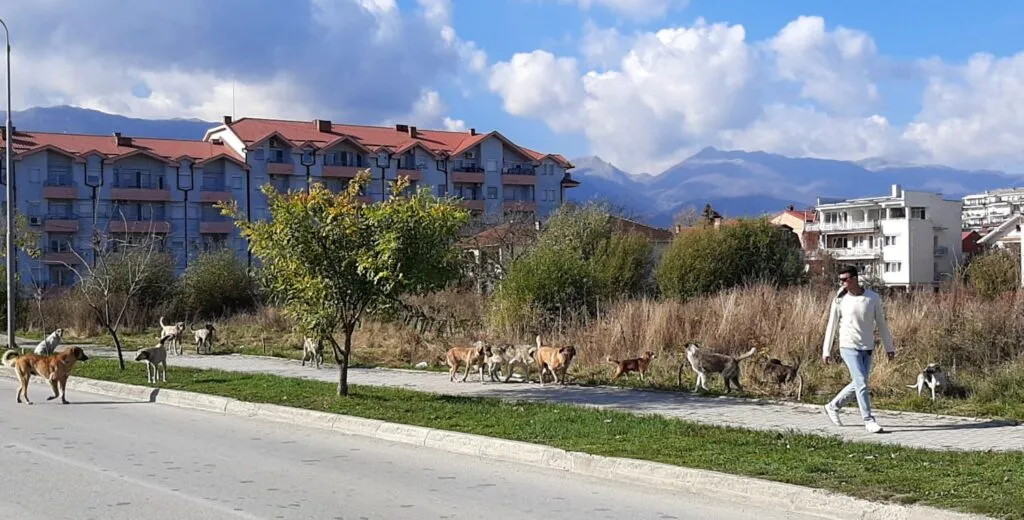
Half a million euros for a stray dog shelter. The strays won't disappear because one project was rejected - the...
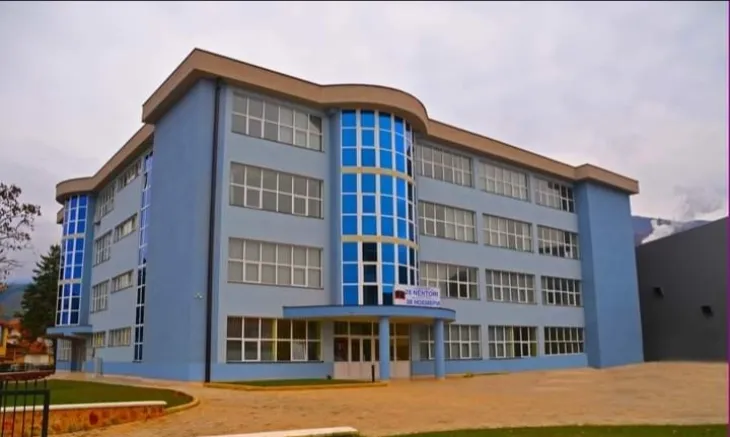
Last year 95 enrolled in the same round. When a gymnasium can't fill even a sixth of its places, that's...