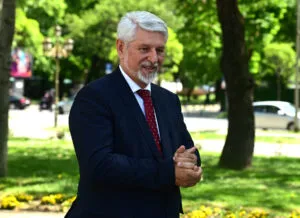
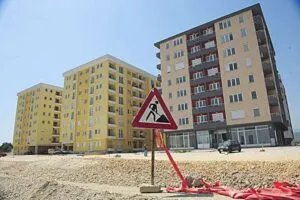
A New Criminal Complaint Against Jakimovski: A Building Permit Based on a Plan Struck Down Back in 2018
16.09.2026


16.09.2026

16.09.2026

16.09.2026
16.09.2026
16.09.2026

16.09.2026

16.09.2026

15.09.2026

14.09.2026

16.09.2026

16.09.2026

15.09.2026

16.09.2026

15.09.2026

14.09.2026

16.09.2026

16.09.2026

16.09.2026

16.09.2026

15.09.2026
15.09.2026

09.03.2026

27.02.2026

19.02.2026

16.09.2026

15.09.2026

14.09.2026

23.04.2026

23.04.2026

12.04.2026

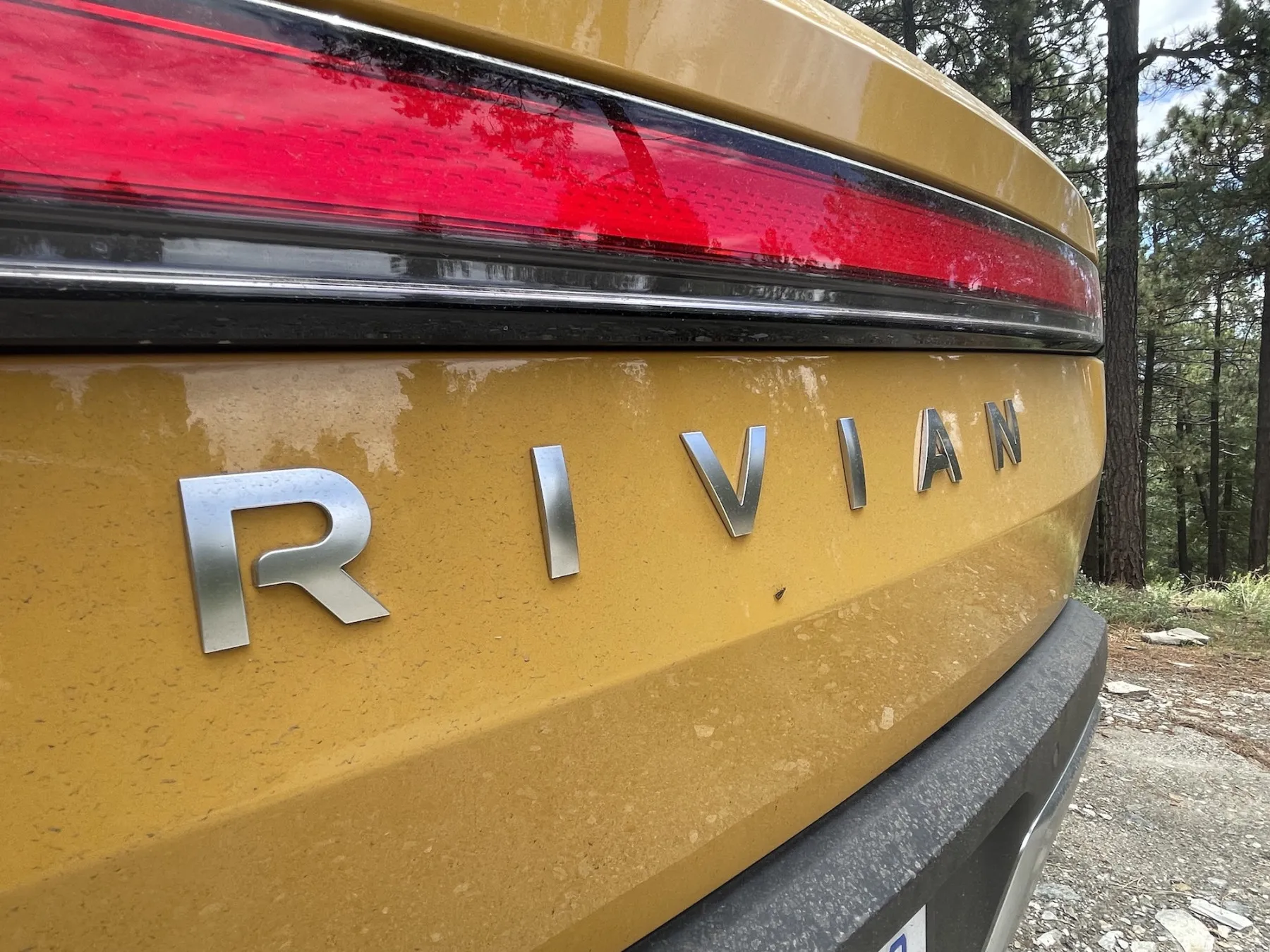
Owners of the electric pickup Rivian R1T and the SUV R1S have filed a class-action lawsuit against the company, claiming they were promised for years something it knew the vehicles wouldn't get - genuine hands-free driving.
According to the lawsuit, filed in a federal court in California, Rivian advertised across America for more than five years that the "Driver+" system would be standard in every vehicle and that the first generation of vehicles would be capable of Level 3 autonomy - driving with no hands on the wheel and no eyes on the road. The problem: the plaintiffs claim the company knew the first generation would never be capable of it, yet kept selling the promise. The lawsuit alleges fraud, misrepresentation and unjust enrichment.
It doesn't help that the second generation of vehicles, refreshed in 2024, really does get hands-free features - with 11 cameras, five radars and a computer ten times more powerful. That only confirms the plaintiffs' argument: the technology was possible, just not in the cars they had already paid for. First-generation buyers paid for a promise, and got hardware that, according to the lawsuit, could never fulfill it.
For a company that already paid 250 million dollars to settle a previous shareholder lawsuit, this isn't a good look. And it's not just a story about Rivian. The whole industry of electric and "self-driving" vehicles has for years been selling a future that keeps getting pushed to the next model, the next upgrade, the next year. The question this lawsuit opens is simple: how far can marketing promise something engineering can't deliver, without anyone being held to account?
The latest 10 news from this category
A researcher resigned saying the industry is gambling with our lives. A warning can be sincere and at the same...
It was free while the company wanted you to use the tool. Now that you are using it, the tariff...
Both services allowed reading posts with no ads, no tracking and no profile. After a legal letter from X, the...
A scientist at the same company puts the probability of human extinction above 10 percent within the next decade. The...

The president called in while the event was running, and the man who makes the chips answered that there would...
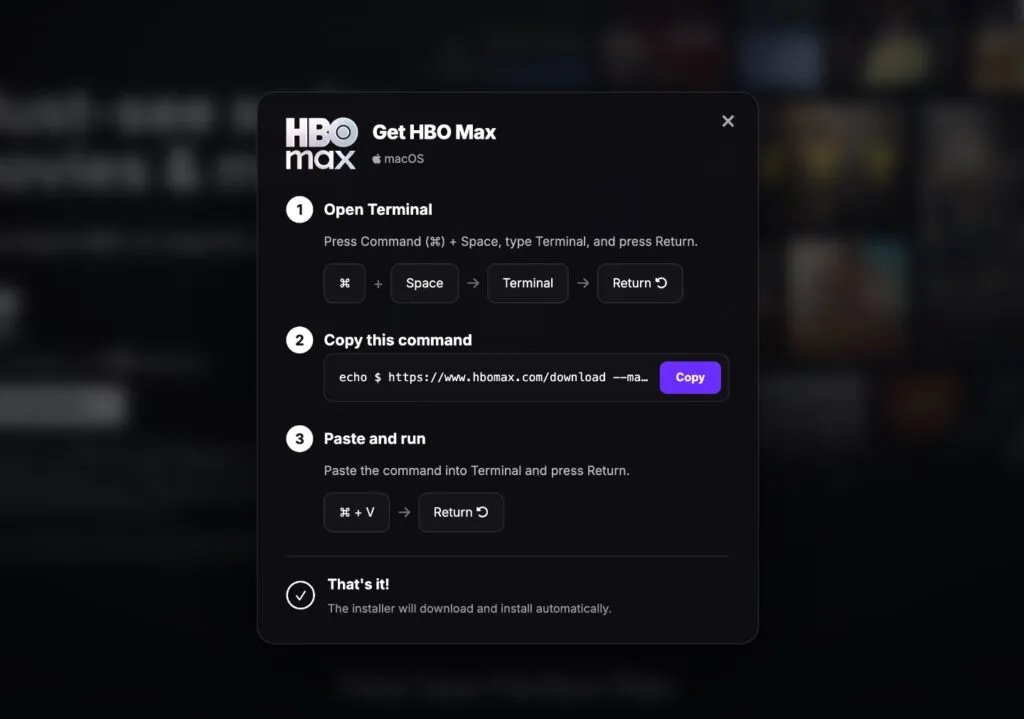
No virus attached, no suspicious file. Just a box that looks like the "I am not a robot" check and...

A researcher quit because the firms are gambling with our lives. Instead of denying it, Anthropic confirmed it - with...
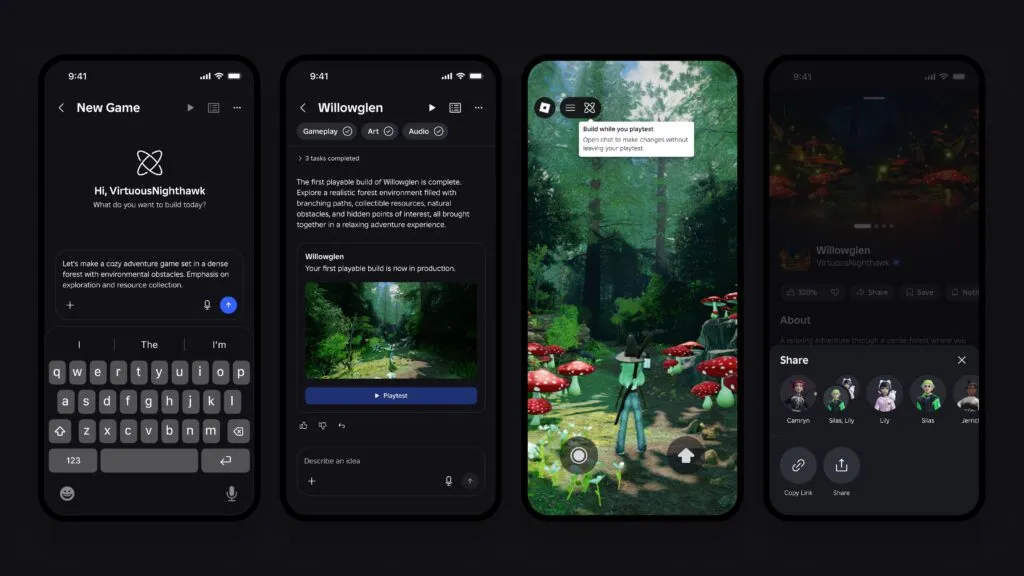
Write a sentence, get a game. Until now it worked only in New Zealand, now in Belgrade too. Creators on...

When the two biggest firms in an industry ask for rules on how fast anyone may run, the rules rarely...
Not a single password fell. What fell was the assumption that a request from a government domain is automatically a...
This site uses cookies - is that okay? Learn more
Be the first to know when Metla launches something new
Leave your email and we will write when there is a new guide or something new on Metla.