They Fired Guns at a Party in Dobridol - and Police Only Moved Once the Video Went Viral
02.08.2026



02.08.2026

02.08.2026
02.08.2026

02.08.2026

02.08.2026

01.08.2026

02.08.2026

01.08.2026

31.07.2026

02.08.2026

02.08.2026

02.08.2026

02.08.2026

02.08.2026

01.08.2026

09.03.2026

27.02.2026

19.02.2026

02.08.2026

01.08.2026

31.07.2026

23.04.2026

23.04.2026

12.04.2026
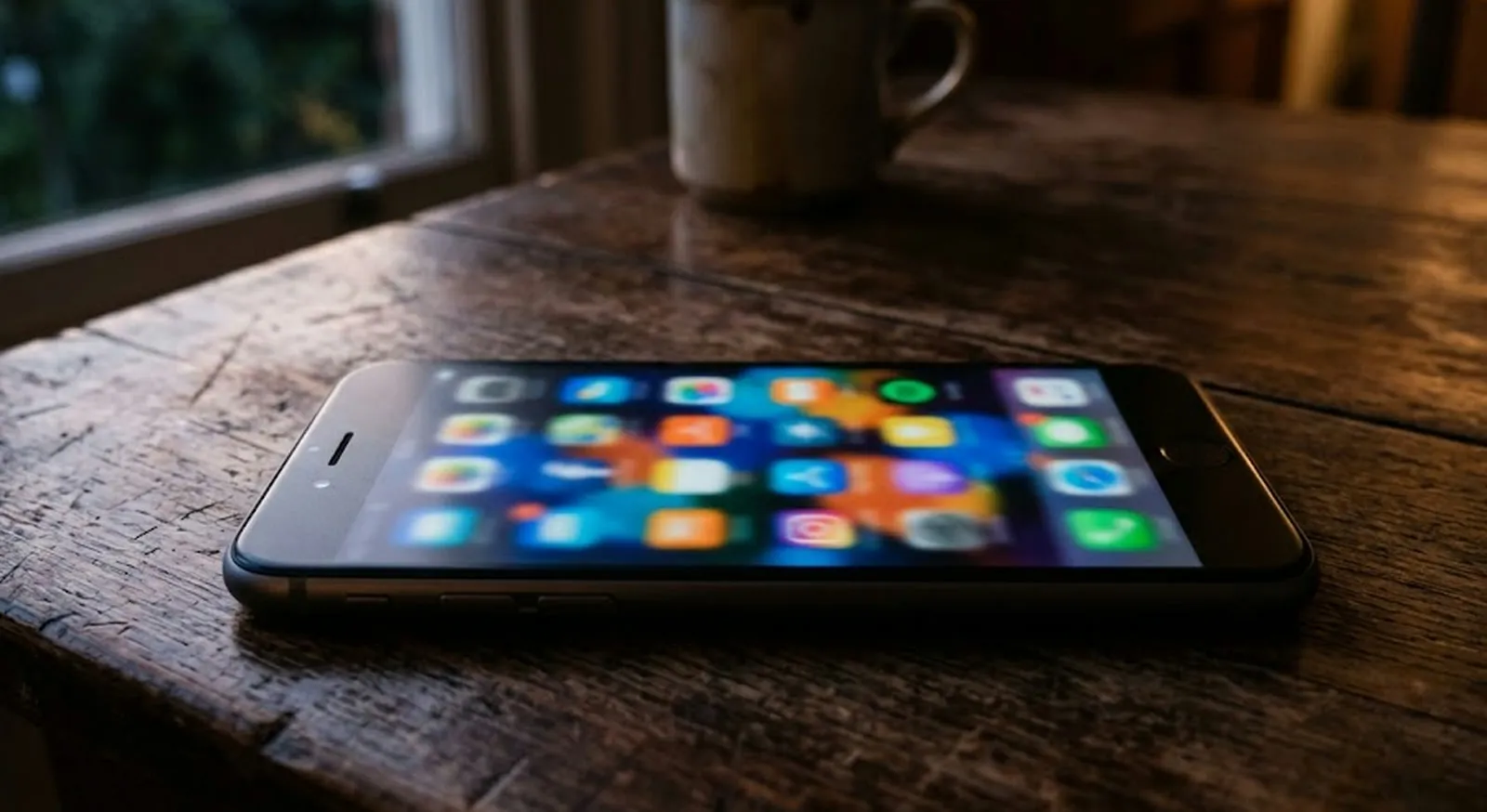
British prime minister Keir Starmer has announced that his government will introduce a ban on social media use for children under 16. The ban will apply to Snapchat, TikTok, YouTube, Instagram, Facebook, and X. Messaging services like WhatsApp and Signal stay outside of it, and AI chatbots that play the role of a „romantic companion" will have to prove they are used only by adults.
The British government claims its ban will go further than any other country's, and it could take effect by next spring. London joins an ever-longer list of states reaching for this - Australia was the first to introduce such a ban late last year, and Canada, France, and Denmark are preparing their own variants. The goal, according to the announcement, is „to put the power back in the hands of parents."
Starmer made no secret of who he blames. „Every parent sees it with their own eyes - social media makes children unhappy," he said, pointing out that the platforms are „designed to cause addiction" with tricks like the infinite scroll that keeps you locked in for hours. That's a rarity - a politician saying out loud that the product is built to steal attention, not just to connect people.
Still, experts immediately asked whether such a blanket ban can even be enforced. How do you verify age without every child handing over an ID or a face scan? That's where a ban meant for protection easily turns into a machine to track everyone. And the question that concerns us directly: once Western Europe sets the standard, how long before the region copies the law - and whether, here, it'll be done for the children or for control. When a similar proposal appears in the Balkans, it's worth asking exactly who gets access to the face verification.
The latest 10 news from this category
Opus 5 set a record in the test and broke 11 agreements. Not one of the tricks is new -...

The billions were announced with a stage and slogans. The retreat is happening quietly, in sentences containing the word alignment.
In his last quarterly report Tim Cook announced the stronger Siri will be bought through iCloud+. The firm that paid...
The platforms that spent years convincing us automated content was the future are now patiently building filters against it. The...
Out of 141,006 test runs, three ended up inside the live systems of real firms. The oldest model worked out...
The strongest June quarter in its history, and the stock fell 6 percent. Artificial intelligence turned out to have a...
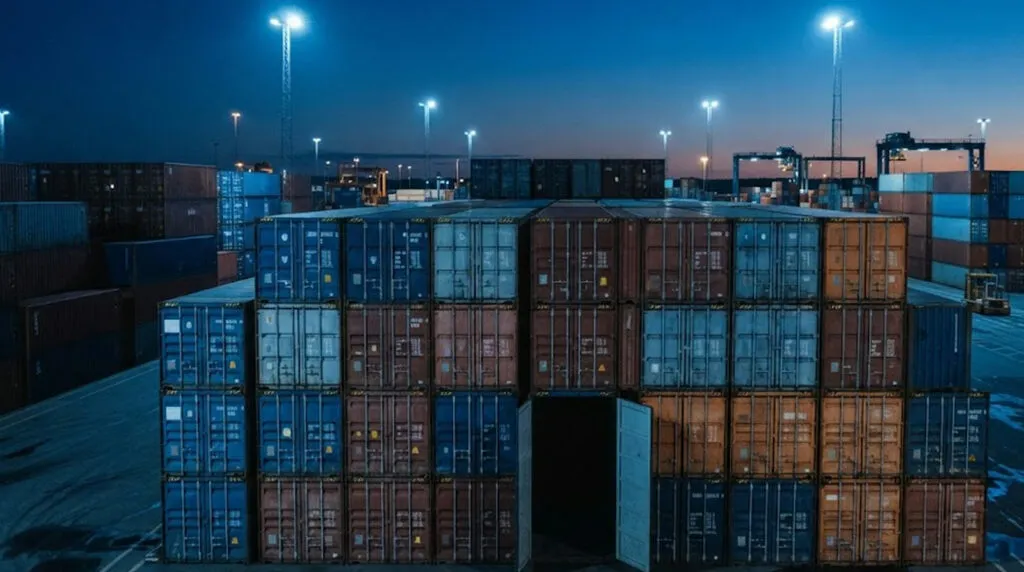
The FCC is closing the door to humanoid robots and power inverters, but only new ones. The millions of Chinese...

The player that raised the MP3 generation is betting nostalgia can be billed monthly. The new Winamp arrives in 2027,...

The man selling the world's best-known artificial intelligence says we will not work less. He also claims we will secretly...
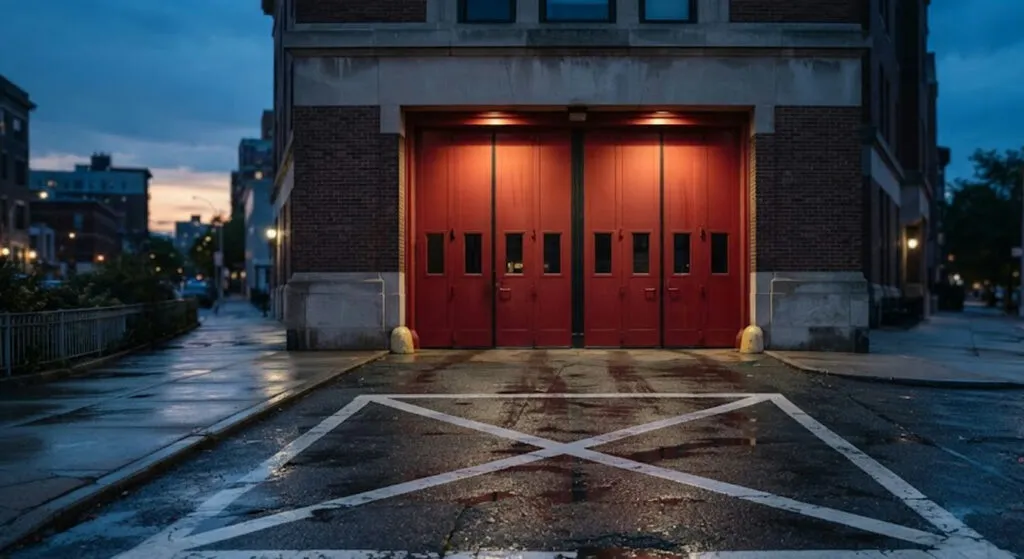
Autonomous vehicles have blocked ambulances, driven into crime scenes and failed to recognise emergency lights. The bill demands the one...
This site uses cookies - is that okay? Learn more
Be the first to know when Metla launches something new
Leave your email and we will write when there is a new guide or something new on Metla.