June 20 in Skopje: The Pride Parade Under the Slogan „Let Everyone Know" - A Route That Speaks Politically, Not Just Logistically
18.05.2026


18.05.2026
18.05.2026
18.05.2026
18.05.2026
18.05.2026
18.05.2026
18.05.2026
17.05.2026
16.05.2026

18.05.2026

18.05.2026

17.05.2026

18.05.2026

18.05.2026
18.05.2026
18.05.2026
17.05.2026
16.05.2026

18.05.2026

18.05.2026
17.05.2026

09.03.2026

27.02.2026

19.02.2026

14.04.2026
07.11.2025
07.11.2025

23.04.2026

23.04.2026

12.04.2026

Lukoil is seeking 3 billion euros in damages from Bulgaria. The lawsuit was filed through its Swiss trading subsidiary Litasco, and the accusation is heavy - that Bulgarian authorities, by appointing a special administrator over Lukoil's local operations, illegally seized control of the company's assets. For the region, this is a case that will define how Europe handles Russian corporate property in the sanctions era.
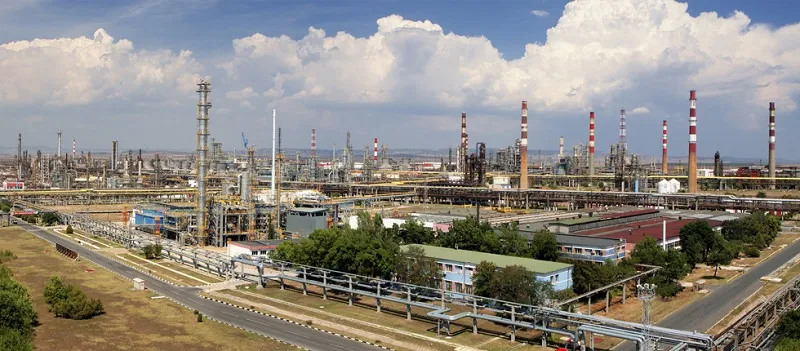
The context matters. Lukoil in Bulgaria owns the largest refinery in the Balkans - the one in Burgas. It runs 217 petrol stations. Annual turnover exceeds 8 billion euros - that's nearly 7% of Bulgaria's total GDP. And Lukoil's total investment in the country over 25 years is over 4.5 billion dollars. This isn't a small footprint - it's a structural piece of the Bulgarian energy sector.
The special administrator, Rumen Spetsov, said the „four Lukoil companies in Bulgaria are in a very good financial position". That means two things: first, that Lukoil has a real basis for the lawsuit - these companies weren't in deficit when they were „taken over". Second, that Bulgaria has an asset worth keeping. Parliament will decide whether the state will buy Lukoil's operations - Spetsov called it a „historic opportunity".
The sanctions angle is interesting. The Burgas refinery no longer receives Russian oil. The oil now comes from Libya, Iran, Kazakhstan and Azerbaijan, through recognised traders. Which means the operation technically works without Russian capital, but the management structure and the ownership structure remain Russian. That's a paradox the EU still hasn't solved for dozens of Russian companies across the region.
In a Balkan context, the question is - what if a Russian company gets 3 billion euros out of Bulgaria? The money can't be paid out in Moscow without breaking through the sanctions regime. The money can land in accounts in a neutral state. But that's also a process that drags political costs. If the court upholds the suit, the EU will have to define how it treats Russian corporate claims in an era when Moscow is at war with an EU member.
The latest 10 news from this category
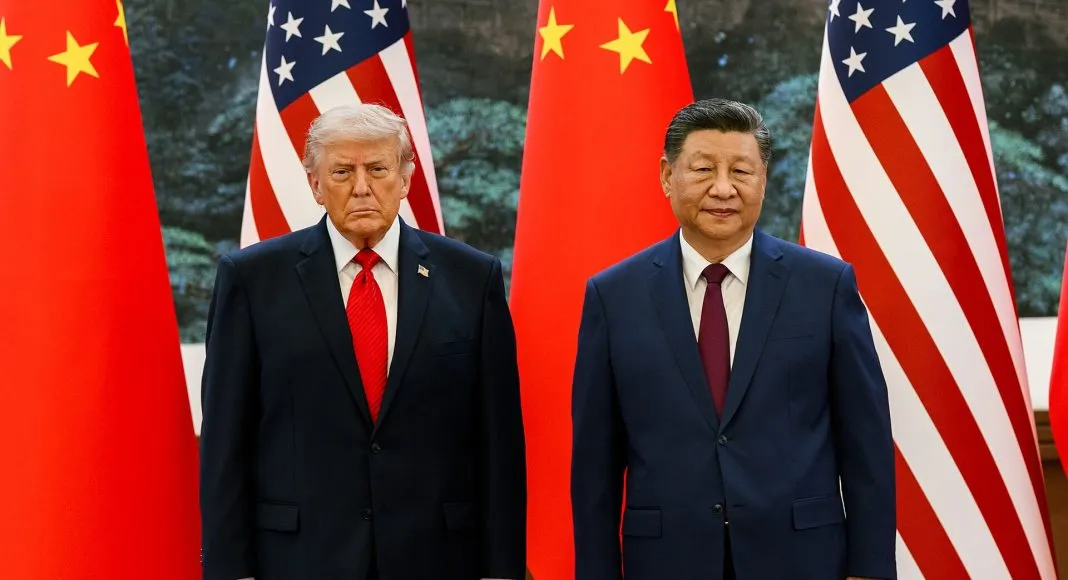
The deal between Beijing and Washington covers agricultural soy, aircraft, rare earths and two new institutional bodies. For Boeing it's...
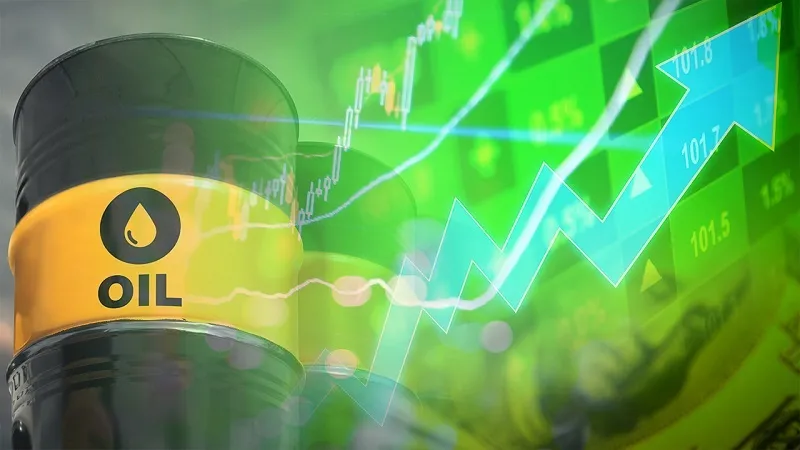
Oil prices are back over 110 dollars a barrel, up 7 percent in a week. The Strait of Hormuz is...
Five companies from Silicon Valley have a bigger market capitalisation than the five biggest European economies combined. That's the picture...

The largest open repository for scientific papers has drawn the line: hallucinated citations and forgotten chat-bot comments now cost you...

The AI chip company that nearly went bankrupt in 2019 just IPO'd at a 60 billion dollar valuation. It's a...
Closing arguments in California expose the AI industry's biggest crack: not a single one of its leaders has unquestioned authority...
20 percent of the world's oil passes through Hormuz, and in Macedonia, with no alternative strategy, pump prices could hit...
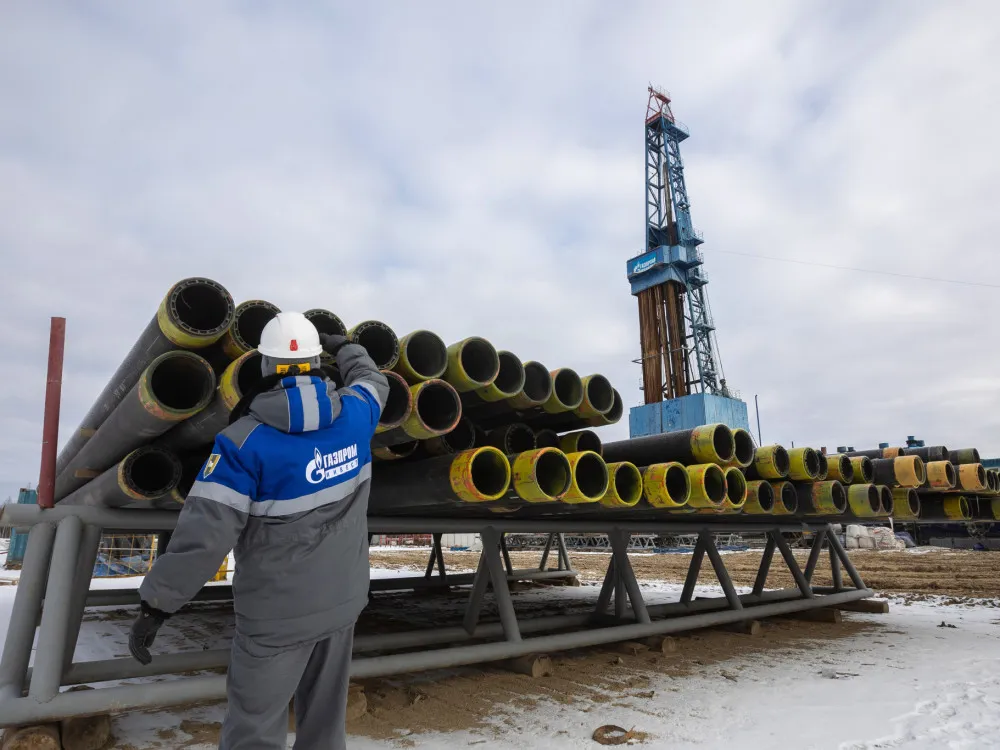
Oil already at 105 dollars, and if the Strait of Hormuz stays closed for a few more weeks, the Balkan...
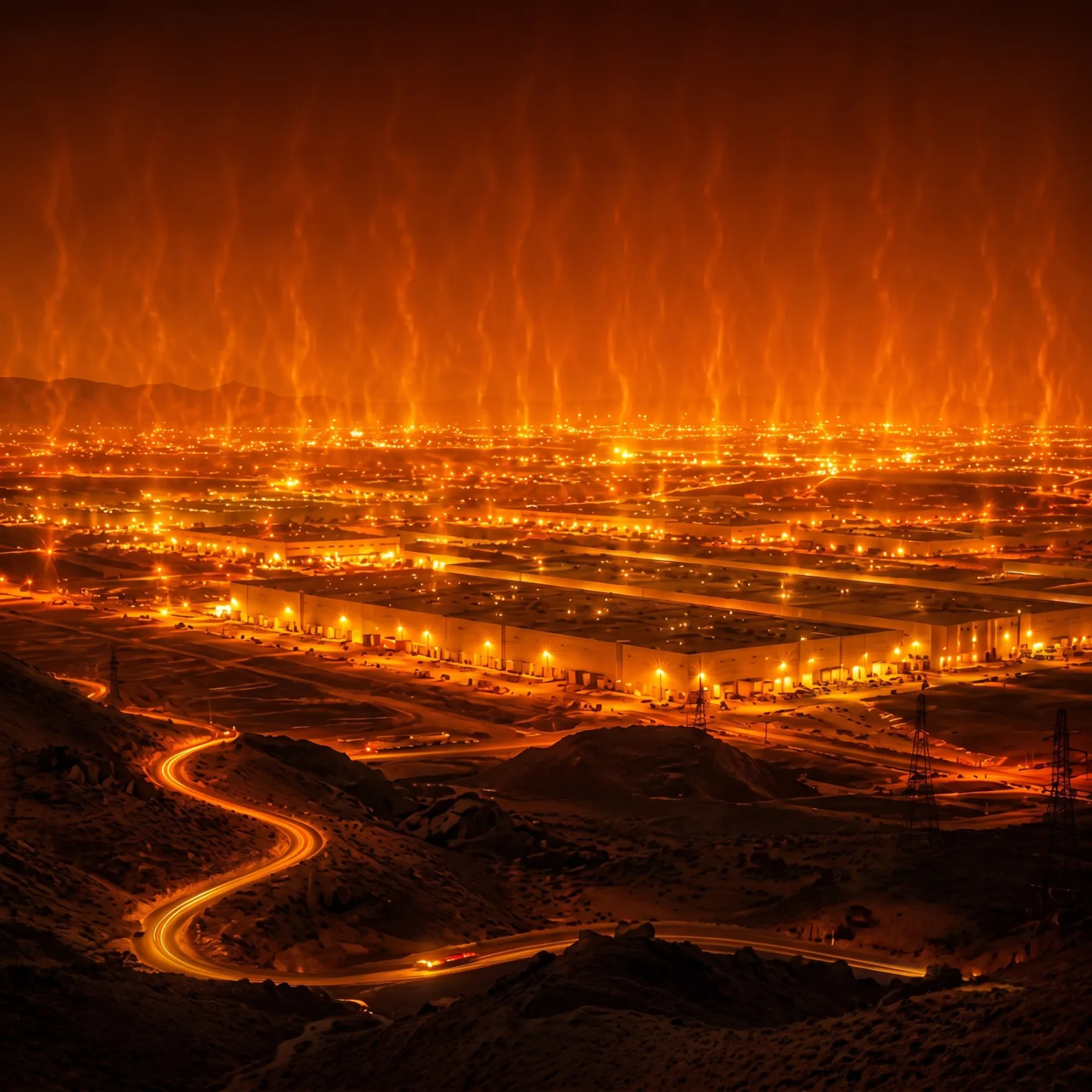
Kevin O'Leary's Stratos will raise daytime temperatures by 2.8 degrees and night-time by 15.5 - and the Croatian Pantheon, nine...

Through the Plaid integration, subscribers can link Schwab, Fidelity, Chase - 200 million people are already asking ChatGPT about money.