
The "Lottery" Trial: 231 Pieces of Evidence, and So Far Not a Single Message Between Grubi and Bajrami
24.09.2026


24.09.2026

24.09.2026

24.09.2026

24.09.2026

24.09.2026

24.09.2026

24.09.2026

23.09.2026

22.09.2026

24.09.2026

24.09.2026
23.09.2026

24.09.2026

24.09.2026

24.09.2026
24.09.2026
23.09.2026
22.09.2026
24.09.2026

24.09.2026

24.09.2026

24.09.2026

23.09.2026
23.09.2026

09.03.2026

27.02.2026

19.02.2026

24.09.2026
23.09.2026

22.09.2026

23.04.2026

23.04.2026

12.04.2026

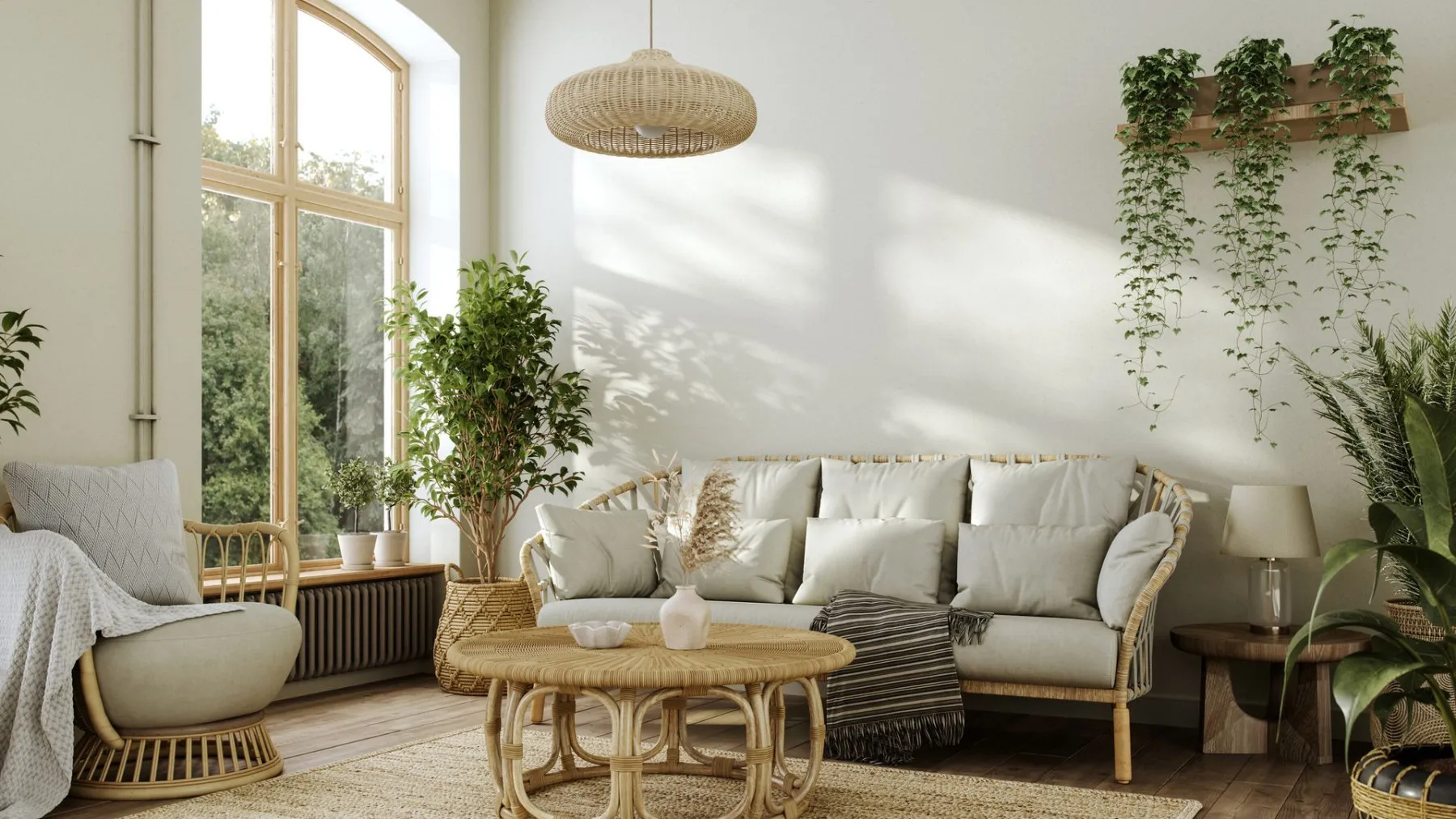
The term „biophilic design" sounds like something invented by an architect who doesn't know what to offer next. But it has a specific root - the scientist Edward O. Wilson proposed the theory of „biophilia" back in the 1980s: that humans have an innate need to be in contact with nature. Now, forty years later, that theory is turning into a design practice steadily moving into homes across Europe.
Why now? The pandemic, as experts explain, accelerated the process. When people were closed inside four walls in 2020 and 2021, it became dramatically clear how much we need windows onto greenery, natural materials and sunlight. Biophilic design isn't new - but it is going mass-market.
The main ingredient: living greenery. Not painted flowers or plastic plants, but real ones. Experts recommend the fiddle-leaf fig, the „peace lily" (Spathiphyllum), and the „snake plant" (Sansevieria) - three plants that rarely die in the hands of neglectful owners. They look fine in almost any light condition. „Passive biophilia" - the syndrome of too little nature - eases up even with three plants per room.
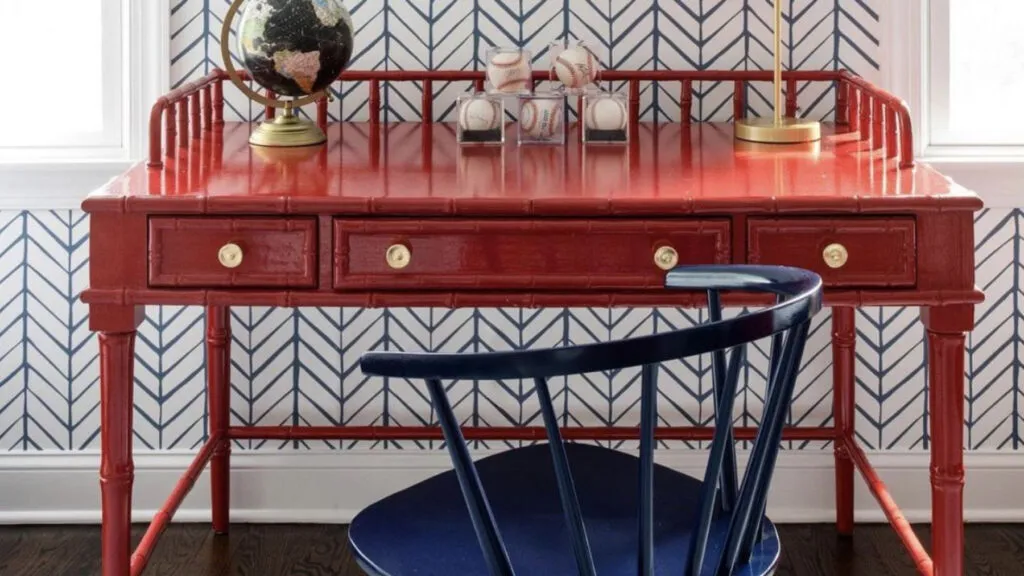
But greenery isn't everything. In homes with no windows onto a park, experts suggest visual alternatives: murals with landscape motifs, wallpaper with botanical prints, photographs with nature themes - not symbolic, but literal. The brain responds to „greenery in the frame" even when it knows it's an image. Evolutionarily, we're still people looking for a forest.
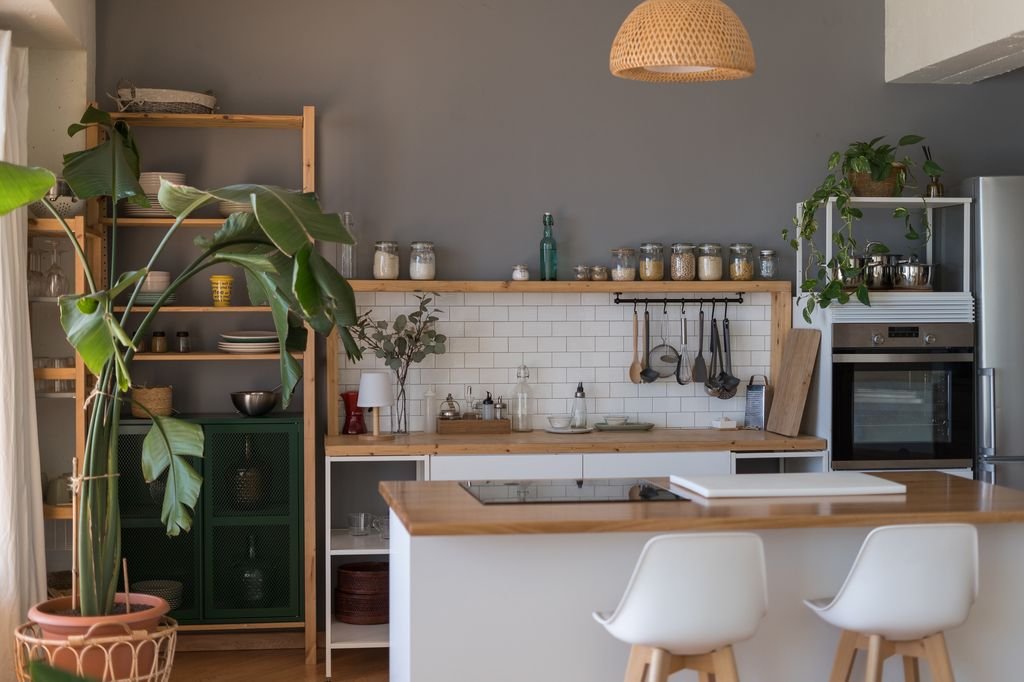
Natural materials - that's the third pillar. Wooden floors, not laminate. Walls with stucco or lime wash, not a flat latex paint. Textiles in linen, cotton, wool. Furniture in open wood, not laminated MDF. It isn't only an aesthetic - it's a tactile experience. If you run a hand across an oak table next to the same table with a plastic finish, the brain responds differently. Not at a conscious level - on something less easy to articulate.
On a balcony or terrace, biophilic design continues with vertical gardens - hanging plants along the walls that don't take horizontal space. That's especially useful in cities like Skopje, Sofia or Zagreb, where small flats with narrow balconies leave no room for floor pots but do leave room along the walls.
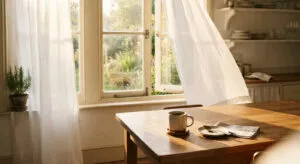
Other principles: organic forms (furniture with curved lines instead of straight edges - mirrors with a „pool" shape, chairs with woven seats, beds with rounded headboards), a nature colour palette (from sky-blue to earth tones - less pure white and grey), and maximum natural light (which sometimes means removing heavy curtains).
„Classic curtains can give a feeling of density," says Natalija Zubisareta, an interior designer. „By contrast, blinds carry order and calm." A small dilemma for every European family: does the curtain inherited from the 1990s still have its place - or is it time for a roller blind?
The sensory experience as a whole is what makes biophilic design different from ordinary „minimalism with plants". It's a design that engages all five senses - sound (water or a fan), smell (freshly cut plants), touch (natural fabrics), taste (herbs and spices in the kitchen), and sight (greenery, light, forms). And, obviously - sustainability. Architecture and interiors that last and have a minimal carbon footprint.
For many in the Balkans, this isn't a new concept. It's what our grandmothers always had - a wooden table, woven baskets, plants in the window, woven rugs, herbs for tea from their own garden. Biophilic design is, in a sense, just a modern version of the life lived 80 years ago. Those who had it - didn't know they'd given it a name. Those losing it - are now buying it back as a „trend".
The latest 10 news from this category
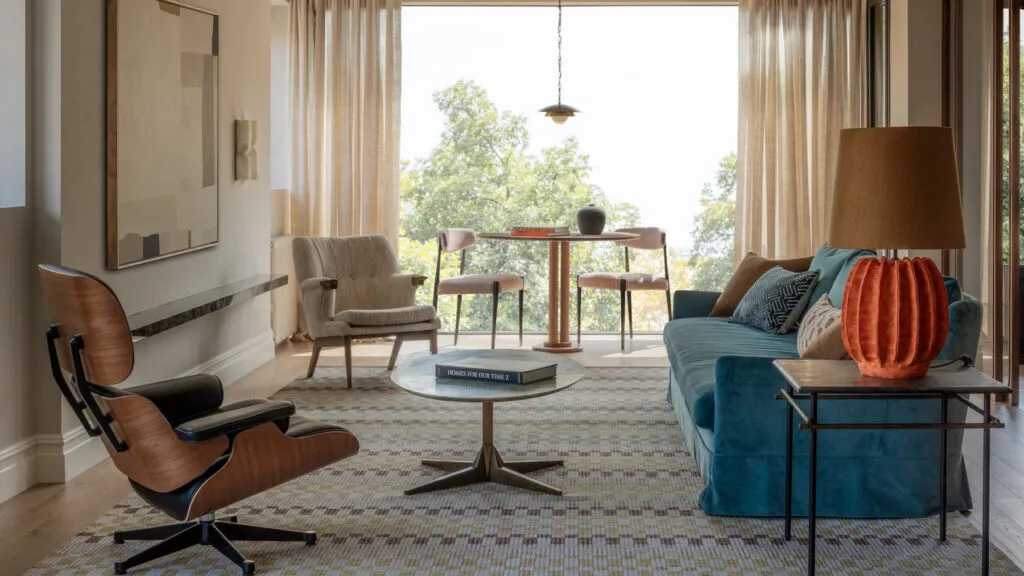
Luxury isn't about showing off, it's about detail, says the architect. That's why the best light in this flat went...
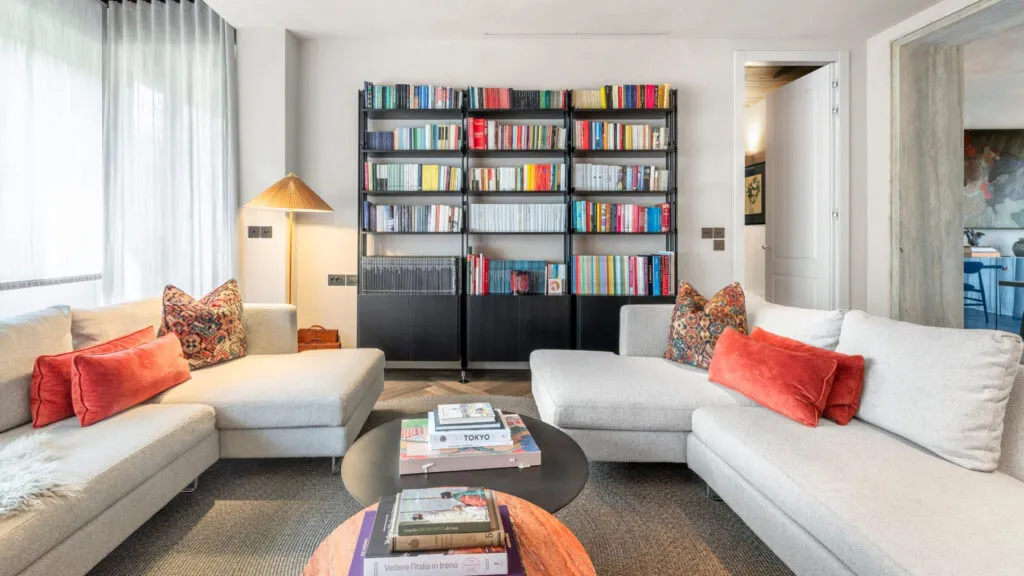
The exposed brick and ribbon windows stayed, and the entire palette came out of a single painting above the sideboard....

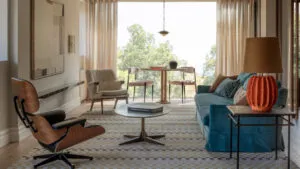
An Eames lounge chair from 1956, a Fratini shelving unit and a concave cobalt mirror that reflects the room curved....
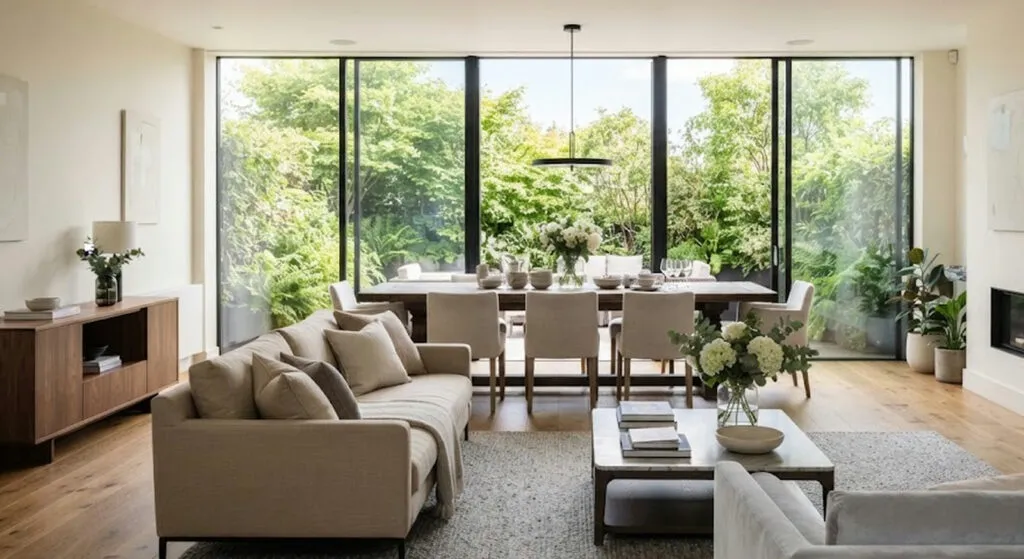
Four bedrooms, four bathrooms and one rug that keeps the dining area separate without a wall. Three things in this...
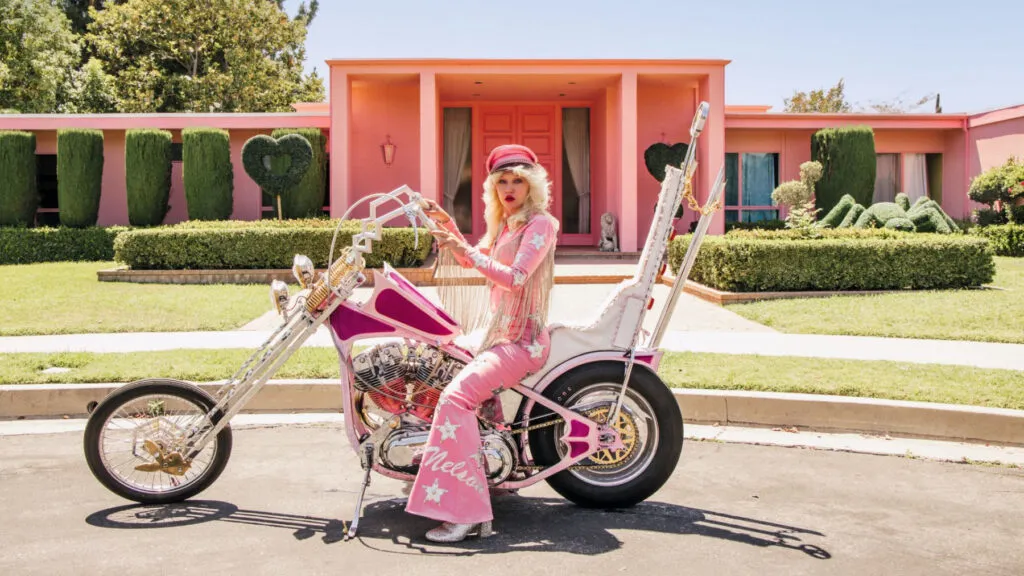
She did not decorate a house - she built a world. And behind all that fantasy there is no inheritance,...
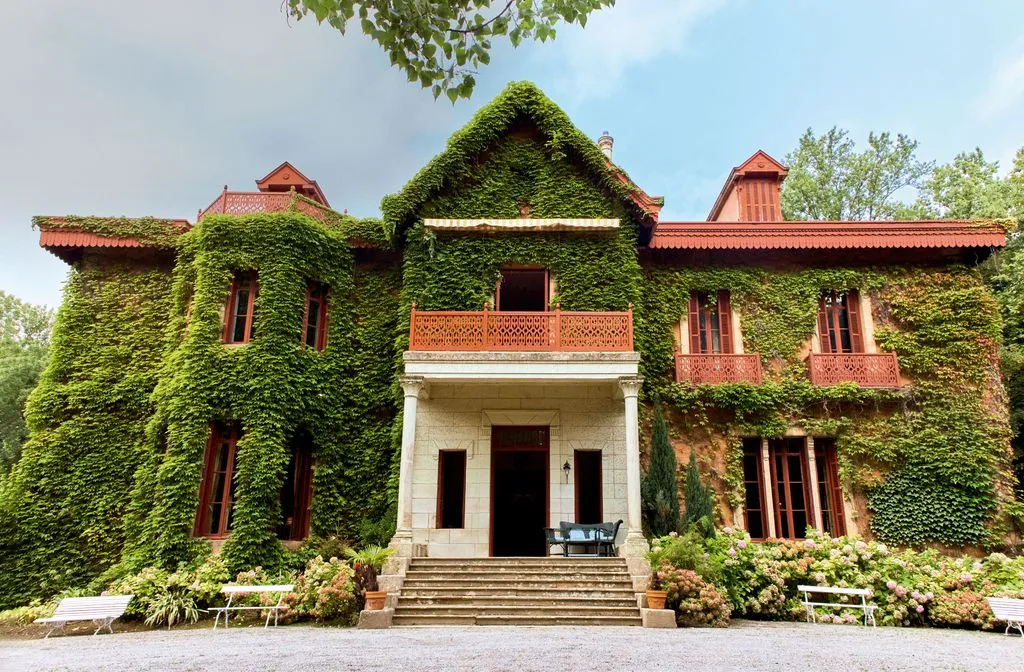
The stairwell has been turned into a gallery, and in the bedroom there is not a single attempt at an...

In the vast majority of flats the ceiling stays white because that is how it was found - not because...
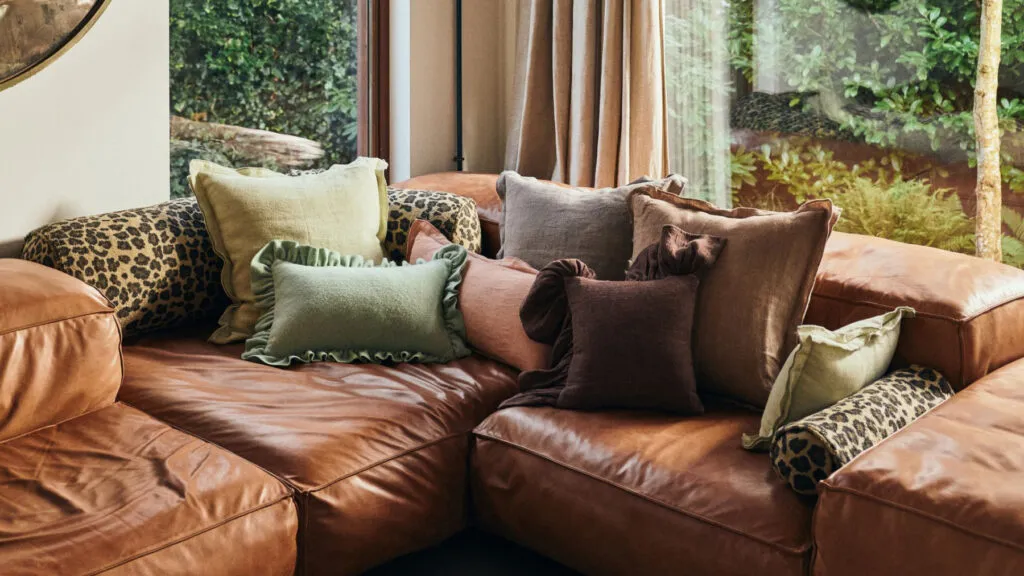
It is not hoarding and it is not maximalism. Ten things that used to be hidden when guests came and...
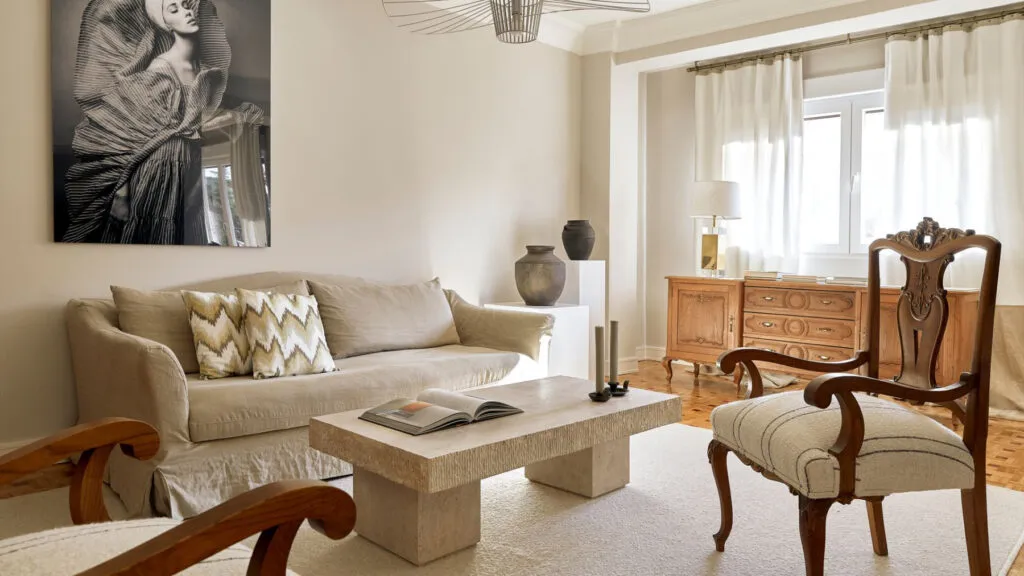
A bespoke console, reupholstered armchairs and wallpaper hung like art. The most expensive thing in the flat is the decision...
For years the rule was everything neutral and everything from the same collection. The result is a living room that...
This site uses cookies - is that okay? Learn more
Be the first to know when Metla launches something new
Leave your email and we will write when there is a new guide or something new on Metla.