June 20 in Skopje: The Pride Parade Under the Slogan „Let Everyone Know" - A Route That Speaks Politically, Not Just Logistically
18.05.2026


18.05.2026
18.05.2026
18.05.2026
18.05.2026
18.05.2026
18.05.2026

18.05.2026

17.05.2026

16.05.2026
18.05.2026
18.05.2026
17.05.2026

18.05.2026

18.05.2026

18.05.2026

18.05.2026
17.05.2026

16.05.2026

18.05.2026
18.05.2026
17.05.2026

09.03.2026

27.02.2026

19.02.2026

14.04.2026
07.11.2025
07.11.2025

23.04.2026

23.04.2026

12.04.2026

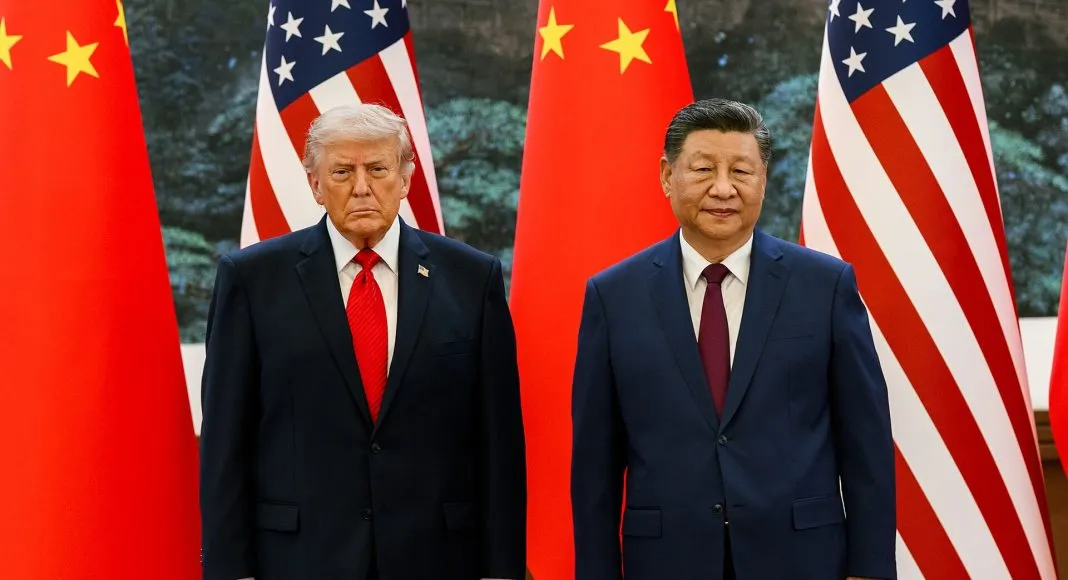
The White House has confirmed a major trade agreement with Beijing, and Trump boasted of a „monumental" arrangement. China will buy 200 Boeing aircraft, commit to buying 17 billion dollars a year in American agricultural products through 2028, and open its market to American beef after years of closure. For regional readers, this is a big story - with many layers.
The agricultural side is more interesting than the headline figure. It covers 25 million tonnes of soy a year, a quantity that reflects strategic dependence, not market logic. And it restores imports from over 400 American meat plants previously locked out of the Chinese market. For American farmers, that's money in the bank. For the White House, those are arguments for the next election.
For Boeing, 200 aircraft - that's salvation. The company has had the worst five years in its history - two major crashes, safety investigations, production problems, and a slump in orders. Chinese orders were the last lever for getting out of the financial mess. Now those orders are coming, and with them comes a demand - the US must supply engines and components for domestic production in China. That's a trade deal with technology transfer baked in. Strategically, it's not harmless.
And here's the interesting bit. At the same time, part of the deal involves an agreement on rare earths and critical minerals - yttrium, scandium, neodymium, indium. These are raw materials without which modern electronics or EV batteries cannot be built. China holds a near-monopoly. It's now committing to address American „supply chain problems". What that means in practice - the technical implementation will show.
The deal also sets up two new institutional bodies: the US-China Trade Council and the US-China Investment Council. These are structures meant to manage the ongoing relationship between the world's two largest economies. That's diplomatic infrastructure that had been falling apart. Now China and the US are rebuilding it - not as friends, but as people in a room with contracts that need signing.
For Europe, and for the Balkans, this is a mixed signal. On one hand, stabilising relations between the US and China means greater predictability for global markets. On the other, it means Europe is being left out of the biggest deals. The EU internally debates its market, its factories, its strategies - but implementation always arrives late. The deals get done in a world without Brussels. And that's neither good, nor does it lead anywhere especially meaningful.
The latest 10 news from this category
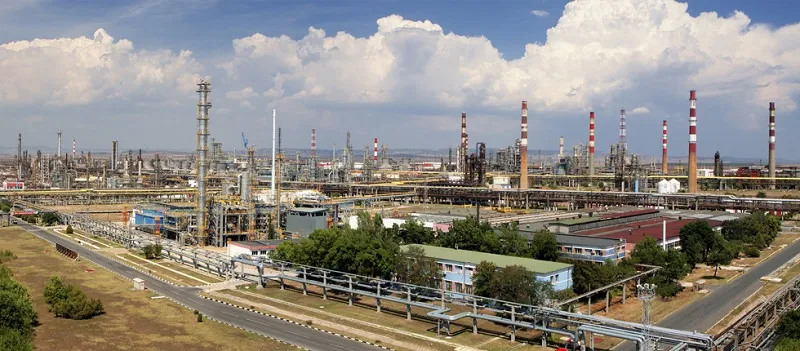
The Russian oil giant is suing Bulgaria for 3 billion euros over the takeover of its local operations. This isn't...
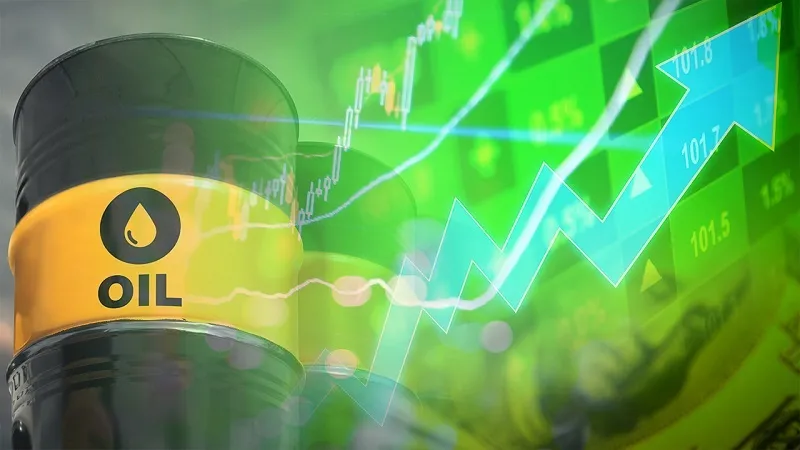
Oil prices are back over 110 dollars a barrel, up 7 percent in a week. The Strait of Hormuz is...
Five companies from Silicon Valley have a bigger market capitalisation than the five biggest European economies combined. That's the picture...

The largest open repository for scientific papers has drawn the line: hallucinated citations and forgotten chat-bot comments now cost you...

The AI chip company that nearly went bankrupt in 2019 just IPO'd at a 60 billion dollar valuation. It's a...
Closing arguments in California expose the AI industry's biggest crack: not a single one of its leaders has unquestioned authority...
20 percent of the world's oil passes through Hormuz, and in Macedonia, with no alternative strategy, pump prices could hit...
Oil already at 105 dollars, and if the Strait of Hormuz stays closed for a few more weeks, the Balkan...

Kevin O'Leary's Stratos will raise daytime temperatures by 2.8 degrees and night-time by 15.5 - and the Croatian Pantheon, nine...
Through the Plaid integration, subscribers can link Schwab, Fidelity, Chase - 200 million people are already asking ChatGPT about money.