
The "Lottery" Trial: 231 Pieces of Evidence, and So Far Not a Single Message Between Grubi and Bajrami
24.09.2026


24.09.2026

24.09.2026

24.09.2026

24.09.2026

24.09.2026

24.09.2026

24.09.2026

23.09.2026

22.09.2026

24.09.2026

24.09.2026
23.09.2026
24.09.2026

24.09.2026

24.09.2026
24.09.2026
23.09.2026
22.09.2026

24.09.2026

24.09.2026

24.09.2026

24.09.2026

23.09.2026
23.09.2026

09.03.2026

27.02.2026

19.02.2026

24.09.2026

23.09.2026
22.09.2026

23.04.2026

23.04.2026

12.04.2026


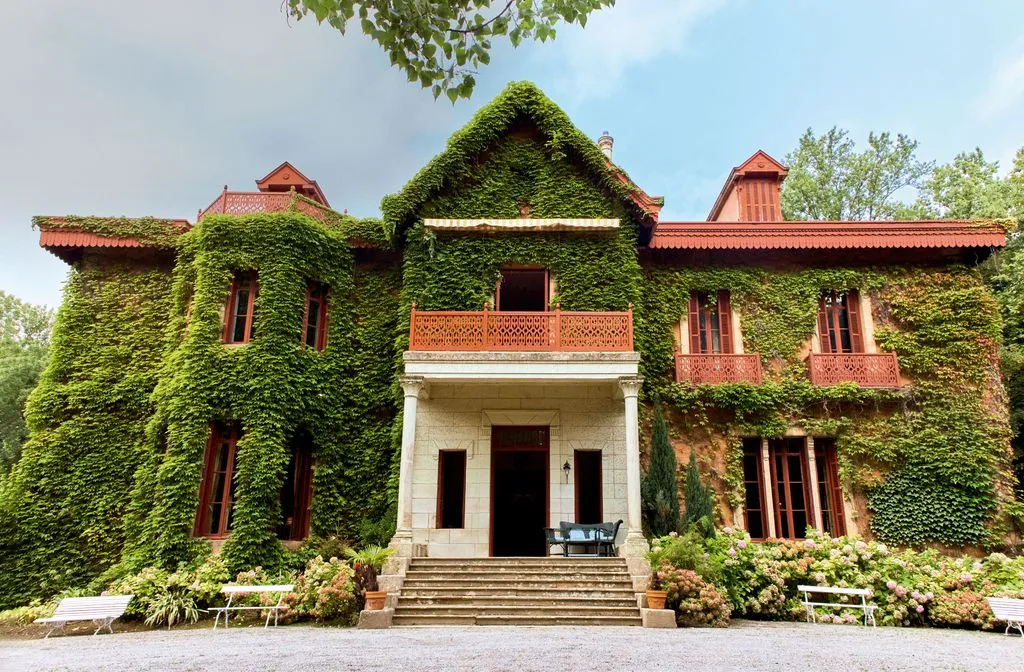
Thirty-one years after her death, Lola Flores's home is still being retold like an old theatre set. "El Lerele" - a 626 sqm house on 2,000 sqm of grounds in La Moraleja, Madrid's most exclusive area - was more than an estate. It was the epicentre of a whole world: flamenco legends, artistic families, and three decades of music, feasts and photographs still kept in albums.
The property was sold in 1998 for 1,995,000 euros, four years after Lola's death in 1994. It was bought by "somebody from showbiz", according to Spanish sources. But the architecture stayed: with a double-pitch roof, dark tiles, wooden columns giving rustic warmth, and a soft Mediterranean signature that neither the brocade nor the marble of the eighties could erase.
Inside - five bedrooms, seven bathrooms, a large salon, a modern kitchen looking onto the garden, a spacious dining area. Furniture? Louis XV and Chippendale, French style - carved wooden lines, damask with large floral motifs, fastened with old bronze nails. Shelves like small galleries: trophies, medals, religious objects, family photographs. A clock with cobalt-blue enamel and bronze detailing in the Louis XV manner - the centrepiece. And a Persian rug in pomegranate and ochre, with geometric patterns giving the floor its colour.
The garden was the heart of the house. Two thousand square metres of landscape - large trees, trimmed bushes, a pool visible from all sides, and a covered terrace where Lola and her family threw parties with the Chamorro sisters and with Antonio Carmona. That was the Spanish music world in her own circle: feast and guitar, no cameras and no agents.
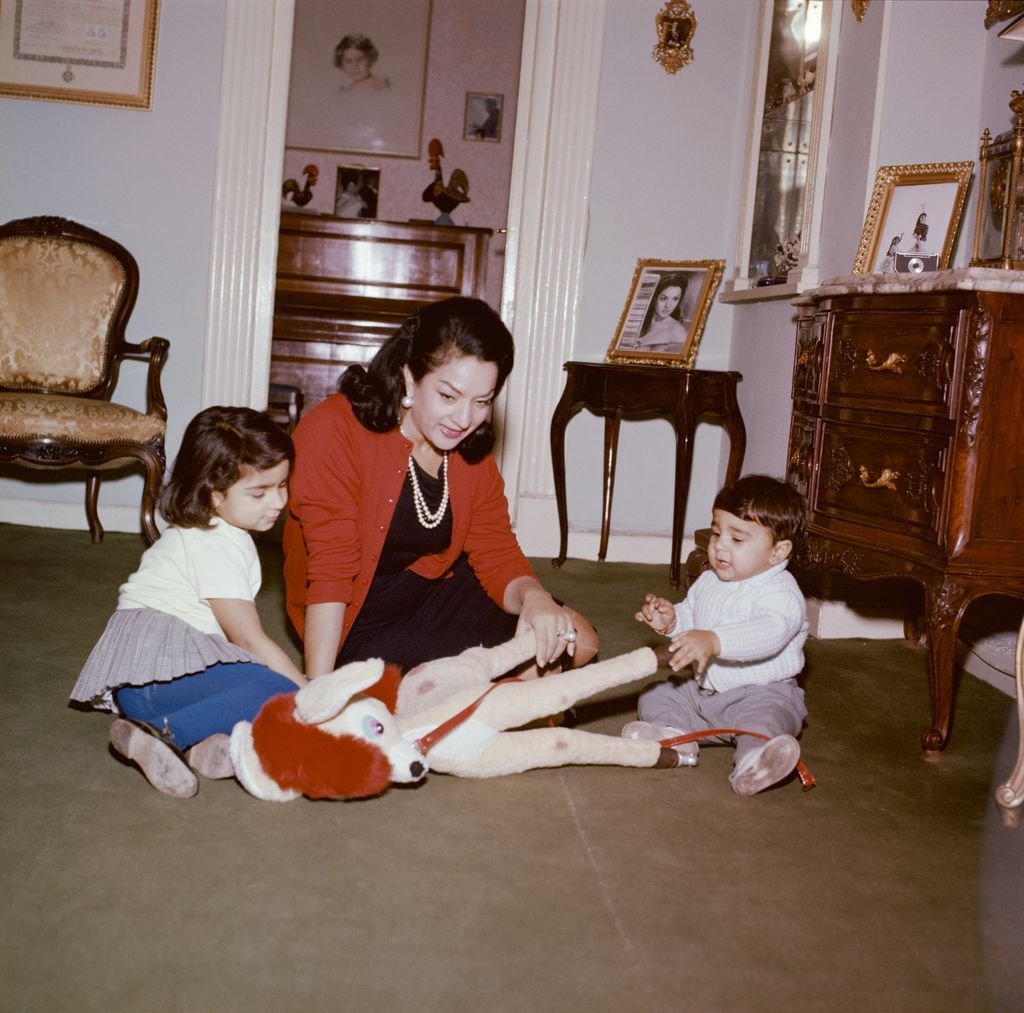
Inside, looking at the old family photographs, the picture says everything - Lola with the children, gilt frames on the wall, armchairs in gold, and a silence beneath the chandelier.
The most emotional building on the property wasn't the main house. It was the small wooden cabin of about 70 sqm that Lola commissioned to be built for her son Antonio Flores. One room, a bedroom, a bathroom - and all of it wrapped in bohemian: wooden walls, personal collages, photographs that inspired him to write songs. Antonio died fifteen days after his mother - in the same place, in 1995.
That's why El Lerele isn't just a house. It's the place where a Spanish century of music walked in and didn't walk out. The documentary "Flowers for Antonio", directed by granddaughter Alba, closes on that note: not a house, but a "warm home - more than anything", as she writes about it.
For Balkan readers, who by definition understand what an "old family home" means, the El Lerele story resonates differently. It isn't lifestyle porn for the rich. It's a reminder that even the biggest public figures want something concrete at the end of their lives - a noisy home, a big dining table, a child sitting on the floor drawing. No cameras. No agents. And a "private" stamp over everything.
The latest 10 news from this category
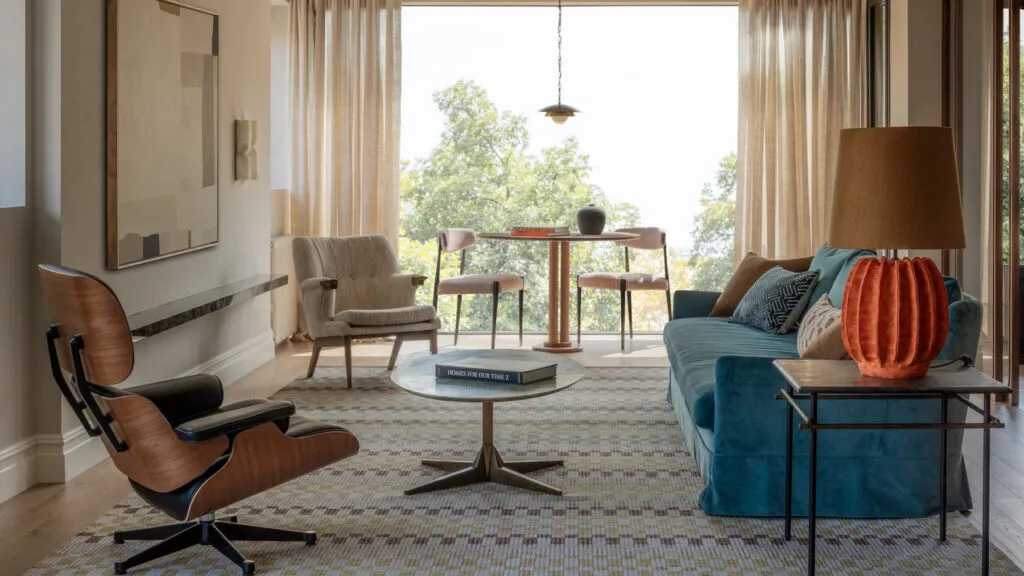
Luxury isn't about showing off, it's about detail, says the architect. That's why the best light in this flat went...
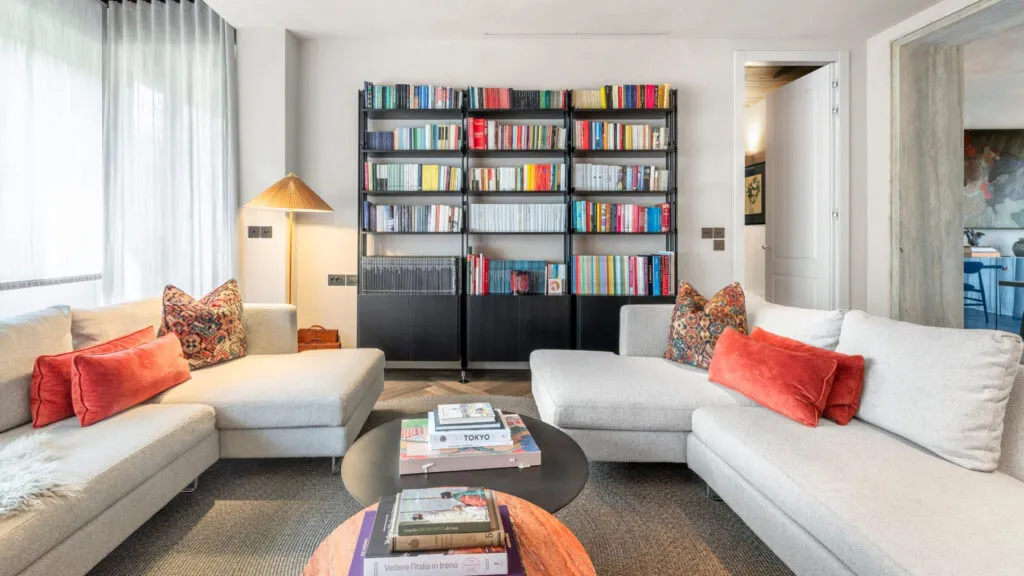
The exposed brick and ribbon windows stayed, and the entire palette came out of a single painting above the sideboard....

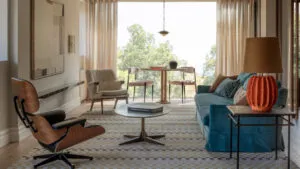
An Eames lounge chair from 1956, a Fratini shelving unit and a concave cobalt mirror that reflects the room curved....
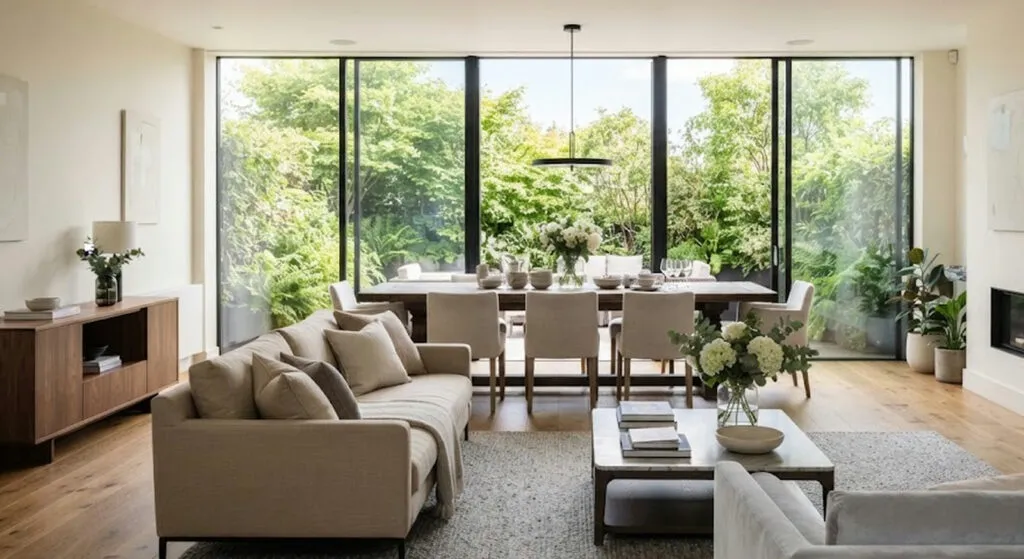
Four bedrooms, four bathrooms and one rug that keeps the dining area separate without a wall. Three things in this...
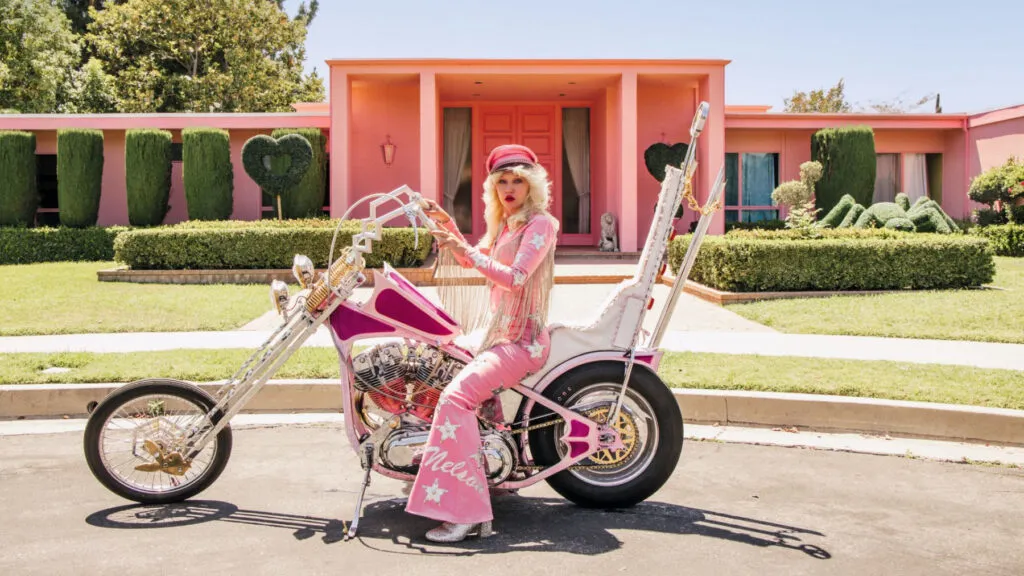
She did not decorate a house - she built a world. And behind all that fantasy there is no inheritance,...
The stairwell has been turned into a gallery, and in the bedroom there is not a single attempt at an...

In the vast majority of flats the ceiling stays white because that is how it was found - not because...
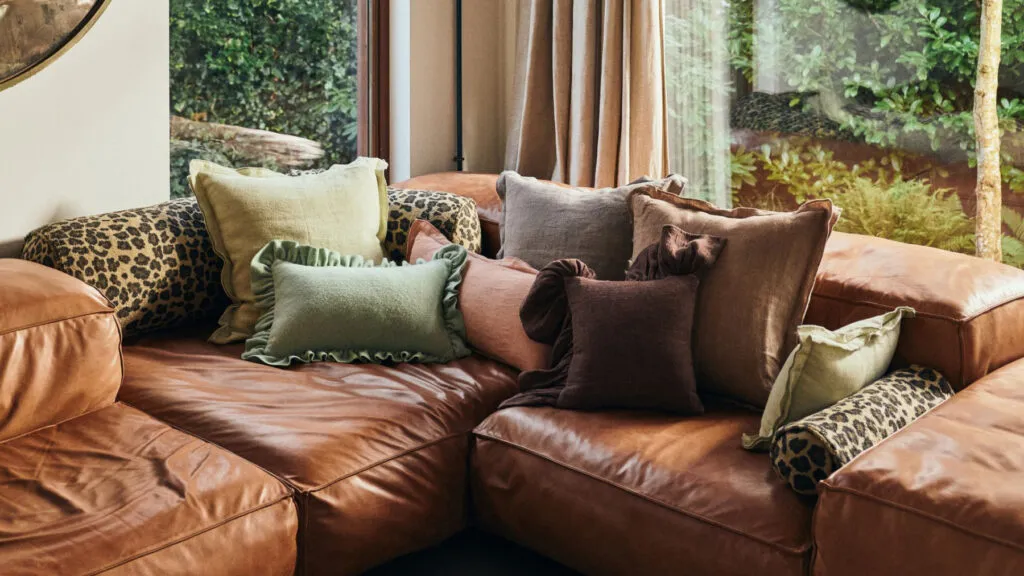
It is not hoarding and it is not maximalism. Ten things that used to be hidden when guests came and...
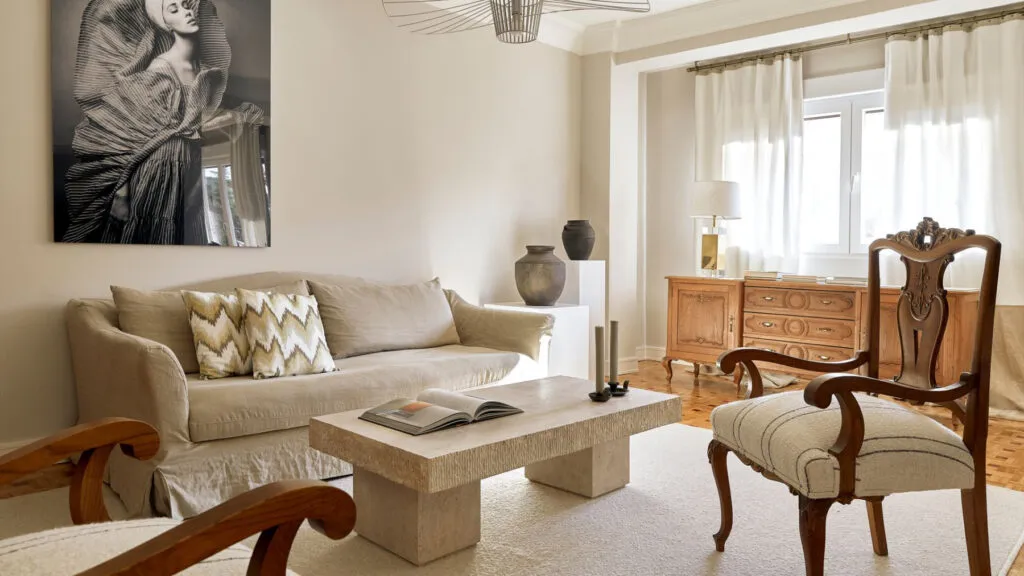
A bespoke console, reupholstered armchairs and wallpaper hung like art. The most expensive thing in the flat is the decision...
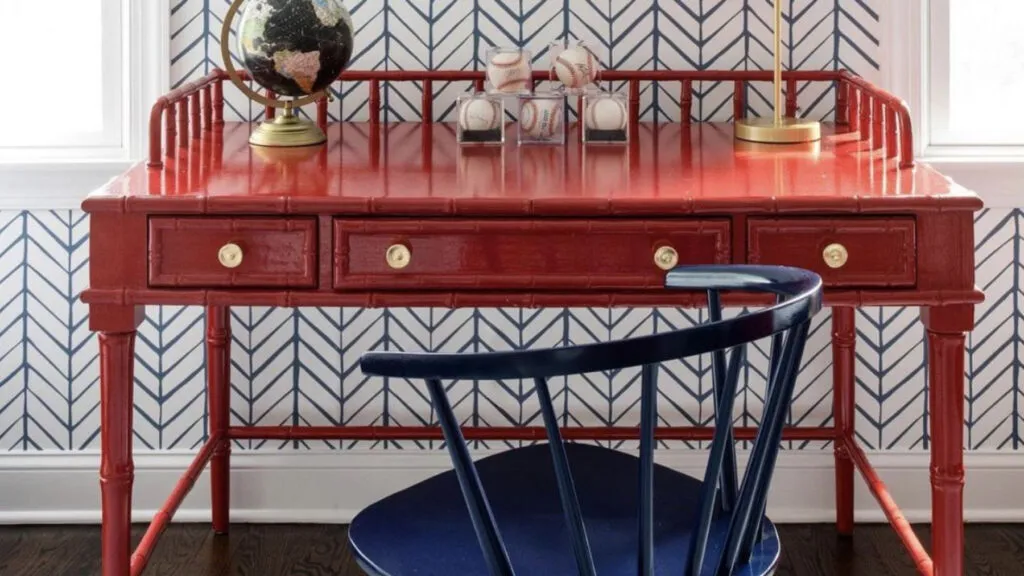
For years the rule was everything neutral and everything from the same collection. The result is a living room that...
This site uses cookies - is that okay? Learn more
Be the first to know when Metla launches something new
Leave your email and we will write when there is a new guide or something new on Metla.